


Complete Bathroom Remodeling Guide for Homeowners
A well-planned bathroom renovation can improve daily comfort, increase home value, and enhance the overall functionality of your home. This bathroom remodeling guide is designed to help homeowners navigate every stage of the process, from initial planning to final fixture selection. Bathrooms are among the most frequently used spaces in a home, making them one of the most valuable renovation targets. Whether you’re considering a small bathroom remodel, a complete master bathroom renovation, or simply exploring bathroom renovation ideas, proper preparation is essential to avoid costly mistakes and unexpected delays.
Successful remodeling begins with understanding your goals, establishing a realistic budget, and identifying design priorities that fit your lifestyle. It also requires attention to building requirements under the International Residential Code (IRC) and opportunities to improve efficiency through programs such as ENERGY STAR. This guide will walk you through the key decisions homeowners should make before starting a bathroom renovation project.
Understanding Your Remodeling Goals
Before selecting materials or contacting contractors, homeowners should clearly define what they want to achieve from the renovation. A successful bathroom remodeling guide always begins with goal setting because every decision, from layout to budget, depends on the intended outcome. Some homeowners focus on aesthetics and explore bathroom renovation ideas that modernize outdated finishes, while others prioritize functionality by adding storage, improving accessibility, or upgrading fixtures. Families may need a more efficient shared bathroom, while homeowners planning a master bathroom renovation often seek a spa-like retreat with premium features.
It is also important to think about long-term plans. If resale value is a priority, focus on universally appealing designs and durable materials. If the bathroom is intended for aging in place, accessibility improvements should be incorporated early in the planning process. By defining priorities before construction begins, homeowners can make more confident design choices, avoid unnecessary expenses, and create a renovation plan that aligns with both lifestyle needs and property goals.
Creating a Bathroom Remodeling Budget
A realistic budget is one of the most important parts of any bathroom remodeling guide because it influences every design and construction decision. Without clear financial planning, even simple projects can experience delays, scope changes, or unexpected costs. Start by dividing the renovation into major categories such as labor, fixtures, flooring, cabinetry, plumbing, lighting, and contingency funds. Many homeowners underestimate installation and plumbing expenses, which often account for a significant portion of the total project cost. Setting aside 10% to 20% of the budget for unforeseen issues is generally recommended.
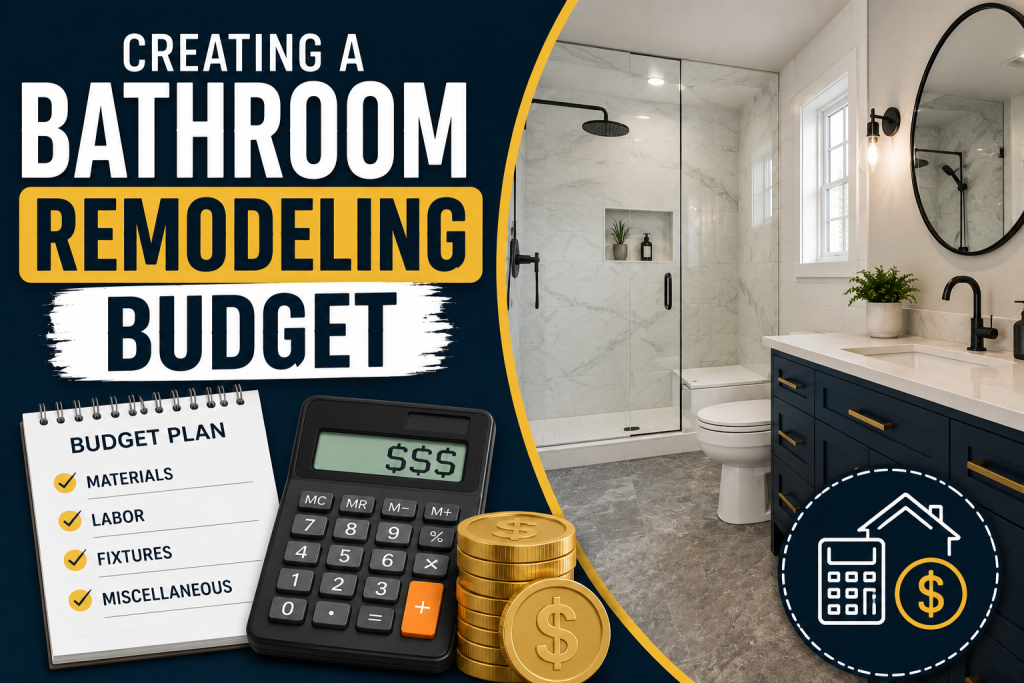
The size and complexity of the renovation will also affect costs. A small bathroom remodel typically requires a lower investment than a full master bathroom renovation, especially if plumbing layouts remain unchanged. Keeping existing fixture locations can help control expenses while still delivering a substantial visual upgrade. Retailers such as Home Depot and Lowe’s offer a wide range of products at different price points, helping homeowners balance style and affordability. A well-planned budget provides the foundation for a smoother renovation process and better long-term results.
Modern Bathroom Remodel Trends
A modern bathroom remodel focuses on combining functionality, comfort, and clean design aesthetics. While trends evolve over time, many current US bathroom renovations emphasize simplicity, durability, and efficient use of space rather than excessive decoration. One of the most popular trends is the use of large-format tile, which creates a seamless appearance and reduces grout maintenance. Frameless glass showers, floating vanities, and minimalist hardware are also widely used to create a more open and contemporary feel. Neutral color palettes featuring warm whites, soft grays, and natural wood tones continue to dominate modern bathroom design.
Technology is becoming increasingly common as well. Smart mirrors, touchless faucets, and water-efficient fixtures from manufacturers such as Kohler and Delta Faucet Company help improve convenience while supporting conservation goals. Many homeowners also prioritize energy efficiency by selecting products recognized through the ENERGY STAR program. These modern design trends help create bathrooms that are visually appealing, easier to maintain, and better suited to contemporary lifestyles.
Small Bathroom Remodel Strategies
A small bathroom remodel requires thoughtful planning because every square foot matters. The goal is not simply to make the room look better, but to maximize functionality while creating the perception of a larger, more open space. One of the most effective strategies is simplifying the layout. Keeping plumbing fixtures in their existing locations helps control costs while preserving usable floor space. Wall-mounted vanities, recessed storage niches, and floating shelves can provide storage without making the room feel crowded.
Light also plays a significant role in small bathroom design. Large mirrors, bright lighting, and reflective surfaces help visually expand the room. Many homeowners choose glass shower enclosures instead of shower curtains because they create a more open sightline and reduce visual barriers. Material selection is equally important. Large-format tiles and consistent flooring patterns can make the space appear larger than it actually is. A well-planned small bathroom remodel focuses on efficiency, organization, and smart design choices that enhance comfort without sacrificing style.
Master Bathroom Renovation Planning
A master bathroom renovation is often the most complex part of any bathroom remodeling guide, because it combines comfort, functionality, and luxury design elements in a single space. Unlike smaller bathrooms, the master bath is typically used daily as a personal retreat, so the design should reflect both practicality and relaxation. Planning begins with layout optimization. Many homeowners choose to separate key zones such as the shower, toilet, and vanity area to improve usability and privacy. Walk-in showers, double vanities, and freestanding tubs are common features in modern master bathroom designs.
Storage is another critical consideration. Built-in cabinetry, linen towers, and hidden shelving help maintain a clean, uncluttered appearance while accommodating daily essentials. Lighting should be layered, combining task lighting at mirrors with ambient lighting for relaxation. High-quality fixtures from brands like Kohler are often selected for durability and design consistency. Many homeowners also integrate water-saving features aligned with ENERGY STAR standards to improve efficiency without compromising performance. A well-planned master bathroom renovation enhances daily comfort while significantly improving long-term home value.
Bathroom Design Guide Essentials
A strong bathroom design guide focuses on balancing layout, functionality, and visual harmony to create a space that feels both practical and comfortable. Whether you’re planning a full remodel or a partial upgrade, design decisions will directly influence how well the bathroom performs in everyday use. The first essential element is layout planning. Fixtures should be positioned to allow smooth movement while maintaining privacy and accessibility. Even in a small bathroom remodel, careful spacing between the sink, toilet, and shower can dramatically improve usability.
Next is material coordination. Flooring, wall finishes, and countertops should work together to create a cohesive look. Many homeowners choose neutral palettes with subtle texture variations to maintain a clean, timeless style that supports long-term resale value. Lighting design is equally important. A layered approach, combining task lighting, ambient lighting, and accent lighting, helps eliminate shadows and improves functionality. Natural light, when available, should be maximized through window placement or reflective surfaces. Finally, durability should guide every choice. High-quality fixtures from manufacturers like Delta Faucet Company ensure long-term performance, while efficient products certified through ENERGY STAR help reduce water and energy consumption. A well-executed design strategy ensures the bathroom is both visually appealing and highly functional.
Bathroom Upgrade Tips for Fixtures and Materials
Upgrading fixtures and materials is one of the most effective ways to enhance a renovation without fully changing the layout. In any bathroom remodeling guide, this step plays a major role in improving both appearance and long-term durability. Start with fixtures, as they have the most direct impact on daily use. Replacing outdated faucets, showerheads, and toilets can instantly modernize the space while improving water efficiency. Many homeowners choose products from brands like Delta Faucet Company for reliability and design consistency.
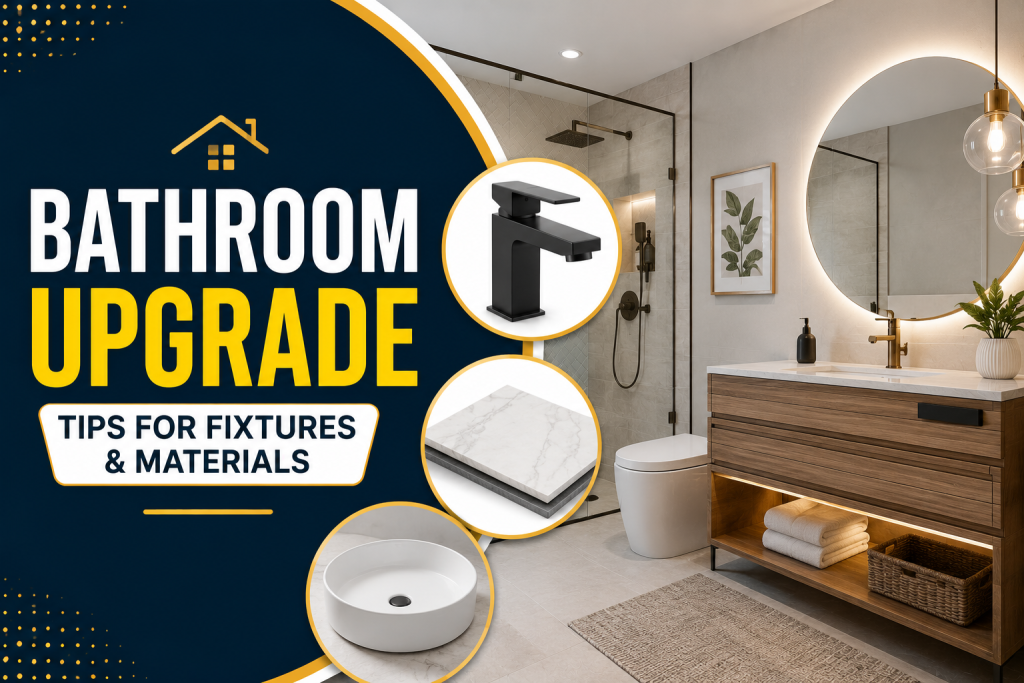
Next, focus on surface materials. Countertops made from quartz or engineered stone offer strong durability and low maintenance, while modern tile options provide better moisture resistance and design flexibility. Flooring should always be selected with slip resistance and humidity exposure in mind, especially in high-use bathrooms. Storage upgrades also make a significant difference. Floating vanities, built-in shelving, and improved cabinetry layouts help reduce clutter and improve functionality without requiring major structural changes. Many homeowners also align upgrades with efficiency standards from ENERGY STAR, especially when selecting water-saving toilets and low-flow fixtures. Careful material and fixture selection ensures the bathroom remains stylish, functional, and cost-effective over time.
Bathroom Remodeling Guide Before Construction
A clear bathroom remodeling checklist is essential before any construction begins, as it helps homeowners avoid delays, budget overruns, and design mistakes. In a structured bathroom remodeling guide, this stage ensures every decision is finalized before demolition starts. Begin by confirming the overall layout and design plan. This includes fixture placement, storage solutions, lighting strategy, and material selection. Once construction begins, changes become more expensive and time-consuming, so finalizing the bathroom design guide details early is critical.
Next, verify permits and building code requirements. Most bathroom renovations must comply with the International Residential Code (IRC), especially when plumbing or electrical systems are modified. Ensuring compliance early helps prevent inspection issues later in the project. It is also important to order all materials in advance. Delays in tiles, fixtures, or cabinetry can slow down the entire renovation timeline. Homeowners should also confirm delivery schedules for key items like vanities, bathtubs, and lighting fixtures. Finally, schedule contractors and establish a realistic timeline with buffer days for unexpected issues. A well-prepared checklist reduces stress and keeps the project moving efficiently from start to finish.
Final Thoughts
A successful bathroom remodeling guide ultimately comes down to planning, consistency, and smart decision-making at every stage of the project. From layout planning and budgeting to material selection and final installation, each step contributes to the overall performance and longevity of the space. Whether you are completing a small bathroom remodel or a full master bathroom renovation, the goal should always be to balance aesthetics with functionality. Bathrooms are high-use environments, so durability, moisture resistance, and efficient design should remain top priorities throughout the process.
Following a structured bathroom remodeling checklist helps reduce errors and ensures compliance with the International Residential Code (IRC), especially when plumbing or electrical systems are involved. Incorporating efficient fixtures aligned with ENERGY STAR standards can also improve long-term savings and sustainability. A well-executed bathroom remodel not only enhances daily comfort but also adds lasting value to the home. When planned correctly, it becomes one of the most impactful upgrades a homeowner can make in terms of both lifestyle and property appeal.
FAQs
What is included in a bathroom remodeling guide?
A complete bathroom remodeling guide includes planning, budgeting, design selection, material choices, construction steps, and a final bathroom remodeling checklist before work begins.
How long does a bathroom remodel usually take?
Most bathroom renovations take 2–6 weeks depending on size, complexity, and whether it’s a small bathroom remodel or a full master bathroom renovation.
What are the best bathroom renovation ideas for value?
The best bathroom renovation ideas for value include modern fixtures, walk-in showers, energy-efficient lighting, and durable materials that improve long-term usability.
How can I improve a modern bathroom remodel?
A modern bathroom remodel benefits from clean lines, neutral colors, floating vanities, and water-efficient fixtures from brands like Kohler and Delta Faucet Company.
How do you fix basement humidity issues?
Yes, bathroom upgrades often increase home value, especially when following proper design and construction standards under the International Residential Code (IRC).