


Best Bathroom Vanity Styles for Modern Homes and Smart Storage
Selecting the right bathroom vanity style is one of the most impactful decisions in a bathroom remodel because the vanity influences both the visual design and everyday functionality of the space. It serves as the centerpiece of the bathroom, combining storage, sink functionality, and countertop surface into a single design element. Modern homeowners are no longer limited to basic cabinet-and-sink combinations. Today’s contemporary bathroom design trends include floating vanities, double sink layouts, and custom-built storage solutions that improve both organization and aesthetics. The right vanity can make a small bathroom feel larger or transform a master bathroom into a more luxurious, spa-like environment.
Beyond style, functionality plays a major role. Storage capacity, durability in humid environments, and ease of cleaning are all important considerations. Materials and construction quality can also affect long-term performance, especially in high-moisture bathrooms. This guide explores the most popular vanity styles, helping homeowners choose designs that balance storage needs, visual appeal, and long-term practicality.
Floating Bathroom Vanity – Modern Minimal Design
The floating bathroom vanity has become one of the most popular bathroom vanity styles in modern homes due to its clean lines, space-saving design, and contemporary appeal. Mounted directly to the wall, this style creates the illusion of more floor space, making it especially effective in small bathrooms or minimalist interiors. One of the key advantages of a floating vanity is improved visual openness. By exposing the floor underneath, the bathroom feels less crowded and easier to clean. This design aligns strongly with contemporary bathroom design trends that prioritize simplicity, light, and functionality.
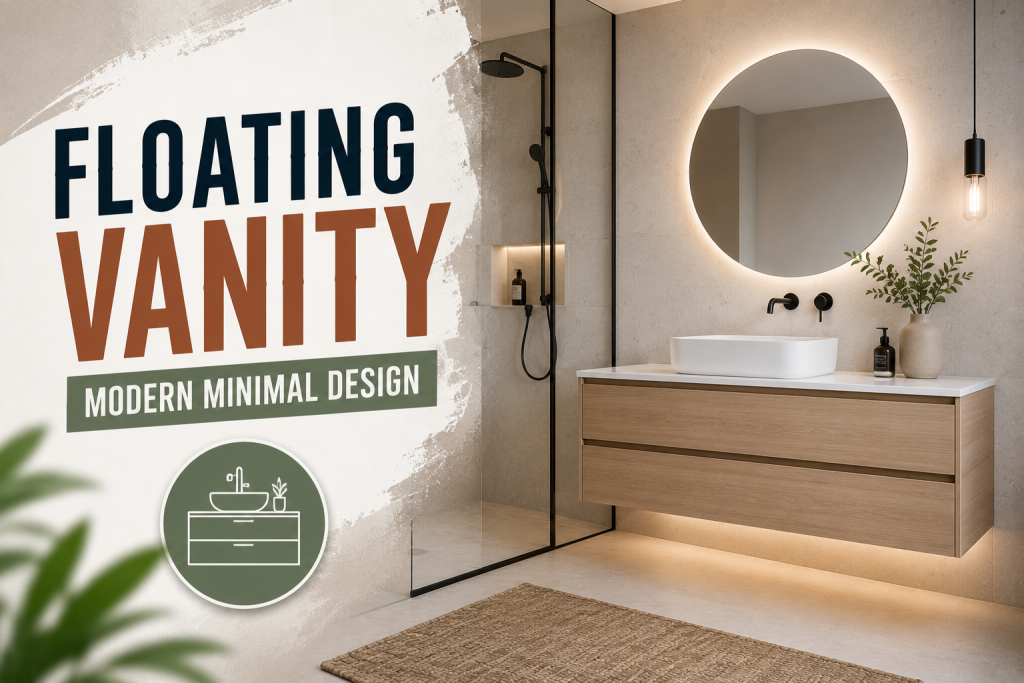
Floating vanities often include integrated storage drawers, though capacity may be more limited compared to traditional floor-mounted cabinets. Homeowners frequently pair them with wall-mounted faucets and large mirrors to enhance the modern aesthetic. Material selection is important for durability, especially in humid environments. High-quality engineered wood or moisture-resistant composites are commonly used to prevent warping over time. Overall, floating vanities offer a sleek, modern solution that blends style with practicality in today’s bathroom remodels.
Double Sink Vanity Ideas for Shared Bathrooms
Double sink vanity ideas are especially popular in master bathrooms where shared daily routines require more efficiency and personal space. Among modern bathroom vanity styles, double vanities stand out for their practicality, offering two separate sink areas that help reduce morning congestion and improve overall functionality. A key advantage of double vanities is improved organization. Each user typically has dedicated counter space, storage drawers, and mirror access, which reduces clutter and enhances usability. This makes them a strong choice for families or couples who want a more structured bathroom layout.
Design-wise, double vanities can range from traditional cabinet-style units to sleek, modern floating versions. Many homeowners incorporate symmetry in lighting, mirrors, and faucet placement to maintain visual balance in the space. However, these vanities require more wall space and plumbing adjustments, which can increase installation complexity. Despite this, they remain one of the most valuable upgrades in larger bathrooms, combining convenience with long-term home value improvement.
Modern Bathroom Cabinets and Built-In Storage
Modern bathroom cabinets play a major role in defining both the style and functionality of today’s bathroom vanity styles. Unlike older designs that focused only on basic storage, modern cabinetry emphasizes smart organization, clean aesthetics, and efficient use of space. One of the biggest trends in vanity storage ideas is integrated drawer systems with dividers for toiletries, grooming tools, and cleaning supplies. Soft-close drawers, hidden compartments, and pull-out organizers help reduce clutter and keep countertops clean, which is essential for a modern, streamlined look.
Built-in storage also helps maximize smaller bathrooms where space is limited. Tall vertical cabinets, wall-mounted units, and recessed shelving are commonly used to increase storage without overwhelming the room visually. These solutions align closely with contemporary bathroom design principles that prioritize minimalism and functionality. Material choice is also important, especially in humid environments. Moisture-resistant wood composites, engineered finishes, and sealed cabinetry help prevent warping and extend lifespan. Well-designed bathroom cabinets not only improve storage but also enhance the overall aesthetic and usability of the entire bathroom space.
Farmhouse Bathroom Vanity Style Trends
The farmhouse bathroom vanity remains one of the most recognizable and widely used bathroom vanity styles, especially in homes that emphasize warmth, rustic charm, and timeless design. This style blends traditional craftsmanship with modern functionality, making it a strong fit for both renovations and new builds. Farmhouse vanities typically feature natural wood finishes, shaker-style cabinet doors, and vintage-inspired hardware. Many designs incorporate open shelving or furniture-style legs to create a more relaxed and lived-in appearance. This approach contrasts with sleek contemporary bathroom design, offering a softer and more textured visual appeal.
In modern interpretations, farmhouse vanities are often combined with updated materials such as quartz countertops, matte black fixtures, and integrated sinks. This mix of old and new allows homeowners to achieve a balanced look that feels both classic and current. Storage is another important feature, with vanity storage ideas often including wide drawers and lower shelving for baskets or decorative containers. While primarily aesthetic-driven, farmhouse vanities still provide practical functionality for everyday bathroom use. Overall, this style continues to trend due to its versatility and strong visual character in residential interiors.
Contemporary Bathroom Design Trends
Contemporary bathroom design continues to shape modern bathroom vanity styles, focusing on clean lines, minimal ornamentation, and functional elegance. Unlike traditional designs, contemporary bathrooms prioritize simplicity while still incorporating high-end materials and thoughtful layout planning. One of the strongest bathroom vanity trends is the shift toward streamlined silhouettes. Flat-panel cabinets, integrated handles, and floating structures are increasingly popular because they create a clutter-free visual appearance. Neutral color palettes, such as whites, soft grays, and warm wood tones, dominate modern bathroom spaces. Lighting also plays a key role in contemporary design.
LED backlit mirrors, under-vanity lighting, and integrated task lighting enhance visibility while reinforcing a modern aesthetic. These features pair well with sleek countertop materials like quartz or solid surface composites. Functionality remains central to design choices. Homeowners are prioritizing layouts that maximize storage efficiency without sacrificing style, often combining open shelving with concealed drawers. Brands like Kohler and Wayfair heavily influence current trends by offering modular vanity systems that blend aesthetics with practicality. Overall, contemporary vanity design reflects a balance between visual simplicity and everyday usability.
Bathroom Vanity Materials and Durability
Material selection plays a major role in determining the lifespan and performance of different bathroom vanity styles, especially in moisture-heavy environments. Bathrooms experience constant humidity and water exposure, so durability is just as important as design when selecting a vanity. Solid wood remains a popular choice for high-end vanities due to its strength and natural appearance, but it requires proper sealing to prevent warping over time. Engineered wood and MDF are widely used in more affordable modern bathroom cabinets, offering stability and cost efficiency when properly finished with moisture-resistant coatings.
Countertop materials also influence durability. Quartz is one of the most durable and low-maintenance options, while natural stone provides a premium look but requires regular sealing. Laminate surfaces are more budget-friendly but may not last as long in high-moisture conditions. Hardware quality is another important factor. Hinges, drawer slides, and handles must withstand frequent use and humidity without corroding or loosening. Leading manufacturers like American Woodmark and MasterBrand Cabinets offer durable cabinetry systems designed specifically for bathroom environments. Choosing the right materials ensures long-term durability, reduced maintenance, and better overall performance.
Small Bathroom vs Master Bathroom Vanity Selection
Choosing between bathroom vanity styles often depends on whether the space is a compact powder room or a full master bathroom. Each type of bathroom has different spatial constraints, storage needs, and design priorities that directly influence the best vanity choice. For small bathrooms, space-saving designs are essential. A floating bathroom vanity is often the preferred option because it opens up floor space and creates a more visually spacious environment. Narrow-profile vanities with integrated storage also help maximize functionality without overwhelming the room. In these spaces, vanity storage ideas like vertical cabinets or wall-mounted shelving are especially useful.
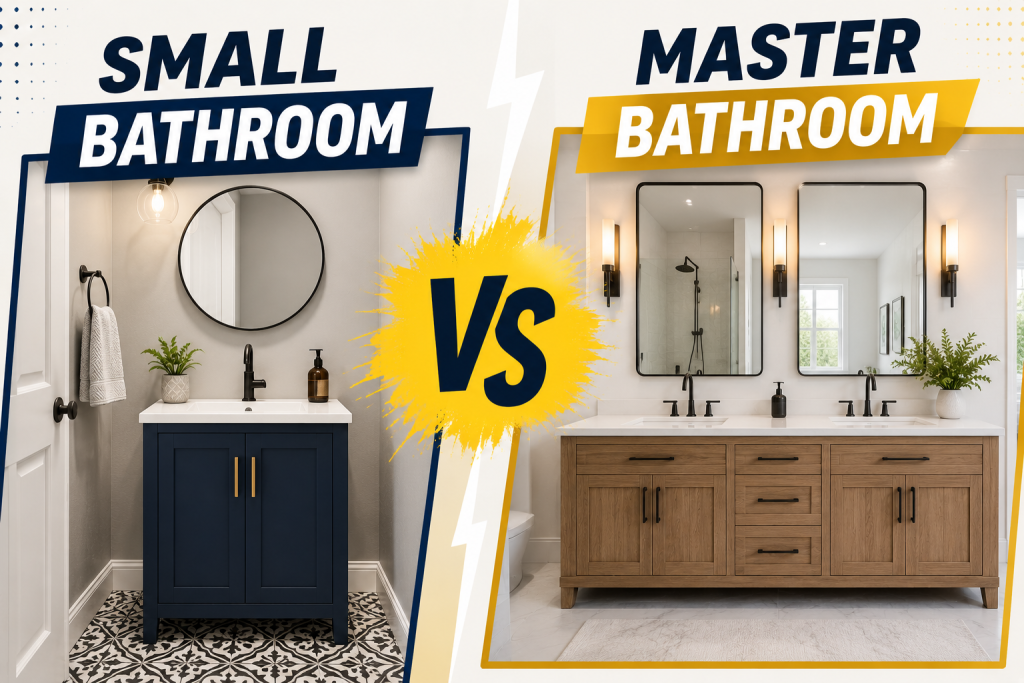
In contrast, master bathrooms typically allow for larger, more functional setups. Double sink vanities are common, offering shared usability and improved organization. These larger layouts also support expanded modern bathroom cabinets with deep drawers, built-in organizers, and extended counter space. Design flexibility is much greater in master bathrooms, allowing homeowners to incorporate premium materials, statement mirrors, and customized storage solutions. The key is balancing aesthetics with practical storage needs based on room size and daily usage patterns.
Installation Considerations and Plumbing Basics
Installing different bathroom vanity styles requires careful planning, especially when it comes to plumbing alignment, wall support, and overall bathroom layout. Even the most stylish vanity can create issues if it is not properly matched to existing plumbing or structural conditions. One of the most important factors is drain and supply line positioning. In many remodels, keeping plumbing in its original location helps reduce labor costs and avoids unnecessary wall or floor modifications. However, when switching between freestanding and floating bathroom vanity designs, adjustments may be required to ensure proper alignment and secure installation.
Wall-mounted vanities also require reinforced support within the wall structure. Because these units are not supported by the floor, they must be anchored securely to wall studs to handle weight from countertops, sinks, and daily use. Plumbing compatibility is another key consideration. Double sink vanities require dual supply lines and drain configurations, which can increase installation complexity compared to single-sink setups. Professional installation is often recommended to ensure proper leveling, sealing, and long-term durability. Proper planning helps prevent leaks, structural issues, and costly adjustments after installation.
Final Recommendation
Selecting the best bathroom vanity styles depends on balancing design goals, storage needs, bathroom size, and long-term durability. There is no single “best” option for every home, but certain styles consistently perform well across modern residential bathrooms. For a clean, modern look, a floating bathroom vanity remains one of the top choices due to its space-saving design and alignment with contemporary bathroom design trends. It works especially well in smaller bathrooms where visual openness is important.
For families or shared bathrooms, double sink vanities provide the best functionality, offering improved organization and reducing daily congestion. These designs are ideal for master bathrooms where storage and usability are priorities. For homeowners seeking warmth and character, a farmhouse bathroom vanity delivers timeless appeal while still offering practical storage solutions. Meanwhile, modern engineered cabinets provide durability and flexibility for everyday use. Ultimately, the best vanity choice is one that fits the bathroom layout, supports daily routines, and enhances both functionality and visual appeal over time.
FAQs
What are the most popular bathroom vanity styles?
The most popular bathroom vanity styles include floating vanities, double sink vanities, farmhouse designs, and modern built-in cabinetry. Each offers different benefits for storage, aesthetics, and space efficiency.
Are floating bathroom vanities practical?
Yes, a floating bathroom vanity is practical for many modern homes because it saves floor space, improves visual openness, and aligns with contemporary bathroom design trends.
What is the best vanity style for small bathrooms?
For small spaces, compact wall-mounted or floating vanities with smart vanity storage ideas are ideal because they maximize functionality without making the room feel crowded.
Are double sink vanity ideas worth it?
Double sink vanity ideas are especially useful in master bathrooms where two people share the space, improving efficiency and daily convenience.
What materials are best for bathroom cabinets?
Durable modern bathroom cabinets are typically made from engineered wood or moisture-resistant composites with sealed finishes to prevent humidity damage.