


Bathroom Remodel Budget by Size and Material (Complete Pricing Guide)
Understanding bathroom remodel Budget is one of the first and most important steps in planning a successful renovation. Prices can vary widely depending on bathroom size, material selection, labor rates, and the overall complexity of the project. For most homeowners, the challenge is not just estimating cost, but understanding what actually drives it. A bathroom renovation is made up of several key components, including plumbing, fixtures, flooring, cabinetry, lighting, and labor. Each of these elements can significantly influence the final budget. For example, a basic refresh with standard materials will cost far less than a full luxury bathroom remodel with high-end finishes and structural changes.
Regional pricing differences across the US also play a major role, especially in areas with higher labor costs or stricter building requirements. Understanding these variables helps homeowners make smarter decisions and avoid unexpected expenses. This guide breaks down bathroom renovation pricing by size, material, and scope so you can build a realistic and well-planned budget before starting your project.
Average Bathroom Remodel Budget in the US
The average bathroom remodel Budget in the US typically falls within a wide range because every project is different in size, materials, and labor requirements. A basic bathroom update may stay on the lower end of the spectrum, while a full renovation with layout changes and premium finishes can significantly increase the total investment. Most standard bathroom remodels include replacing fixtures, updating flooring, repainting walls, and upgrading lighting. These projects tend to be more affordable when plumbing locations remain unchanged. However, once structural adjustments or plumbing relocations are introduced, costs rise quickly due to increased labor and complexity.
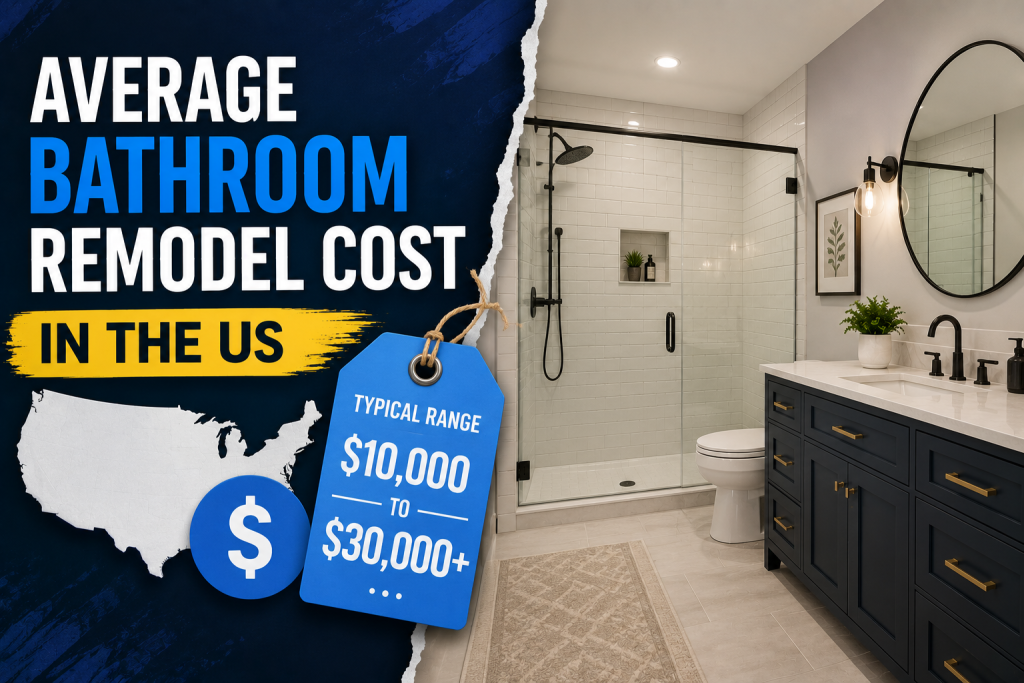
Homeowners should also factor in hidden expenses such as permits, demolition, and unexpected repairs behind walls or under flooring. These often appear once the renovation begins and can impact the overall bathroom renovation pricing more than initially expected. Retail pricing for materials from companies like Home Depot and Lowe’s can also influence the final budget depending on product quality and brand selection. Overall, understanding the average cost range helps homeowners set realistic expectations before moving into detailed planning.
Bathroom Remodel by Square Foot Breakdown
Breaking down bathroom remodel Budget by square foot is one of the most practical ways to understand how pricing scales with size. While bathrooms are typically smaller spaces compared to other rooms, cost per square foot can be higher due to plumbing, waterproofing, and fixture installation requirements. In general, smaller bathrooms tend to have a higher cost per square foot because they still require essential fixed expenses such as plumbing hookups, ventilation, and labor-intensive tile work. Larger bathrooms may have a lower per-square-foot rate, but the total project cost increases due to additional materials, fixtures, and layout complexity.
This is why bathroom remodel by square foot estimates should always be used as a guideline rather than a fixed rule. The final price depends heavily on design choices, structural changes, and material quality. For example, a simple layout with standard fixtures will remain more cost-efficient, while a spa-style layout or expanded luxury bathroom remodel will significantly increase both material and labor requirements per square foot. Understanding this breakdown helps homeowners plan budgets more accurately and compare renovation options based on actual space usage rather than just overall pricing.
Small Bathroom Remodel Budget Guide
A small bathroom remodel budget is usually more affordable in total cost, but it can still be surprisingly expensive on a per-square-foot basis due to the fixed costs involved in plumbing, fixtures, and labor. Even compact bathrooms require essential components like a toilet, sink, shower or tub, ventilation, and waterproofing, which sets a baseline cost regardless of size. Because space is limited, design efficiency becomes the most important factor in controlling bathroom remodel Budget. Homeowners often reduce expenses by keeping the existing plumbing layout, choosing prefabricated shower units, and using standard-sized fixtures instead of custom installations. These decisions can significantly lower overall bathroom renovation pricing.
Material selection also plays a major role. Affordable tile, laminate vanities, and mid-range fixtures can create a modern look without pushing the budget into luxury territory. However, even in small spaces, labor costs remain a significant portion of the total expense due to the precision work required in tight areas. A well-planned small bathroom renovation balances functionality, durability, and style while keeping costs under control, making it one of the most efficient remodeling projects for homeowners.
Luxury Bathroom Remodel Budget Breakdown
A luxury bathroom remodel represents the highest tier of bathroom remodel Budget, where design, materials, and customization significantly elevate the total investment. Unlike standard renovations, luxury projects often include structural changes, high-end finishes, and advanced fixtures that require skilled labor and detailed planning. Common features in a luxury remodel include frameless glass showers, freestanding soaking tubs, custom vanities, heated flooring, and premium tile work. These elements not only increase material expenses but also add complexity to installation, driving up bathroom labor costs substantially.
Material selection is one of the biggest cost drivers. Imported stone, designer fixtures, and custom cabinetry can quickly increase the overall bathroom renovation pricing, especially when paired with specialty lighting and smart home integration systems. Brands like Kohler are often chosen for high-end projects due to their premium design lines and durability. Luxury remodels also tend to involve layout modifications, such as expanding the bathroom footprint or reconfiguring plumbing systems, which further increases construction costs. Ultimately, a luxury bathroom remodel is less about necessity and more about experience, comfort, and long-term property value enhancement.
Bathroom Labor Costs Explained
Bathroom labor costs are one of the largest components of overall bathroom remodel Budget, often accounting for 40% to 65% of the total budget depending on project complexity. Labor includes multiple skilled trades such as plumbers, electricians, tile installers, carpenters, and general contractors. The cost of labor is heavily influenced by the scope of work. A simple cosmetic update, like replacing fixtures and repainting, requires minimal specialized labor. However, a full renovation involving plumbing relocation, electrical rewiring, or structural changes significantly increases labor hours and pricing.
Geographic location also plays a major role. In higher-cost US markets, hourly rates for licensed professionals are substantially higher, which directly impacts overall bathroom renovation pricing. Additionally, older homes may require extra labor to bring systems up to current standards under the International Residential Code (IRC). Project management is another hidden labor factor. General contractors often coordinate scheduling, permits, inspections, and subcontractors, which adds to the total expense but ensures smoother execution. Understanding bathroom labor costs helps homeowners identify where their money is going and make informed decisions about where to save or invest during the renovation process.
Bathroom Material Costs Breakdown
Understanding bathroom material costs is essential when calculating overall bathroom remodel Budget, because materials can range from budget-friendly basics to premium designer selections that significantly impact the final price. Core materials include flooring, wall tile, cabinetry, countertops, plumbing fixtures, lighting, and waterproofing systems. Each category has multiple price tiers, allowing homeowners to adjust their bathroom renovation pricing based on design goals and budget flexibility. For example, ceramic tile is generally more affordable, while natural stone or large-format porcelain increases costs due to both material price and installation complexity. Similarly, stock vanities are cost-effective, while custom cabinetry can substantially raise the total budget.
Fixtures also play a major role in material expenses. Products from brands like Moen and Kohler vary widely depending on design, durability, and technology features such as water efficiency and smart controls. Homeowners should also account for hidden material needs such as adhesives, sealants, waterproof membranes, and underlayment materials, which are often overlooked but essential for long-term durability. Balancing quality and cost in material selection is key to achieving a functional and visually appealing bathroom without exceeding the planned budget.
Shower Remodel Cost Analysis
The shower remodel cost is often one of the most variable parts of a bathroom remodel Budget because it depends heavily on design choices, materials, and plumbing complexity. A simple shower replacement using a prefabricated unit will cost significantly less than a fully custom tiled walk-in shower with glass enclosures and multiple fixtures. Basic shower upgrades typically include replacing the showerhead, valve, and enclosure. These are relatively cost-effective and are often chosen for a budget-friendly renovation approach. However, once homeowners move into custom tile work, built-in benches, niches, or rainfall shower systems, both bathroom labor costs and bathroom material costs increase substantially.
Waterproofing is another critical factor. Proper installation of backer boards, membranes, and sealing systems is required to prevent long-term water damage. Poor waterproofing can lead to expensive repairs that exceed the initial remodel savings. Fixtures also influence pricing. High-quality systems from manufacturers like Delta Faucet Company or Kohler can increase upfront costs but offer better durability and water efficiency over time. Overall, shower remodels can range from basic upgrades to luxury installations, making them a key driver in total bathroom renovation pricing decisions.
Cost-Saving Strategies for Bathroom Renovation
Reducing bathroom remodel Budget without sacrificing quality requires strategic planning and smart decision-making. Many homeowners can significantly lower bathroom renovation pricing by focusing on layout efficiency, material selection, and labor optimization. One of the most effective cost-saving strategies is keeping the existing plumbing layout. Moving sinks, toilets, or showers increases bathroom labor costs due to additional plumbing and potential structural adjustments. By working within the existing footprint, homeowners can allocate more budget toward visible upgrades like tile, lighting, and fixtures.
Material selection also plays a major role. Choosing mid-range finishes instead of premium imported materials can dramatically reduce bathroom material costs while still achieving a modern, updated look. Large retailers like Home Depot and Lowe’s offer a wide range of budget-friendly options that balance durability and style. Another strategy is mixing DIY work with professional installation. Tasks like painting or removing old fixtures can be handled by homeowners, while plumbing and electrical work should remain with licensed professionals under the International Residential Code (IRC). Careful planning and prioritization help homeowners achieve a high-quality renovation while keeping expenses under control.
Final Thoughts
A successful approach to bathroom remodel budgeting comes down to preparation, realistic expectations, and understanding where your money delivers the most value. Every renovation is a balance between design goals, material choices, and labor requirements, and each of these directly influences bathroom renovation pricing. Homeowners should treat budgeting as a decision-making tool rather than a limitation. Whether you are planning a small bathroom remodel budget or investing in a full luxury bathroom remodel, clear cost awareness helps you prioritize features that matter most, such as durability, comfort, and long-term usability.
It is also important to plan for unexpected expenses, especially in older homes where hidden plumbing or structural issues may appear during demolition. Following standards under the International Residential Code (IRC) helps ensure that upgrades meet safety and compliance requirements. Ultimately, a well-planned budget leads to better design outcomes, fewer delays, and a smoother renovation experience. By understanding the full breakdown of materials, labor, and scope, homeowners can confidently move forward with a bathroom remodel that fits both their vision and financial plan.
FAQs
What is the average bathroom remodel Budget in the US?
The average bathroom remodel Budget varies widely, but most homeowners spend more depending on size, materials, and whether it’s a basic upgrade or full renovation with layout changes.
How much does a small bathroom remodel budget usually cost?
A small bathroom remodel budget is generally lower overall, but cost per square foot can be higher due to fixed plumbing and labor requirements.
What affects bathroom renovation pricing the most?
The biggest factors in bathroom renovation pricing are labor, material quality, plumbing changes, and overall project complexity.
How much do bathroom labor costs usually take up?
Bathroom labor costs often make up a large portion of the total budget because multiple skilled trades are required, including plumbing and electrical work.
What are bathroom material costs based on?
Bathroom material costs depend on tile type, fixtures, cabinetry, countertops, and brand selection, ranging from budget to luxury options.