


Best Siding for Hurricanes: Top House Siding Options
Homes located in hurricane-prone regions face challenges that go beyond everyday weather exposure. Strong winds, heavy rain, airborne debris, moisture intrusion, and long storm seasons can all place significant stress on exterior materials over time. In 2026, choosing the best siding for hurricanes requires homeowners to look beyond appearance and upfront pricing. Wind performance, moisture resistance, installation quality, and long-term durability all influence how well an exterior system performs during severe weather events.
Coastal and high-risk storm regions often demand siding materials that can maintain structural performance while reducing maintenance and minimizing weather-related damage. Proper installation is equally important because even premium products can underperform if details such as flashing and moisture protection are overlooked. This guide explains which siding options homeowners should compare and what factors matter most when preparing for hurricane conditions.
How to Choose the Best Siding for Hurricanes
Selecting siding for hurricane-prone regions involves more than choosing a product with strong marketing claims. Homeowners should evaluate how materials perform under high winds, moisture exposure, impact events, and long-term weather conditions. When comparing options for the best siding for hurricanes, wind performance should be one of the first considerations. Exterior materials that maintain attachment strength and structural stability generally perform better during severe weather conditions.
Moisture resistance is equally important because prolonged rain and humidity can accelerate wear if water reaches underlying wall systems. Installation methods, flashing details, and moisture barriers often influence results as much as material selection. Maintenance expectations also deserve attention. Some products require more frequent repairs or refinishing after major storms, while others are designed to maintain appearance and performance with less ongoing upkeep. Rather than focusing only on upfront cost, homeowners should compare durability, warranty coverage, and long-term ownership value before selecting a siding system.
What Hurricanes Do to Exterior Siding
Hurricanes expose exterior materials to a combination of forces that can shorten lifespan and increase maintenance requirements if the wrong siding system is installed. Wind pressure, flying debris, prolonged rain, and rapid weather changes all create stress on exterior walls. One of the most common problems is wind uplift, which places pressure on panels, trim components, and attachment points. When exterior systems are not designed or installed correctly, sections may loosen or become more vulnerable during severe weather, making material selection critical for homeowners searching for the best siding for hurricanes. Heavy rainfall creates another challenge because moisture intrusion can affect underlying wall assemblies and lead to long-term performance concerns if drainage details are inadequate.
Airborne debris may also create surface damage that reduces both appearance and protection over time. Materials with stronger structural stability often perform more consistently after repeated storm exposure. Understanding how hurricanes affect siding performance helps homeowners make more informed replacement decisions before storm seasons become more severe.
Performance Factors That Matter Most
Not all siding products respond to hurricane conditions the same way, which is why homeowners should compare performance characteristics instead of focusing only on appearance or price. When evaluating the best siding for hurricanes, wind resistance should remain a top priority. Materials that maintain attachment strength and structural stability under changing weather conditions generally provide stronger long-term exterior performance.
Impact tolerance is another important factor because storm conditions may expose siding to airborne debris and repeated weather stress. Moisture resistance also deserves close attention since prolonged exposure to rain and humidity can reduce lifespan over time. Homeowners should compare maintenance requirements as well. Some siding products may require more frequent repairs or refinishing after severe weather events, while others are designed for lower ongoing upkeep. Installation quality, warranty protection, and climate suitability often influence long-term results just as much as the siding material itself.
Best Siding for Hurricanes: Top Material Options
There is no single siding product that fits every hurricane-prone region. The right choice depends on wind exposure, moisture conditions, maintenance expectations, and long-term homeowner goals. When comparing the best siding for hurricanes, vinyl remains one of the most common options because of its broad availability and relatively low maintenance requirements. Higher-grade products generally provide stronger exterior performance than entry-level systems.
Fiber cement is frequently selected for its weather durability and ability to maintain appearance under demanding climate conditions. Engineered wood also attracts homeowners seeking a balance between appearance and structural performance. Metal-based exterior systems may appeal to homeowners prioritizing strength and long-term weather resistance, although installation quality remains critical across all material categories. Material selection should always reflect local storm conditions, installation standards, and expected ownership timelines rather than relying on product marketing alone.
Comparing Wind Resistance, Durability, and Cost
Homeowners in hurricane-prone regions often balance three priorities when selecting exterior materials: weather performance, long-term durability, and project budget. Focusing only on upfront pricing may overlook ownership costs that appear later through maintenance and repairs. Products designed as wind-resistant siding are typically selected for their ability to maintain attachment strength and structural stability during severe weather conditions. However, installation quality and local building requirements often influence real-world performance just as much as product selection. Durability should also be evaluated over the long term. Many homeowners prioritize durable exterior cladding systems because they may offer stronger resistance to moisture exposure, repeated storm cycles, and everyday environmental wear.
Cost comparisons should include more than materials alone. Warranty coverage, repair expectations, installation standards, and projected maintenance can significantly affect total ownership value. The strongest siding decisions usually balance resilience, maintenance goals, and long-term homeowner priorities rather than focusing only on initial investment when selecting the best siding for hurricanes.
Storm-Rated vs Standard Siding Systems
Homeowners preparing for severe weather often compare standard exterior products with systems designed for stronger weather performance. While appearance may seem similar, differences in construction and installation can influence long-term results. When evaluating the best siding for hurricanes, many homeowners look for products categorized as storm-resistant siding because they are intended to provide stronger performance under demanding weather conditions and repeated storm exposure.
Some homeowners also search for hurricane-proof siding, although no exterior material can guarantee complete protection during every storm event. Exterior performance depends on a combination of product selection, installation quality, moisture management, and local building standards. Storm-rated systems may offer stronger attachment methods, improved structural stability, and better resistance to weather-related damage compared with standard installations. Rather than relying on labels alone, homeowners should compare testing standards, installation requirements, warranties, and long-term ownership expectations before making a final decision.
Best Siding for Coastal and Hurricane Zones
Coastal regions introduce challenges beyond high winds alone. Salt exposure, humidity, heavy rainfall, and frequent storm conditions can all influence how exterior materials perform over time. Homeowners researching siding for coastal homes often prioritize products that combine moisture resistance with strong long-term durability. Materials that limit water intrusion and maintain structural stability may perform more consistently in demanding environments. Another important consideration is selecting impact-resistant siding that can better tolerate debris exposure during storm events. While no product eliminates all weather-related risks, stronger impact performance may help reduce maintenance and repair concerns over time.
Coastal installations should also focus on proper flashing, moisture management, and attachment systems because installation quality frequently determines long-term outcomes. Rather than choosing based only on appearance, homeowners should compare climate suitability, warranty protection, and expected maintenance requirements before selecting a siding system.
Fiber Cement Performance in Florida Conditions
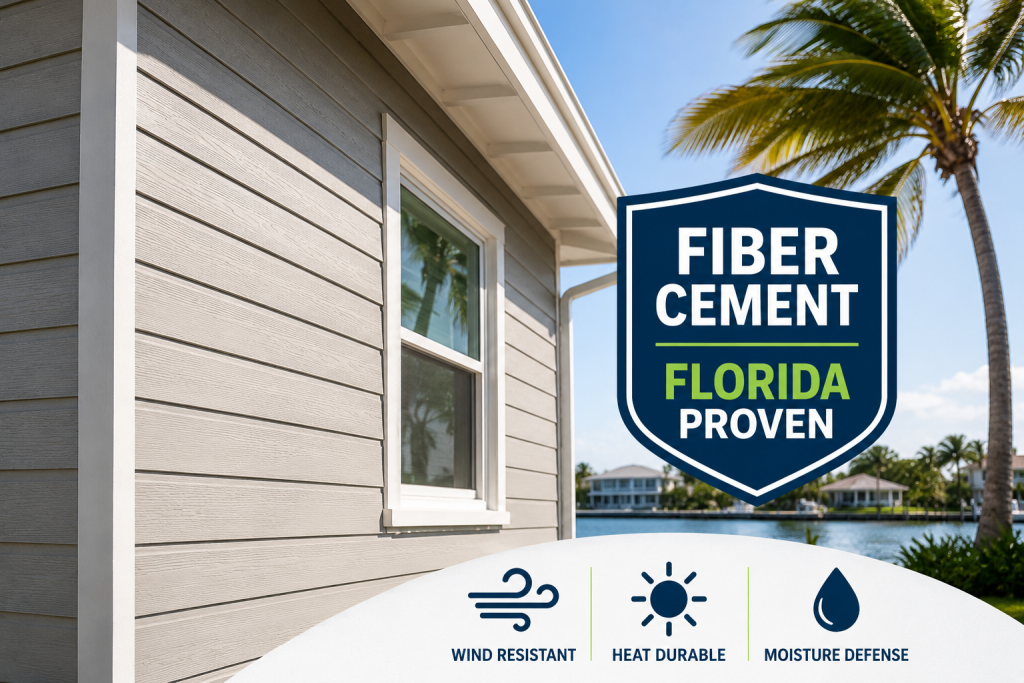
Florida’s climate creates a demanding environment for exterior materials because homes often face a combination of humidity, heavy rainfall, strong winds, and extended storm seasons. These conditions make long-term material selection especially important. Many homeowners research fiber cement siding Florida projects because fiber cement is often associated with weather durability and stable exterior performance under changing climate conditions. Its composition may appeal to homeowners seeking a balance between appearance and long-term resilience.
However, material selection alone does not guarantee performance. Proper installation methods, moisture management, flashing details, and compliance with local building requirements all contribute to long-term results. Homeowners should also compare warranty coverage, maintenance expectations, and total ownership value before making a final decision. The strongest exterior outcomes usually come from selecting materials that align with regional weather conditions and are installed according to manufacturer requirements.
Common Mistakes Homeowners Make
Selecting exterior materials for hurricane-prone regions can become expensive when decisions focus only on appearance or initial cost. Many homeowners underestimate how strongly installation quality and local climate conditions influence long-term results. One of the most common mistakes is choosing products without considering regional storm exposure. Materials that perform well in low-risk environments may not deliver the same durability in areas exposed to frequent hurricanes and moisture conditions.
Another issue is prioritizing low upfront pricing instead of evaluating maintenance requirements, repair expectations, and long-term ownership value. Homeowners searching for the best siding for hurricanes should compare warranties, weather performance, and expected lifespan before making a final decision. Installation shortcuts are another major risk. Improper attachment methods, inadequate flashing, and weak moisture control can reduce performance even when premium materials are selected. The strongest siding decisions balance climate conditions, workmanship quality, and long-term resilience rather than relying on product marketing alone.
Conclusion
Choosing siding for hurricane-prone regions requires more than selecting a product that looks durable. Wind exposure, moisture conditions, storm frequency, installation quality, and long-term maintenance all influence how exterior systems perform over time. Homeowners evaluating the best siding for hurricanes should compare weather durability, moisture resistance, attachment performance, and expected ownership value before making a final decision. The strongest option is often the one that aligns with regional climate conditions and long-term homeowner goals. Comparing warranties, installation standards, and maintenance expectations can reduce future repair concerns and improve overall project value. A well-planned siding upgrade can strengthen exterior protection, support long-term performance, and help homeowners feel more prepared for challenging weather conditions in the years ahead.
Frequently Asked Questions
What is the best siding for hurricanes in hurricane-prone areas?
The best siding for hurricanes depends on installation quality, wind exposure, moisture resistance, and local weather conditions. Materials designed for long-term weather durability often provide stronger exterior performance and better long-term resilience over time.
Can siding completely protect a home during a hurricane?
No exterior material can guarantee complete protection during severe storms. Siding performance depends on product quality, installation standards, moisture management, and overall building design.
Does hurricane-rated siding require more maintenance?
Maintenance requirements vary by material and climate exposure. Some products require periodic inspections and repairs, while others are designed for lower long-term upkeep.
Is fiber cement a good choice for coastal homes?
Fiber cement is commonly considered in coastal environments because of its weather durability and ability to maintain appearance under demanding conditions when properly installed.
Does stronger siding improve home value?
Exterior upgrades may improve curb appeal and long-term ownership appeal, although actual value depends on market conditions and overall property condition.
How many contractor estimates should homeowners request?
Requesting at least three itemized proposals usually helps homeowners compare materials, warranties, installation scope, and long-term value more accurately.