


Composite Roofing Explained: Pros, Cons, Costs, and Whether It’s Right for Your Home
Choosing the right roof is one of the most important decisions a homeowner can make. Your roofing material affects everything from curb appeal and energy efficiency to long-term maintenance costs and weather protection. In recent years, engineered roofing products have become a popular alternative to traditional options because they combine durability, attractive aesthetics, and modern manufacturing technology.
Unlike conventional roofing products, these advanced systems are designed to replicate the appearance of premium materials such as slate, cedar shake, and clay tile while reducing many of their drawbacks. Homeowners across states like Florida, Texas, Colorado, and North Carolina are increasingly considering these products due to their ability to handle diverse climate conditions. This guide explains how these roofing systems work, their advantages and disadvantages, expected costs, and whether they are the right investment for your home.
What Is Composite Roofing?
Composite roofing is a category of roofing products manufactured from engineered blends of materials rather than a single natural resource. Depending on the manufacturer, these products may contain recycled plastics, rubber compounds, polymers, and other advanced materials designed to improve performance and longevity. Many homeowners choose this roofing option because it delivers the appearance of high-end roofing materials without the excessive weight or maintenance requirements associated with natural slate or wood shakes. Modern manufacturing techniques allow manufacturers to create highly realistic textures and colors that closely resemble traditional roofing styles.
As one of the fastest-growing residential roofing materials in the United States, composite products are commonly installed on suburban homes, luxury properties, and renovation projects where homeowners want a balance of durability, aesthetics, and long-term value. Their versatility makes them suitable for a wide range of climate conditions across the country.
Materials Used in Composite Roofing
Most composite roofing products are created using carefully engineered blends of recycled and virgin materials. Manufacturers often combine plastics, rubber, fiberglass, and proprietary compounds to create lightweight yet durable roofing components. These materials are designed to resist cracking, moisture intrusion, insect damage, and UV exposure. Some products also incorporate advanced polymer roofing technology to improve flexibility and impact resistance. Compared to traditional roofing systems, these engineered materials can deliver more consistent performance while reducing the maintenance concerns often associated with natural roofing products.
How Composite Roofing Mimics Natural Materials
One of the biggest reasons homeowners consider these roofing systems is their ability to replicate the appearance of premium roofing products. Advanced molding and manufacturing processes allow manufacturers to create roofing profiles that closely resemble natural slate, cedar shake, and clay tile without the associated weight and maintenance requirements. Many modern composite shingles feature textured surfaces, realistic grain patterns, and color variations that help create an authentic appearance from both street level and close inspection.
This makes them an attractive option for homeowners who want to improve curb appeal while avoiding some of the challenges that come with natural materials. Because composite products are engineered rather than quarried or harvested, manufacturers can maintain consistent quality and appearance across large roof installations. This consistency is particularly valuable for homeowners seeking a premium look while investing in long-term performance and durability.
Benefits of Composite Roofing
Homeowners evaluating long-term roof performance often find that these roofing systems offer several advantages over traditional materials. These products are engineered to withstand harsh weather conditions, resist moisture damage, and maintain their appearance for decades with minimal upkeep. One of the most attractive benefits is durability. Many manufacturers design their products to handle hail, strong winds, intense sunlight, and freeze-thaw cycles that commonly affect homes across the United States. This makes them a strong choice for regions with demanding climate conditions.
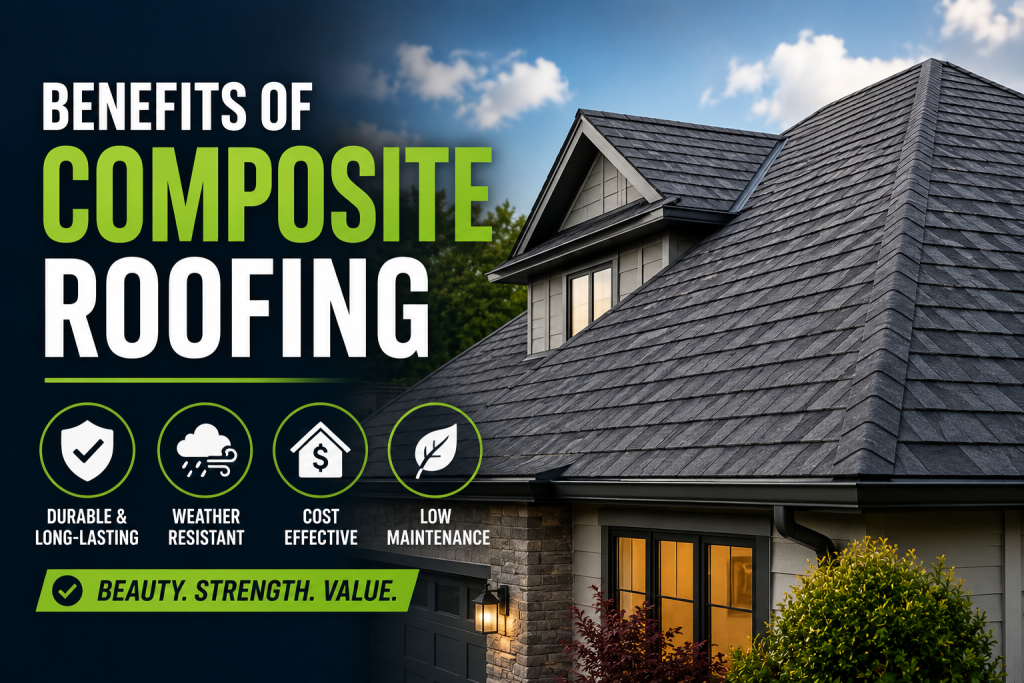
Another advantage is its lightweight construction, which can reduce structural stress compared to natural slate or concrete tile. Many products are also considered eco-friendly roofing solutions because they incorporate recycled content and may reduce material waste over time. Combined with strong curb appeal and long service life, composite roofing provides value that extends well beyond the initial installation.
Why Composite Roofing Performs Well in Extreme Weather
Weather resistance is one of the primary reasons homeowners invest in these roofing systems. Unlike some traditional materials that can crack, warp, or deteriorate over time, engineered products are designed to handle a wide range of environmental conditions. In hurricane-prone states such as Florida, many products in this category are designed to withstand high wind speeds and wind-driven rain. In Texas and other hail-prone regions, impact-resistant options can help reduce damage caused by severe storms. Homeowners in northern states also benefit from improved resistance to snow accumulation and repeated freeze-thaw cycles.
Many manufacturers market their products as durable roofing systems because they are built to maintain structural integrity under demanding conditions. This combination of strength, flexibility, and weather resistance makes composite roofing a practical choice for homeowners seeking long-term protection and lower maintenance requirements regardless of regional climate challenges.
Composite Roofing vs Traditional Roofing Materials
When comparing roofing options, homeowners should evaluate more than just upfront cost. Factors such as lifespan, maintenance requirements, weather resistance, curb appeal, and long-term ownership expenses all influence the overall value of a roofing system. These roofing products are often positioned between premium and conventional roofing materials. They offer many of the visual benefits associated with natural slate and cedar shake while remaining lighter and easier to maintain. Compared to standard asphalt shingles, they typically provide a longer service life and greater resistance to severe weather conditions.
For homeowners researching roofing alternatives, composite products can serve as a middle ground between affordability and premium performance. They deliver a high-end appearance without many of the structural concerns associated with heavier roofing materials, making them an attractive option for both replacement projects and new construction homes.
When Composite Roofing Makes More Sense Than Asphalt Shingles
Asphalt shingles remain the most common roofing material in the United States, but they are not always the best fit for every homeowner. In situations where longevity, curb appeal, and weather resistance are top priorities, these roofing systems may provide greater long-term value. Homeowners planning to stay in their homes for decades often appreciate the extended lifespan and reduced maintenance needs associated with these products. These roofs can also be beneficial in regions that experience severe storms, intense UV exposure, or frequent temperature fluctuations.
Many homeowners evaluating synthetic roofing materials are looking for a product that combines modern performance with the appearance of premium roofing styles. Composite roofing meets that need by offering enhanced durability while closely replicating natural slate, cedar shake, or tile. Although the initial investment is typically higher, the long-term benefits can justify the additional upfront cost.
Composite Roofing Costs in the United States
The cost of these roofing systems varies based on product quality, roof complexity, geographic location, and labor rates. In most markets, homeowners can expect them to cost more than standard asphalt shingles but less than many premium natural roofing materials. For a typical American home, installation costs often depend on roof size, slope, accessibility, underlayment requirements, and local building code considerations.
Homes located in areas with strict wind-resistance standards, such as coastal Florida, may require additional installation measures that increase project costs. While the initial investment may appear higher, these products can offer significant long-term value through reduced maintenance, improved durability, and extended service life. Homeowners should evaluate total ownership costs rather than focusing solely on installation expenses. In many cases, their long lifespan helps offset the higher upfront price over time.
Potential Drawbacks of Composite Roofing
Although these roofing systems offer many advantages, they are not the ideal solution for every homeowner. The most commonly cited drawback is the higher upfront cost compared to traditional asphalt roofing systems. For budget-conscious homeowners, the initial investment may be difficult to justify despite the potential long-term savings. Another consideration is product quality. Not all composite roofing products are manufactured to the same standards, and performance can vary between brands. Homeowners should carefully review warranties, impact ratings, wind ratings, and manufacturer reputations before making a purchase decision.
Installation expertise is also important. These roofing systems should be installed by experienced roofing professionals who understand the manufacturer’s requirements. Improper installation can affect performance, durability, and warranty coverage. Taking time to vet contractors can help homeowners maximize the value and lifespan of their roofing investment.
Questions Homeowners Should Ask Before Choosing Composite Roofing
Before investing in composite roofing, homeowners should gather detailed information from contractors and manufacturers to ensure the product aligns with their goals and local climate conditions. Asking the right questions can help prevent costly surprises later.
Important questions include:
- What is the expected lifespan of the roofing product?
- What wind and impact ratings does it carry?
- Is the product suitable for local weather conditions?
- What warranty coverage is included?
- Has the contractor installed similar roofs before?
- Are replacement materials readily available if repairs are needed?
Homeowners should also request written estimates that clearly separate material and labor costs. Comparing multiple proposals can provide a better understanding of market pricing and installation quality. By thoroughly evaluating options, homeowners can determine whether composite roofing is the best long-term solution for their property and budget.
Is Composite Roofing Right for Your Home?
Composite roofing is often an excellent choice for homeowners who want a balance of durability, aesthetics, and long-term value. It is particularly appealing for those seeking the appearance of premium roofing materials without the weight, maintenance demands, or installation challenges associated with natural slate or cedar shake. Homes located in hurricane-prone coastal regions, hail-prone areas of Texas, or northern states that experience heavy snow can benefit from the enhanced weather resistance offered by many products in this category.
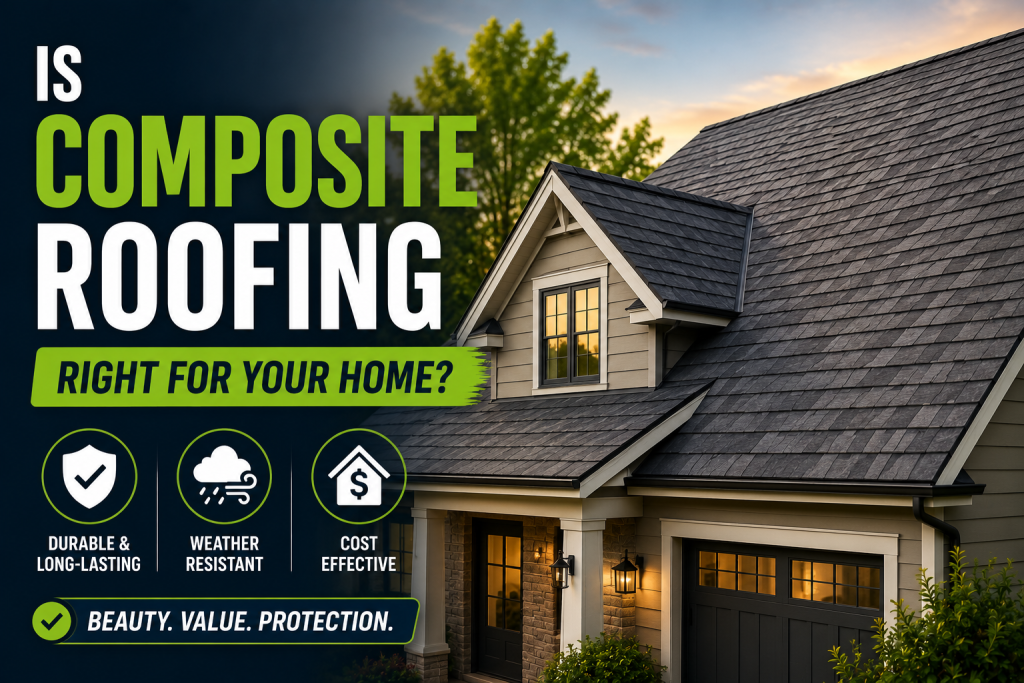
Homeowners focused on curb appeal and resale value may also appreciate the upscale appearance these roofs provide. While these roofing systems require a higher initial investment than some alternatives, many homeowners find that the extended lifespan and lower maintenance needs justify the additional cost. Evaluating your budget, climate conditions, and long-term ownership plans will help determine whether this option is the right fit for your home.
Conclusion
These roofing systems have emerged as a compelling option for homeowners who want the appearance of premium roofing materials without many of the maintenance and structural challenges associated with natural slate, cedar shake, or clay tile. Their combination of durability, weather resistance, and long-term performance makes them an attractive solution for homes across a wide range of U.S. climate regions.
While the upfront cost is typically higher than traditional asphalt shingles, many homeowners find value in the extended lifespan, reduced maintenance requirements, and enhanced curb appeal. Whether you’re planning a roof replacement, building a new home, or exploring long-term exterior upgrades, this option deserves serious consideration.
Frequently Asked Questions
How long does composite roofing last?
The lifespan of composite roofing depends on the manufacturer, product quality, installation standards, and local climate conditions. Many premium products are designed to last several decades when properly installed and maintained. Homeowners should review warranty terms and expected service life before making a purchase decision.
Is composite roofing more expensive than asphalt shingles?
Yes. Composite roofing generally costs more upfront than asphalt shingles. However, many homeowners consider the additional investment worthwhile because of its durability, weather resistance, and longer expected lifespan.
Can composite roofing withstand hail?
Many composite roofing products are engineered to provide strong impact resistance. Some options carry high impact ratings designed to help withstand hailstorms common in states such as Texas, Colorado, and Oklahoma.
Does composite roofing increase home value?
A high-quality roof can improve curb appeal and may positively influence buyer perception. Composite roofing is often viewed as a premium upgrade because of its appearance and long-term performance benefits.
Is composite roofing environmentally friendly?
Many manufacturers incorporate recycled materials into their products, helping reduce landfill waste. Longer product lifespans can also contribute to lower material consumption over time.