

Best Roofing for Energy Efficiency: A Complete Homeowner Guide to Energy-Efficient Roofing
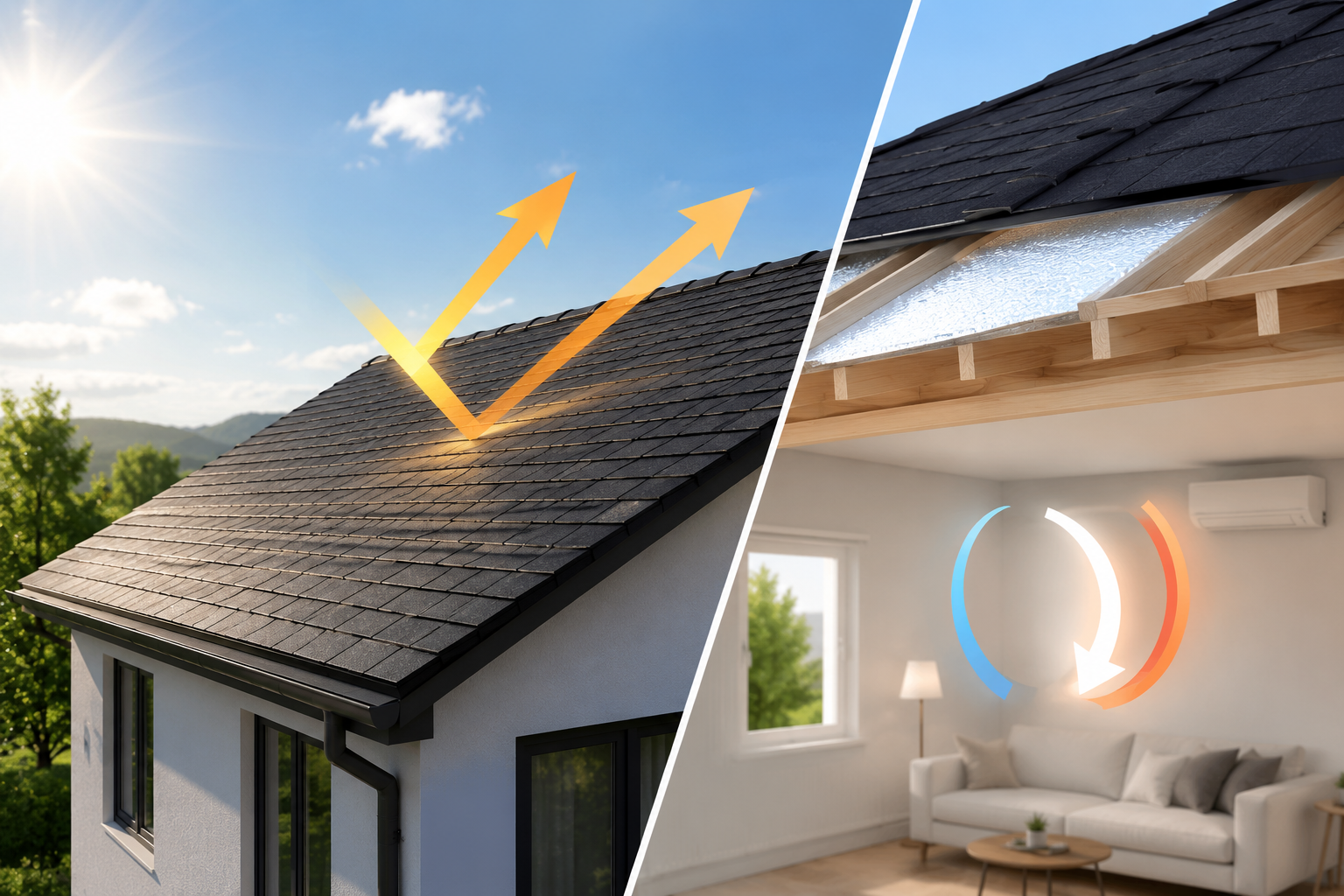
Choosing the best roofing for energy efficiency is one of the most impactful upgrades a U.S. homeowner can make to lower utility costs and improve indoor comfort year-round. In states like Texas, Florida, Arizona, and even increasingly warm Midwestern regions, roof performance directly affects how hard your HVAC system works during peak summer months. Modern roofing systems are no longer just about durability; they are designed to manage heat better, improve insulation performance, and reduce long-term energy costs. Because of these advancements, choosing the right roof has become a practical investment in comfort and efficiency rather than just a cosmetic home upgrade.
From reflective shingles to advanced metal systems and insulated assemblies, today’s roofing options are designed to reduce heat absorption, improve ventilation, and support ENERGY STAR efficiency standards. The right choice depends on climate zone, home structure, and long-term cost expectations, especially when considering resale value and energy bills over time.
What Makes Energy-Efficient Roofing Important for U.S. Homeowners
Understanding energy-efficient roofing starts with how much heat your roof actually absorbs and transfers into your home. In hot U.S. regions like Texas, Arizona, and Florida, standard roofing materials can reach extremely high surface temperatures during summer, forcing air conditioning systems to run longer and consume more electricity. Over time, this significantly increases monthly utility bills and shortens HVAC lifespan. Roofing systems today are built to minimize heat transfer by using reflective surfaces, upgraded insulation layers, and improved ventilation design. This approach goes beyond comfort, fit helps homeowners manage long-term energy costs by reducing how hard heating and cooling systems need to work throughout the year.
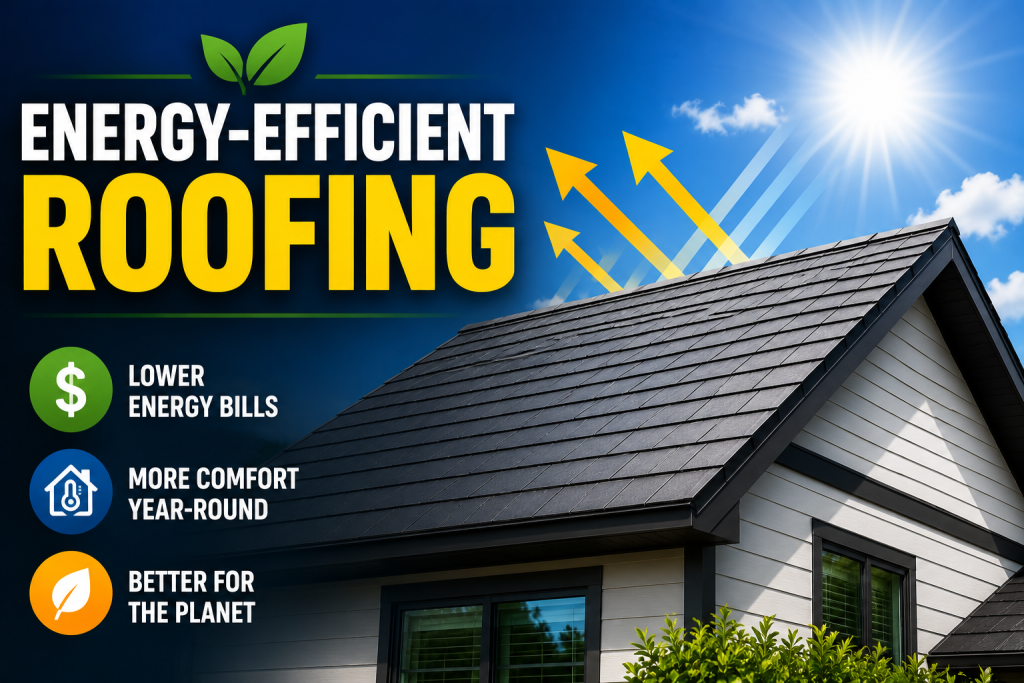
According to the U.S. Department of Energy, cool and reflective roofing systems can lower roof surface temperatures by up to 50°F under intense sunlight. This significant reduction helps keep indoor spaces more stable and reduces stress on air conditioning systems, especially in older homes with weaker attic insulation. As a result, these roofing solutions have become an increasingly important part of modern U.S. home improvement planning, particularly for homeowners looking to reduce monthly energy bills and improve overall property value over time.
Types of Energy-Efficient Roofing Materials That Reduce Utility Bills
When evaluating energy-efficient roofing, homeowners typically compare several material systems based on heat reflection, insulation performance, and long-term durability. Each option performs differently depending on climate conditions, especially across hot southern states versus colder northern regions in the U.S. One of the most popular options is cool roofing materials, which are designed to reflect more sunlight and absorb less heat than traditional asphalt surfaces. These are commonly used in warmer states where reducing cooling costs is a top priority.
Another strong option is reflective roof shingles, which use specialized granules or coatings to improve solar reflectance while maintaining the familiar look of traditional shingles. These are widely used in suburban housing developments where aesthetic consistency matters. Metal systems are also gaining popularity due to metal roofing energy savings, as they naturally reflect solar radiation and cool down faster at night. When combined with proper insulation, they can significantly improve overall building efficiency.
Cool Roof Technology and Solar Reflective Roofing Explained
Modern energy-efficient roofing often relies on advanced surface technology designed to reduce heat absorption at the roof level. One of the most widely used innovations is cool roofing materials, which are engineered with high solar reflectance and thermal emittance properties. These surfaces reflect a larger portion of sunlight instead of converting it into heat, keeping attic and indoor temperatures lower during peak summer conditions. Closely related is solar reflective roofing, which uses specialized coatings or reflective granules to bounce back infrared and ultraviolet radiation. This technology is especially effective in hot and sunny U.S. regions such as Arizona, Nevada, and Southern California, where roof surfaces are exposed to intense sunlight for extended periods.
According to guidance from the EPA, reflective roofing systems can significantly reduce urban heat buildup while improving indoor comfort levels. When combined with proper attic ventilation, these systems help reduce cooling loads and extend HVAC system lifespan. Together, these technologies form a critical foundation of modern energy-efficient roofing strategies focused on lowering long-term energy consumption.
ENERGY STAR Roofing Standards and What They Mean for Efficiency
A major benchmark in energy-efficient roofing is certification under ENERGY STAR roofing guidelines, which help homeowners identify materials that meet strict solar reflectance and thermal performance standards. These standards are especially useful when comparing products that may look similar but perform very differently in real-world conditions. Roofing products that qualify under ENERGY STAR are tested to ensure they reflect more sunlight and reduce heat absorption compared to conventional roofing systems. This directly translates into lower attic temperatures and reduced cooling demand during peak summer months.
The program, supported by the U.S. Department of Energy and the EPA, is widely used across U.S. residential construction as a trusted efficiency benchmark. For homeowners, choosing ENERGY STAR-certified materials is one of the simplest ways to ensure a roofing upgrade delivers real, measurable performance benefits. These materials are tested for efficiency standards that help reduce heat gain and improve overall indoor comfort. They can also support higher resale value, especially in competitive housing markets where buyers increasingly prioritize lower utility costs and energy-smart home features.
Reflective Roof Shingles vs Metal Roofing Energy Savings
When comparing roofing options for improving home energy performance, two of the most common choices U.S. homeowners consider are reflective asphalt shingles and metal roofing systems. Both can help reduce heat gain, but they achieve efficiency in different ways depending on climate, installation quality, and roof design. Reflective roof shingles are designed with coated granules that reduce heat absorption while maintaining the traditional appearance most homeowners prefer. They are widely used in suburban neighborhoods because they blend easily with HOA requirements while still offering moderate cooling improvements. However, their performance can vary based on roof color and product quality.
On the other hand, metal roofing energy savings come from the material’s natural ability to reflect solar radiation and release heat quickly after sunset. This makes metal roofs especially effective in hot, sunny states like Arizona and Texas, where heat buildup is a major concern. When paired with proper insulation, metal systems can significantly reduce cooling demand over time. Both options support energy-efficient roofing, but the best choice depends on budget, aesthetics, and regional climate priorities.
Cost vs Energy Savings: Is Energy-Efficient Roofing Worth It?
For most homeowners considering a roofing upgrade, the key question is whether the higher upfront cost leads to real long-term savings. In the U.S., roofing replacement prices vary based on material type, home size, and labor, but energy-focused systems generally require a larger initial investment than standard asphalt options. The benefit comes over time through reduced cooling demand, especially in hot states like Texas, Florida, and Nevada. Homes with improved roofing systems often see lower monthly energy bills during peak summer months when air conditioning use is at its highest.
Beyond utility savings, these roofing upgrades can also improve property value and market appeal. Buyers today are more aware of energy performance, and homes with lower operating costs tend to attract stronger interest in competitive markets. In many cases, the return on investment improves over the years, especially when the roofing system is paired with proper attic insulation and ventilation. This makes it a practical long-term improvement rather than just a visual upgrade.
Best Roofing Choices by U.S. Climate Zone
Choosing the right roofing system for better home energy performance depends largely on climate conditions, since heat, humidity, snow load, and storm exposure all influence long-term results. Across the U.S., roofing strategies differ significantly between desert regions, coastal areas, and colder northern states. In hot climates like Arizona, Texas, and Southern California, light-colored reflective systems and heat-reducing materials perform best because they limit heat absorption and help lower cooling costs. These regions benefit most from solar-reflective surfaces and metal roofing options that release heat quickly after sunset.
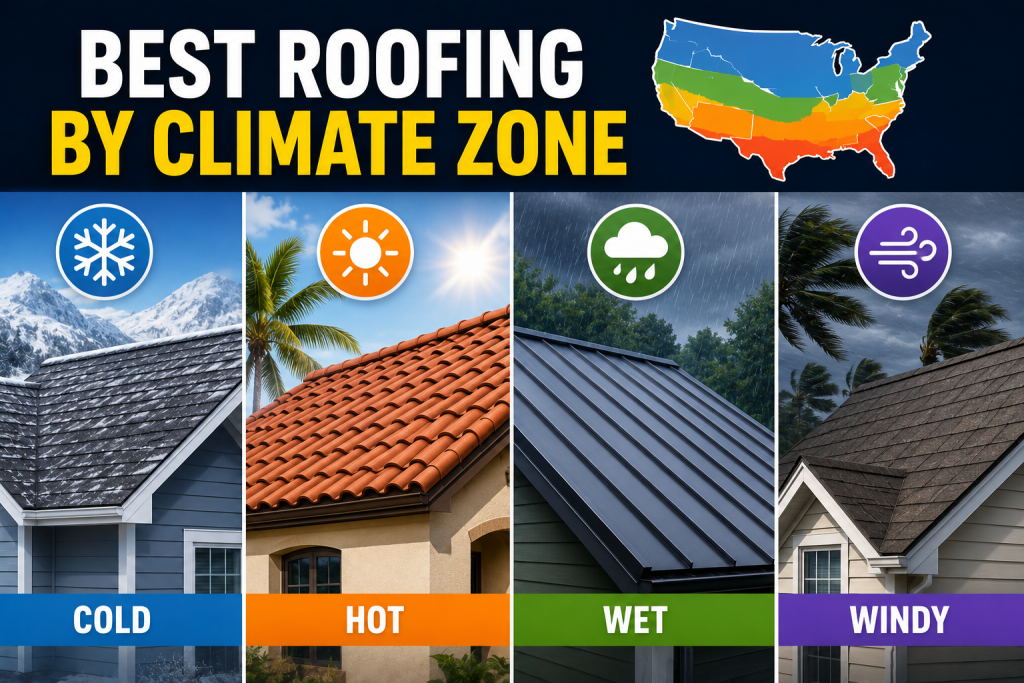
In colder regions such as the Midwest and Northeast, insulation plays a more important role in retaining indoor heat during long winter seasons. Here, the focus shifts more toward thermal efficiency and reducing heating demand rather than just reflecting sunlight. Coastal areas like Florida and the Gulf Coast require roofing that can handle both energy performance and storm resistance. Impact-rated shingles and reinforced metal systems are often preferred due to hurricane exposure. Across all regions, proper ventilation and insulation remain essential for maximizing overall efficiency and long-term performance.
Installation and Contractor Considerations for Energy-Saving Roof Materials
Even the best roofing materials designed for improved home energy performance can still fail to deliver their full benefits if they are not installed correctly. Proper installation is just as critical as selecting the right material, because the overall efficiency of a roof system depends on how well every component works together in real conditions. When working with energy-saving systems, homeowners should prioritize contractors familiar with energy-saving roof materials and modern efficiency standards. This includes understanding correct nail patterns, reflective coating application (for reflective systems), and ensuring ridge and soffit ventilation meet code requirements.
Compliance with the International Residential Code (IRC) is also critical, as it sets minimum standards for roofing safety and performance across the U.S. In many states, especially those with extreme climates, inspectors also evaluate energy performance alignment with local building codes. Choosing certified installers from major manufacturers like GAF or Owens Corning can significantly improve long-term roof performance and reliability. Proper installation ensures the system functions as intended, supporting better durability, indoor comfort, and consistent energy savings over time.
Conclusion
Choosing the best roofing for energy efficiency is about more than just reducing monthly utility bills, it is a long-term investment in home comfort, HVAC performance, and property value. Modern solutions such as reflective shingles, cool roof systems, and metal roofing help reduce heat absorption, improve indoor temperature control, and lower energy consumption throughout the year. The most effective option depends on your climate, budget, and home design, but pairing energy-efficient materials with proper insulation and ventilation delivers the strongest results. For homeowners across the United States, especially in warmer regions where cooling costs are a major expense, upgrading to an energy-efficient roofing system can provide measurable savings while enhancing overall home performance. By selecting quality materials, meeting ENERGY STAR standards, and working with experienced roofing contractors, homeowners can maximize both energy efficiency and long-term return on investment.
FAQs About Energy-Efficient Roofing
What is the most energy-efficient roofing material?
The most effective energy-efficient roofing materials typically include metal roofing systems and high-performance reflective shingles. Metal performs especially well in hot states like Texas and Arizona, while reflective shingles are popular in suburban neighborhoods due to their balanced cost and appearance.
Does metal roofing really save energy?
Yes. Metal roofing can deliver measurable metal roofing energy savings because it reflects solar radiation and cools down faster after sunset. When combined with proper insulation, it reduces cooling loads significantly in warm climates.
Are ENERGY STAR roofs worth it?
Yes. ENERGY STAR roofing products meet strict efficiency standards set by the ENERGY STAR and supported by the U.S. Department of Energy. These systems help reduce energy consumption and improve home comfort.
How long does energy-efficient roofing last?
Most modern energy-efficient roofing systems last between 20–50 years depending on material type, installation quality, and maintenance. Metal systems typically last the longest, while high-quality shingles offer strong mid-range durability.