


What Does Front Yard Landscaping Cost in 2026?
The average front yard landscaping cost in 2026 typically ranges from $3,500 to $18,000+ for U.S. homeowners, although premium projects can exceed that range depending on materials, labor, and design complexity. Simple refresh projects with lawn improvements, mulch beds, and seasonal planting often remain on the lower end, while complete redesigns that include stonework, irrigation, lighting, and grading increase overall investment. Location continues to be one of the biggest pricing factors. Homeowners in states such as Texas, Florida, and California often see different labor and material costs compared with Midwest or Northeast markets. Climate conditions also influence project scope, drought-tolerant landscapes in Arizona look very different from moisture-heavy designs common in the Pacific Northwest.
Most homeowners should think of landscaping as a long-term exterior upgrade rather than a cosmetic expense. A well-designed front yard can improve first impressions, reduce ongoing upkeep, support better water efficiency, and strengthen overall property appeal. Before requesting estimates, define goals around appearance, maintenance expectations, and budget flexibility to avoid unnecessary upgrades.
Average Front Yard Landscaping Cost Per Square Foot
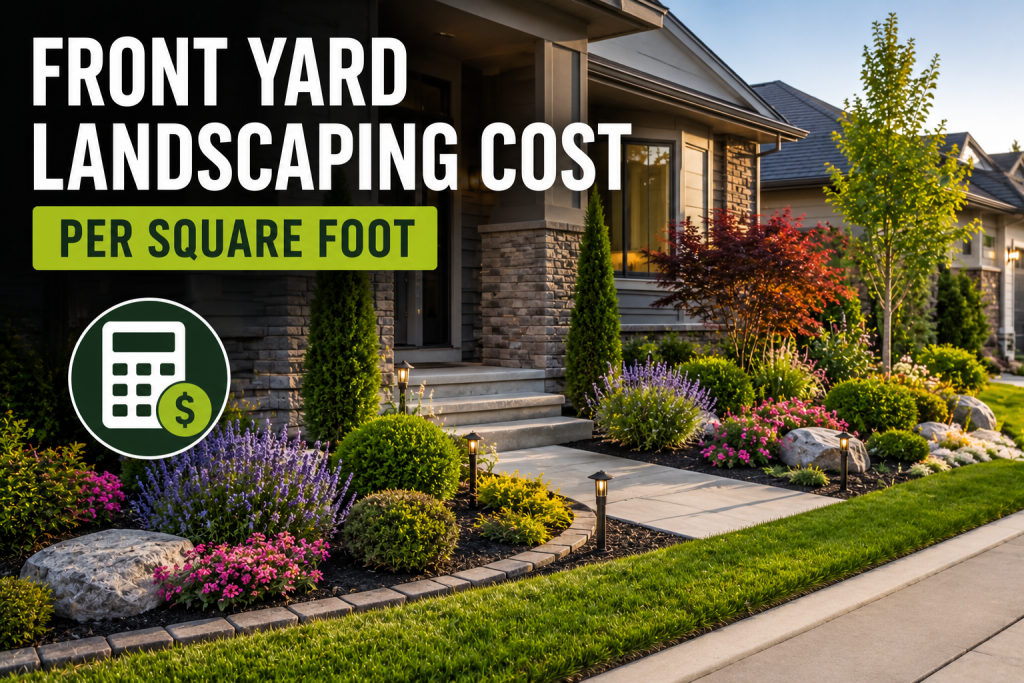
One of the easiest ways to estimate front yard landscaping cost is by evaluating pricing per square foot instead of focusing only on the total project estimate. In 2026, most U.S. front yard landscaping projects typically range from $5 to $30 per square foot, depending on design complexity, site conditions, materials, and installed features.
Small Front Yards (Under 1,000 Square Feet)
Smaller properties usually require lower material quantities and shorter installation timelines. Basic lawn upgrades, mulch areas, edging, and plant beds often stay within the lower end of the range.
Medium-Size Suburban Front Yards (1,000–2,500 Square Feet)
This is the most common category for U.S. homeowners. Costs increase when projects include walkways, irrigation, decorative stone, or upgraded planting layouts.
Large Front Yards (2,500+ Square Feet)
Larger landscapes benefit from scale but can become expensive when grading, retaining features, drainage improvements, or custom hardscaping are added. Homeowners should remember that square-foot pricing is only a starting benchmark. Contractor availability, regional labor rates, HOA requirements, and site accessibility often affect final numbers more than yard size alone.
What Impacts Front Yard Renovation Cost?
Several variables determine the final front yard landscaping cost, which is why two homes with similar square footage can receive very different estimates. Understanding these factors helps homeowners create a realistic budget, compare project options more effectively, and prioritize upgrades that deliver the strongest long-term value.
Property Size and Existing Conditions
Larger lots usually require more labor, materials, and preparation work. Existing drainage issues, uneven grading, tree removal, or damaged lawn areas can increase costs before visible improvements even begin.
Material Selection
Premium stone, decorative concrete, mature trees, and custom lighting systems raise budgets quickly. More affordable choices such as mulch, native plants, and simplified planting layouts can reduce upfront spending while maintaining visual impact.
Labor and Installation Complexity
The overall front yard renovation cost often increases when projects involve excavation, irrigation, retaining walls, or multiple specialty crews. Complex installations typically require more planning and longer completion timelines.
Regional Climate and Local Demand
Landscaping expectations vary across the U.S. Drought-resistant layouts are increasingly common in Arizona and Southern California, while northern climates often prioritize drainage solutions and seasonal durability. Local labor demand and contractor availability also play an important role in overall front yard landscaping cost. For most homeowners, balancing appearance, maintenance expectations, and long-term ownership costs creates a more efficient investment and supports stronger long-term value.
Front Yard Landscaping Cost by Project Type
Project scope has a bigger impact on front yard landscaping cost than most homeowners expect. Instead of evaluating a single total estimate, break expenses into individual upgrades to understand where the budget is allocated and which improvements will create the strongest visual and functional impact.
Lawn Replacement
Replacing worn grass with new sod, seed, or drought-tolerant alternatives is often one of the fastest ways to refresh a property’s appearance. Costs vary based on preparation work, irrigation changes, and material selection.
Walkways and Entry Paths
Concrete, pavers, natural stone, and decorative borders can dramatically change the look of a home. These upgrades usually increase labor requirements but improve functionality and appearance.
Planting Beds and Landscape Design
Adding layered planting areas, shrubs, native species, and seasonal color creates visual depth while helping define the front elevation.
Outdoor Lighting and Irrigation
Lighting improves nighttime visibility and highlights architectural features, while irrigation supports healthier plant growth and more efficient water use. Overall front yard makeover cost rises as additional features are combined into one project. Homeowners often achieve better results by prioritizing foundational improvements first and adding premium elements in future phases.
Professional Landscaping Prices vs DIY
Choosing between a DIY approach and hiring a contractor can significantly affect project costs, timelines, and long-term results. The right option depends on project complexity, available time, and the homeowner’s comfort level with exterior work.
When DIY Makes Sense
DIY landscaping can work well for smaller upgrades such as planting beds, seasonal flowers, mulch installation, edging, or basic lawn improvements. Homeowners who already own tools and prefer gradual upgrades may keep costs lower while spreading spending over time.
When Hiring Professionals Delivers Better Value
Larger projects involving grading, irrigation, drainage correction, lighting systems, stonework, or structural features usually benefit from professional installation. While professional landscaping prices are higher upfront, experienced crews often reduce costly mistakes and complete projects faster. Contractors can also help navigate local permit requirements, HOA guidelines, material sourcing, and climate-specific planning. This becomes especially valuable in regions exposed to heavy rainfall, drought conditions, or seasonal freeze-thaw cycles, where professional planning can help control overall front yard landscaping cost. For many homeowners, a hybrid approach delivers the best balance, manage smaller cosmetic upgrades independently while outsourcing technical, specialized, and labor-intensive work.
Best Low-Maintenance Front Yard Ideas to Reduce Front Yard Landscaping Cost
A well-designed landscape should enhance appearance without creating constant weekend maintenance. For many U.S. homeowners, reducing water use, limiting seasonal upkeep, and lowering operating expenses has become just as important as managing overall front yard landscaping cost and achieving long-term value.
Use Native and Climate-Adapted Plants
Native landscaping helps reduce watering, fertilizing, and replacement costs. Homeowners in Texas, Arizona, and parts of California increasingly choose regional plant varieties that perform well with less intervention.
Create Defined Mulch and Stone Zones
Mulch beds and decorative stone areas suppress weeds and reduce the amount of turf that requires mowing. These upgrades also create cleaner visual lines around entrances and walkways.
Reduce Lawn Footprint
A thoughtfully planned low-maintenance front yard often replaces portions of traditional grass with planting beds, ground cover, or drought-tolerant materials. This approach can lower annual upkeep while maintaining a polished appearance.
Install Efficient Irrigation
Modern irrigation systems and smart watering schedules help improve water efficiency and protect landscape investments over time. When planned correctly, lower-maintenance landscapes can reduce ownership costs while preserving strong visual impact and long-term curb appeal.
How Landscaping Improves Curb Appeal and Home Value
Landscaping is often one of the first upgrades buyers notice when evaluating a property. A clean, organized front yard creates a stronger first impression and can influence perceived home value before anyone walks through the front door. Strategic improvements focused on curb appeal landscaping can make a property feel newer, better maintained, and more inviting. Defined planting areas, healthy lawn coverage, balanced hardscaping, and coordinated exterior elements all contribute to stronger visual presentation.
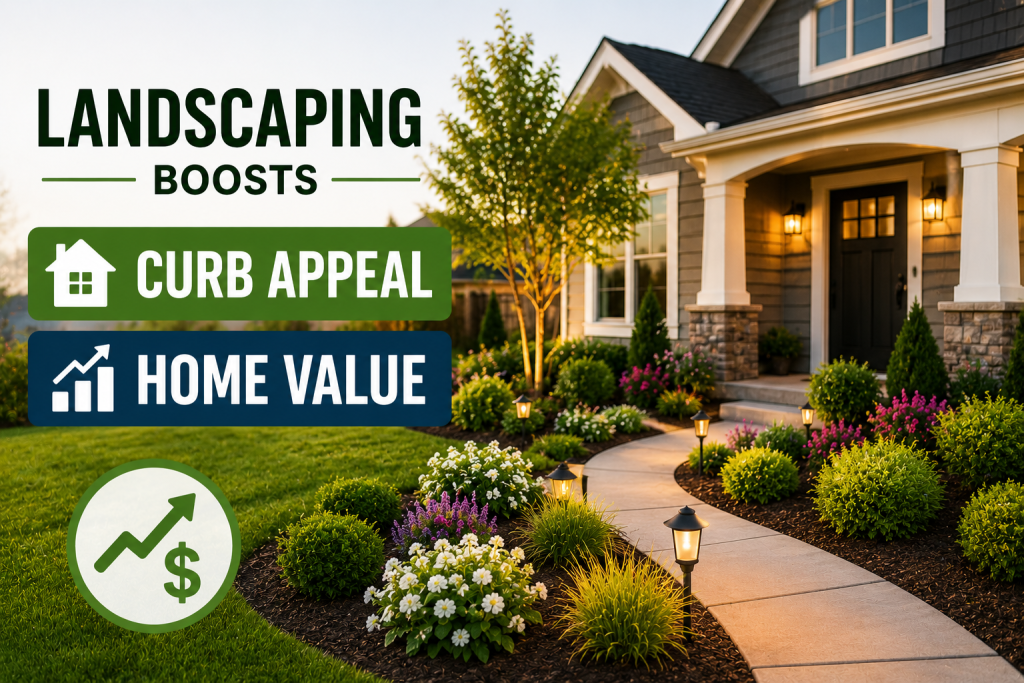
Landscaping also provides functional benefits beyond appearance. Shade trees may improve outdoor comfort, irrigation upgrades can increase water efficiency, and lower-maintenance layouts may appeal to buyers seeking reduced upkeep while helping support long-term front yard landscaping cost efficiency. For homeowners planning to sell within the next few years, prioritize upgrades that have broad appeal instead of highly customized designs. Neutral planting palettes, durable materials, and tidy entry pathways generally perform well across most U.S. markets. The strongest results usually come from aligning appearance, usability, and maintenance expectations rather than simply increasing project spending.
How to Budget Your Front Yard Project in 2026
Creating a realistic budget starts with identifying priorities before selecting materials or requesting bids. Many homeowners overspend because they plan around inspiration photos instead of defining functional goals and long-term ownership costs. Start by separating improvements into three categories:
- Must-have upgrades (grading, drainage, safety issues)
- Appearance upgrades (planting, edging, lighting)
- Future upgrades (decorative features and premium finishes)
Request multiple estimates to compare project scope, labor assumptions, and timelines—not just final pricing. Total landscaping installation cost and overall front yard landscaping cost can vary based on contractor availability, material lead times, project complexity, and regional demand. It is also smart to reserve 10–20% of the budget for unexpected conditions such as soil correction, utility adjustments, irrigation changes, or site preparation.
If your project includes several upgrades, completing work in phases often produces better financial outcomes than doing everything at once. This approach helps maintain flexibility while improving the front yard over time. A well-planned landscape budget should balance immediate visual improvements with lower maintenance and stronger long-term property value.
Conclusion
Planning a front yard project in 2026 is less about pursuing the biggest transformation and more about making intentional upgrades that align with your home, local climate, and long-term goals. While front yard landscaping cost can vary widely based on yard size, materials, labor availability, and project scope, thoughtful planning helps homeowners avoid unnecessary expenses. The most successful landscapes combine visual appeal with practicality. Prioritizing drainage, durable materials, efficient irrigation, and manageable plant selections often delivers stronger long-term value than focusing only on appearance.
Whether you are updating existing landscaping or planning a complete redesign, begin with a realistic budget and complete improvements in phases when necessary. Smaller, strategic upgrades can still create noticeable results. A well-designed front yard does more than improve appearance, it enhances daily enjoyment, strengthens property presentation, and helps homeowners invest more confidently in their exterior spaces.
Frequently Asked Questions
How much does front yard landscaping cost in 2026?
Most U.S. homeowners should expect front yard landscaping cost to range from a few thousand dollars for cosmetic upgrades to substantially more for full redesign projects. Final pricing depends on labor, materials, property conditions, regional demand, and overall project complexity. Setting aside a contingency reserve can help reduce unexpected expenses and improve budget planning.
Is landscaping worth it before selling a home?
In many cases, yes. Exterior upgrades often improve first impressions and can make a property feel more maintained. Focus on improvements that appeal to a broad range of buyers rather than highly personalized designs.
What costs the most in landscaping?
Hardscape elements such as retaining walls, stone walkways, grading work, irrigation systems, and custom outdoor features often represent the largest portion of project spending. Labor and site preparation also contribute heavily to total costs.
How much does professional landscaping usually cost?
Average costs vary widely depending on project scope and location. Simple refresh projects may stay relatively affordable, while larger redesigns with structural features increase investment. Comparing multiple bids helps homeowners understand local pricing expectations.
What is the biggest mistake homeowners make during landscaping projects?
One of the most common mistakes is prioritizing appearance before solving foundational issues such as drainage, grading, or maintenance planning. Long-term performance usually delivers better value than short-term visual upgrades.
Should front yard landscaping be completed all at once?
Not necessarily. Many homeowners achieve better results by completing projects in stages. Prioritizing foundational work first allows future upgrades to integrate more efficiently and protects the overall investment.