


Complete Guide to Interior House Painting for American Homeowners
Starting an interior house painting guide project is not just about picking interior painting colors and applying them to walls; it’s a structured process that combines planning, preparation, and design awareness. Most painting issues in American homes don’t come from poor application, but from skipping early-stage decisions that affect the entire outcome. The first thing homeowners should understand is that interior painting is a system, not a single task. A reliable residential painting lead always begins with evaluating the condition of the space. Wall texture, previous paint layers, moisture exposure, and lighting conditions all influence how new paint will behave once applied.
Equally important is defining the goal of the project. Some homeowners are focused on updating aesthetics with modern home interior paint ideas, while others are preparing a property for resale and need neutral, widely appealing tones. These goals change everything, from color selection to finish type and even application method. Preparation also plays a critical role. Cleaning walls, repairing imperfections, and selecting the right primer ensures that the final finish is smooth and durable. Skipping these steps often leads to uneven coverage and early paint failure, even when high-quality products are used. Finally, timing and planning matter. Temperature, humidity, and room usage patterns all affect drying time and final appearance. A well-structured fence painting guide accounts for these factors before a single brush touches the wall.
Essential Interior House Painting Guide Tips for Beginners
When following an interior house painting guide, the difference between an average result and a professional-looking finish often comes down to applying the right interior painting tips from the start. Even simple adjustments in technique and preparation can significantly improve coverage, durability, and overall appearance. One of the most important room painting tips is always to prioritize surface preparation. Walls should be cleaned to remove dust, grease, and marks that can prevent paint from adhering properly. Small cracks, nail holes, and dents should be patched and sanded smooth so the surface is even before any paint is applied. Another key step is properly protecting the space. Using painter’s tape around trim, ceilings, and baseboards ensures clean, sharp edges.
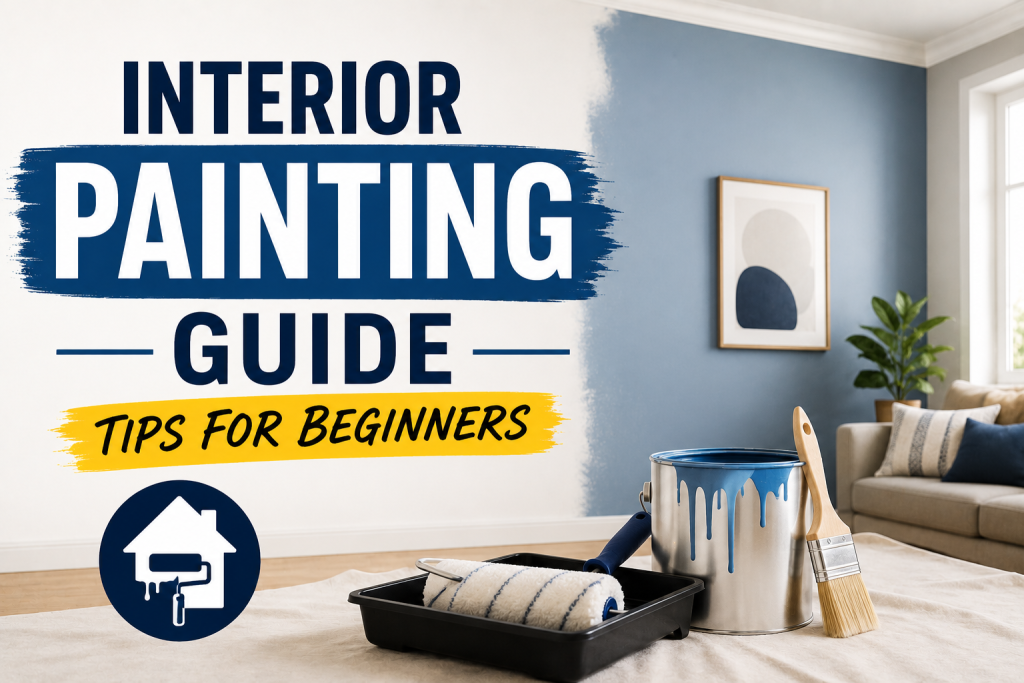
Drop cloths should also be used to protect flooring and furniture, especially in larger spaces where splatter risk increases during rolling and cutting-in. Application technique also matters. Instead of applying thick coats, use multiple thin layers of paint. This improves adhesion, reduces streaks, and creates a more uniform finish across different lighting conditions, an important factor in any fence painting guide. Finally, maintaining good lighting while painting helps identify missed spots or uneven coverage early. This is especially important when working with lighter interior painting colors, where imperfections are more visible once dry.
Choosing the Right Interior House Painting Guide Colors for Your Home
Selecting interior paint colors is one of the most important decisions in any interior house painting guide, because color sets the tone for how a home feels, functions, and flows from room to room. The right choice goes beyond preference; it must work with lighting, layout, and long-term usability. A smart starting point is to consider how each space is used. Bedrooms often benefit from softer, more calming tones, while kitchens and living areas can handle brighter or more energetic palettes. This is where thoughtful home interior paint thoughts help align color with daily function rather than just visual appeal.
Lighting conditions should always guide final decisions. Natural light can make colors appear lighter and more vibrant, while artificial lighting can shift undertones significantly. A shade that looks neutral in a store may appear warmer or cooler once applied at home, which is why testing is essential before committing. Neutral palettes remain the most reliable option in a residential painting lead, especially for homeowners thinking about resale or long-term flexibility. Soft whites, warm beiges, and light grays create a balanced foundation that adapts easily to changing furniture and décor styles. Ultimately, choosing the right color is about creating consistency, comfort, and visual harmony throughout the home.
Home Interior Paint Styles for Modern Spaces
When building a practical interior house painting guide, exploring home interior paint thoughts helps homeowners move beyond basic color selection and toward more intentional design choices that support modern living styles. One of the most popular approaches today is the use of layered neutrals. Instead of relying on a single flat color throughout the home, many designers combine soft whites, warm grays, and muted beige tones to create subtle depth while maintaining cohesion. This strategy works especially well in open-concept layouts where visual flow is essential.
Accent walls are another effective design tool. A single darker or more saturated wall can add contrast and focal interest without overwhelming the space. This is commonly used in living rooms, bedrooms, and entryways to introduce personality while still keeping the overall palette balanced and flexible. Texture also plays an important role in modern interiors. Matte finishes create a soft, contemporary look, while eggshell or satin finishes add slight reflectivity that enhances durability and light interaction. These choices influence how interior painting colors behave once applied. Overall, modern paint strategies focus less on bold statements and more on creating calm, adaptable environments that evolve with furniture, lighting, and lifestyle changes over time.
Step-by-Step Fence Painting Guide for American Homes
A successful interior house painting guide depends on following a clear, structured process that turns raw walls into a clean, durable, and visually consistent finish. A proper fence painting guide is less about speed and more about doing each stage correctly so the final result lasts for years. The first step is preparation. Walls should be cleaned thoroughly to remove dust, oils, and stains that can prevent proper adhesion. Any holes, cracks, or surface imperfections should be filled, sanded, and smoothed. This foundation step is critical because even high-quality paint will not perform well on a poorly prepared surface.
Next comes priming. Primer helps seal the wall, improves paint adhesion, and ensures consistent color coverage, especially when transitioning between different interior painting colors or covering darker shades. Skipping this step often leads to uneven tones and increased paint usage. Once the surface is ready, painting begins with cutting in edges using a brush around ceilings, corners, and trim. This is followed by rolling larger wall sections in consistent overlapping strokes to maintain even texture and coverage. Finally, a second coat is applied after the first has fully dried. This improves durability, depth of color, and overall finish consistency, which is essential in any professional-level residential painting lead.
Room Painting Strategies for Better Coverage and Finish
When following a structured interior house painting guide, applying the right room painting strategies can significantly improve how evenly paint lays on the wall and how professional the final finish appears. Each room behaves differently depending on size, lighting, and surface condition, so technique matters just as much as product choice. One of the most effective practices is maintaining a wet edge while painting. This means working in manageable sections and blending each new stroke into the previous one before it dries. This helps prevent lap marks and ensures consistent coverage across larger surfaces, especially in open layouts.
Lighting is another critical factor. Good visibility allows you to spot thin areas, streaks, or uneven roller texture while the paint is still workable. This is especially important when applying lighter interior painting colors, where imperfections are more noticeable under natural or artificial light. Temperature and airflow also affect results. Rooms that are too humid or poorly ventilated can slow drying times and impact how evenly the paint cures. Proper ventilation helps maintain consistent finish quality and supports long-term durability. Finally, using the correct roller nap for your wall texture ensures optimal paint distribution. Smooth walls require shorter naps, while textured surfaces need thicker rollers for full coverage and even application.
Do It Yourself interior painting vs Hiring Professionals
In any practical interior house painting guide, one of the most important decisions homeowners face is whether to take on DIY interior painting or hire professional painters. Both options can deliver good results, but they differ significantly in time, effort, cost, and finish quality. DIY painting is often chosen for budget control and flexibility. Homeowners can move at their own pace, experiment with interior painting colors, and complete projects room by room. However, achieving a consistent, professional finish requires proper tools, preparation knowledge, and experience with techniques like cutting in and rolling evenly across large surfaces.
Hiring professionals offers a different level of efficiency and precision. Experienced painters follow a structured residential painting guide, including surface prep, priming, and controlled application methods that reduce visible imperfections. This is especially valuable for larger homes, high ceilings, or complex layouts where consistency matters. Time is another major factor. A DIY project can stretch over several weekends depending on experience, while professional crews can often complete the same work in a fraction of the time with more predictable results. Ultimately, the choice depends on whether the homeowner prioritizes cost savings or a faster, more refined finish.
How to Plan Your Interior Painting Project Like a Professional?
Before starting any interior house painting guide project, proper planning is what separates a smooth, efficient job from a stressful, time-consuming one. Professionals treat painting as a sequence of decisions, not a single task, and this approach leads to better results and fewer mistakes.
Interior house painting guide: Define the Scope of Your Project First
Start by identifying which rooms will be painted and whether you’re doing a full-home refresh or a single-space update. This helps determine paint quantity, timeline, and whether Do It Yourself interior painting is realistic or if professional help is needed.
Choose interior painting colors Early
Selecting interior painting colors early in the process prevents delays and ensures all materials align with your design direction. Consider lighting, room function, and existing décor before finalizing your palette to avoid last-minute changes.
Create a Realistic Timeline
A proper residential painting lead accounts for prep time, drying time between coats, and potential touch-ups. Rushing the process often leads to uneven finishes and reduced durability, especially in high-traffic areas.
Gather Tools and Materials Before Starting
Having all supplies ready rollers, brushes, tape, drop cloths, and primer keeps the workflow efficient and reduces interruptions once painting begins.
Test Paint in Real Conditions
Always sample colors on actual walls before committing. This ensures your home interior paint thoughts translate correctly under real lighting conditions and helps avoid costly repainting later.
Residential Painting Lead: Tools, Prep, and Techniques
A successful interior house painting guide relies heavily on having the right tools, thorough preparation, and consistent application techniques. Even high-quality interior painting colors can fail to deliver a clean finish if the basics are not handled correctly. The essential tools for any residential painting lead include high-quality rollers, angled brushes for cutting in edges, extension poles for ceilings and tall walls, painter’s tape, drop cloths, and a sturdy paint tray. Using professional-grade tools helps reduce streaks, improve coverage, and ensure more even application across different wall surfaces. Preparation is equally important. Walls should be cleaned to remove dust, grease, and residue that can affect adhesion. Any holes or imperfections should be patched and sanded smooth.
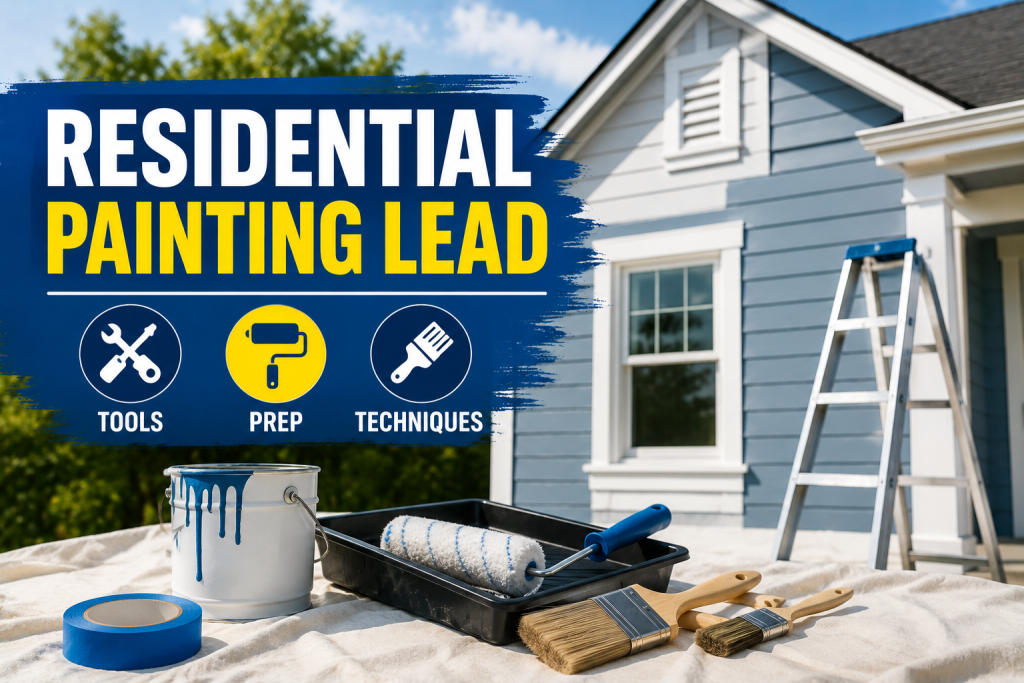
This step ensures that the paint bonds properly and results in a more uniform finish, especially under varying lighting conditions. Technique also plays a major role. Applying paint in overlapping strokes while maintaining a wet edge helps avoid visible lap marks. Consistency in pressure and direction ensures a smoother finish and better color uniformity across large surfaces. Finally, allowing proper drying time between coats is essential for durability and long-term performance. Rushing this step can lead to uneven texture and reduced paint quality over time.
Common Interior Painting Mistakes
Even with a solid interior house painting guide, many homeowners still run into issues that affect the final finish, durability, and overall appearance of their walls. Understanding these mistakes early can help you avoid costly rework and achieve more professional results.
- One of the most common mistakes is skipping proper surface preparation. Failing to clean, patch, and sand walls can lead to poor adhesion and visible imperfections. This step is essential in any reliable residential painting lead because it directly impacts how smooth and long-lasting the finish will be.
- Another frequent issue is choosing the wrong tools or low-quality materials. Cheap brushes and rollers can leave streaks, lint, or uneven texture, especially when working with lighter interior house painting guides that highlight surface flaws more easily.
- Rushing the process is also a major problem. Applying a second coat before the first one is fully dry can cause streaking, uneven sheen, or peeling over time. Proper drying time is critical for achieving a durable and consistent finish.
- Incorrect color selection without proper testing is another mistake. Without evaluating samples under real lighting conditions, homeowners may end up with shades that look very different once applied across full walls.
Finally, poor masking and protection can lead to paint splatter on trim, flooring, and fixtures, adding unnecessary cleanup and reducing the overall quality of the project.
Final Thoughts
A successful interior house painting guide ultimately comes down to preparation, patience, and understanding how each step affects the final result. Painting a home is not just a cosmetic update; it’s a structured process that combines design decisions with practical execution. From selecting interior painting colors to applying the final coat, every stage plays a role in the overall quality of the finish. When homeowners follow proper interior house painting tips, they reduce mistakes, improve consistency, and achieve a more polished result that lasts longer. One of the most important takeaways is that planning matters as much as painting. A well-thought-out wall painting guide considers surface preparation, lighting conditions, room function, and timing before any paint is applied. This helps avoid common issues like uneven coverage or unexpected color shifts. Whether you choose Do It Yourself interior painting or hire professionals, the goal remains the same: a clean, durable, and visually balanced interior that enhances both comfort and home value. By approaching the process with structure and awareness, homeowners can transform any space confidently while ensuring the results align with both personal style and long-term goals.
Frequently Asked Questions
What is the best way to start an interior house painting guide project?
The best way to start an interior house painting guide project is with planning and surface preparation. This includes cleaning walls, repairing damage, selecting interior painting colors, and gathering all necessary tools before any paint is applied.
How do I choose the right interior painting colors?
Choosing interior painting colors depends on room function, lighting, and existing décor. Testing samples on walls under real lighting conditions is essential before making a final decision, especially in rooms with strong natural or artificial light.
What are the most important interior house painting tips for beginners?
Key interior house painting tips include preparing surfaces properly, using quality rollers and brushes, applying thin even coats, and allowing proper drying time between layers for a smooth and durable finish.
Is Do It Yourself interior painting a good idea?
Do It Yourself interior painting can be a good option for smaller projects or budget-conscious homeowners. However, it requires time, patience, and proper technique to achieve results similar to a professional finish.
What is included in a residential painting lead?
A residential painting lead typically includes surface preparation, priming, paint application techniques, tool selection, color planning, and post-paint cleanup steps for a complete interior project workflow.