


Cost to Replace Kitchen Cabinets in 2026: Complete Guide for Homeowners
Understanding the true kitchen cabinet replacement cost is essential for homeowners planning a kitchen renovation in 2026. Cabinets are often one of the most expensive components of a kitchen remodel, making it important to understand how material choices, labor rates, cabinet styles, and installation requirements affect the final budget. Proper planning can help homeowners avoid unexpected expenses and make informed purchasing decisions.
Whether you’re replacing outdated cabinets, improving storage, or upgrading to a more modern design, knowing what influences cabinet replacement cost can make the renovation process much smoother. This guide explores the major pricing factors, compares different cabinet options, and provides budgeting insights to help homeowners estimate costs and maximize the value of their investment.
What Impacts Kitchen Cabinet Replacement Costs?
Several factors influence the total cost of replacing kitchen cabinets, and understanding these variables can help homeowners build a more accurate renovation budget. While cabinet style and material selection are major considerations, labor costs and project complexity also play significant roles in determining the final price. One of the biggest factors is cabinet type. Stock cabinets are generally the most affordable option, while semi-custom and custom cabinets offer greater design flexibility at higher price points.

Material choices such as solid wood, plywood, MDF, and laminate can also significantly affect costs. In addition, larger kitchens require more cabinetry, which increases both material and installation expenses. Labor, demolition, disposal of old cabinets, hardware upgrades, and any necessary plumbing or electrical modifications can further impact the overall kitchen cabinet replacement cost. Homeowners should evaluate all of these elements carefully to create a realistic budget and avoid unexpected financial surprises during the renovation process.
Average Kitchen Cabinet Replacement Cost in 2026
The average kitchen cabinet replacement cost in 2026 will depend on factors such as kitchen size, cabinet quality, labor rates, and geographic location. Homeowners replacing cabinets as part of a larger remodel should also account for related expenses such as hardware upgrades, countertop adjustments, and installation services. Budget-friendly projects that use stock cabinets generally require a smaller investment, while homeowners choosing premium materials, custom layouts, and specialty storage features can expect significantly higher costs.
Regional labor rates across the United States may also influence pricing, particularly in high-demand metropolitan areas where contractor costs are often higher. Although national averages provide a useful starting point, every project is unique. Obtaining multiple contractor quotes and comparing material options can help homeowners establish realistic expectations. Understanding the typical kitchen cabinet replacement helps with better financial planning and helps prevent budget overruns during the renovation process.
Stock Cabinets Worth: Budget-Friendly Options
For homeowners seeking an affordable cabinet upgrade, understanding stock cabinets cost is an important part of the decision-making process. Stock cabinets are pre-manufactured in standard sizes and styles, making them one of the most economical options available for kitchen renovations. Because they are mass-produced, they are often readily available and can help reduce project timelines. Stock cabinets are a practical choice for homeowners who want to refresh their kitchen without investing in extensive customization.
They come in a variety of finishes, colors, and designs, allowing homeowners to improve aesthetics in a controlled budget. Many major retailers also offer stock cabinet lines that provide solid functionality at competitive prices. While stock cabinets may have fewer customization options than semi-custom or custom alternatives, they can significantly lower the overall kitchen cabinet replacement cost. For budget-conscious homeowners, stock cabinets often provide an excellent balance between affordability, appearance, and everyday performance.
Semi Custom Cabinets Cost Explained
Understanding the semi custom cabinets price category is important for homeowners who want more design flexibility without paying the premium associated with fully custom cabinetry. Semi-custom cabinets offer a middle ground between stock and custom options, allowing for modifications in dimensions, finishes, storage features, and design details. Many homeowners choose semi-custom cabinets because they provide greater personalization while remaining more budget-friendly than fully custom solutions.
Options such as pull-out shelves, soft-close drawers, specialty organizers, and upgraded door styles can help improve functionality and appearance. This flexibility makes semi-custom cabinets a popular choice for kitchen remodels focused on both style and practicality. Although semi-custom cabinets typically cost more than stock products, they can deliver significant value by offering additional customization without dramatically increasing the overall kitchen cabinet replacement cost. For many homeowners, this balance between affordability and personalization makes semi-custom cabinetry an attractive renovation investment.
Custom Kitchen Cabinet Price Breakdown
For homeowners seeking maximum personalization, understanding custom kitchen cabinet pricing is essential. Custom cabinets are built specifically for a kitchen’s dimensions and design requirements, offering complete flexibility in materials, finishes, storage features, and overall appearance. While they are the most expensive cabinet option, they also provide the highest level of customization.
Premium Materials and Craftsmanship
Custom cabinets are often constructed using high-quality materials and detailed craftsmanship. Homeowners can choose from a wide variety of wood species, finishes, hardware options, and specialty features that are not typically available with stock or semi-custom products.
Design Flexibility and Storage Solutions
One of the biggest advantages of custom cabinetry is the ability to create tailored storage solutions. Unique layouts, specialty organizers, and custom dimensions can maximize functionality and improve kitchen workflow.
Kitchen Cabinet Replacement Cost for Custom Cabinets
Because of their personalized nature, custom cabinets generally contribute the most to the overall kitchen cabinet replacement cost. Homeowners should carefully evaluate their budget and long-term goals to determine whether the added customization justifies the higher investment.
Cabinet Setup Cost and Labor Expenses
The total cabinet installation cost often extends beyond the price of the cabinets themselves. Labor is a major component of most renovation projects and can vary depending on the kitchen’s size, cabinet type, and the complexity of the installation. Understanding these expenses helps homeowners develop a more accurate remodeling budget. The kitchen cabinet labor cost may include removing old cabinets, preparing walls, installing new units, adjusting plumbing or electrical connections, and completing finishing work.
Projects involving custom cabinetry or complex layouts generally require more time and specialized expertise, resulting in higher labor charges. Regional contractor rates can also influence overall installation expenses. Homeowners should request detailed estimates that separate labor and material costs whenever possible. This provides greater transparency and makes it easier to compare contractor proposals. Since labor can represent a significant portion of the overall kitchen cabinet replacement cost, evaluating installation expenses carefully is essential for effective budget planning.
Cabinet Refacing Price vs Full Replacement
Comparing cabinet refacing price with full cabinet replacement can help homeowners determine which option offers the best value for their renovation goals. While both approaches can improve a kitchen’s appearance, they differ significantly in scope, cost, and long-term flexibility. Cabinet refacing involves keeping the existing cabinet boxes while replacing doors, drawer fronts, and exterior finishes. This option is often less expensive and can be completed more quickly than a full cabinet replacement.
It works best when the cabinet structure remains in good condition, and the homeowner is primarily looking for a cosmetic update. Full replacement, on the other hand, allows homeowners to completely redesign the kitchen layout, improve storage solutions, and upgrade cabinet construction. Although it requires a larger investment, it offers greater customization and long-term benefits. When evaluating the overall kitchen cabinet replacement cost, homeowners should carefully consider whether their existing cabinets are suitable candidates for refacing or if replacement provides better value.
Understanding Kitchen Cabinet Approximation
Reviewing kitchen cabinet estimates carefully is an important step when budgeting for a cabinet replacement project. Estimates provide a breakdown of expected expenses and help homeowners compare pricing, materials, and services from different contractors. A detailed proposal can also reduce the likelihood of misunderstandings once installation begins. A quality estimate should clearly outline cabinet costs, labor charges, demolition and disposal fees, hardware expenses, and any additional work required to complete the project.
Homeowners should also verify whether delivery fees, permit costs, and contingency allowances are included. Comparing itemized estimates makes it easier to identify differences in scope and overall value. Obtaining multiple estimates is one of the best ways to evaluate market pricing and establish realistic expectations. Because cabinet replacement often represents a significant investment, understanding estimate details can help homeowners manage the overall kitchen cabinet replacement cost while making more informed purchasing decisions.
Ways to Reduce Cabinet Replacement Costs
Homeowners can often lower renovation expenses without sacrificing quality by making strategic decisions throughout the planning process. Consider these cost-saving strategies:
- Choose stock or semi-custom cabinets instead of fully custom cabinetry.
- Compare multiple contractor estimates before making a hiring decision.
- Retain the existing kitchen layout to avoid plumbing and electrical relocation costs.
- Reuse existing hardware when it is still in good condition.
- Select durable but budget-friendly cabinet materials and finishes.
- Schedule renovations during slower seasons when contractor demand may be lower.
- Consider cabinet refacing if the existing cabinet boxes remain structurally sound.
- Prioritize functional upgrades that provide long-term value rather than short-term trends.
- Purchase cabinets during promotional sales or seasonal discounts.
- Establish a contingency fund to prevent unexpected expenses from disrupting the project budget.
By following these strategies, homeowners can control spending while still achieving attractive and functional kitchen upgrades.
How to Manage Your Kitchen Cabinet Replacement Cost?
Managing your kitchen cabinet replacement cost effectively begins with setting a realistic budget and understanding where your money will be spent. Homeowners who take the time to compare cabinet options, evaluate contractor estimates, and prioritize essential upgrades are often better positioned to control expenses throughout the renovation process. Start by identifying your goals and determining whether stock, semi-custom, or custom cabinets best fit your needs and budget.
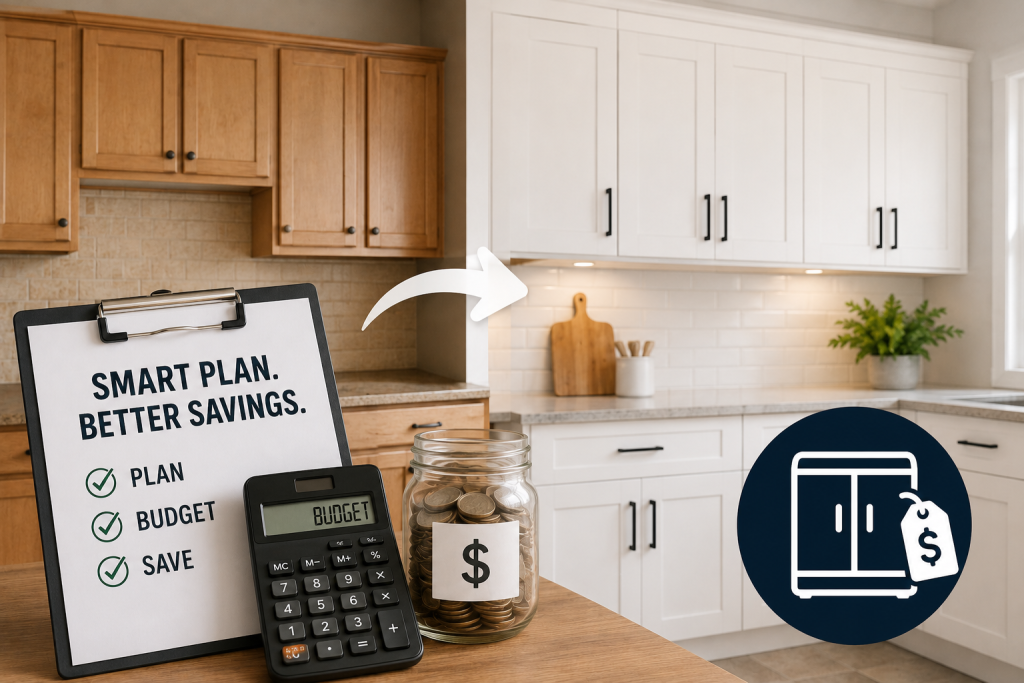
Request multiple estimates, review material specifications carefully, and avoid making major design changes after installation begins. These steps can help minimize unexpected costs and project delays. It is also important to reserve funds for unforeseen expenses, particularly in older homes where hidden issues may be discovered during demolition. With careful planning and informed decision-making, homeowners can keep their renovation on track while maximizing the value of their investment and achieving long-lasting results.
Conclusion
Understanding the kitchen cabinet replacement cost is essential for creating a realistic renovation budget and making informed remodeling decisions. Factors such as cabinet style, material quality, labor expenses, and installation complexity all contribute to the final investment. By comparing stock, semi-custom, and custom options, reviewing detailed estimates, and planning for unexpected costs, homeowners can better manage their renovation expenses. Whether you’re updating cabinets for improved functionality, modern aesthetics, or increased home value, careful budgeting and strategic planning can help ensure a successful project that delivers long-term benefits and lasting satisfaction.
Frequently Asked Questions
What is the average kitchen cabinet replacement cost?
The cost varies based on cabinet type, kitchen size, materials, and labor requirements. Stock cabinets are generally more affordable, while custom cabinets require a larger investment.
Are stock cabinets a good option for homeowners?
Yes. Stock cabinets worth less than semi-custom or custom alternatives and can provide excellent value for homeowners working within a limited budget.
Is cabinet refacing cheaper than replacing cabinets?
In most cases, cabinet refacing costs less because the existing cabinet boxes remain in place. However, replacement offers greater flexibility for layout and storage improvements.
How much do labor costs affect cabinet replacement projects?
Labor can represent a significant portion of the total project budget, especially when demolition, plumbing adjustments, or custom installations are required.
How many estimates should I get before replacing kitchen cabinets?
Most experts recommend obtaining at least three estimates. Comparing multiple proposals helps homeowners evaluate pricing, services, and overall value before selecting a contractor.