


Complete Kitchen Remodeling Guide for US Homeowners
A well-planned kitchen remodel can improve functionality, increase home value, and enhance everyday living. Whether you’re updating an outdated layout or creating your dream cooking space, having clear kitchen remodeling help can help you make informed decisions throughout the process. From budgeting and design choices to contractor selection and project timelines, every step plays a role in the success of your renovation.
For many American homeowners, the kitchen is the heart of the home, making it one of the most valuable spaces to upgrade. Following a detailed kitchen remodeling guide can help you avoid costly mistakes, stay on budget, and achieve results that align with your lifestyle and long-term goals. This guide covers everything you need to know before starting your kitchen renovation project.
Why Every Successful Remodel Starts with a Plan?
A successful kitchen renovation begins long before cabinets are removed or new appliances are installed. Careful planning helps homeowners establish realistic expectations, define project goals, and avoid unexpected expenses. Without a clear strategy, even small remodeling projects can experience delays, budget overruns, and design challenges that affect the final result. The planning stage should include evaluating how the kitchen is currently used, identifying problem areas, and determining which improvements will provide the greatest value.
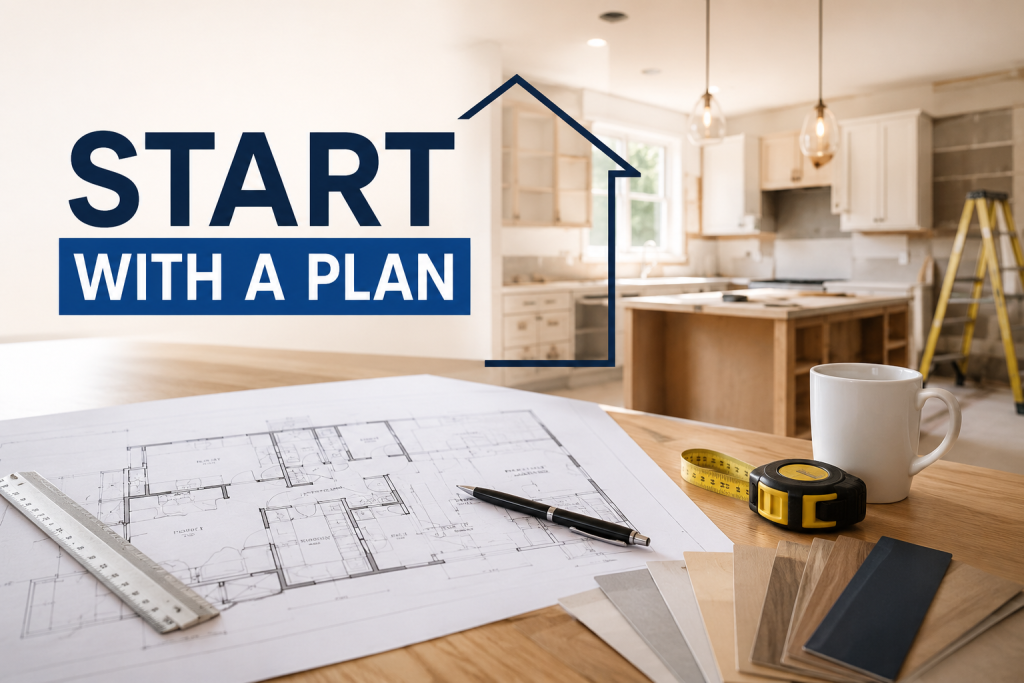
Homeowners should consider factors such as storage needs, traffic flow, appliance placement, lighting, and future lifestyle requirements. Establishing priorities early makes it easier to allocate the budget effectively and make informed decisions throughout the project. One of the most important lessons in any kitchen remodeling guide is that thorough preparation often determines the overall success of the renovation. A well-developed plan creates a smoother remodeling experience while helping homeowners achieve functional and visually appealing results.
Kitchen Renovation Planning: Setting Goals and Budget
Effective kitchen upgrade planning starts with defining what you want to achieve from the remodel. Some homeowners prioritize improving functionality and storage, while others focus on aesthetics, energy efficiency, or increasing resale value. Clearly identifying your goals helps guide every decision, from layout changes and cabinet selections to appliance upgrades and finishing materials.
Budgeting is equally important. Establishing a realistic spending plan early in the process can prevent costly surprises later. Homeowners should account for major expenses such as cabinetry, countertops, flooring, appliances, lighting, labor, and permits. It is also wise to set aside a contingency fund for unexpected issues that may arise during construction, especially in older homes. A well-organized budget is a critical part of any kitchen remodeling guide because it helps homeowners balance priorities while maintaining financial control. Careful planning ensures that resources are allocated effectively and that the project remains on track from start to finish.
Kitchen Renovation Prices Homeowners Should Expect
Understanding kitchen renovation costs is essential before beginning any remodeling project. The total investment can vary significantly depending on the kitchen’s size, the quality of materials selected, labor expenses, and the scope of the renovation. A cosmetic refresh that includes new paint, lighting, and hardware will typically cost far less than a complete remodel involving structural changes, custom cabinetry, and premium appliances.
Major cost categories often include cabinets, countertops, flooring, appliances, plumbing fixtures, electrical work, and contractor labor. In many remodels, cabinetry represents one of the largest portions of the budget. Homeowners should also consider permit fees, design services, and temporary living arrangements if the kitchen will be unusable during construction. A reliable kitchen remodeling guide encourages homeowners to obtain multiple contractor estimates and establish a contingency reserve for unexpected expenses. Proper budgeting helps prevent financial stress while ensuring the renovation stays aligned with long-term goals and expectations.
Creating a Kitchen Remodeling Guide Checklist
A detailed kitchen remodeling to-do list helps homeowners stay organized throughout the renovation process. By breaking the project into manageable steps, it becomes easier to track progress, control costs, and avoid overlooking important details. A checklist also serves as a valuable reference when communicating with contractors, designers, and suppliers.
Define Your Remodeling Goals
Start by identifying what you want to achieve with the renovation. Consider functionality, storage needs, layout improvements, energy efficiency, and design preferences before making major decisions.
Establish a Budget and Timeline
Determine how much you are willing to spend and create a realistic project schedule. Include a contingency fund for unexpected expenses and allow flexibility for potential delays.
Follow a Kitchen Remodeling Guide for Better Results
Using a structured kitchen remodeling guide can help ensure every stage of the project is properly planned and executed. From selecting materials and hiring contractors to scheduling inspections and final walkthroughs, a comprehensive checklist reduces stress and improves the likelihood of a successful renovation.
Trendy Kitchen Remodel Features Worth Considering
A modern kitchen remodel focuses on combining functionality, efficiency, and contemporary design. Today’s homeowners are looking for kitchens that not only look attractive but also support busy lifestyles through improved organization, smart technology, and durable materials. Incorporating modern features can significantly enhance both daily usability and long-term home value. Popular upgrades include large kitchen islands with seating, quartz countertops, soft-close cabinetry, walk-in pantries, and energy-efficient appliances.
Smart home technology is also becoming increasingly common, with features such as touchless faucets, app-controlled lighting, and connected appliances that improve convenience and efficiency. Open shelving, hidden storage solutions, and multifunctional workspaces are additional trends that appeal to modern homeowners. Many recommendations found in a quality kitchen remodeling guide emphasize balancing style with practicality. Selecting features that improve workflow and storage while complementing the home’s design can help create a kitchen that remains functional and appealing for years to come.
Kitchen Decor Trends Popular in the United States
Current kitchen design trends focus on creating spaces that are both stylish and highly functional. American homeowners are increasingly choosing designs that improve storage, maximize natural light, and support open-concept living. While trends continue to evolve, practicality remains a major priority in modern kitchen renovations. Large kitchen islands continue to be one of the most requested features because they provide additional workspace, storage, and seating.
White and neutral-colored cabinetry remain popular, although many homeowners are incorporating bold accent colors on islands or lower cabinets for added visual interest. Quartz countertops, oversized backsplashes, and mixed-material finishes are also widely used in contemporary kitchen designs. Many professionals featured in a comprehensive kitchen remodeling guide recommend selecting trends that offer lasting appeal rather than following short-term fads. Focusing on timeless materials and functional layouts can help homeowners create kitchens that maintain their value and attractiveness for years after the renovation is complete.
Kitchen Renovation Tips That Improve Functionality
The best kitchen renovation ideas focus on making everyday tasks easier while improving organization and efficiency. A beautiful kitchen is important, but functionality often has the greatest impact on long-term homeowner satisfaction. Thoughtful upgrades can transform how the space is used and improve the overall cooking experience. One of the most effective improvements is increasing storage capacity through pull-out shelves, deep drawers, pantry systems, and custom cabinet organizers.
Expanding countertop workspace, improving lighting, and upgrading appliance placement can also enhance workflow and convenience. Many homeowners choose to incorporate dedicated zones for food preparation, cooking, cleaning, and storage to create a more efficient layout. A practical kitchen remodeling guide often emphasizes optimizing the kitchen work triangle between the sink, refrigerator, and cooking area. By prioritizing functionality alongside aesthetics, homeowners can create a kitchen that supports daily routines while maximizing comfort, efficiency, and long-term value.
Understanding the Kitchen Remodeling Timeframe
A realistic kitchen remodeling timeline helps homeowners set expectations and prepare for each phase of the renovation. While every project is different, most kitchen remodels follow a similar sequence that includes planning, demolition, construction, installation, and final inspections. Understanding the timeline can reduce stress and help homeowners avoid unnecessary delays.
Planning and Design Phase
The planning stage often takes several weeks and includes budgeting, selecting materials, finalizing layouts, obtaining permits, and hiring contractors. Careful preparation during this phase can prevent costly changes later in the project.
Kitchen Remodeling Guide to the Construction Process
A typical kitchen remodeling guide breaks the construction phase into several steps, including demolition, electrical and plumbing work, flooring installation, cabinetry, countertops, appliance installation, and finishing details. The length of this stage depends on the complexity of the remodel and the availability of materials.
Final Walkthrough and Project Completion
Once installation is complete, homeowners should conduct a final walkthrough to verify that all work meets expectations and that any outstanding issues are addressed before the project is officially finished.
Common Kitchen Remodeling Mistakes to Avoid
Avoiding common remodeling mistakes can save homeowners time, money, and frustration. Many kitchen renovation problems occur because of poor planning, unrealistic budgets, or overlooking functional design considerations.
- Starting the project without clearly defined goals and priorities.
- Underestimating the total budget and failing to include a contingency fund.
- Choosing aesthetics over functionality and workflow.
- Ignoring storage needs during the design process.
- Purchasing appliances before confirming measurements and layout requirements.
- Overlooking lighting design and relying on a single light source.
- Hiring contractors without checking references, licenses, and insurance.
- Following short-term design trends that may quickly become outdated.
- Failing to obtain necessary permits or schedule required inspections.
- Making major design changes after construction has already begun.
By avoiding these mistakes, homeowners can improve project efficiency, reduce unexpected expenses, and achieve better long-term results from their kitchen renovation investment.
How to Use This Kitchen Remodeling Guide for the Best Results?
Getting the most value from a kitchen remodeling project requires a structured approach that combines planning, budgeting, and informed decision-making. Rather than rushing into material selections or construction work, homeowners should use the guide as a roadmap that helps organize every stage of the renovation process. Begin by evaluating your current kitchen and identifying areas that need improvement.
Establish clear goals, create a realistic budget, and prioritize upgrades that will have the greatest impact on functionality and long-term value. Research materials, compare contractor estimates, and allow adequate time for planning before construction begins. A comprehensive kitchen remodeling guide can also help homeowners anticipate potential challenges and avoid common mistakes. By following a step-by-step process and staying focused on both functionality and design, it becomes easier to complete a successful renovation that meets practical needs while enhancing the overall appeal of the home.
Conclusion
A successful kitchen renovation requires careful planning, realistic budgeting, and thoughtful design decisions. By following a detailed kitchen remodeling guide, homeowners can navigate each stage of the project with greater confidence and avoid many of the common mistakes that lead to delays and unexpected expenses. From selecting materials and optimizing layouts to managing timelines and hiring qualified professionals, every decision contributes to the outcome. Whether you’re planning a minor update or a complete transformation, investing time in preparation can help create a kitchen that improves functionality, enhances home value, and supports your family’s needs for years to come.
Frequently Asked Questions
How long does a typical kitchen remodel take according to a kitchen remodeling guide?
A typical kitchen remodeling guide suggests that most kitchen remodels take between 6 and 12 weeks, depending on the project’s size and complexity.
What is the first step in remodeling a kitchen?
The first step is creating a plan that outlines your goals, budget, layout preferences, and project priorities. Proper planning helps prevent costly mistakes later in the renovation.
What should be included in a kitchen remodeling project?
A remodel may include cabinets, countertops, flooring, lighting, appliances, plumbing fixtures, storage solutions, and layout improvements, depending on the project’s scope.
Why is a kitchen remodeling to-do list important?
A kitchen remodeling checklist helps homeowners stay organized, track project milestones, manage budgets, and ensure important tasks are completed throughout the renovation process.
Which kitchen upgrades provide the best return on investment?
Cabinet updates, energy-efficient appliances, improved lighting, durable countertops, and functional layout enhancements are often among the upgrades that provide the strongest long-term value.