


Types of Landscaping Styles Explained for Curb Appeal
7Landscaping decisions influence more than outdoor appearance. The right design approach can affect maintenance requirements, curb appeal, usability, and long-term property value. Because every home and climate is different, selecting a landscape style often requires balancing visual preferences with practical needs. Today’s homeowners have access to a wide range of design approaches that vary in structure, planting strategy, and maintenance expectations. Some prioritize clean lines and simplicity, while others focus on lush planting, regional character, or lower water use. Understanding different landscaping styles helps homeowners create outdoor spaces that align with architecture, climate conditions, and lifestyle goals. A well-planned landscape should support both visual appeal and long-term performance rather than following short-term design trends.
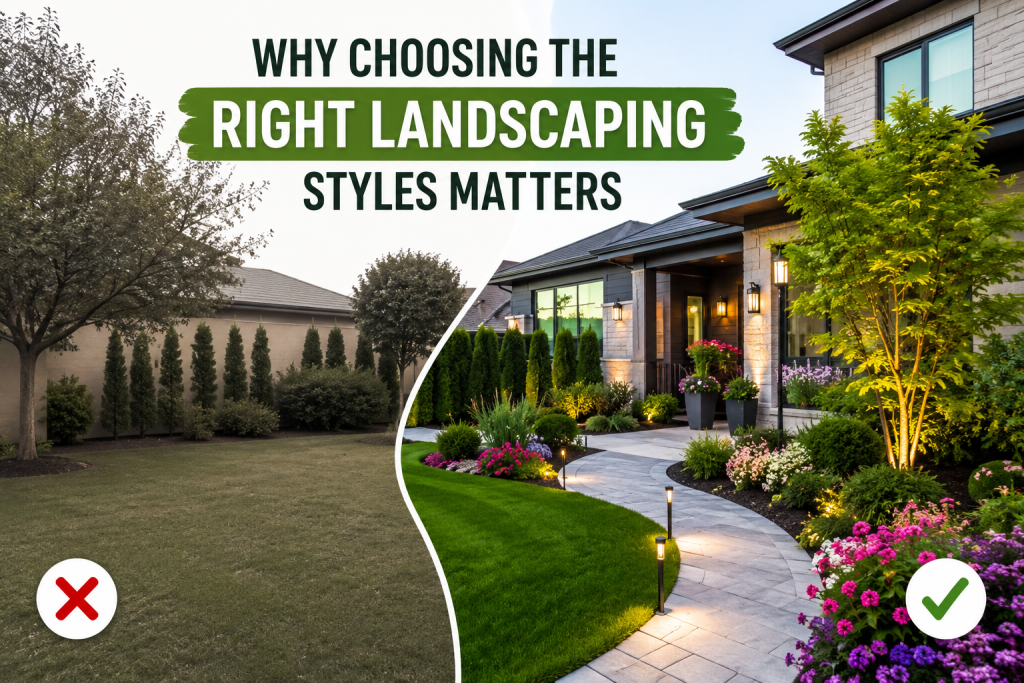
Why Choosing the Right Landscaping Styles Matters
Selecting a landscape style is about more than creating an attractive yard. The right approach can influence maintenance requirements, outdoor usability, water consumption, and how well the landscape performs over time. Different design styles create different homeowner experiences. Some emphasize structured layouts and lower upkeep, while others prioritize plant diversity and a more natural appearance. Climate conditions, property size, and long-term goals all play an important role in selecting the right direction. Understanding how various landscaping styles function helps homeowners make more practical and sustainable decisions. Instead of choosing based only on appearance, homeowners should evaluate maintenance expectations, regional conditions, and how outdoor spaces will be used throughout the year.
Modern and Contemporary Landscape Approaches
Modern landscapes typically focus on clean lines, organized layouts, and intentional material selection. These designs often prioritize open space, simplified planting, and strong visual structure to create a polished outdoor appearance. Many homeowners researching landscaping styles also consider contemporary landscaping ideas that combine structured hardscaping with adaptable planting arrangements and outdoor living areas. These approaches often work well for homeowners seeking updated curb appeal without creating overly complex landscape maintenance requirements.
Traditional and Cottage-Inspired Landscapes
Traditional landscape designs often emphasize balance, structure, and a more timeless outdoor appearance. These landscapes typically include layered planting, defined walkways, and organized layouts that complement established architectural styles. Homeowners interested in classic outdoor spaces frequently explore traditional landscape design because it creates a predictable and cohesive visual experience. In contrast, softer and more natural layouts may appeal to homeowners who prefer a more relaxed landscape atmosphere. Many homeowners comparing different landscaping styles also consider cottage garden landscaping for its informal planting approach, layered textures, and seasonal visual interest. Both approaches can support long-term curb appeal while offering different levels of maintenance and design flexibility.
Tropical and Regional Landscaping Styles
Regional landscape preferences often influence which outdoor styles perform best over time. Climate conditions, plant selection, and maintenance expectations all play an important role in shaping successful outdoor environments. Homeowners in warmer and more humid areas frequently explore tropical landscaping because it emphasizes layered greenery, bold planting arrangements, and strong visual impact. This style often performs best when paired with climate-appropriate plant selections and efficient maintenance planning. When comparing different landscaping styles, regional adaptability can be just as important as appearance. Homeowners interested in warmer-climate aesthetics may also evaluate Mediterranean landscaping, which often combines structured layouts, drought-conscious planting, and durable outdoor materials.
Water-Conscious and Climate-Friendly Designs
Water efficiency has become an increasingly important consideration for homeowners planning outdoor spaces. Climate-conscious landscape planning can help reduce maintenance demands while supporting long-term landscape performance. Design approaches that prioritize water management often focus on plant selection, irrigation efficiency, and durable material choices. These strategies may also improve usability and reduce seasonal upkeep requirements.
Homeowners exploring different landscaping styles frequently consider xeriscape landscaping because it supports lower water use while maintaining attractive outdoor spaces. Combining practical planning with climate awareness often creates landscapes that remain functional, visually balanced, and easier to maintain across changing environmental conditions.
How to Match Landscaping Style to Your Home
The most successful landscapes complement both the home and the way homeowners use outdoor space. Selecting a style without considering architecture, maintenance expectations, and climate conditions can lead to inconsistent results over time. Homeowners should evaluate exterior materials, lot size, sunlight exposure, and long-term upkeep before selecting a landscape direction. Matching design choices to the surrounding environment often creates stronger visual consistency and better usability. A practical approach to landscape planning often creates outdoor spaces that improve curb appeal while remaining manageable and adaptable over time.
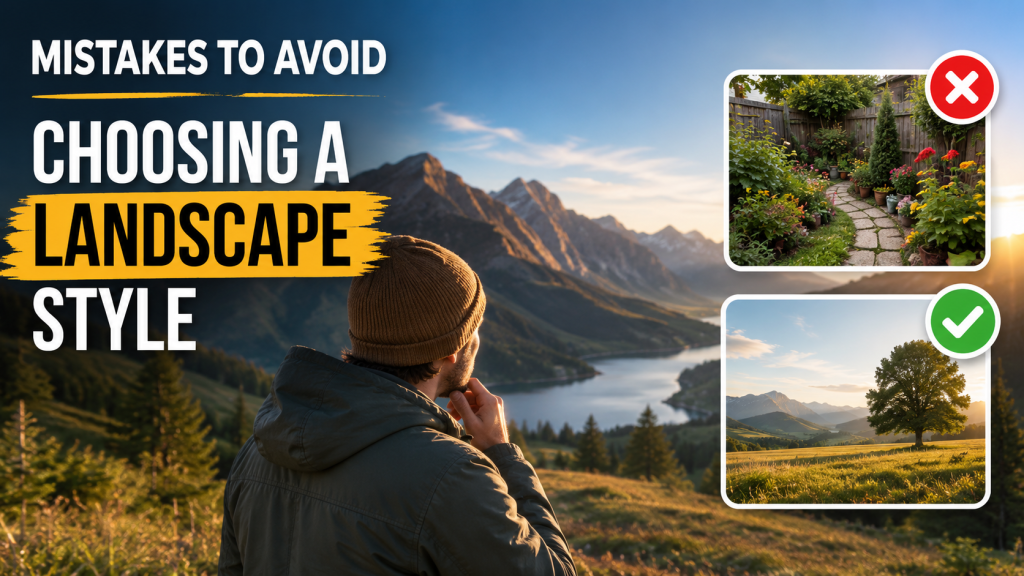
Mistakes to Avoid When Selecting a Landscape Style
Choosing a landscape style based only on visual inspiration can create long-term maintenance challenges and inconsistent outdoor performance. A successful landscape should align with both homeowner expectations and regional conditions. One common mistake is selecting designs that require more maintenance than homeowners are prepared to manage. Another is overlooking climate suitability, which can affect plant performance and long-term appearance. Focusing on appearance without considering functionality, water requirements, and long-term usability often leads to landscapes that become difficult and expensive to maintain.
Conclusion
Selecting the right landscape approach involves more than choosing a style that looks attractive in photos. Maintenance expectations, climate conditions, outdoor functionality, and long-term property goals all influence which design performs best over time. Each approach offers different advantages depending on homeowner priorities and regional conditions. Some styles emphasize structure and simplicity, while others focus on planting variety, water efficiency, or stronger visual character. Understanding different landscaping styles helps homeowners make more confident outdoor design decisions based on practicality rather than short-term trends. The most effective landscapes create a balance between curb appeal, usability, maintenance requirements, and long-term performance.
Frequently Asked Questions
What are the most popular landscaping styles?
Popular landscaping styles vary by region and homeowner preference, but common approaches often include modern, traditional, tropical, and lower-maintenance landscape designs selected to match climate conditions and outdoor goals.
How do homeowners choose the right landscaping style?
Homeowners should consider climate conditions, maintenance expectations, architectural style, outdoor usage, and long-term property goals before selecting a design direction.
Which landscaping style requires the least maintenance?
Maintenance needs depend on plant selection, layout complexity, irrigation requirements, and regional conditions rather than style alone.
Are water-efficient landscape styles attractive?
Yes. Many climate-conscious landscape approaches balance appearance, usability, and lower maintenance while supporting long-term outdoor performance.
Can homeowners combine multiple landscape design approaches?
Yes. Combining compatible design elements can create a customized outdoor space, but maintaining visual consistency usually produces stronger long-term results and a more cohesive outdoor appearance.