

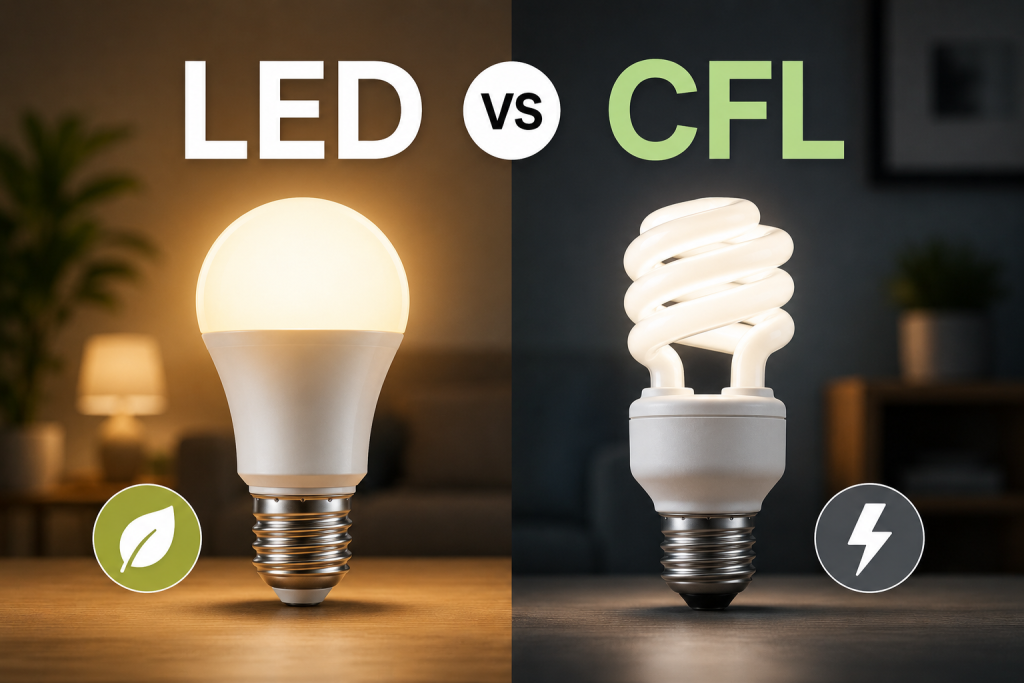
LED vs CFL Bulbs: Which Is Better for Your Home?
When comparing LED vs CFL bulbs, many homeowners want to know which option provides the best combination of energy savings, performance, and long-term value. Both lighting technologies consume less electricity than traditional incandescent bulbs, but they differ significantly in lifespan, efficiency, environmental impact, and overall cost of ownership.
Choosing the right bulb can affect everything from monthly utility bills to maintenance requirements and lighting quality throughout your home. As energy-efficient lighting becomes increasingly important, understanding the differences between LED vs CFL bulbs can help homeowners make smarter purchasing decisions. In this guide, we’ll compare the strengths and weaknesses of each option, examine real-world performance factors, and help you determine which lighting solution is the better investment for your home.
Understanding LED vs CFL Bulbs
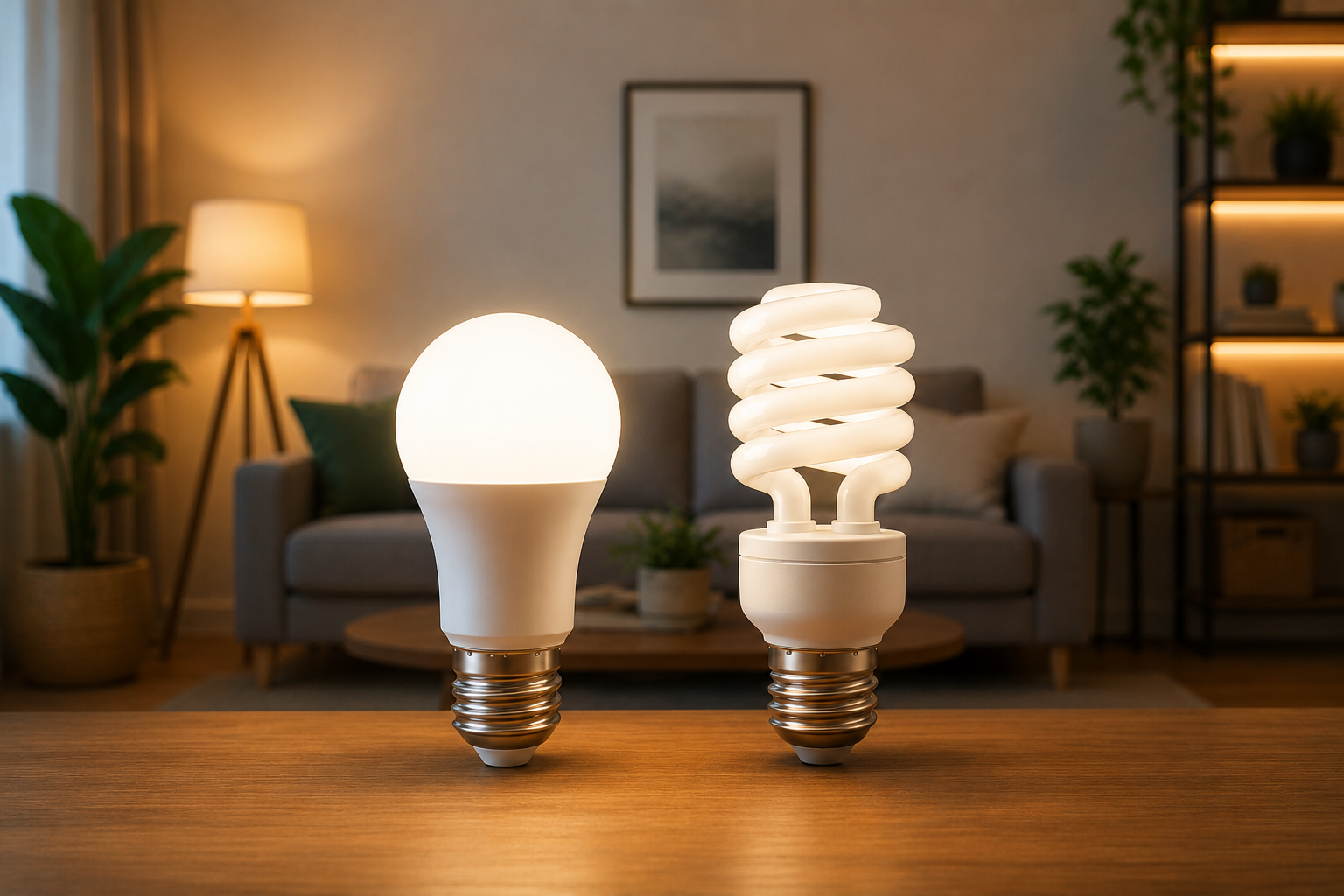
Before comparing performance, it’s important to understand how LED and CFL bulbs produce light. Although both are designed to be more efficient than traditional incandescent bulbs, they use very different technologies to generate illumination. LED, or Light Emitting Diode, bulbs create light by passing an electrical current through a semiconductor. This process is highly efficient because very little energy is wasted as heat. As a result, LEDs consume less electricity while delivering consistent brightness and long-lasting performance.
CFL, or Compact Fluorescent Lamp, bulbs produce light by sending electricity through a gas-filled tube. The gas generates ultraviolet light, which then interacts with a phosphor coating inside the bulb to create visible light. While CFLs use less energy than incandescent bulbs, they are generally less efficient and have shorter lifespans than LEDs. Understanding these differences provides a strong foundation for evaluating LED vs CFL bulbs and determining which technology best meets your home’s lighting needs.
LED Light Bulb Advantages for Modern Homes
The growing popularity of LED technology is largely driven by its impressive performance and long-term value. Among the most important LED light bulb benefits is exceptional energy efficiency. LED bulbs use significantly less electricity than both CFL and incandescent bulbs, helping homeowners reduce monthly utility costs without sacrificing brightness. Another major advantage is durability. LEDs are designed to withstand frequent switching on and off, making them ideal for high-traffic areas such as kitchens, hallways, bathrooms, and outdoor spaces. They also produce very little heat, which improves safety and reduces wasted energy.
Many LED bulbs are compatible with dimmer switches, smart home systems, and advanced lighting controls, giving homeowners greater flexibility and convenience. In addition, LEDs are available in a variety of color temperatures, making it easy to create the desired atmosphere in any room. These advantages help explain why many homeowners choose LEDs when comparing LED vs CFL bulbs for long-term performance and efficiency.
CFL Bulb Drawbacks Homeowners Should Know
While CFL bulbs offer better efficiency than traditional incandescent lighting, they come with several drawbacks that homeowners should carefully consider. One of the most notable CFL bulb disadvantages is their shorter lifespan compared to LED alternatives. CFLs typically require replacement more frequently, which can increase long-term ownership costs. Another concern is that CFL bulbs contain a small amount of mercury.
Although the quantity is minimal, broken bulbs require careful cleanup, and proper disposal is necessary to prevent environmental contamination. Many communities have specific recycling programs for CFL bulbs, making disposal less convenient than with LEDs. CFLs also tend to take longer to reach full brightness, especially in colder temperatures. Frequent switching on and off can further reduce their lifespan, making them less suitable for areas such as bathrooms, closets, and hallways. These limitations are important factors to evaluate when comparing LED vs CFL bulbs for residential lighting applications.
Energy-Saving Bulbs Evaluation: LED vs CFL
When evaluating an energy-saving bulbs comparison, homeowners should look beyond the purchase price and consider factors such as efficiency, maintenance, lifespan, and overall performance. While both LED and CFL bulbs consume less electricity than traditional incandescent bulbs, there are important differences that affect long-term value.
Energy Consumption
LED bulbs use less electricity than CFLs while producing the same amount of light. Their superior efficiency helps homeowners lower energy bills and reduce overall household power consumption.
Lighting Performance
LEDs provide instant full brightness and perform consistently in a wide range of temperatures. CFL bulbs may require a short warm-up period before reaching maximum brightness, which can be inconvenient in frequently used spaces.
LED vs CFL Bulbs: Which Offers Better Value?
Although LED bulbs often have a higher upfront cost, their longer lifespan and lower energy usage typically result in greater savings over time. For most homeowners, the combination of efficiency, durability, and convenience makes LEDs the better long-term investment when comparing LED vs CFL bulbs.
LED Productivity and Long-Term Cost Savings
One of the biggest reasons homeowners choose LED lighting is its outstanding LED productivity. LED bulbs convert a larger percentage of electricity into usable light rather than heat, allowing them to deliver excellent brightness while consuming minimal energy. This increased efficiency can lead to noticeable reductions in monthly utility bills, especially in homes where lights are used frequently. Although LED bulbs generally cost more upfront than CFL alternatives, their long lifespan often offsets the initial investment.
Many LEDs can operate for years before requiring replacement, reducing both maintenance expenses and the inconvenience of changing bulbs. This makes them particularly valuable in hard-to-reach fixtures, vaulted ceilings, and outdoor lighting applications. When evaluating LED vs CFL bulbs, long-term ownership costs are often more important than the purchase price alone. Lower energy consumption, fewer replacements, and improved durability make LEDs a cost-effective solution for homeowners seeking reliable and efficient lighting throughout their homes.
Bulb Lifespan Evaluation: Which Lasts Longer?
A detailed bulb lifespan comparison reveals one of the most significant differences between LED and CFL technology. While both options last longer than traditional incandescent bulbs, LEDs are widely recognized for their exceptional longevity. This extended lifespan can reduce maintenance requirements and save homeowners money over time. Most LED bulbs are designed to operate for tens of thousands of hours before needing replacement, making them a practical choice for frequently used fixtures.
In contrast, CFL bulbs generally have a shorter operating life and may wear out more quickly when subjected to frequent on-and-off cycles. This can be a disadvantage in areas such as bathrooms, hallways, and entryways where lights are switched regularly. For homeowners looking to minimize replacement costs and maintenance efforts, longevity is a major consideration. When comparing LED vs CFL bulbs, LEDs consistently offer a longer lifespan, making them the preferred choice for long-term residential lighting applications.
Incandescent vs CFL vs LED: Key Differences
Understanding the differences between CFL vs incandescent and LED lighting can help homeowners make more informed purchasing decisions. While all three technologies serve the same purpose, they vary significantly in efficiency, lifespan, operating costs, and environmental impact. Incandescent bulbs are the least efficient option because much of the electricity they consume is converted into heat rather than light.
Although they have a low purchase price, their short lifespan and high energy consumption make them more expensive to operate over time. CFL bulbs offer improved efficiency and lower energy use, but they contain mercury and generally do not last as long as LEDs. LED bulbs combine the strengths of both technologies while minimizing their drawbacks. They consume the least amount of electricity, generate minimal heat, and provide the longest lifespan. For most homeowners evaluating LED vs CFL bulbs, LEDs deliver superior performance, lower operating costs, and greater long-term value than either CFL or incandescent alternatives.
Good Bulbs for Home Lighting by Room
Choosing the best bulbs for home lighting often depends on how each room is used. Different spaces require different levels of brightness, color temperature, and efficiency, making it important to match the bulb type to the room’s function. For living rooms and bedrooms, warm white LED bulbs create a comfortable and inviting atmosphere while keeping energy consumption low. Kitchens and home offices typically benefit from brighter, cooler lighting that improves visibility and supports daily tasks.
Bathrooms often require balanced illumination around mirrors, making LED bulbs with high color accuracy an excellent choice. Outdoor areas, garages, and entryways also benefit from LED technology because of its durability and resistance to frequent switching. While CFL bulbs may still be suitable for some low-use fixtures, most homeowners find that LEDs offer greater versatility throughout the home. This is another reason why LED vs CFL bulbs comparisons often favor LED technology for everyday residential use.
Environmental Impact and Disposal Considerations
Environmental impact is an important factor when selecting lighting products for your home. While both LED vs CFL bulbs consume less energy than traditional incandescent bulbs, they differ significantly in terms of disposal requirements and overall sustainability. One of the primary environmental concerns associated with CFL bulbs is their mercury content. Although the amount is small, broken CFLs require careful handling and proper disposal to prevent contamination.

Many local recycling programs accept CFL bulbs, but the process can be less convenient for homeowners. Improper disposal may contribute to environmental risks, making responsible recycling essential. LED bulbs do not contain mercury and generally have a longer lifespan, which means fewer bulbs end up in landfills over time. Their lower energy consumption also helps reduce greenhouse gas emissions associated with electricity production. For homeowners focused on sustainability and waste reduction, LED technology is often considered the more environmentally responsible lighting option.
How to Choose Between LED vs CFL Bulbs?
Selecting the right bulb depends on your budget, lighting needs, and long-term goals. While both technologies offer energy savings compared to incandescent bulbs, understanding where each performs best can help homeowners make a more informed decision.
Consider Your Lighting Usage
If lights are used frequently throughout the day, LED bulbs are usually the better option because of their superior efficiency and longer lifespan. CFL bulbs may still work well in fixtures that are used less often.
Evaluate Long-Term Costs
Although CFL bulbs often have a lower purchase price, LEDs typically provide greater value over time. Reduced energy consumption and fewer replacements can result in significant savings during the life of the bulb.
LED vs CFL Bulbs: The Best Choice for Most Homes
For most homeowners, LEDs offer the strongest combination of efficiency, durability, convenience, and environmental benefits. They work well in virtually every room, provide instant brightness, and support modern smart-home features. While CFL bulbs remain a viable alternative in some situations, LEDs are generally the preferred choice for long-term residential lighting upgrades.
Conclusion
When comparing LED vs CFL bulbs, LED technology stands out as the better choice for most homeowners. LEDs offer superior energy efficiency, longer lifespans, lower maintenance requirements, and greater environmental benefits than CFL alternatives. While CFL bulbs can still provide energy savings compared to incandescent lighting, they generally fall short in terms of durability, convenience, and long-term value. By considering factors such as energy consumption, lifespan, lighting quality, and disposal requirements, homeowners can make a more informed decision and invest in a lighting solution that delivers reliable performance and lasting savings throughout the home.
Frequently Asked Questions
Which is better, LED vs CFL bulbs?
For most homeowners, LED bulbs are the better choice because they use less energy, last longer, and provide instant brightness. They also require less maintenance and do not contain mercury.
Do LED bulbs save more money than CFL bulbs?
Yes. Although LED bulbs typically cost more upfront, their lower energy consumption and longer lifespan often result in greater long-term savings.
Why is LED productivity better than CFL efficiency?
LED efficiency is higher because LED bulbs convert more electricity into usable light and waste less energy as heat. This allows them to provide the same brightness while using less power, helping homeowners reduce energy costs and improve long-term savings.
Are CFL bulbs safe to use indoors?
Yes, CFL bulbs are generally safe when used properly. However, because they contain a small amount of mercury, they should be handled carefully and disposed of through approved recycling programs.
Can LED bulbs be used in every room of the house?
Absolutely. LED bulbs are available in a wide range of brightness levels, color temperatures, and styles, making them suitable for living rooms, kitchens, bedrooms, bathrooms, and outdoor spaces.