


Common Minimalist Design Mistakes That Make Homes Feel Cold
Minimalist design has become one of the most popular interior styles among American homeowners. Its clean lines, uncluttered layouts, and focus on functionality create spaces that feel organized and visually appealing. However, many homeowners discover that achieving a minimalist look is not as simple as removing furniture and decorations. When minimalism is taken too far, rooms can begin to feel sterile, uncomfortable, and lacking in personality. Many of the most common minimalist design mistakes happen when people prioritize simplicity over comfort. A home should feel inviting, whether it is a modern condo in Chicago, a suburban house in Dallas, or a coastal property in Florida. True minimalism is about intentional design choices rather than empty spaces. In this guide, we’ll explore the most common minimalist design mistakes that make homes feel cold and show practical ways to create a balanced, welcoming environment without sacrificing the clean aesthetic that makes minimalist interiors so appealing.
Minimalist Design Mistakes That Remove Warmth From a Space
One of the biggest minimalist design mistakes homeowners make is assuming that minimalism requires removing anything that adds character or comfort. While a clutter-free space can feel calming, an overly stripped-down room often lacks the warmth that makes a house feel like home. The goal should be to create visual clarity without sacrificing personality.
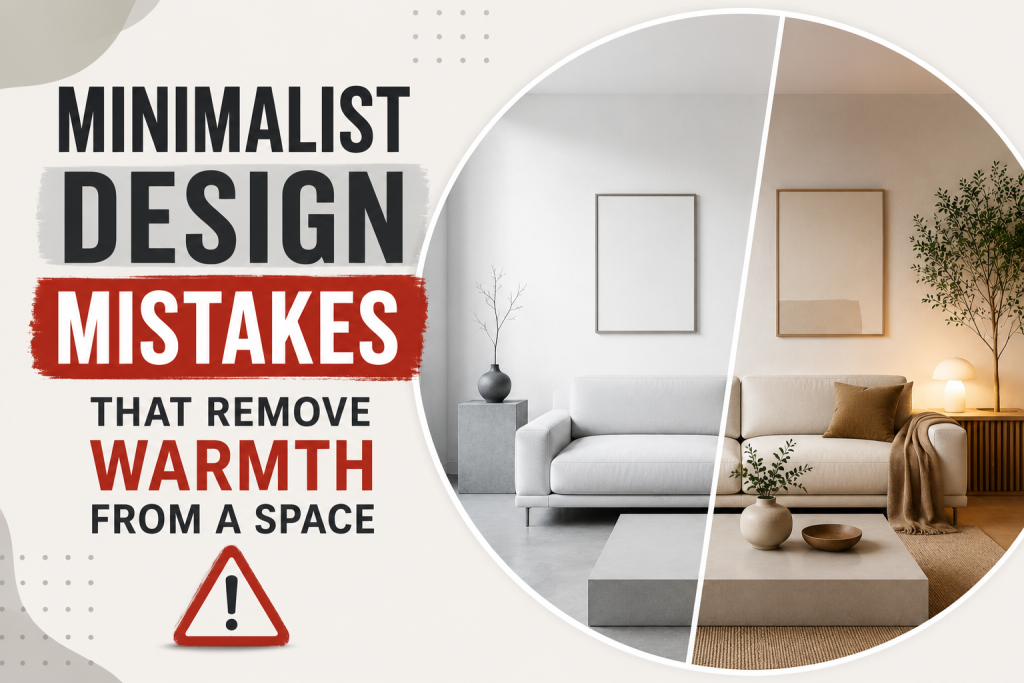
Many homeowners focus so heavily on achieving a clean aesthetic that they eliminate decorative elements, family photos, meaningful artwork, and other details that make a space unique. This approach can result in rooms that look impressive in photographs but feel uninviting in everyday life. Among the most common interior design mistakes, treating minimalism as an exercise in subtraction rather than thoughtful curation is one of the most damaging.
Confusing Empty Spaces With Intentional Design
Minimalism is often misunderstood as simply having less. In reality, every item in a minimalist room should serve a purpose, whether functional, aesthetic, or emotional. Empty corners, bare walls, and oversized unused areas rarely create the sophisticated appearance homeowners are trying to achieve. Intentional design focuses on balance. A carefully selected piece of artwork, a statement chair, or a well-placed indoor plant can add visual interest without creating clutter. Instead of removing items solely to make a room look sparse, evaluate whether each element contributes to the overall experience of the space.
Removing Too Much Personal Character
A minimalist home should still reflect the people who live in it. When personal touches disappear entirely, rooms can start to resemble staged model homes rather than comfortable living spaces. Family heirlooms, travel souvenirs, or meaningful decorative pieces can coexist with a minimalist aesthetic when displayed thoughtfully. One of the most overlooked minimalist decorating errors is believing that personality and simplicity cannot work together. The most successful minimalist interiors feel curated rather than empty. By incorporating a few carefully chosen personal elements, homeowners can maintain a clean design while creating an environment that feels warm, authentic, and welcoming.
Color Choices and Minimalist Design Mistakes Homeowners Often Overlook
Color plays a major role in how a room feels, yet it is often underestimated when homeowners pursue a minimalist aesthetic. Some of the most impactful minimalist design mistakes involve creating a palette that feels flat, sterile, or overly uniform. While white, gray, and beige remain staples of minimalist interiors, relying on a single shade throughout an entire room can remove visual depth and warmth. A successful color scheme uses subtle variations, layered tones, and strategic contrast to create interest without overwhelming the space. Avoiding common minimalist design mistakes in color selection helps rooms feel sophisticated and welcoming rather than stark or unfinished. Homeowners who understand how color influences mood can achieve a clean look while maintaining comfort and livability.
Common Neutral Color Mistakes in Modern Homes
Many homeowners gravitate toward bright white walls and cool gray finishes because they associate them with contemporary design. However, some of the most common neutral color mistakes occur when these shades dominate every surface, from walls and flooring to furniture and accessories. When similar cool tones are repeated throughout a room, the result can feel visually cold and one-dimensional. This issue is especially noticeable in areas with limited natural light. Introducing subtle variations in tone, natural wood accents, or soft earth-inspired colors can help break up monotony while preserving a minimalist appearance.
How Warm Undertones Create Better Balance
Warm undertones can dramatically improve the comfort of a minimalist space without compromising its clean aesthetic. Creamy whites, soft taupes, warm grays, and muted earth tones create a more inviting atmosphere than stark whites paired with cool finishes. These adjustments are particularly effective in spaces prone to feeling sterile, helping homeowners avoid the look often associated with cold minimalist interiors. By combining warm undertones with natural materials and thoughtful lighting, minimalist rooms can maintain their simplicity while feeling significantly more welcoming and comfortable for everyday living.
Furniture-Related Minimalist Design Mistakes That Affect Comfort
Furniture selection can determine whether a minimalist room feels inviting or uncomfortable. Many homeowners focus on reducing the number of furnishings without considering how those pieces function in daily life. As a result, some of the most common minimalist design mistakes involve choosing furniture that looks stylish but fails to provide adequate comfort, storage, or practicality. A minimalist home should support the way people live, entertain, and relax. One of the most common minimalist design mistakes is removing too many pieces, which can leave rooms feeling incomplete, while selecting furniture solely for appearance may reduce functionality. The most successful minimalist spaces strike a balance between simplicity and usability, ensuring that every item contributes to both the design and the homeowner’s lifestyle.
Why Minimalist Furniture Balance Matters
Achieving proper minimalist furniture balance is about more than limiting the number of pieces in a room. Scale, proportion, and placement all influence how comfortable a space feels. A large sectional in a small living room can overwhelm the layout, while furniture that is too small may make the room feel empty and disconnected. Balanced furniture arrangements create visual harmony and improve traffic flow. Instead of focusing on having fewer items, homeowners should prioritize selecting pieces that fit the dimensions of the room and support everyday activities.
Choosing Fewer Pieces Without Sacrificing Usability
Minimalism encourages intentional choices, not unnecessary sacrifices. A room does not become more sophisticated simply because it contains less furniture. Eliminating seating, storage, or functional surfaces can make a home less comfortable and less practical. Rather than removing furniture indiscriminately, focus on versatile pieces that serve multiple purposes. Storage ottomans, streamlined media consoles, and well-designed coffee tables can maintain a clean aesthetic while supporting daily needs. Following these principles is one of the most effective modern home styling tips for creating minimalist spaces that remain functional, comfortable, and visually appealing.
Texture and Material Mistakes That Lead to Cold Minimalist Interiors
While color and furniture receive most of the attention, texture is often the element that determines whether a minimalist space feels welcoming or sterile. Many homeowners focus on sleek surfaces and clean lines but overlook the importance of visual and tactile variety. This oversight is among the most common minimalist design mistakes because it removes the layers that make a room feel comfortable and lived in.
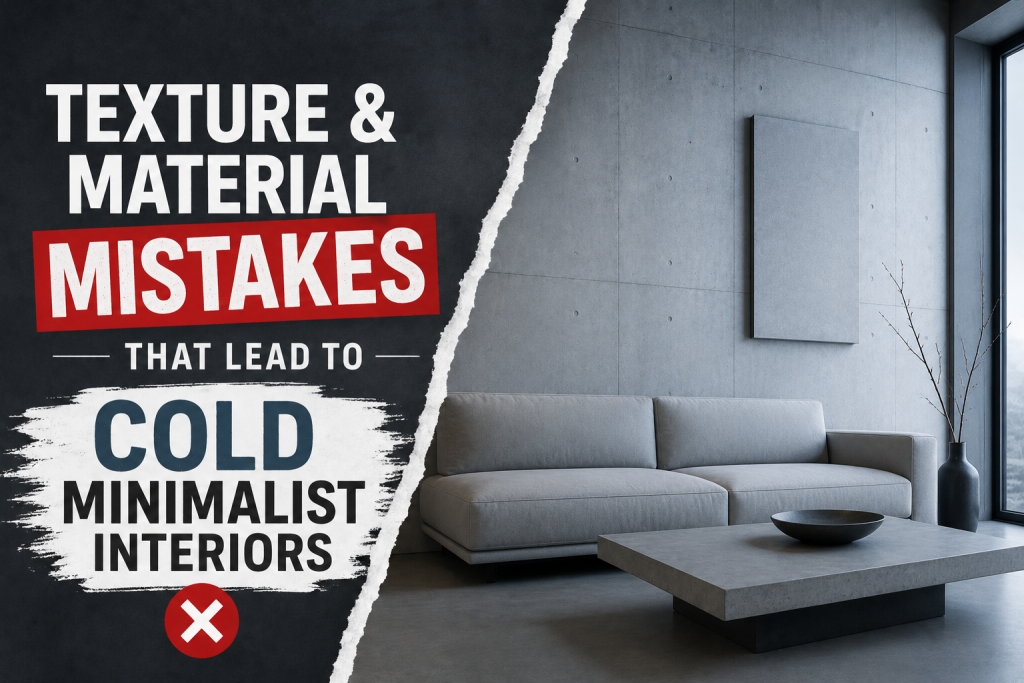
A space filled with smooth painted walls, glossy finishes, and uniform materials can appear flat even when the design is technically well executed. One of the often-overlooked minimalist design mistakes is failing to incorporate a range of textures that create depth, warmth, and visual interest without introducing clutter. Thoughtful material choices allow minimalist interiors to remain simple while feeling significantly more inviting.
The Role of Natural Materials
Natural materials are essential for adding warmth to minimalist spaces. Wood, stone, linen, cotton, leather, and woven fibers introduce organic character that balances clean architectural lines. These materials create subtle contrast and prevent rooms from feeling overly polished or impersonal. In many American homes, natural wood furniture, oak flooring, and textured textiles help soften contemporary interiors. Even small additions, such as a wooden coffee table or linen curtains, can make a noticeable difference in the overall atmosphere of a room.
Adding Texture Without Creating Clutter
Adding texture does not require filling a room with decorative accessories. Instead, focus on layering materials through furniture, fabrics, and finishes. A woven area rug, textured throw blanket, or upholstered accent chair can provide warmth while maintaining a clean aesthetic. These elements are key components of cozy minimalist decor, helping homeowners create spaces that feel comfortable without sacrificing simplicity. By prioritizing texture over excess decoration, minimalist interiors can achieve a refined look that remains welcoming and practical for everyday living.
Lighting Mistakes That Make Minimalist Spaces Feel Uninviting
Lighting is one of the most powerful tools in interior design, yet it is frequently overlooked when homeowners create minimalist spaces. Even a beautifully designed room can feel cold and uncomfortable if the lighting is poorly planned. Among the most common minimalist design mistakes, relying on inadequate or overly harsh lighting can instantly reduce the warmth and functionality of a space. A well-designed lighting plan adds depth, highlights architectural features, and creates a comfortable atmosphere throughout the day. Minimalist interiors benefit from lighting that feels intentional rather than purely functional. By combining different light sources and adjusting brightness levels, homeowners can create rooms that feel welcoming while maintaining a clean and uncluttered appearance.
Relying on a Single Light Source
Many minimalist homes depend on a single ceiling fixture to illuminate an entire room. While this approach may keep the design visually simple, it often creates flat lighting and dark corners that make spaces feel less inviting. Layered lighting provides a more balanced result. Combining overhead fixtures with table lamps, floor lamps, wall sconces, or accent lighting allows homeowners to control the mood and improve the overall functionality of the room. This strategy also helps emphasize textures and materials that contribute to visual warmth.
Creating Warmth Through Lighting Design
The color temperature of light plays a significant role in how a room feels. Cool white bulbs can make minimalist interiors appear stark, while warmer light creates a softer and more comfortable atmosphere. For living rooms, bedrooms, and family spaces, warm lighting generally works better than bright daylight-style illumination. Natural light is equally important. Maximizing sunlight through thoughtfully selected window treatments can help rooms feel larger, brighter, and more welcoming. When combined with layered artificial lighting, natural light helps homeowners avoid minimalist design mistakes that make spaces feel cold, empty, or uninviting.
How to Create Cozy Minimalist Decor Without Losing Simplicity
Avoiding common minimalist design mistakes does not mean abandoning the principles that make minimalist interiors appealing. The goal is to create a home that feels calm, functional, and visually clean while still offering warmth and comfort. Successful minimalist spaces focus on thoughtful choices rather than strict rules. Start by prioritizing quality over quantity. A few well-crafted furniture pieces, carefully selected materials, and meaningful decorative accents often create a stronger impact than a room filled with unnecessary items. Layering natural textures, incorporating warm color tones, and using a balanced lighting plan can make a significant difference without introducing clutter. Homeowners should also remember that minimalism is not about removing personality. Artwork, family photographs, books, and treasured objects can all have a place within a minimalist design when displayed intentionally. By focusing on comfort, functionality, and visual balance, it becomes easier to avoid minimalist design mistakes and create spaces that feel both sophisticated and welcoming.
Quick Tips for a Warmer Minimalist Home
- Use warm neutral paint colors instead of stark white throughout the home.
- Incorporate natural materials such as wood, linen, and stone.
- Layer lighting with a mix of ambient, task, and accent fixtures.
- Choose furniture that balances comfort with clean design.
- Add greenery through indoor plants to introduce organic texture.
- Display a few meaningful personal items instead of eliminating décor entirely.
- Create contrast through textures rather than excessive decoration.
When these elements work together, minimalist interiors can feel inviting, comfortable, and timeless without sacrificing the simplicity that defines the style.
Cold Minimalism vs Comfortable Minimalism
Choosing the right balance is what separates an inviting minimalist home from one that feels sterile. The table below highlights the key differences homeowners should understand when evaluating their own spaces.
| Feature | Cold Minimalism | Comfortable Minimalism |
| Color Palette | Stark whites and cool grays dominate the room | Warm neutrals with subtle tonal variation |
| Furniture Selection | Limited pieces with little emphasis on comfort | Functional furniture that balances style and usability |
| Personal Touches | Few or no personal items displayed | Curated décor that reflects the homeowner’s personality |
| Texture | Smooth, uniform surfaces throughout | Layered textures using wood, fabrics, and natural materials |
| Lighting | Single overhead fixture or harsh white lighting | Layered lighting with warm color temperatures |
| Visual Interest | Large empty areas with minimal focal points | Intentional focal points that add character |
| Overall Feel | Sterile, unfinished, and uninviting | Warm, welcoming, and timeless |
The difference often comes down to thoughtful design decisions. Minimalism works best when simplicity is paired with comfort, texture, functionality, and personality. Homeowners who focus solely on reducing possessions frequently end up with spaces that feel empty rather than refined. By creating balance throughout the home, it becomes much easier to achieve a minimalist aesthetic that remains comfortable for everyday living.
Conclusion
Minimalism remains one of the most effective design approaches for creating clean, functional, and visually appealing homes. However, the difference between a stylish minimalist interior and an uncomfortable one often comes down to avoiding common minimalist design mistakes. Empty spaces, overly cool color palettes, poor lighting choices, and a lack of texture can quickly make a room feel cold rather than sophisticated.
The most successful minimalist homes balance simplicity with comfort. Thoughtfully selected furniture, layered materials, warm lighting, and carefully curated personal touches help create spaces that feel welcoming without sacrificing the uncluttered aesthetic homeowners appreciate. Rather than focusing on removing as much as possible, homeowners should prioritize intentional design decisions that support both beauty and everyday living.
By understanding and avoiding these minimalist design mistakes, it becomes possible to create interiors that feel timeless, practical, and inviting. A well-designed minimalist home should not only look beautiful in photographs but also provide a comfortable environment where people genuinely enjoy spending time.
Frequently Asked Questions
Why do minimalist homes often feel cold?
Minimalist homes can feel cold when simplicity is prioritized over comfort. Common issues include using overly cool color palettes, removing too many personal items, limiting texture, and relying on harsh lighting. When these elements are combined, spaces may appear clean but lack the warmth and character that make a home feel inviting.
Can a minimalist home still feel cozy?
Yes. Minimalist interiors can feel cozy when they incorporate layered textures, warm neutral colors, natural materials, comfortable furniture, and well-planned lighting. The key is creating balance rather than removing everything from a room.
What colors work best in minimalist interiors?
Warm whites, soft taupes, greige tones, muted earth colors, and subtle beige shades generally create a more welcoming atmosphere than stark white or cool gray palettes. These colors maintain a clean appearance while adding visual warmth.
How much furniture should a minimalist room have?
There is no fixed number. A minimalist room should include enough furniture to support daily activities comfortably while avoiding unnecessary pieces. Every item should have a clear purpose and contribute to the overall design.
What materials add warmth to minimalist spaces?
Natural materials such as wood, stone, linen, cotton, wool, leather, and woven fibers help introduce texture and warmth. These materials create visual depth without adding clutter, making them ideal for minimalist interiors.