


Patio Installation Cost by Material: What Homeowners Should Expect
Installing a patio is one of the most popular outdoor upgrades for homeowners, but pricing can vary much more than expected. Material selection, project size, labor requirements, site conditions, and optional features all influence the final investment. Understanding patio installation cost early in the planning process helps homeowners set realistic expectations and avoid unexpected expenses later. A patio that appears affordable at first can become more expensive once excavation, drainage, and finishing details are included.
Today’s homeowners are also looking beyond initial pricing alone. Long-term maintenance, durability, and how the patio supports outdoor living often affect value just as much as installation expense. In this guide, we’ll compare material costs, explain labor factors, break down pricing by patio size, and highlight practical ways to make smarter budgeting decisions.
Average Patio Installation Cost in the US
Patio pricing varies widely because every project includes different materials, site conditions, and installation complexity. Homeowners planning a new patio should budget for both construction expenses and supporting work that affects the final total. When estimating patio installation cost, size is often one of the biggest variables. Smaller patios designed for seating areas generally cost less than larger outdoor entertainment spaces with integrated features and custom layouts.
Many contractors estimate projects using patio cost per square foot, which helps homeowners compare options more consistently across materials and design styles. Larger layouts may lower unit pricing but increase total project investment. Regional labor rates, accessibility, grading requirements, and finish selections also influence backyard patio pricing, making detailed estimates more useful than relying on broad national averages.
Patio Cost by Material Type
Material selection is one of the biggest factors affecting overall patio budgets because each option comes with different installation requirements, durability expectations, and maintenance needs. Homeowners evaluating patio installation cost often begin with concrete because it remains one of the most budget-friendly choices. Standard concrete patio cost is usually lower than premium materials, while stamped or decorative finishes increase total investment.
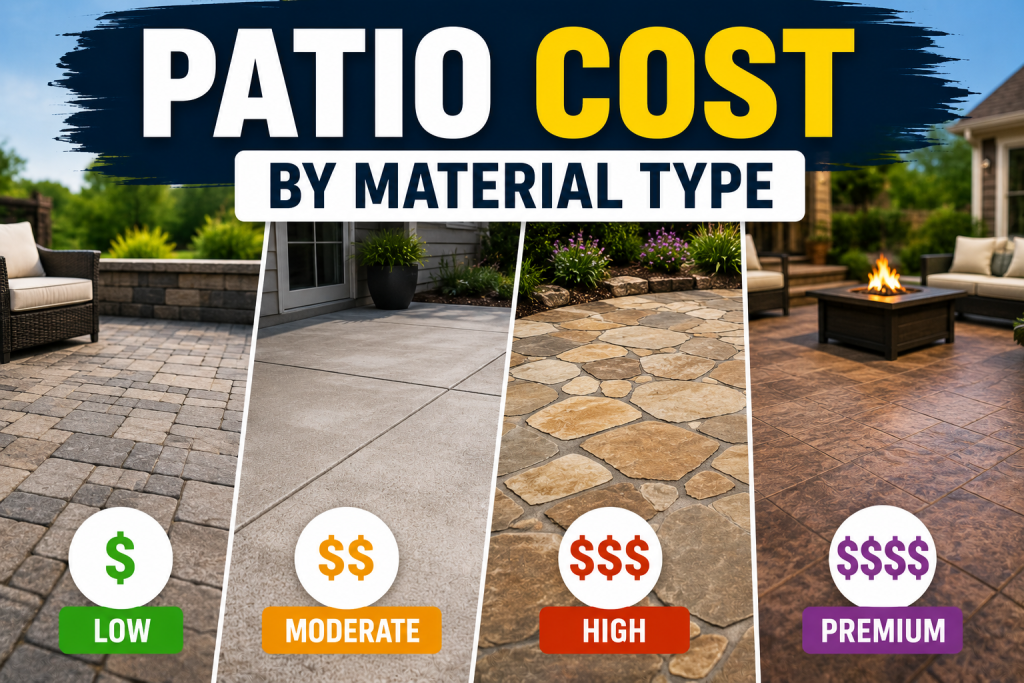
Pavers remain popular because they offer design flexibility and easier repairs over time. Although paver patio cost is typically higher upfront, many homeowners consider the long-term appearance and maintenance advantages worthwhile. Natural stone generally represents the premium end of the market because of material pricing and installation complexity. Comparing long-term durability alongside initial patio materials cost often leads to better investment decisions than focusing only on upfront expense.
Labor Costs That Affect Patio Installation Cost and Pricing
Labor can represent a significant portion of the total project budget, especially when site preparation and installation complexity increase. Homeowners often focus on materials first, but labor requirements frequently determine the final investment One of the biggest variables affecting patio installation cost is preparation work. Excavation, grading, base construction, drainage adjustments, and finishing details all influence how much labor is required before the patio surface is installed.
Understanding patio labor cost becomes especially important for projects involving uneven yards, custom layouts, or premium materials that require more installation time. Labor expenses may also increase when access to the backyard is limited. For homeowners comparing contractor estimates, reviewing labor scope separately from material pricing often creates a clearer understanding of total project value and expected long-term performance.
Patio Cost by Size and Layout
Many contractors continue using patio cost per square foot to compare layouts because it creates a more consistent way to evaluate pricing across project sizes. Design complexity, built-in features, and site conditions still influence final numbers. Homeowners comparing layouts often review backyard patio pricing together with long-term usability to determine whether expanding the project creates meaningful value.
Hidden Costs Homeowners Often Miss
Patio budgets often increase because of project details that are not obvious during early planning. Beyond surface materials and installation, several supporting costs can affect the final investment. Drainage improvements, excavation, permit requirements, lighting additions, edging systems, and site preparation frequently add to overall patio installation cost. These expenses become more noticeable when outdoor spaces require grading corrections or utility adjustments.
Homeowners also underestimate how changing material selections can affect total pricing. Upgrades to finishes, custom borders, and premium textures may increase overall patio materials cost even when the patio size remains unchanged. Understanding hidden expenses early makes it easier to compare contractor estimates accurately and reduce unexpected budget increases later in the project.
Patio Renovation vs New Installation Cost
Homeowners upgrading outdoor spaces often face a common decision: improve the existing patio or build a completely new one. The right choice depends on the condition of the current structure, project goals, and long-term budget expectations. In many cases, patio renovation cost is lower than starting over because the existing foundation, layout, or base materials can sometimes remain in place. Updating finishes, improving drainage, or expanding functionality may deliver noticeable improvements without full replacement.
However, new construction can make more sense when the current patio has structural issues, poor layout flow, or long-term maintenance concerns. Comparing renovation and replacement side by side often creates better financial decisions. When evaluating patio installation cost, homeowners should consider durability, future maintenance, and how the patio supports overall outdoor living rather than focusing only on immediate savings.
How to Save Money on Patio Installation
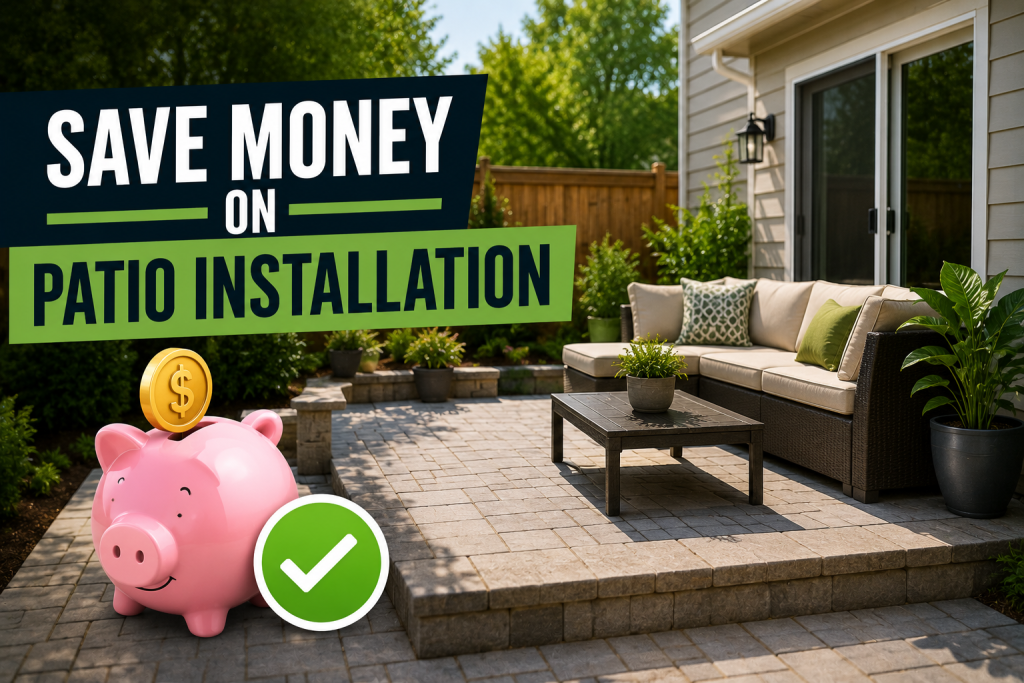
Saving money on a patio project does not always mean choosing the cheapest materials. The most effective approach is balancing upfront cost with durability, maintenance expectations, and long-term usability. One way to reduce patio installation cost is to simplify layout complexity and prioritize features that deliver the most practical value. Straight edges, efficient material use, and phased upgrades often help control spending. Timing also matters. Scheduling projects during slower contractor seasons may improve pricing flexibility in some markets. Comparing detailed estimates and reviewing scope carefully can also prevent unnecessary expenses. For homeowners considering updates instead of complete replacement, evaluating patio renovation cost alongside new construction estimates may reveal opportunities to preserve value while reducing overall investment.
Final Thoughts — Is a Patio Worth the Cost?
A patio can become one of the most valuable outdoor upgrades when planned around long-term use rather than short-term trends. The right design and material choices often improve usability, curb appeal, and overall outdoor enjoyment. Understanding patio installation cost helps homeowners make more confident decisions and avoid unexpected expenses during the planning process. Looking beyond initial pricing often leads to better long-term value. Material durability, installation quality, maintenance expectations, and project scope all influence whether a patio delivers lasting results. Comparing options carefully usually produces a stronger balance between budget and performance. For homeowners focused on creating a more functional outdoor space, a patio remains one of the most practical investments available when designed with both cost and long-term use in mind.
Frequently Asked Questions
What is the average patio installation cost for homeowners?
Average patio pricing depends on size, materials, layout complexity, labor requirements, and regional pricing. Smaller patios generally require lower investment, while larger custom projects increase total cost and overall patio installation cost.
Is a paver patio more expensive than concrete?
In many cases, paver patios cost more upfront because of installation complexity and material pricing. However, long-term maintenance and repair flexibility may improve overall value.
How much does labor cost for patio installation?
Labor pricing varies depending on excavation, grading, access conditions, drainage requirements, and installation difficulty. Reviewing contractor scope separately from materials often creates more accurate comparisons.
Does patio size affect pricing?
Yes. Larger patios usually increase total project investment because they require additional materials and installation time, although unit costs may become more efficient at larger sizes.
Is patio renovation cheaper than replacement?
Renovation can be more affordable when the existing structure remains in good condition. Replacement often becomes more practical when layout limitations or structural issues reduce long-term value.