


Popular Roof Styles in America: A Complete Homeowner’s Guide
Your roof does far more than protect your home from rain, wind, and snow. It also plays a major role in curb appeal, energy efficiency, maintenance costs, and even resale value. Across the United States, homeowners choose different roof shapes based on regional weather patterns, architectural preferences, and long-term performance expectations. The most popular roof choices often reflect local climate conditions. For example, steep roof designs are common in northern states that experience heavy snowfall, while low-slope systems are frequently seen in warmer regions. Roofing style can also influence attic ventilation, storm resistance, and insurance considerations.
Understanding today’s popular roof styles can help homeowners make smarter remodeling decisions and choose a design that complements both their home and their location. Whether you’re building a new house, replacing an aging roof, or exploring exterior renovation options, knowing the strengths and limitations of each style is an important first step. In this guide, we’ll examine the most common roof styles found across America, where they perform best, and how they affect home value, durability, and overall appearance.
Most Popular Roof Styles Found Across America
When discussing popular roof styles, a few designs consistently stand out across the United States. These roof types have remained popular because they balance appearance, functionality, and long-term durability. While regional preferences vary, most homeowners encounter the same core designs whether they live in Texas, Florida, Illinois, Colorado, or North Carolina. The right roof style can improve water drainage, enhance energy efficiency, and increase curb appeal. It can also affect future maintenance costs and how well a home performs during severe weather events.
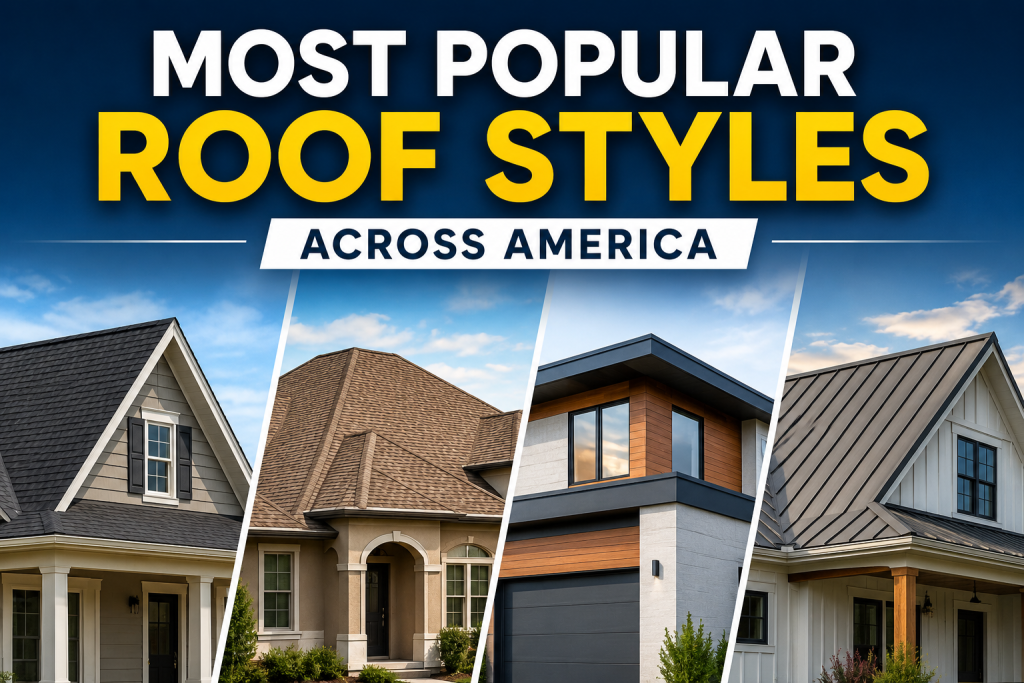
Factors such as snow loads, hurricane-force winds, and year-round humidity often influence which roofing styles become dominant in a particular area. Many of today’s popular roof styles have been used for decades, while others have gained attention through modern residential design trends. Understanding the advantages of each option can help homeowners identify which roof configuration best suits their property’s architecture, climate, and long-term goals.
Gable Roofs Remain a Homeowner Favorite
Among the most recognizable popular roof styles in the United States, the gable roof continues to be a top choice for homeowners. Characterized by two sloping sides that meet at a ridge, this design creates a classic triangular profile that works well with many architectural styles, including Colonial, Craftsman, and modern farmhouses. One reason gable roof styles remain so common is their ability to shed water and snow efficiently. The steep slopes help prevent moisture buildup, making them particularly effective in regions that experience frequent rainfall or winter storms. The design also allows for additional attic space and improved ventilation, which can contribute to better energy efficiency.
Gable roofs are widely used in states such as Michigan, Pennsylvania, and Minnesota, where snow accumulation is a major concern. They are also relatively straightforward to construct, often resulting in lower installation costs compared to more complex roof configurations. For homeowners seeking a balance of affordability, performance, and timeless curb appeal, the gable roof remains one of America’s most dependable options.
Hip Roofs Offer Superior Wind Resistance
Homeowners living in coastal and storm-prone regions often consider hip roofs among the most practical popular roof styles available today. Unlike gable roofs, a hip roof features slopes on all four sides that meet at the top, creating a more stable and aerodynamic structure. The primary advantage of hip roof designs is their ability to withstand high winds. Because all sides slope downward, wind pressure is distributed more evenly across the roof surface. This makes hip roofs particularly popular in states such as Florida, Louisiana, and the Carolinas, where hurricanes and tropical storms are frequent concerns. Many insurance providers also recognize the structural benefits of properly engineered hip roof systems in high-wind zones.
In addition to durability, hip roofs provide excellent drainage performance and a refined appearance that complements many home styles. Although construction costs are typically higher due to the additional framing requirements, many homeowners view the investment as worthwhile because of the roof’s strength, longevity, and attractive design. For storm resistance and long-term performance, hip roofs continue to rank among the nation’s preferred roofing choices.
Flat Roofs in Modern Residential Construction
Flat roofs have become increasingly common in contemporary home design, especially in urban and suburban developments that emphasize clean architectural lines. Although they are technically built with a slight slope for drainage, flat roofs create a sleek appearance that differs significantly from many traditional roofing systems. These roofs are often chosen for their functional benefits. Homeowners can use the space for rooftop patios, solar panel installations, HVAC equipment, or green roofing systems. In warmer states such as Arizona, Nevada, and parts of California, flat roofs are frequently incorporated into contemporary residential construction because they complement minimalist design aesthetics and desert-inspired architecture.
Despite their advantages, flat roofs require careful attention to waterproofing and drainage. Standing water can shorten a roof’s lifespan if maintenance is neglected. High-quality membrane systems and regular inspections help minimize these concerns. While they may not be suitable for every climate, flat roofs remain one of the popular roof styles for homeowners seeking a modern appearance and practical rooftop functionality.
Gambrel Roofs and Barn-Inspired Homes
The gambrel roof is easily recognized by its two-sided design, with each side featuring a steep lower slope and a shallower upper slope. Often associated with traditional barns, this roof style has become a distinctive feature in many residential properties throughout the Northeast and other rural regions of the United States. One of the biggest advantages of a gambrel roof is the additional interior space it creates. The steep lower slopes allow homeowners to maximize attic or upper-floor living areas without significantly increasing the home’s overall height. This makes the design particularly appealing for homeowners who want extra storage space, bonus rooms, or future expansion opportunities.
Gambrel roofs also contribute unique curb appeal and architectural character. They are commonly found on farmhouse-style homes and properties seeking a classic American aesthetic. Although they require proper engineering in areas with strong winds, gambrel roofs continue to be among the popular roof styles for homeowners who value both functionality and visual distinction.
Mansard Roofs and French-Inspired Architecture
The mansard roof originated in France but has earned a lasting place in American residential design. This style features four sides with a steep lower slope and a flatter upper section, creating an elegant appearance that stands out from more conventional roofing options. One of the primary benefits of a mansard roof is its ability to maximize usable living space. The steep lower slopes allow for larger upper floors, making the design attractive for homeowners who want additional bedrooms, home offices, or storage areas without dramatically increasing the building footprint.
Many historic homes in cities such as Boston, Philadelphia, and New Orleans showcase this distinctive roof configuration. Mansard roofs also offer exceptional architectural character and can increase a home’s visual appeal. However, their complex structure often results in higher construction and maintenance costs compared to simpler roof designs. Despite these considerations, mansard roofs remain one of the popular roof styles for homeowners seeking a sophisticated appearance and greater interior flexibility.
Popular Roof Styles for Different U.S. Climate Regions
Climate is one of the most important factors when selecting a roof design. A roof that performs exceptionally well in Florida may not be the best choice for a home in Minnesota or Colorado. Snow accumulation, hurricane-force winds, intense sunlight, heavy rainfall, and seasonal temperature swings all influence roofing performance over time. The most effective popular roof styles are often those designed to handle the environmental challenges common to a specific region. Roof pitch, drainage capabilities, ventilation, and structural strength all play a role in determining long-term durability and maintenance requirements.
Choosing a climate-appropriate roof can also improve energy efficiency and help reduce repair costs throughout the life of the home. For homeowners planning a roof replacement or new construction project, understanding how different designs perform in various parts of the country can lead to a smarter investment. The following sections explore which roof styles are best suited for America’s major climate zones and why they continue to be trusted by homeowners nationwide.
Best Roof Styles for Snowy Northern States
Homes located in northern states such as Minnesota, Wisconsin, Maine, and Vermont face unique roofing challenges during the winter months. Heavy snowfall, ice dams, and repeated freeze-thaw cycles can place significant stress on roofing systems, making roof design an important consideration for long-term durability. Steeply pitched roofs generally perform best in these environments because they encourage snow to slide off rather than accumulate on the surface. Gable roofs and certain hip roof configurations are particularly effective because they reduce excessive snow loads and help prevent moisture-related issues.
Proper attic ventilation is equally important, as it helps regulate temperatures and minimizes the risk of ice dam formation along roof edges. When homeowners in cold-weather regions evaluate popular roof styles, they often prioritize structural strength and drainage performance over purely aesthetic considerations. Choosing a roof designed to handle winter conditions can extend the lifespan of roofing materials, reduce maintenance costs, and improve overall home protection during harsh weather seasons.
Roof Styles That Perform Well in Hurricane-Prone Areas
In coastal states such as Florida, South Carolina, Louisiana, and Texas, roofs must be capable of withstanding extreme weather conditions. High winds, wind-driven rain, and flying debris can all place tremendous stress on a home’s roofing system during hurricanes and tropical storms. Hip roofs are often considered one of the strongest options for these environments because their four-sided design helps reduce wind uplift. Compared to roofs with large vertical end walls, hip roofs generally distribute wind forces more evenly across the structure. Roofing materials, fastening systems, and compliance with local building codes also play critical roles in storm performance.
Homeowners in hurricane-prone regions frequently evaluate popular roof styles based on resilience rather than appearance alone. Investing in a roof design that performs well during severe weather can help minimize repair costs, improve insurance outcomes, and provide greater peace of mind during storm season. Combining a durable roof shape with impact-resistant roofing materials creates one of the most effective strategies for protecting a home in coastal climates.
Ideal Roof Designs for Hot Southern Climates
Homes across Arizona, Texas, Nevada, and other warm-weather regions face a different set of roofing challenges. Intense sunlight, prolonged heat exposure, and high cooling demands require roof systems that can help manage indoor temperatures while maintaining long-term durability. Roof designs that promote ventilation and accommodate reflective roofing materials are often preferred in these climates. Hip roofs, gable roofs, and certain low-slope designs can all perform well when paired with energy-efficient materials and proper attic ventilation. Light-colored roofing products are also commonly used because they reflect more solar radiation and help reduce heat absorption.
When comparing popular roof styles for southern climates, homeowners often focus on energy efficiency, maintenance requirements, and long-term operating costs. A well-designed roofing system can contribute to lower utility bills and improved indoor comfort during periods of extreme heat. Selecting a roof that aligns with local climate conditions is one of the most effective ways to improve overall home performance and protect long-term property value.
How American roof architectures Has Evolved
Roof design in the United States has changed significantly over the centuries, reflecting shifts in construction methods, regional needs, and homeowner preferences. Early American homes often featured simple gable roofs because they were practical, cost-effective, and well-suited for shedding rain and snow. As architectural styles evolved, more complex roof forms became common across different parts of the country. The Victorian era introduced decorative rooflines, steep pitches, and elaborate details that emphasized visual appeal. Later, the rise of Craftsman, Ranch, and Colonial Revival homes influenced roofing trends throughout suburban America.
Advances in engineering and building materials also allowed homeowners to explore more diverse designs while maintaining structural reliability. Today, many of the popular roof styles seen across the country blend traditional influences with modern construction techniques. Homeowners now consider factors such as energy efficiency, storm resistance, maintenance costs, and resale value when selecting a roof. This evolution reflects the growing importance of balancing appearance, performance, and long-term investment in residential construction.
Traditional vs Modern Roof Styles
Homeowners today can choose from a wide range of roofing designs, but most options fall into two broad categories: traditional roof styles and modern roof styles. Each approach offers distinct advantages depending on the home’s architecture, budget, and long-term goals. Traditional roofs are commonly found on Colonial, Craftsman, Cape Cod, and farmhouse-style homes. These designs often feature steeper pitches, symmetrical shapes, and classic curb appeal that remains attractive across generations. Many homeowners appreciate their timeless appearance and compatibility with established neighborhoods and HOA communities.
Modern roof designs, on the other hand, emphasize clean lines, minimalist aesthetics, and functional outdoor spaces. Flat roofs and low-slope configurations are frequently used in contemporary construction because they complement current architectural trends and support features such as rooftop solar panels. Although design preferences vary, many of today’s popular roof styles successfully blend traditional character with modern performance improvements. Homeowners increasingly seek roofing solutions that provide visual appeal while also delivering energy efficiency, durability, and long-term value.
Choosing Among Residential Roof Types
Selecting the right roof involves more than choosing a design that looks attractive from the street. Homeowners should evaluate factors such as climate, budget, maintenance requirements, energy efficiency, and expected lifespan before making a final decision. The ideal roof is one that balances appearance with long-term performance. When comparing different residential roof types, it is important to consider how each design performs in local weather conditions. A roof that excels in snowy northern states may not be the best option for coastal regions exposed to hurricanes or areas with intense summer heat. Structural requirements and local building codes should also be part of the decision-making process.
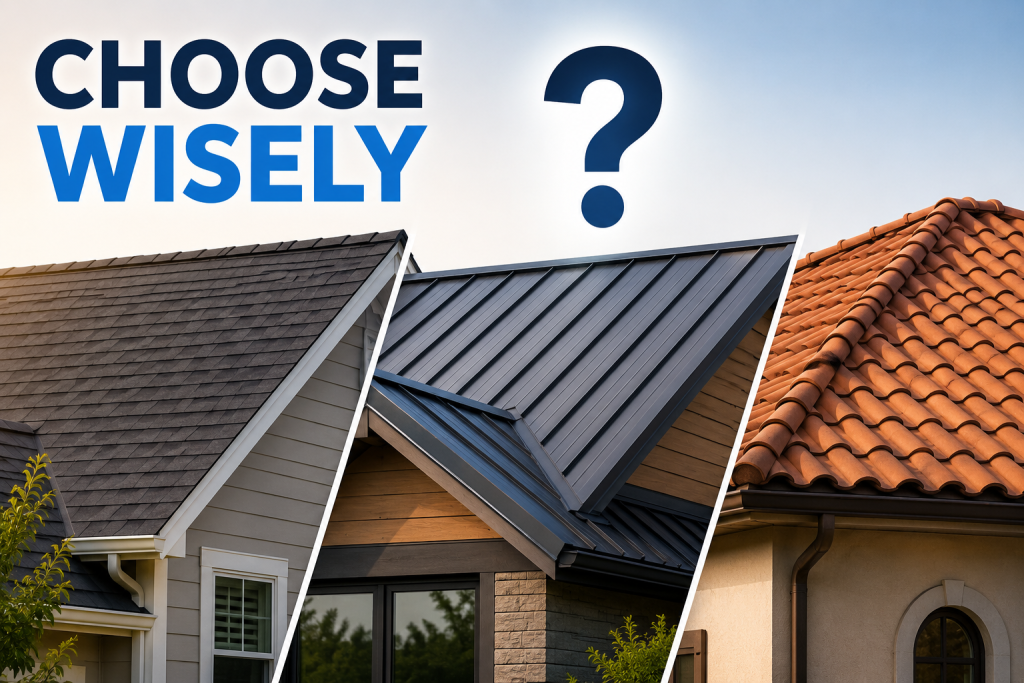
Insurance considerations, resale value, and future maintenance costs can significantly affect overall ownership expenses. Many homeowners find that investing in a roof suited to their region helps reduce repairs and improve long-term property value. Evaluating both immediate costs and lifetime benefits can lead to a more informed roofing investment and better overall homeowner satisfaction.
Roof Design Trends Homeowners Are Following in 2026
Several emerging roof design trends are influencing how homeowners approach roof replacements and new construction projects across the United States. While durability remains a top priority, many property owners are also looking for roofing solutions that improve energy efficiency, reduce maintenance needs, and enhance curb appeal. Metal roofing continues to gain popularity because of its long lifespan, weather resistance, and compatibility with solar energy systems. Reflective roofing materials are also becoming more common in warmer climates where homeowners want to reduce cooling costs.
In addition, architectural shingles remain a leading choice because they offer an attractive appearance while providing reliable performance. Many of today’s popular roof styles are being paired with energy-efficient technologies, improved ventilation systems, and sustainable building practices. Homeowners are increasingly focused on long-term value rather than simply choosing the least expensive option. As roofing materials and construction methods continue to evolve, modern roofs are expected to deliver stronger performance, better aesthetics, and greater efficiency than ever before.
Conclusion
Choosing among the many popular roof styles available today requires careful consideration of climate, budget, architectural preferences, and long-term maintenance expectations. While gable, hip, flat, gambrel, and mansard roofs each offer unique advantages, the best option ultimately depends on how well the design aligns with your home’s specific needs and location. Homeowners in snowy northern states often benefit from steep roof pitches that promote snow shedding, while those in coastal regions may prioritize wind-resistant designs that can better withstand hurricanes and severe storms.
Energy efficiency, insurance considerations, curb appeal, and resale value should also play an important role in the decision-making process. As roofing technologies continue to improve, homeowners have more opportunities than ever to combine durability, performance, and visual appeal. By understanding the strengths and limitations of today’s most popular roof styles, you can make a more informed investment that protects your home, enhances its appearance, and delivers value for years to come.
Frequently Asked Questions
What is the most common roof style in America?
The gable roof is widely considered the most common residential roof style in the United States. Its simple design, efficient water drainage, and relatively affordable construction costs make it a popular choice across many climate regions. Gable roofs are commonly found on Colonial, Craftsman, and traditional suburban homes.
Which roof style lasts the longest?
Longevity depends on both the roof design and the materials installed. Roof styles that provide excellent drainage and minimize water retention generally perform better over time. When paired with high-quality materials such as metal roofing or premium architectural shingles, many of the most popular roof styles can provide decades of reliable performance.
What roof style is best for high winds?
Hip roofs are often considered one of the best choices for areas exposed to strong winds and hurricanes. Their four-sided design helps distribute wind pressure more evenly, reducing the risk of uplift during severe storms. Proper installation and code-compliant construction remain essential regardless of roof style.
How long do durable tile floors last?
There is no single roof style that guarantees the highest resale value. Among the various popular roof styles, buyers typically prefer roofs that complement the home’s architecture, provide strong weather protection, and require minimal maintenance.