


Roof Pitch Explained: A Homeowner’s Guide to Understanding Roof Slope and Design
If you’re planning a roof replacement, building a new home, or simply trying to understand how roofing systems work, having roof pitch explained in simple terms can make a big difference. Roof pitch affects far more than appearance. It influences water drainage, snow shedding, material selection, installation costs, maintenance requirements, and even your home’s long-term value. In residential construction across the United States, roof pitch is one of the most important measurements contractors consider during the design process. A roof that is too flat may struggle with drainage, while an excessively steep roof can increase labor and safety costs.
The right pitch helps protect your home from weather-related damage while supporting energy efficiency and curb appeal. For homeowners looking for roof pitch explained in simple terms, understanding this measurement is essential before making roofing decisions. This guide breaks down roof pitch in a homeowner-friendly way, covering how it is measured, common pitch ratios, roofing material compatibility, regional considerations, and practical tips you can use before starting your next roofing project.
Roof Pitch Explained: What Does Roof Pitch Mean?
At its core, roof pitch describes how much a roof rises vertically for every 12 inches of horizontal distance. Roofing professionals often express pitch as a ratio, such as 4/12, 6/12, or 8/12. For example, a 6/12 roof rises 6 inches for every 12 inches of horizontal run.
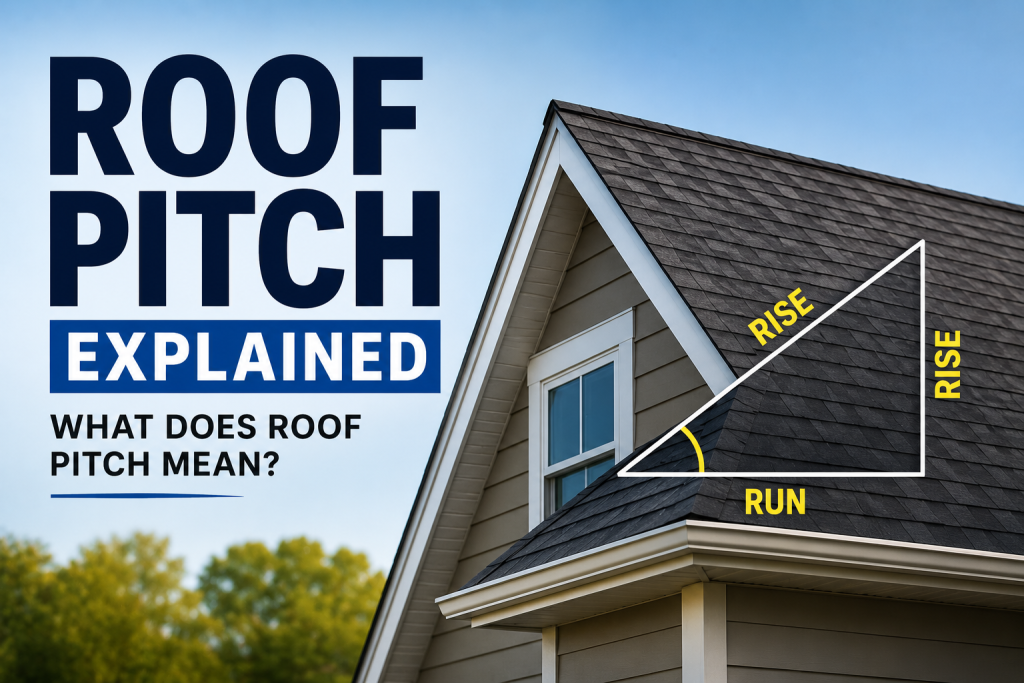
Understanding this measurement is essential because it affects how efficiently a roof handles rain, snow, wind, and debris. Homeowners often hear contractors discuss pitch when estimating roofing projects, recommending materials, or evaluating structural requirements.
Roof Pitch Explained Through Rise and Run
The two key components of roof pitch are rise and run. “Rise” refers to the vertical height gained, while “run” refers to the horizontal distance traveled. This standardized measurement system allows contractors, architects, and inspectors to communicate roof specifications accurately.
For example:
- 4/12 pitch = 4 inches of rise per 12 inches of run
- 6/12 pitch = 6 inches of rise per 12 inches of run
- 12/12 pitch = 12 inches of rise per 12 inches of run
This measurement system is one of the most common forms of roofing terminology used throughout the residential roofing industry.
Why Roof Pitch Matters for Homeowners
Roof pitch influences nearly every aspect of roofing performance. It determines drainage efficiency, impacts installation costs, affects maintenance accessibility, and helps define your home’s architectural style. In regions such as Florida, proper pitch helps move heavy rainfall away from the roof surface, while homes in Minnesota and Colorado often rely on steeper roofs to shed snow more effectively. Because of its impact on durability, appearance, and weather resistance, understanding roof pitch is an important part of making informed roofing decisions as a homeowner.
Roof Pitch Explained Through Common Roof Pitch Ratios
Not all roofs are built with the same slope. Residential homes across the United States use a variety of pitch ratios depending on local climate conditions, architectural preferences, and roofing material requirements. Knowing the most common pitch categories can help homeowners better understand contractor recommendations and roofing estimates.
Low-Slope Roof Examples
Roofs with pitches between 2/12 and 4/12 are generally considered low-slope systems. These roofs are often found on modern homes, additions, garages, and certain contemporary architectural designs. For homeowners seeking roof pitch explained clearly, understanding low-slope roofs is important because they handle drainage differently than steeper roof designs. While they offer a clean appearance and can reduce material costs, they require careful drainage planning to prevent standing water. Many homeowners researching roof designs use a roof slope guide to understand which pitch ranges qualify as low-slope systems and what roofing products are compatible with them.
Standard and Steep Residential Roof Pitches
Most American homes fall within the 5/12 to 9/12 pitch range. These roofs provide a balance between appearance, drainage performance, and installation practicality. They also work well with popular roofing materials such as asphalt shingles and metal roofing.
A steep roof pitch generally starts around 9/12 and above. These roofs are common in snow-prone regions because they help shed snow more effectively. Steeper roofs can also create additional attic space and add visual character to a home’s exterior, though they typically increase installation and maintenance costs due to safety requirements.
How to Measure Roof Pitch Accurately
Before selecting roofing materials or planning a replacement project, homeowners should understand how roof pitch is measured. Accurate measurements help contractors determine material quantities, installation methods, and compliance with local building requirements.
Measuring From the Roof Surface
The most direct method involves measuring the roof itself. Using a level marked at 12 inches and a tape measure, you can determine how many inches the roof rises over a 12-inch horizontal run. For example, if the roof rises 6 inches over that distance, the pitch is 6/12. Safety should always come first. Homeowners should avoid climbing onto roofs without proper equipment, especially on older surfaces or slopes that become slippery when wet.
Measuring From the Attic
Many homeowners prefer measuring from inside the attic because it reduces safety risks. By locating a rafter and using a level and tape measure, you can calculate the pitch without stepping onto the roof.
This method is also useful when you want the roof angle explained in practical terms. While roofing contractors typically use pitch ratios, roof angles can be converted into degrees for engineering, design, and planning purposes. Both measurements describe the same roof slope from different perspectives, helping homeowners better understand their roofing system.
Using a Roof Pitch Calculator
Once you have basic rise and run measurements, a roof pitch calculator can simplify the conversion process. These tools help homeowners quickly determine pitch ratios, roof angles, and other measurements commonly used during roofing projects. Understanding roof pitch explained concepts becomes much easier when calculators provide instant and accurate results. Online calculators are especially useful when comparing multiple roofing options or reviewing contractor estimates. Instead of manually performing calculations, you can enter your measurements and receive instant results. This can reduce errors and improve planning accuracy while reinforcing your understanding of roof pitch explained measurements.
However, calculators should be viewed as helpful tools rather than substitutes for professional assessments. Roof structures often include valleys, dormers, multiple slopes, and other architectural features that affect overall measurements. Experienced roofing contractors account for these details when preparing project estimates. For homeowners planning a roof replacement, combining calculator results with a professional inspection provides the most reliable information. This approach helps ensure accurate material ordering, realistic budgeting, and proper installation planning before work begins.
Low-Slope Roofing vs Steep Roof Pitch
Roof pitch plays a major role in determining how a roof performs under different weather conditions. From drainage capabilities to maintenance requirements, the slope of a roof directly affects its long-term durability and functionality.
Advantages of Low-Slope Roofing
Low-slope roofing systems are commonly used on modern homes, additions, and contemporary architectural designs. Their streamlined appearance appeals to homeowners seeking a clean, minimalist aesthetic. These roofs are generally easier to access for inspections, maintenance, and equipment installation.
Because water drains more slowly on low-slope roofs, selecting appropriate roofing materials and waterproofing systems is critical. Proper installation helps reduce the risk of leaks and moisture-related damage over time.
Benefits of a Steep Roof Pitch
Steeper roofs offer excellent drainage performance and are particularly beneficial in regions that experience heavy rain, snow, or ice accumulation. For homeowners researching roof pitch explained, steeper roof designs are often highlighted for their ability to shed snow and water more efficiently. Snow tends to slide off more easily, reducing the structural stress placed on the roofing system.
In addition to weather protection, steeper roofs often enhance curb appeal and create opportunities for larger attic spaces or vaulted ceilings. While installation costs can be higher due to increased labor and safety requirements, many homeowners view the added durability and visual appeal as worthwhile long-term investments.
Roof Pitch and Roofing Material Selection
One of the most important reasons homeowners need roof pitch explained clearly is that not every roofing material performs well on every roof slope. Manufacturers often specify minimum pitch requirements to ensure proper drainage and long-term performance. Understanding roof pitch explained principles can help homeowners choose roofing systems that match both their home’s structure and local climate conditions. Asphalt shingles, the most common residential roofing material in the United States, typically perform best on roofs with moderate to steeper pitches. Metal roofing offers greater flexibility and can be installed on a wider range of roof slopes when paired with appropriate underlayment systems.
Clay and concrete tiles are often used in regions such as Arizona, California, and parts of Texas, where their durability and appearance complement local architectural styles. However, these materials are heavier and may require additional structural support. For homeowners seeking roof pitch explained in practical terms, it is important to understand that roof pitch affects more than just appearance. Roof pitch also influences ventilation performance, maintenance accessibility, and overall lifespan. Before choosing a roofing system, homeowners should consult manufacturer guidelines and local building requirements to ensure compatibility between the roof structure and selected materials. Making the right choice can improve durability, reduce maintenance needs, and protect the home’s long-term value.
Roof Pitch Recommendations by US Climate Region
Climate is one of the biggest factors influencing roof design decisions across the United States. What works well in Florida may not be ideal for Minnesota, which is why understanding local weather patterns is essential when evaluating roof pitch options.
Snowy Northern States
In states such as Minnesota, Colorado, and parts of the Northeast, steeper roof pitches are often preferred because they help shed snow more efficiently. Reducing snow accumulation can minimize structural stress and lower the risk of ice dam formation during winter months. Homeowners in these regions should also consider attic ventilation and insulation performance, as both work together with roof pitch to improve overall roof durability.
Hurricane-Prone Southern Regions
In coastal areas of Florida, Louisiana, and the Gulf Coast, roof pitch must balance drainage performance with wind resistance. For homeowners looking for roof pitch explained in real-world conditions, coastal regions provide a great example of why roof pitch matters. Roofs that efficiently move water away from the structure help reduce moisture-related issues during heavy storms.
Local building codes and insurance requirements often influence recommended pitch ranges in these regions. Before starting a replacement project, homeowners should verify that their roofing plans meet local standards and weather-resilience expectations. Understanding roof pitch explained principles can help ensure the roof performs effectively against both heavy rainfall and strong coastal winds.
Roof Pitch and Residential Roof Design
Roof pitch is more than a structural measurement, it is a major factor in a home’s appearance, functionality, and market value. For homeowners seeking roof pitch explained in practical terms, it’s important to understand that the slope of a roof influences much more than its visual appeal. Homeowners often focus on roofing materials and colors, but the roof’s pitch can have an equally significant impact on curb appeal and overall architectural character. A well-planned residential roof design complements the home’s style while supporting practical performance needs. For example, Colonial and Craftsman homes commonly feature moderate roof pitches, while A-frame and Tudor-style homes often incorporate much steeper slopes to create distinctive visual appeal.
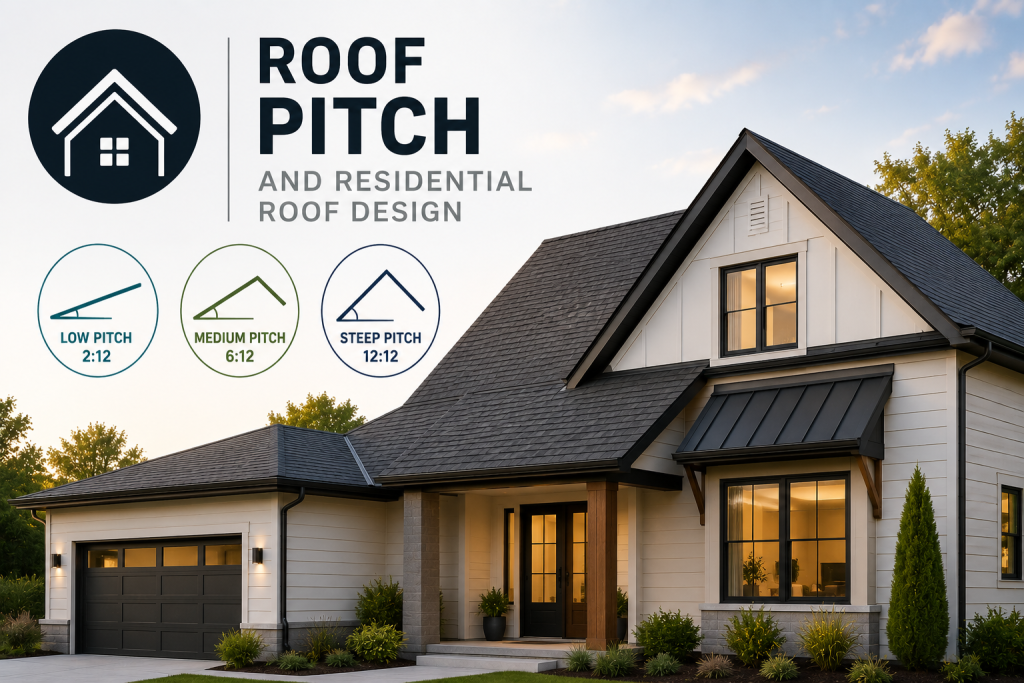
When discussing roof pitch explained, energy efficiency is another important consideration. Adequate attic space allows for better insulation and ventilation, helping regulate indoor temperatures throughout the year. In addition, buyers often view attractive, properly maintained roofs as a positive feature when evaluating a home’s resale potential. Whether building a new home or replacing an aging roof, selecting an appropriate pitch helps balance aesthetics, durability, maintenance requirements, and long-term property value.
Common Roof Pitch Mistakes Homeowners Make
Understanding roof pitch explained concepts can help homeowners avoid costly mistakes during roof replacements and new construction projects. While roof pitch may seem like a simple measurement, overlooking its importance can lead to performance issues, higher maintenance costs, and premature roof failure. One of the most common mistakes is selecting roofing materials without considering minimum pitch requirements. Some products are designed for steeper slopes, while others require specialized installation methods on lower-pitched roofs. Ignoring these recommendations can increase the risk of leaks and water intrusion.
Another frequent issue is focusing only on appearance. A roof that looks attractive may not be the best choice for the local climate. Homeowners should evaluate rainfall levels, snow loads, wind exposure, and drainage needs before finalizing a roofing design. Many homeowners also underestimate the importance of local building codes. Roofing requirements can vary by region, and code compliance plays a critical role in safety, insurance eligibility, and long-term property protection. Consulting a qualified roofing professional early in the planning process can help prevent these costly errors.
Conclusion
Having roof pitch explained in clear, practical terms helps homeowners make better decisions when planning roof repairs, replacements, or new construction projects. Roof pitch influences everything from water drainage and weather protection to material compatibility, maintenance requirements, and curb appeal. Whether your home has a low-slope roof, a standard residential pitch, or a steeper design built for snow-prone climates, understanding how roof pitch works can help you evaluate contractor recommendations with greater confidence. It also allows you to choose roofing materials that match your home’s structure and local weather conditions. Before starting any roofing project, take the time to verify pitch measurements, review local building requirements, and consult experienced roofing professionals. A properly designed roof is one of the most important investments you can make in your home, helping protect its value, efficiency, and long-term durability for years to come.
Frequently Asked Questions
What is considered a good roof pitch?
There is no single roof pitch that works best for every home. In most residential applications, pitches between 4/12 and 9/12 provide a balance of drainage performance, durability, and installation practicality. The ideal pitch depends on climate conditions, architectural style, and roofing material requirements.
Is a 4/12 roof pitch enough?
Yes. A 4/12 pitch is commonly used on residential homes and generally provides adequate water drainage when paired with compatible roofing materials. However, local weather conditions and manufacturer recommendations should always be considered before installation.
What roof pitch is best for snow?
Homes in areas with significant snowfall often benefit from steeper roof pitches because snow slides off more easily. Many northern homes use pitches of 8/12 or greater to reduce snow accumulation and limit structural stress during winter months.
How do I convert roof pitch to degrees?
Roof pitch and roof angle measure the same slope using different systems. Online conversion tools and roofing reference charts can quickly convert common pitch ratios into degrees for design and planning purposes.
Can I use shingles on a low-pitch roof?
In many cases, yes. However, asphalt shingles have minimum pitch requirements established by manufacturers. Roofs with lower slopes may require additional underlayment protection or alternative roofing systems to ensure proper water resistance and long-term performance.