


Signs You Need a New Roof: Key Warnings Every US Homeowner Should Know
Your roof is one of the most important components of your home, protecting everything beneath it from rain, wind, snow, heat, and debris. However, many homeowners don’t realize their roof is failing until major issues appear inside the house. By that point, repairs can become expensive, and hidden structural damage may already exist. Understanding the early roof damage signs can help you address problems before they escalate into costly emergencies.
Whether you own a home in hurricane-prone Florida, hail-heavy Texas, or a snow-covered Northern state, roofing systems experience wear from climate, age, and daily exposure to the elements. Recognizing the signs you need a new roof allows you to plan, protect your investment, and avoid unexpected replacement costs. In this guide, we’ll cover the most common warning signs homeowners should watch for and explain when it’s time to consider a full roof replacement instead of another temporary repair.
Top Signs You Need a New Roof Before Major Damage Occurs
Many roofing problems develop gradually, making them easy to overlook during routine home maintenance. Small issues that seem harmless today can lead to water intrusion, insulation damage, and costly structural repairs in the future. That’s why homeowners should pay close attention to the early roof replacement warning signs that indicate a roof may be nearing the end of its service life. One of the most reliable indicators is visible deterioration across multiple areas of the roof.
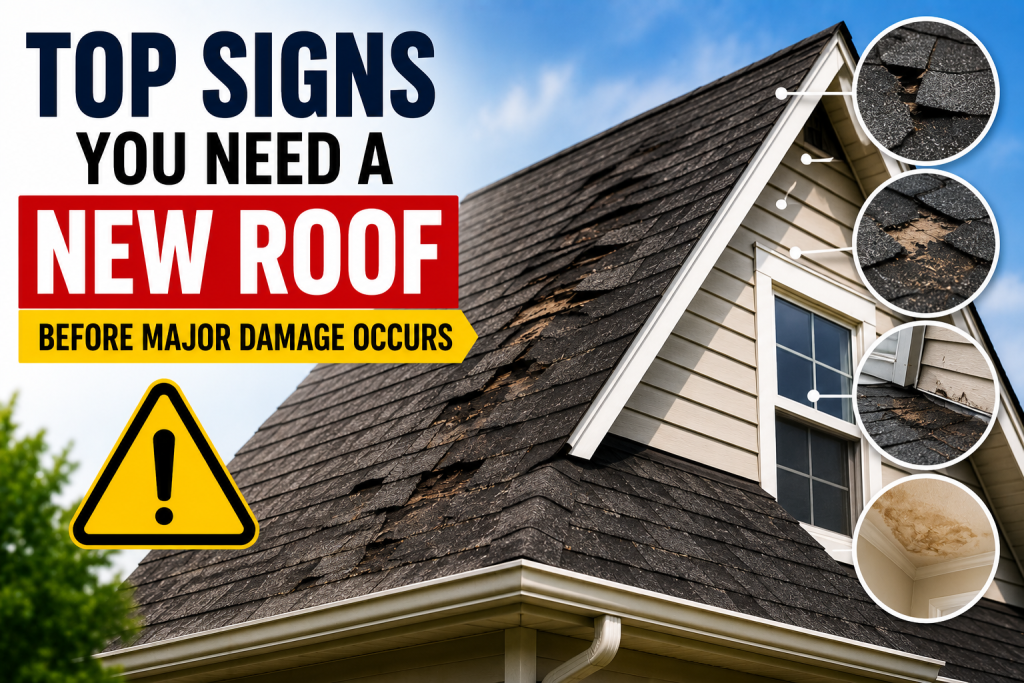
If repairs are becoming more frequent or widespread, replacement may be more cost-effective than continually patching isolated problems. Age also plays an important role. Most asphalt shingle roofs last between 20 and 30 years, depending on installation quality, weather conditions, and maintenance history. Understanding the signs you need a new roof early can help you schedule improvements on your timeline rather than dealing with an unexpected roofing emergency.
Missing Shingles Are Becoming Common
Quality roofing shingles serve as the first line of defense against moisture and weather exposure. When missing shingles begin appearing in multiple sections of the roof, the underlying materials become vulnerable to water damage and accelerated deterioration. While replacing a few shingles after a storm may be sufficient, widespread shingle loss often signals a larger problem. Older roofs can experience adhesive failure, weakened fasteners, and material fatigue that make shingles more susceptible to wind uplift.
Homes located in regions such as Texas, Oklahoma, and coastal Florida are particularly vulnerable to these conditions. If missing shingles continue to appear despite repairs, it may indicate that the roofing system as a whole is reaching the end of its lifespan. In many cases, this becomes one of the clearest signs you need a new roof, especially when combined with other age-related issues.
Frequent Roof Leak Problems Inside the Home
Water stains on ceilings, peeling paint, damp insulation, and unexplained mold growth are often signs that moisture is entering the home through the roofing system. While a single leak can sometimes be repaired, recurring roof leak problems usually indicate deeper issues that extend beyond one damaged area. Leaks often develop around flashing, roof penetrations, valleys, or sections where roofing materials have deteriorated over time. Unfortunately, water rarely travels in a straight line, making the source difficult to identify without a thorough inspection.
As moisture continues to spread, it can damage framing, drywall, insulation, and even electrical components. Homeowners should never ignore persistent leaks, especially if they continue after previous repairs. When multiple leak locations begin appearing or repairs become increasingly frequent, it may be one of the strongest signs you need a new roof rather than another short-term fix.
Signs You Need a New Roof After Severe Weather Events
Extreme weather is one of the leading causes of premature roof failure across the United States. From hurricanes along the Gulf Coast to hailstorms in the Midwest and high winds throughout the Great Plains, roofing materials are constantly exposed to environmental stress. Even when damage isn’t immediately visible from the ground, severe weather can weaken the roof’s ability to protect your home.
After major storms, homeowners should look for displaced materials, exposed underlayment, dented flashing, and debris-related impacts. Small issues can quickly worsen if moisture penetrates vulnerable areas. Weather-related deterioration is especially concerning for older roofing systems that have already experienced years of wear and tear. For many homeowners, recurring storm-related issues become one of the clearest signs you need a new roof, particularly when repairs are required after nearly every significant weather event.
Storm Roof Damage From Hail and Wind
Severe weather can cause immediate and long-term roofing problems. Storm roof damage often begins with hail impacts that crack shingles, loosen protective granules, or create small fractures that worsen over time. Strong winds can lift roofing materials, break seals, and expose vulnerable sections of the roof deck. The challenge is that weather damage isn’t always obvious from street level.
A roof may appear intact while hidden weaknesses allow moisture infiltration months later. This is especially common in states such as Texas, Colorado, Kansas, and Florida, where severe storms occur regularly. If storm-related repairs become increasingly common or large portions of the roof have been affected by multiple weather events, homeowners should evaluate whether replacement is a better long-term investment than continued patchwork repairs.
Granule Loss and Surface Deterioration
As asphalt shingles age, they gradually lose the protective granules that shield them from ultraviolet rays, moisture, and temperature fluctuations. These granules often collect in gutters, downspouts, or near the base of the home. While a small amount of granule shedding is normal, excessive loss can significantly reduce a roof’s ability to withstand the elements. Surface deterioration typically becomes more noticeable as roofs approach the later stages of their lifespan. Homeowners may observe uneven coloring, bald spots on shingles, or areas that appear worn compared to surrounding sections.
These conditions leave roofing materials more vulnerable to cracking, moisture penetration, and weather-related damage. When widespread granule loss appears across multiple roof sections, it often indicates that the roofing system is deteriorating beyond what minor repairs can address. Combined with other visible defects, this may signal that a full replacement should be considered in the near future.
Aging Roof Symptoms Homeowners Should Never Ignore
Every roofing system has a finite lifespan. Even high-quality materials eventually deteriorate after years of exposure to sunlight, moisture, temperature swings, and severe weather. Recognizing common aging roof symptoms can help homeowners avoid unexpected failures and make informed decisions about replacement timing. As roofs grow older, the materials become less flexible and more vulnerable to damage. Protective layers begin to break down, reducing the roof’s ability to repel water and regulate indoor temperatures.
Homes in regions with frequent freeze-thaw cycles, heavy snowfall, or intense summer heat often experience accelerated wear. While age alone doesn’t automatically require replacement, visible deterioration combined with recurring repairs should not be ignored. For many homeowners, these conditions become clear signs you need a new roof, particularly when performance continues to decline despite ongoing maintenance efforts.
Curling, Cracking, and Buckling Shingles
Shingles are designed to lie flat and create a continuous protective barrier across the roof. When they begin curling at the edges, developing cracks, or buckling in the middle, it often indicates long-term material deterioration. Curling typically occurs after years of exposure to heat, moisture, and ultraviolet radiation. Cracked shingles can allow water to penetrate beneath the roofing surface, while buckling may suggest trapped moisture or ventilation issues beneath the roof system.
These conditions reduce the roof’s ability to withstand future storms and increase the likelihood of leaks. Although isolated damage can sometimes be repaired, widespread shingle distortion across multiple roof slopes often points to a roofing system nearing the end of its useful life. In such cases, replacement may provide a more reliable and cost-effective solution than repeated repairs.
Sagging Roof Decks and Structural Concerns
A roof should maintain a straight, uniform appearance across all visible sections. If certain areas begin to dip, bow, or sag, homeowners should treat the issue as a serious warning sign. Structural irregularities often indicate long-term moisture exposure, weakened decking, or deterioration within the supporting framework. Sagging can develop gradually, making it easy to overlook until the problem becomes severe. Water infiltration is one of the most common causes, as prolonged moisture can weaken wood components and reduce their load-bearing capacity.
In regions that experience heavy snowfall or frequent storms, additional weight can accelerate structural stress. Unlike cosmetic roofing issues, structural concerns rarely improve with minor repairs alone. When sagging becomes visible from the ground or continues to worsen over time, it may represent one of the most significant signs you need a new roof. Prompt evaluation can help prevent further damage and protect the long-term safety of the home.
Signs You Need a New Roof Based on Energy Efficiency Changes
Many homeowners associate roofing problems with leaks and visible damage, but declining energy performance can also indicate that a roof is no longer functioning properly. A well-maintained roofing system helps regulate indoor temperatures, reduce heat transfer, and support overall home efficiency. When roofing materials begin to deteriorate, these benefits often diminish. Older roofs may allow excessive heat to enter during summer months or escape during winter, forcing HVAC systems to work harder to maintain comfortable indoor conditions.
Poor ventilation, damaged underlayment, and worn roofing materials can all contribute to rising energy consumption. While utility costs can increase for many reasons, a noticeable decline in energy efficiency combined with other roofing concerns may be among the lesser-known signs you need a new roof. Identifying the source early can help homeowners avoid unnecessary energy expenses and improve long-term comfort.
Higher Utility Bills
Unexpected increases in heating and cooling costs sometimes originate above the living space rather than within the HVAC system itself. As roofing materials age, their ability to reflect heat and provide effective thermal protection can decline, allowing greater temperature fluctuations throughout the home. In warmer states such as Arizona, Texas, and Florida, deteriorating roofing materials may contribute to higher cooling demands during extended periods of extreme heat.
In colder Northern climates, insufficient roof performance can allow valuable indoor warmth to escape during winter months. When utility bills continue rising despite regular HVAC maintenance and stable energy rates, homeowners should consider whether the roof may be contributing to the problem. Evaluating the condition of the roofing system can reveal hidden issues that affect both comfort and energy efficiency.
Poor Attic Ventilation and Heat Transfer
Proper attic ventilation plays a critical role in extending roof lifespan and maintaining indoor comfort. When ventilation systems fail to move excess heat and moisture out of the attic, roofing materials can deteriorate more quickly and place additional strain on the home’s heating and cooling systems. During summer, trapped heat can cause attic temperatures to rise significantly above outdoor conditions, accelerating shingle aging and increasing cooling costs. In colder climates, inadequate ventilation may contribute to moisture buildup, condensation, and damage to insulation or wood components.
Over time, these conditions can affect both roof performance and structural integrity. Homeowners who notice excessive attic heat, moisture-related issues, or uneven indoor temperatures should investigate the condition of their roofing and ventilation systems. In some cases, these problems can become overlooked signs you need a new roof, particularly when they occur alongside other indicators of roof deterioration. Addressing these concerns early can help preserve roof performance and prevent long-term damage that may lead to more extensive repairs or replacement needs.
Professional Roof Evaluation: When to Call an Expert
Even when roofing problems seem minor, a professional assessment can provide valuable insight into the overall condition of the system. Homeowners often focus on visible issues such as leaks or damaged shingles, but trained roofing professionals can identify hidden deterioration that may not be apparent from the ground. A thorough residential roof inspection typically includes an evaluation of shingles, flashing, ventilation, decking, drainage components, and areas vulnerable to moisture intrusion. Inspectors also look for signs of structural movement, weather-related damage, and material wear that could shorten the roof’s remaining lifespan.
These findings can help confirm whether the issues are isolated repairs or broader signs you need a new roof. Scheduling an inspection is particularly important after severe storms, before listing a home for sale, or when a roof approaches the end of its expected service life. In many situations, a professional evaluation can help homeowners determine whether repairs are still practical or whether replacement offers the better long-term solution.
What Roofing Professionals Look For
Roofing specialists evaluate much more than surface-level damage. Their goal is to determine whether the roof can continue performing reliably or if underlying issues are compromising its effectiveness. During an assessment, professionals examine shingle condition, flashing integrity, ventilation performance, drainage systems, and any signs of moisture penetration. They also inspect areas around chimneys, skylights, roof valleys, and other vulnerable transitions where leaks commonly develop. In addition, inspectors assess the condition of the roof deck and supporting components to identify structural concerns that may not be visible from the exterior.
Many of these issues can be early signs you need a new roof, especially when multiple problems are discovered during the same inspection. By reviewing the entire roofing system rather than isolated problem areas, professionals can provide a more accurate recommendation regarding repair or replacement. This comprehensive approach helps homeowners make informed decisions based on the roof’s overall condition and expected remaining lifespan.
Repair vs. Replacement Decision Factors
Deciding between roof repair and full replacement often comes down to the extent of the damage, the age of the roofing system, and the long-term costs involved. While repairs can be an effective solution for isolated issues, they may only provide temporary relief when a roof is approaching the end of its expected lifespan. Homeowners should consider how frequently repairs have been needed over the past several years. If leaks, shingle damage, or weather-related issues continue to reappear, ongoing maintenance costs can quickly add up.
In these situations, investing in a replacement may offer greater value and reliability over time. Another important factor is future performance. A newer roof can improve weather protection, energy efficiency, curb appeal, and buyer confidence. Evaluating both immediate expenses and long-term benefits helps homeowners choose the option that best protects their property and financial investment.
Roof Replacement Warning Signs That Affect Home Value
A roof does more than protect a home from the elements, it also plays a major role in property value, buyer confidence, and insurance eligibility. When a roof begins showing visible deterioration, potential buyers often view it as a future expense, which can reduce the home’s market appeal and negotiating power. Lenders, insurance providers, and home inspectors frequently evaluate roof condition during real estate transactions.
An aging or damaged roof can complicate the sales process, trigger additional inspections, or lead buyers to request concessions before closing. These concerns become even more significant in competitive housing markets where buyers have multiple options. For homeowners planning to sell within the next few years, paying attention to the signs you need a new roof can help preserve property value and prevent unexpected obstacles during the selling process.
Insurance Challenges and Coverage Concerns
Insurance companies carefully assess roof condition because roofing systems are one of the home’s primary defenses against weather-related losses. As roofs age, some insurers may limit coverage options, increase premiums, or require documentation proving that the roof remains in serviceable condition. In regions prone to hurricanes, hailstorms, or severe wind events, insurers often apply stricter underwriting standards.
A roof that shows extensive wear or has a history of recurring claims may raise concerns about future risk exposure. In some cases, homeowners may be required to replace the roof before qualifying for certain coverage terms. Maintaining a roof in good condition not only helps protect the home but can also improve insurability and reduce the likelihood of coverage disputes following severe weather events.
Reduced Curb Appeal and Resale Value
The roof is one of the most visible exterior features of any home. Stained, worn, or visibly deteriorated roofing materials can negatively affect first impressions and make an otherwise well-maintained property appear neglected. Prospective buyers often recognize roofing issues as a significant future expense. Even if no active leaks are present, concerns about remaining roof lifespan can influence purchase decisions and reduce the amount buyers are willing to offer.
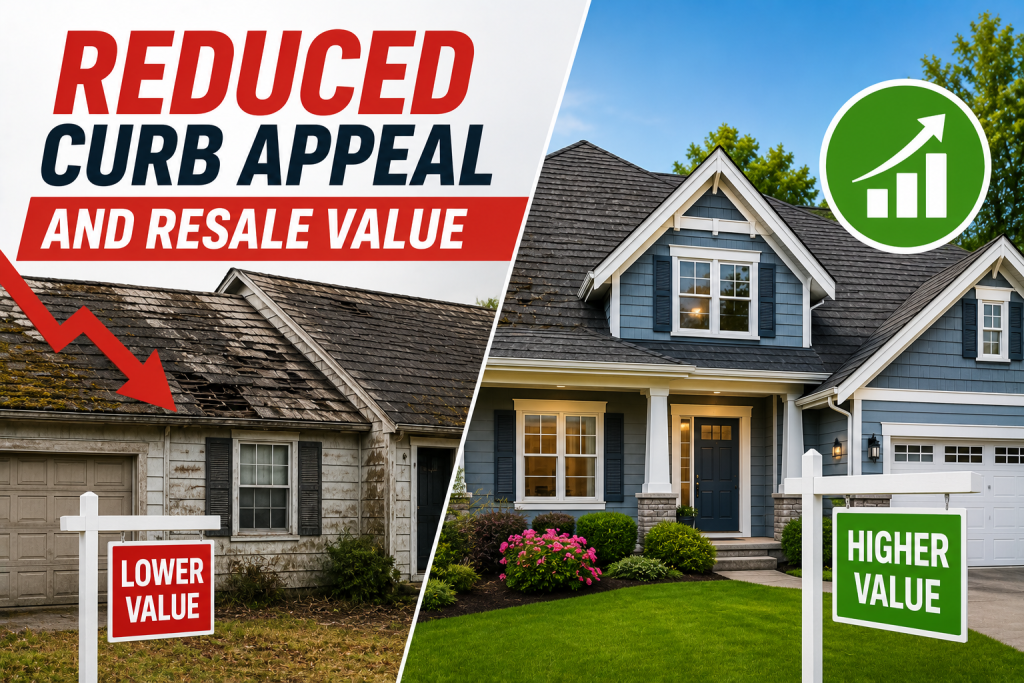
A newer roof, by contrast, can increase buyer confidence and serve as a valuable selling point. For homeowners focused on maximizing resale value, addressing roofing concerns before listing the property can improve marketability and help support stronger offers. A well-maintained roof contributes to overall curb appeal and reinforces the perception that the home has been properly cared for over time.
Conclusion
Recognizing the signs you need a new roof can help homeowners avoid costly repairs, protect their property’s value, and maintain reliable weather protection year-round. While isolated issues can sometimes be addressed through targeted repairs, widespread deterioration often indicates that the roofing system is nearing the end of its useful life. From recurring leaks and storm-related damage to structural concerns and declining energy efficiency, roofing problems rarely improve without proper attention.
Addressing these warning signs early allows homeowners to plan for replacement on their own schedule rather than facing an unexpected emergency. If you’re noticing several of the conditions discussed in this guide, it may be time to consult a qualified roofing professional. Understanding the signs you need a new roof and taking proactive action can help preserve your home’s safety, comfort, and long-term value for years to come.
Frequently Asked Questions
1. What are the signs you need a new roof?
Common signs you need a new roof include missing or curling shingles, excessive granule loss, recurring leaks, sagging roof sections, damaged flashing, and widespread storm damage. An aging roof that requires frequent repairs may also be approaching the end of its useful life. If several of these warning signs appear at the same time, a professional roof inspection can help determine whether replacement is necessary.
2. How do I know if I need a roof repair or a full replacement?
A roof repair may be sufficient when damage is limited to a small area and the rest of the roofing system is still in good condition. Roof replacement is more likely to make sense when damage is widespread, leaks keep returning, shingles are deteriorating across multiple sections, or the roof is approaching the end of its expected lifespan. A professional inspection can help determine the extent of the damage.
3. How old should a roof be before it is replaced?
The replacement age depends on the roofing material, installation quality, maintenance, and local weather conditions. Asphalt shingle roofs commonly last around 20 to 30 years, although severe heat, hail, high winds, poor ventilation, or installation problems can shorten their service life. Roof condition should be considered alongside age rather than using age alone to decide when replacement is necessary.
4. Can a roof need replacement even if it is not leaking?
Yes. A roof can show significant deterioration before water begins entering the home. Widespread granule loss, curling or cracked shingles, damaged flashing, sagging areas, and repeated storm damage can indicate that the roofing system is failing even without an active leak. Replacing a severely deteriorated roof before leaks develop may help prevent damage to insulation, decking, ceilings, and other parts of the home.
5. Do granules in the gutters mean I need a new roof?
A small amount of granule loss can occur naturally, especially with asphalt shingles. However, large or increasing amounts of granules in gutters and downspouts, particularly when combined with bald spots or visibly worn shingles, may indicate advanced roof deterioration. Widespread granule loss should be evaluated along with the roof’s age and overall condition before deciding whether replacement is needed.
6. Do missing shingles mean the whole roof needs to be replaced?
Not always. A few missing shingles caused by an isolated storm may be repairable if the surrounding roofing materials are still in good condition. However, shingles repeatedly coming loose or disappearing across multiple sections of an older roof may indicate material deterioration or weakened fastening. In that situation, a full roof replacement may provide a more reliable long-term solution than repeated repairs.
7. How long does an asphalt shingle roof typically last?
An asphalt shingle roof often lasts approximately 20 to 30 years, but actual lifespan varies considerably. Installation quality, attic ventilation, sun exposure, temperature changes, hail, wind, moisture, and maintenance can all affect how quickly shingles deteriorate. Regular inspections can help identify aging roof symptoms before they develop into larger problems.