


Top 10 Roofing Materials: How to Choose the Best Roofing Materials for Your Home
Replacing a roof is one of the biggest investments most homeowners make, and the right material can influence everything from energy bills to insurance costs and long-term resale value. The challenge is that there is no single roofing option that works for every climate, budget, or home style. The best roofing materials depend on several factors, including local weather, maintenance expectations, lifespan, appearance, and installation costs. A roof that performs well in coastal Florida may not be the right fit for snowy regions in Colorado or freeze-thaw conditions across the Midwest.
Modern homeowners also evaluate roofing through a broader lens, storm resistance, HOA requirements, curb appeal, and long-term ownership costs. Some materials prioritize affordability, while others deliver decades of durability with minimal maintenance. Before comparing the top roofing options, it helps to understand what actually determines long-term roof performance.
How to Choose the Best Roofing Materials for Your Home
Choosing a roof starts with matching material performance to real homeowner needs instead of focusing only on upfront pricing. Evaluate these factors first:
- Climate exposure: Heat, snow load, humidity, hurricanes, and hail all affect material performance.
- Expected lifespan: A lower-cost roof may require replacement sooner.
- Maintenance requirements: Some systems need periodic inspections and repairs.
- Energy efficiency: Reflective roofing can reduce cooling costs in warmer states.
- Resale value: Premium materials may improve buyer perception.
- Local building codes: Roofing standards vary across US regions.
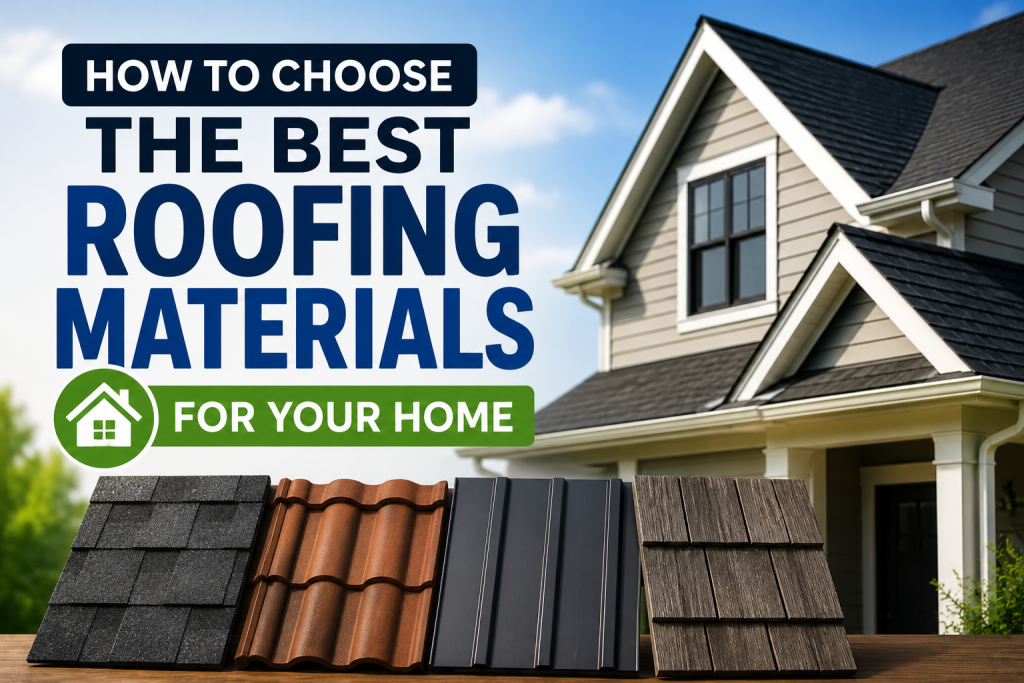
The best roofing materials balance appearance, durability, weather protection, and ownership cost over time. Homeowners planning to stay long term may prioritize lifespan and energy performance, while those preparing to sell often focus on curb appeal and ROI. The next section compares the top roofing choices side by side so you can narrow down the right option before evaluating individual materials.
Best Roofing Materials Compared: Quick Comparison Table
Before selecting a roofing system, compare the most important decision factors side by side. Homeowners often focus on price first, but lifespan, maintenance, regional performance, and energy savings can have a bigger long-term impact.
| Roofing Material | Typical Lifespan | Relative Cost | Best US Regions | Maintenance Level | Best For |
| Asphalt Shingles | 20–30 years | $ | Nationwide | Low | Budget-friendly replacement |
| Metal Roof | 40–70 years | $$–$$$ | Texas, Colorado, Midwest | Low | Durability and energy savings |
| Slate Roof | 75–100+ years | $$$$ | Northeast | Very Low | Premium long-term value |
| Clay Tile Roof | 50–100 years | $$$ | Florida, Southwest | Low | Heat resistance |
| Composite Roof | 30–50 years | $$–$$$ | Mixed climates | Low | Balanced performance |
| Wood Shakes | 25–40 years | $$$ | Pacific Northwest | High | Natural appearance |
| Concrete Tile | 50+ years | $$$ | Warm climates | Low | Longevity |
| Standing Seam Metal | 50+ years | $$$ | Storm-prone regions | Low | Modern homes |
| Built-Up Roofing | 20–30 years | $$ | Low-slope applications | Medium | Layered protection |
| Solar Roofing | 25–30 years | $$$$ | Sunny regions | Low | Energy-focused upgrades |
When comparing roof systems, avoid treating lifespan as the only decision factor. Installation quality, attic ventilation, local weather exposure, and maintenance habits often determine real-world performance. For example, homeowners in hurricane-prone areas may prioritize wind resistance, while homeowners in northern states often focus on snow shedding and freeze-thaw durability. Energy-conscious households may place higher value on heat reflection and utility savings. The best roofing materials are the ones that match how the home will actually be used over the next 20–30 years, not simply the most expensive option on the market.
1. Asphalt Shingles
For most American homeowners, asphalt shingles remain the default roofing choice because they offer a practical balance between cost, appearance, availability, and installation speed. They continue to dominate residential roof replacements across the US due to broad contractor familiarity and lower upfront investment compared with premium materials.
Why Asphalt Shingles Remain a Popular Choice
Asphalt roofs work well across multiple climates and home styles. Modern architectural shingles are more durable roofing systems than older three-tab versions and can improve curb appeal while maintaining reasonable ownership costs. Homeowners often choose this material because it offers:
- Lower installation costs
- Wide color and style selection
- Faster replacement timelines
- Strong availability across US markets
- Good compatibility with standard roof structures
Pros and Limitations
The biggest advantage of asphalt roofing is affordability. It is often the easiest entry point for homeowners replacing aging roofs without major structural upgrades. However, shorter lifespan and greater exposure to weather aging remain important tradeoffs. Intense heat, hail, and repeated storm exposure may reduce long-term performance. Among today’s options, asphalt remains one of the best roofing materials for homeowners prioritizing value, predictable maintenance, and broad design flexibility rather than maximum lifespan.
2. Metal Roofing
Homeowners looking for longer service life and stronger weather resistance often move beyond traditional roofing options and consider metal roofing. Once associated mostly with rural or commercial buildings, modern metal systems have become increasingly popular in suburban neighborhoods because of their durability, clean appearance, and energy performance.
Where Metal Roofs Perform Best
Metal roofs are especially effective in regions exposed to harsh environmental conditions. They perform well in areas that experience heavy snow, strong sun exposure, high winds, or frequent temperature swings. Strong-fit regions often include:
- Texas and the Southwest for heat reflection
- Colorado and northern states for snow shedding
- Florida for storm-focused upgrades
- Midwest climates with seasonal weather changes
Many systems are designed to reflect solar heat, which may help reduce summer cooling demands.
Cost vs Long-Term Value
Metal roofs generally require a higher upfront investment than entry-level roofing systems, but the ownership equation changes over time. Longer lifespan, lower maintenance requirements, and stronger weather resilience can offset replacement frequency. Potential considerations include:
- Higher initial installation cost
- Specialized labor requirements
- Longer expected service life
- Improved resistance to weather-related wear
For homeowners planning long-term occupancy, metal continues to rank among the best roofing materials when durability and lifecycle value matter more than minimizing day-one costs.
3. Slate Roofing
For homeowners focused on longevity and premium appearance, slate roofing remains one of the most respected roofing options available. Natural slate has been used for generations because of its distinctive look, long service life, and ability to maintain performance under demanding weather conditions.
Premium Performance and Lifespan
Slate stands apart because it can remain functional for decades longer than many conventional roofing products when properly installed and maintained. Key advantages include:
- Exceptional lifespan potential
- Strong resistance to fire and moisture
- Premium architectural appearance
- Low ongoing maintenance requirements
Its natural stone composition also gives homes a distinctive upscale character that can support long-term property value and curb appeal.
When Slate Makes Sense
Despite its advantages, slate is not the right fit for every homeowner. The material is heavy and often requires structural evaluation before installation. Labor costs may also be higher because installation demands specialized experience. Slate tends to work best for:
- High-end custom homes
- Historic renovations
- Long-term ownership plans
- Regions with seasonal weather variation
For homeowners prioritizing longevity and architectural appeal, slate remains one of the best roofing materials available today.
4. Clay Tile Roofing
Known for its distinctive appearance and exceptional longevity, clay tile roofing has remained a preferred choice in warmer US climates for decades. Its classic architectural style makes it especially popular in Mediterranean, Spanish, and Southwestern home designs.
Ideal Regions for Tile Roof Systems
Clay roofing performs best in environments where heat resistance and long-term weather performance matter most. Strong regional applications include:
- Florida and Gulf Coast markets
- Arizona and desert climates
- Southern California
- Warm coastal environments
The material naturally handles prolonged sun exposure and can contribute to improved thermal performance during hot seasons. In addition to appearance, homeowners often choose clay tile for:
- Excellent lifespan potential
- Resistance to fading
- Strong heat performance
- Premium curb appeal
Structural Considerations
One of the most important factors with clay roofing is weight. Tile systems are significantly heavier than many standard roofing options and may require structural evaluation before installation. Installation costs also tend to be higher because of labor complexity and roof reinforcement requirements. For homeowners seeking architectural character and long-term durability in warmer climates, clay continues to earn consideration among the best roofing materials for premium residential projects.
5. Composite Roofing
Homeowners who want the appearance of premium roofing materials without some of the weight or maintenance requirements often consider composite roofing. These systems are manufactured using engineered blends that can replicate the look of slate, wood, or tile while improving installation flexibility.
Synthetic Materials Explained
Composite roofs are designed to deliver balanced performance across appearance, durability, and maintenance. Many modern systems offer:
- Lower structural demand than natural materials
- Improved impact resistance
- Wider design flexibility
- Reduced maintenance expectations
- Consistent manufacturing quality
Because of their versatility, composite roofs work across multiple architectural styles and climate regions.
Homeowner Advantages
Composite systems appeal to homeowners who want premium visual results without moving into the highest installation-cost category. Potential advantages include:
- Easier installation compared with heavier materials
- Broad style options
- Strong resistance to weather exposure
- Lower maintenance than some natural alternatives
The exact lifespan depends on product quality and installation standards, but many homeowners view composite as a middle-ground solution between affordability and long-term performance. For households balancing appearance, ownership cost, and durability, composite continues to rank among the best roofing materials available today.
6. Wood Shakes
Wood shakes remain a niche but visually distinctive roofing option for homeowners who value natural texture and traditional architectural character. Unlike more uniform manufactured roofing systems, wood shakes create a handcrafted appearance that works especially well on cottages, coastal homes, mountain properties, and rustic designs.
Natural Appearance and Architectural Appeal
Wood roofs are often selected for aesthetics first. Their layered texture can add warmth and dimension that many manufactured materials attempt to imitate. Homeowners often choose wood shakes for:
- Strong curb appeal
- Distinctive natural appearance
- Compatibility with traditional architecture
- Potential resale appeal in premium neighborhoods
Wood performs particularly well when paired with proper ventilation and routine maintenance practices.
Maintenance and Long-Term Considerations
Compared with many modern roof systems, wood requires more homeowner involvement over time. Important considerations include:
- Routine inspections
- Moisture management
- Regional fire code requirements
- Weather exposure monitoring
Performance can vary significantly depending on climate and installation quality. Humid environments may accelerate wear, while drier climates often extend service life. For homeowners prioritizing architectural character over minimal maintenance, wood shakes remain one of the best roofing materials for creating a distinctive exterior appearance.
7. Concrete Tiles
Concrete tile roofing has become a strong alternative for homeowners who want the appearance and longevity associated with premium roof systems while maintaining more flexibility in design and budget. Manufactured from durable cement-based materials, concrete tiles are widely used in warm-weather and storm-conscious regions across the United States.
Strength and Long-Term Durability
Concrete roofing is designed to withstand long-term environmental exposure and maintain structural performance over decades. Common homeowner benefits include:
- Strong resistance to sun exposure
- Excellent lifespan potential
- Low routine maintenance
- Broad design and texture choices
- Reliable weather performance
Many concrete profiles are manufactured to resemble slate, wood, or traditional tile aesthetics.
When Concrete Tiles Make Sense
Concrete systems typically perform best on homes prepared for additional roof weight and long ownership cycles. They are often a good fit for:
- Homes in warmer climates
- Long-term homeowners
- Exterior remodel projects
- High curb appeal goals
One consideration is installation complexity, since heavier roofing systems may increase labor requirements. For homeowners seeking durability, premium appearance, and lower maintenance over time, concrete tiles continue to be considered among the best roofing materials for long-term residential performance.
8. Standing Seam Metal
Standing seam metal roofing has become increasingly popular among homeowners seeking a modern exterior appearance combined with long-term weather performance. Unlike exposed-fastener systems, standing seam panels use concealed fastening methods that create a cleaner finish and reduce potential maintenance points over time.
Why Homeowners Choose Standing Seam Systems
This roofing style is commonly selected for both contemporary and traditional homes because it delivers durability while maintaining a refined architectural look. Common advantages include:
- Clean, modern appearance
- Strong resistance to wind exposure
- Reduced maintenance requirements
- Improved water management
- Long-term structural performance
Standing seam systems also perform well in regions that experience heavy rain, snow accumulation, and seasonal weather changes.
Cost and Installation Considerations
Although standing seam roofs generally cost more upfront than entry-level roofing systems, many homeowners view the investment through a long-term ownership lens. Important factors include:
- Specialized installation methods
- Higher initial budget requirements
- Longer replacement cycles
- Strong performance in demanding climates
For homeowners focused on durability, modern curb appeal, and reduced maintenance over time, standing seam continues to earn recognition among the best roofing materials available for residential upgrades.
9. Built-Up Roofing
Built-up roofing, often abbreviated as BUR, has long been used for low-slope and flat roof applications because of its layered construction and dependable weather protection. While more common in certain residential designs and attached structures, it remains a practical option for homeowners who prioritize durability and water resistance.
How Built-Up Roofing Works
This roofing system is created by installing multiple protective layers that work together to improve long-term performance. Typical benefits include:
- Multiple layers of protection
- Strong water resistance
- Reliable performance on low-slope structures
- Durable surface options
- Proven long-term use history
Because the roof is built in layers, it can provide additional protection against exposure and environmental wear.
Homeowner Considerations
Built-up roofing works best when roof design supports its structure and installation approach. Before selecting BUR, homeowners should evaluate:
- Roof slope compatibility
- Maintenance access
- Long-term repair expectations
- Installation experience of contractors
This system is usually considered for homes with architectural requirements that make standard steep-slope materials less practical. For homeowners with flat or low-slope roof layouts, built-up systems can still compete among the best roofing materials for dependable long-term protection.
10. Solar Roofing
Solar roofing represents a newer category of roof systems designed for homeowners who want weather protection and energy generation in a single installation. Instead of mounting traditional solar panels above an existing roof, these systems integrate energy-producing components directly into the roofing surface.
Energy Performance and Long-Term Benefits
Solar roof systems appeal to homeowners focused on reducing utility costs and improving long-term energy efficiency. Potential advantages include:
- Electricity generation from roof surfaces
- Cleaner exterior appearance than panel-mounted systems
- Potential reduction in energy bills
- Long-term ownership benefits
- Added appeal for energy-conscious buyers
Solar roofing tends to perform especially well in regions with high annual sun exposure.
Important Considerations Before Installation
Although solar roofs offer long-term benefits, they also require more planning than standard roofing projects. Homeowners should evaluate:
- Roof orientation and shade exposure
- Local utility policies
- Installation costs
- Energy goals and payback expectations
Solar roofing is typically best suited for homeowners planning extended ownership periods and broader energy upgrades. For households balancing roof replacement with long-term energy planning, solar solutions continue to emerge among the best roofing materials for future-focused residential projects.
Which Residential Roofing Materials Offer the Best Long-Term Value
Selecting the right roof is rarely about choosing the most expensive option. Long-term value comes from balancing lifespan, maintenance, climate performance, energy efficiency, and ownership goals.
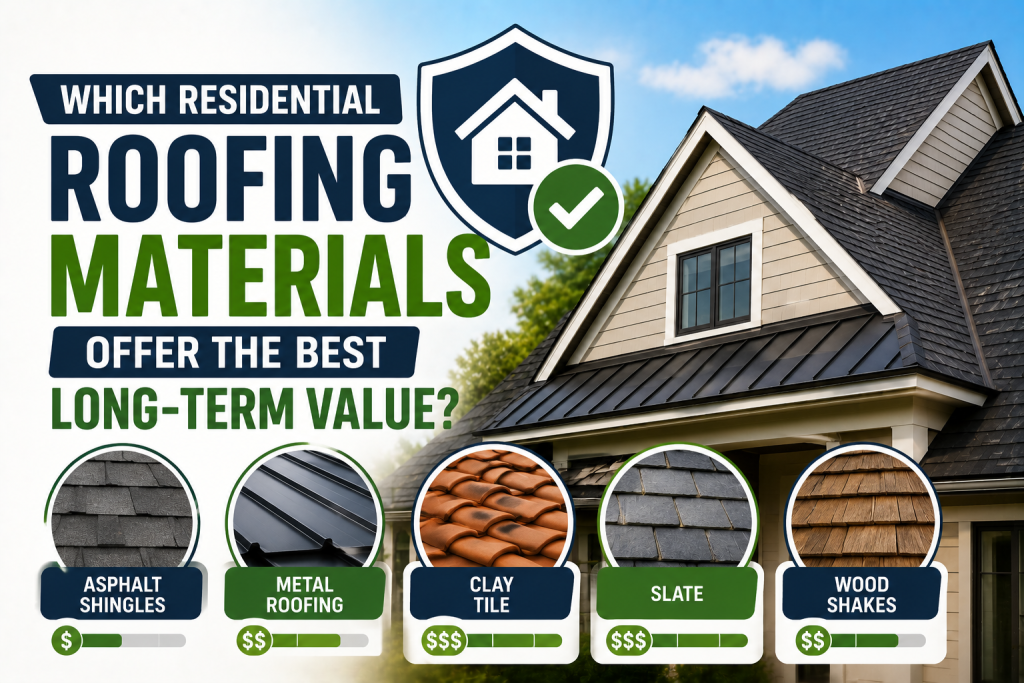
Different homeowners define value differently:
- Lower upfront investment
- Longer replacement cycles
- Reduced maintenance costs
- Better storm performance
- Improved resale potential
- Lower utility expenses
When comparing residential roofing materials, asphalt remains attractive for affordability and broad availability. Metal and standing seam systems often perform well for homeowners planning long ownership periods. Slate and tile products can deliver exceptional longevity when the structure supports additional weight. Climate also changes the equation. Homes in warmer southern regions may prioritize heat performance, while northern markets often focus on snow handling and seasonal durability. There is no universal winner because roof performance depends on installation quality as much as material selection. Among today’s options, the best roofing materials are the ones that align with homeowner priorities, local weather conditions, maintenance expectations, and long-term financial goals rather than short-term installation savings.
Final Thoughts
A roof replacement is more than a maintenance project; it is a long-term investment that affects comfort, appearance, operating costs, and property value. The right choice depends on climate, budget, maintenance expectations, and how long you plan to stay in the home. Some homeowners prioritize affordability, while others focus on lifespan, energy performance, or premium curb appeal. Instead of searching for a universal winner, compare materials based on how they fit your specific goals and regional conditions. When evaluated through ownership cost, durability, weather performance, and future resale potential, the best roofing materials are the ones that create the strongest long-term outcome for your home, not simply the option with the highest price tag.
Frequently Asked Questions
What is the most affordable roofing material?
Asphalt shingles are generally the most affordable roofing material. They offer a good balance of cost, durability, and curb appeal, making them the most popular choice for residential homes across the United States.
Which roofing material requires the least maintenance?
Metal, slate, and concrete tile roofs require very little maintenance compared to wood shakes or asphalt shingles. Regular inspections and gutter cleaning are usually enough to keep these roofing systems in excellent condition.
What roofing material is best for hot climates?
Metal roofing, clay tiles, and concrete tiles perform exceptionally well in hot climates because they reflect heat, improve energy efficiency, and withstand prolonged sun exposure.
Can a new roof reduce energy bills?
Yes. Energy-efficient roofing materials, such as reflective metal roofs and cool roofing products, can reduce heat absorption, helping lower cooling costs during warmer months.
How do I choose the best roofing material for my home?
The best roofing material depends on your local climate, budget, desired lifespan, maintenance preferences, and home’s architectural style. Consulting a qualified roofing contractor can help you make the right decision.
Does a new roof increase home value?
A new roof can increase curb appeal, improve buyer confidence, and enhance resale value. Homes with newer, high-quality roofing systems are often more attractive to potential buyers.
Should I replace my roof or repair it?
If your roof has localized damage and is relatively new, repairs may be sufficient. However, if it’s nearing the end of its lifespan or has widespread damage, a full replacement is usually the more cost-effective long-term solution.