

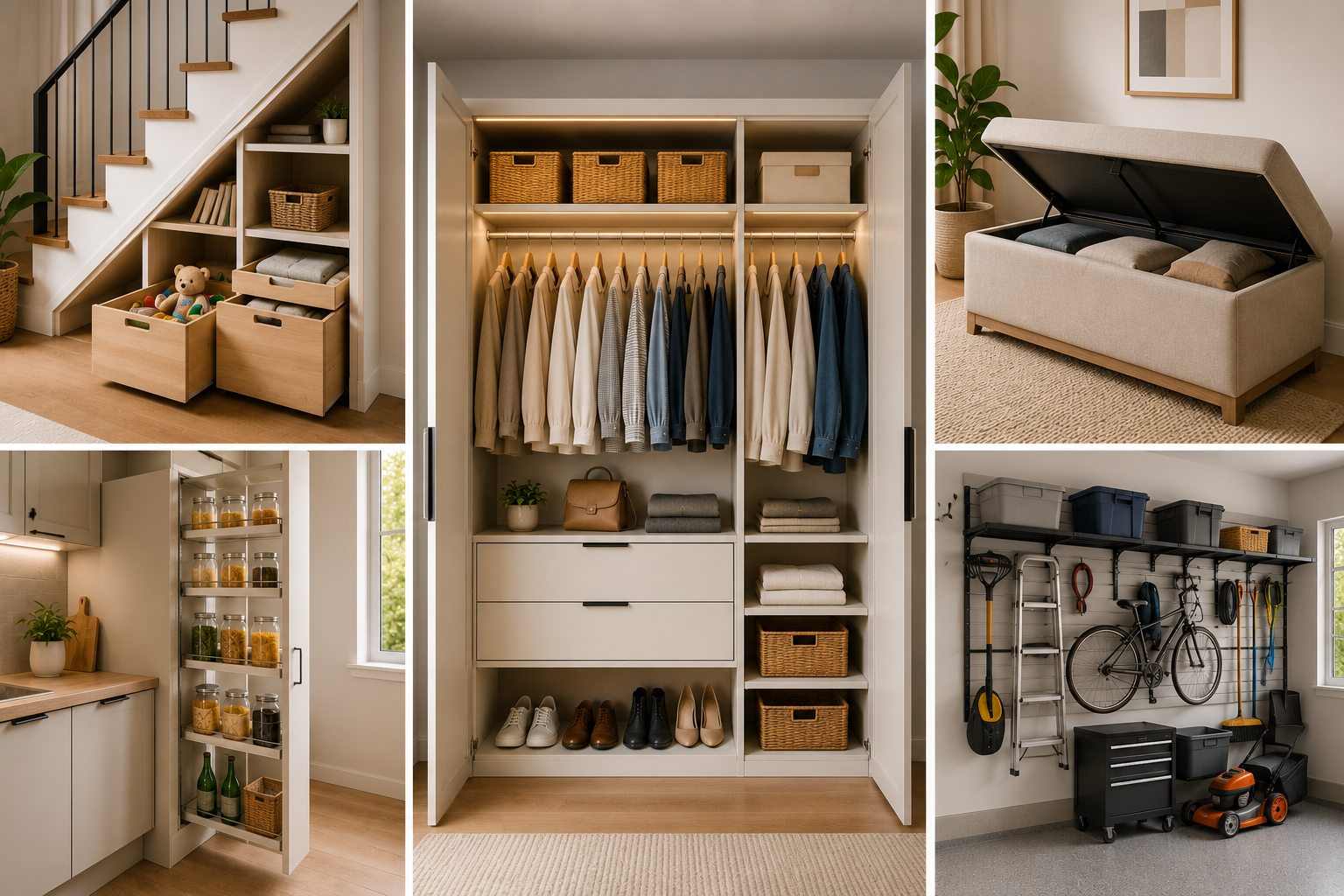
Types of Home Storage Systems Explained
An effective storage system can make a significant difference in how a home functions, feels, and stays organized. As homeowners look for ways to reduce clutter and maximize available space, understanding the different types of storage systems becomes increasingly important. From modular shelving and closet organizers to garage cabinets and custom-built solutions, there are numerous options designed to meet a variety of storage needs.
Each storage system offers unique advantages depending on the room, available space, and organizational goals. Some solutions prioritize flexibility and affordability, while others focus on long-term durability and customized functionality. Choosing the right storage system can improve accessibility, increase storage capacity, and create a more organized living environment. This guide explains the most common kinds of storage systems, how they work, and where they are most effective, helping homeowners make informed decisions about their storage and organization needs.
Why Choosing the Right Storage System Matters
Selecting the right storage solution is about more than simply finding a place to store belongings. The most effective types of storage systems help homeowners improve organization, maximize available space, and create a more functional living environment. A well-designed storage system can make daily routines easier by ensuring that frequently used items remain accessible while reducing clutter throughout the home. Different homes have different storage requirements.
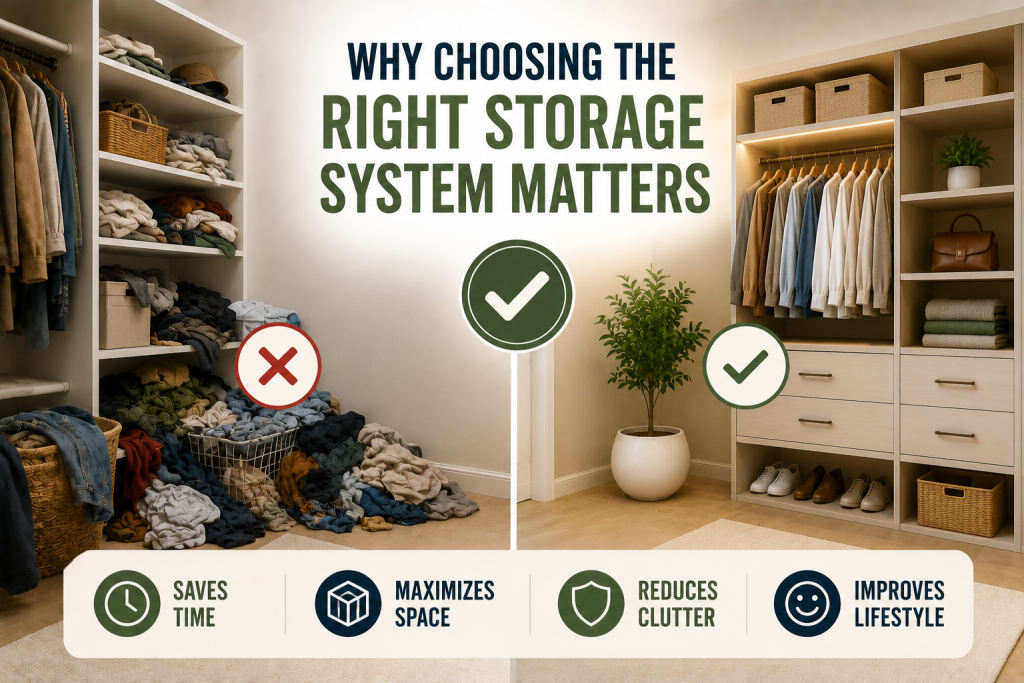
A growing family may need extensive closet and garage organization, while a smaller home may benefit from compact and flexible storage solutions. Choosing the wrong system can result in wasted space, poor accessibility, and ongoing organizational challenges. The right storage system also contributes to long-term home functionality. Whether through wall-mounted space, shelving units, or custom-built solutions, effective organization can help homeowners make better use of every room while maintaining a cleaner and more comfortable living space.
Understanding the Different Types of Storage Systems
Homeowners have access to a wide variety of storage options, each designed to address specific organizational challenges. Understanding the major types of storage can make it easier to select solutions that fit available space, budget, and lifestyle needs.
Modular Space Systems
These systems use adjustable and interchangeable components that can be customized over time. Shelves, drawers, and storage accessories can be added, removed, or reconfigured as storage requirements change.
Built-In Storage Solutions
Built-in systems are permanently installed and designed to integrate with a home’s layout. They often provide a seamless appearance while maximizing storage capacity in specific areas.
Wall-Mounted and Vertical Storage
Vertical storage solutions utilize wall space rather than floor space. Floating shelves, pegboards, hooks, and mounted cabinets are common examples that help increase storage without occupying valuable space.
Custom Organization Types of Storage Systems
Custom storage solutions are designed specifically for individual spaces and storage needs. These systems often provide the highest level of efficiency and personalization, making them popular for closets, home offices, and specialized storage areas.
Understanding these categories helps homeowners determine which home organization solutions are most suitable for their specific needs.
Modular Space Systems
Modular storage systems are among the most versatile and adaptable storage solutions available to homeowners. These systems consist of interchangeable components such as shelves, drawers, cabinets, and storage accessories that can be rearranged or expanded as storage needs change. This flexibility makes modular systems a practical option for both small homes and larger living spaces. One of the biggest advantages of modular storage is its ability to evolve.
Homeowners can start with a basic configuration and add components as their storage requirements grow. This approach provides a cost-effective way to improve an organization without committing to a fully customized installation. Modular systems are commonly used in closets, home offices, living rooms, and garages because they offer a balance of functionality and convenience. Among the many types of storage systems, modular solutions stand out for their adaptability, making them an excellent choice for homeowners seeking long-term organization without sacrificing flexibility.
Integrated Shelving Systems
Integrated shelving is a popular storage solution for homeowners seeking a permanent and visually integrated organization system. Unlike freestanding furniture or modular units, built-in shelves are designed to become part of the home’s structure, creating a seamless appearance while maximizing available storage space. These systems are commonly used in living rooms, home offices, bedrooms, and entertainment areas where both functionality and aesthetics are important.
Built-in shelving can be customized to accommodate books, decorative items, electronics, storage bins, and other household essentials. Because the shelving is tailored to the dimensions of a room, it often makes better use of available space than standard storage furniture. Among the various types of storage systems, integrated shelving is valued for its durability, clean appearance, and ability to enhance room design. For homeowners looking to combine organization with architectural appeal, integrated shelving remains one of the most effective long-term storage solutions.
Closet Storage Systems
Closet storage systems are designed to maximize storage capacity while improving accessibility and efficiency. These systems help homeowners organize clothing, shoes, accessories, and personal belongings by creating designated storage areas within reach-in and walk-in closets. A well-planned closet system can significantly reduce clutter and make daily routines more convenient. Common components include shelving, hanging rods, drawers, shoe racks, storage baskets, and accessory organizers.
Many systems also feature adjustable elements that allow homeowners to customize the layout as storage needs change. Whether installed as a simple upgrade or part of a complete closet renovation, these solutions improve both functionality and organization. Among the different types of storage systems, closet organization solutions are some of the most widely used because they address one of the most common household storage challenges. By making better use of available closet space, homeowners can create a cleaner, more organized, and more efficient living environment.
Garage Cabinets and Systems
Garages often serve as storage hubs for tools, seasonal decorations, sports equipment, gardening supplies, and household items. Without an effective organization system, these spaces can quickly become cluttered and difficult to use. Garage storage cabinets and organization systems help homeowners maximize available space while keeping belongings secure and accessible. Common garage storage solutions include cabinets, shelving units, overhead racks, workbenches, pegboards, and slatwall systems.
These components can be combined to create customized storage layouts that accommodate specific household needs. Enclosed cabinets are particularly useful for concealing clutter and protecting items from dust and debris. Among the many types of storage systems, garage organization solutions are valued for their ability to improve functionality and free up floor space. A well-designed garage storage system can transform an underutilized area into a highly organized and efficient extension of the home.
Wall-Mounted Space Solutions
Wall-mounted storage systems help homeowners take advantage of vertical space while preserving valuable floor area. These solutions are especially useful in smaller homes, garages, laundry rooms, and entryways where efficient organization is essential. By utilizing walls instead of floors, homeowners can increase storage capacity without making rooms feel crowded. Common wall-mounted space options include floating shelves, pegboards, hooks, rail systems, and mounted cabinets.
These systems can store a wide range of items, from tools and sports equipment to decorative accessories and everyday household essentials. Their flexibility makes them suitable for both functional and decorative applications. Among the different types of storage systems, wall-mounted solutions are often praised for their affordability, versatility, and space-saving benefits. They can be installed in nearly any room and adapted to changing storage needs over time. For homeowners seeking efficient organization without sacrificing floor space, wall-mounted space remains one of the most practical options available.
Built-in cabinetry Storage Systems
Built-in cabinetry provides one of the most personalized approaches to home organization. Unlike standard storage products, custom cabinets are designed to fit specific dimensions, storage requirements, and design preferences. This allows homeowners to create highly efficient storage solutions tailored to their lifestyle and available space. Custom cabinetry is commonly used in kitchens, bathrooms, mudrooms, home offices, laundry rooms, and entertainment areas.
Features such as adjustable shelving, specialized compartments, pull-out organizers, and built-in storage accessories can be incorporated to improve functionality. Because these systems are designed specifically for the space, they often maximize storage capacity more effectively than standard alternatives. Among the various types of storage systems, built-in cabinetry is often considered a premium option due to its durability, flexibility, and seamless appearance. Although it typically requires a larger investment, many homeowners view built-in cabinetry as a long-term storage solution that enhances both organization and overall home appeal.
Which Types of Storage Systems Work Best by Room?
Different rooms have different storage requirements, which means no single solution works best everywhere. Understanding which types of storage systems perform well in specific areas of the home can help homeowners create more effective and organized living spaces.
Bedroom Storage Systems
Bedrooms benefit from closet storage systems, storage benches, integrated shelving, and modular storage units. These solutions help organize clothing, accessories, bedding, and personal belongings while maximizing available space.
Kitchen Storage Systems
Kitchens often require a combination of built-in cabinetry, pantry organizers, pull-out shelves, and wall-mounted space. These systems improve accessibility and help maintain an organized cooking environment.
Garage Storage Systems
Garages are ideal locations for garage cabinets, shelving units, overhead racks, pegboards, and slatwall systems. These solutions help keep tools, seasonal items, and equipment organized while preserving floor space.
Living Room Storage Systems
Living rooms commonly utilize integrated shelving, media cabinets, storage ottomans, and modular furniture. These storage options support organization while contributing to the room’s overall design and functionality.
Choosing room-specific house organization solutions helps ensure that storage systems meet both practical and aesthetic needs throughout the home.
Common Storage System Mistakes
Even the best types of storage systems can become ineffective when common planning mistakes are overlooked. One of the most frequent errors homeowners make is purchasing storage products before evaluating their actual storage needs. This often results in wasted space, overcrowded systems, and unnecessary expenses. Another common mistake is failing to utilize vertical storage opportunities. Many homeowners focus only on floor-level storage while overlooking walls, ceilings, and other underused areas that can significantly increase storage capacity. Ignoring these spaces can limit the effectiveness of an organization’s strategy.
Overbuying storage containers and accessories is another issue. Adding excessive storage products without first decluttering can create more organization challenges rather than solving them. Homeowners should also avoid selecting storage systems based solely on appearance, ignoring functionality and accessibility. By carefully planning storage needs and choosing appropriate home organization solutions, homeowners can avoid these mistakes and create storage systems that remain practical and efficient over the long term.
Choosing the Best Home Organization Solutions
Selecting the right house organization solutions requires balancing storage needs, available space, budget, and lifestyle preferences. Because there are many kinds of storage systems available, homeowners should begin by identifying which areas of the home need the most improvement and what items require storage. Budget is often a major consideration. Modular systems and wall-mounted space typically offer affordable flexibility, while built-in cabinetry and built-in solutions provide greater personalization and long-term value.
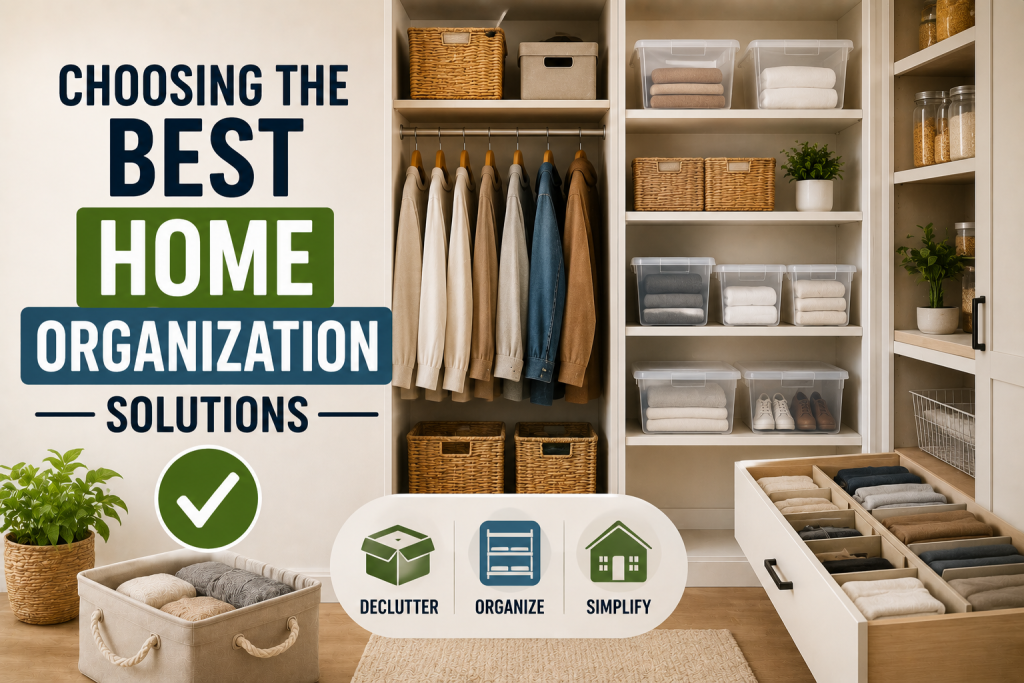
Homeowners should also evaluate how frequently stored items are used, ensuring that everyday essentials remain easily accessible. Space limitations play an important role as well. Smaller homes may benefit from vertical storage and multifunctional systems, while larger homes can often accommodate more specialized organization solutions. By carefully assessing storage goals and household routines, homeowners can choose storage systems that improve functionality, reduce clutter, and support long-term organization throughout the home.
Types of Storage Systems Checklist
Before selecting a storage solution, homeowners should evaluate the amount of storage required, the available space, and the specific items that need to be organized. Understanding whether flexibility, customization, affordability, or long-term durability is the highest priority can help narrow down the most suitable types of storage systems for the home.
It is important to consider how frequently stored items will be accessed and whether vertical space can be utilized more effectively. Homeowners should also assess whether modular units, integrated shelving, closet organizers, garage storage systems, or built-in cabinetry best fit their organizational goals. Planning for future storage needs can help ensure that the chosen system remains functional as household requirements change over time. By reviewing these factors before making a purchase, homeowners can select house organization solutions that maximize space, improve accessibility, and support long-term organization throughout the home.
Conclusion
Understanding the different types of storage systems can help homeowners make smarter decisions about organization, space utilization, and long-term functionality. From modular systems and integrated shelving to closet storage systems, garage cabinets, and built-in cabinetry, each solution offers unique benefits for specific storage needs. The key is selecting a system that aligns with your available space, budget, and daily lifestyle requirements. By carefully evaluating your organizational goals and choosing the right home organization solutions, you can reduce clutter, improve accessibility, and create a more efficient living environment. With thoughtful planning, the right storage system can enhance both the functionality and overall comfort of your home for years to come.
Frequently Asked Questions
What are the main types of storage systems?
The main types of storage systems include modular systems, integrated shelving, closet organization systems, garage cabinets, wall-mounted space solutions, and built-in cabinetry. Each option serves different organizational needs and room layouts.
What is the best storage system for small homes?
Small homes often benefit from wall-mounted space, modular systems, and multifunctional organization solutions because they maximize vertical space and reduce clutter without occupying valuable floor area.
Are modular systems better than built-ins?
Neither option is universally better. Modular systems offer flexibility and affordability, while built-in storage solutions provide a more permanent and customized approach. The best choice depends on budget, space, and storage goals.
What rooms benefit most from storage systems?
Nearly every room can benefit from improved organization. Bedrooms, kitchens, garages, living rooms, mudrooms, and laundry rooms are among the most common areas where storage systems improve functionality and reduce clutter.
Are custom storage systems worth the investment?
For many homeowners, custom storage systems are worth the investment because they maximize space utilization, provide personalized organization, and often deliver long-term durability and functionality. Their value depends on individual storage needs and budget considerations.