

Types of Vinyl Flooring Explained (Complete US Homeowner Guide)
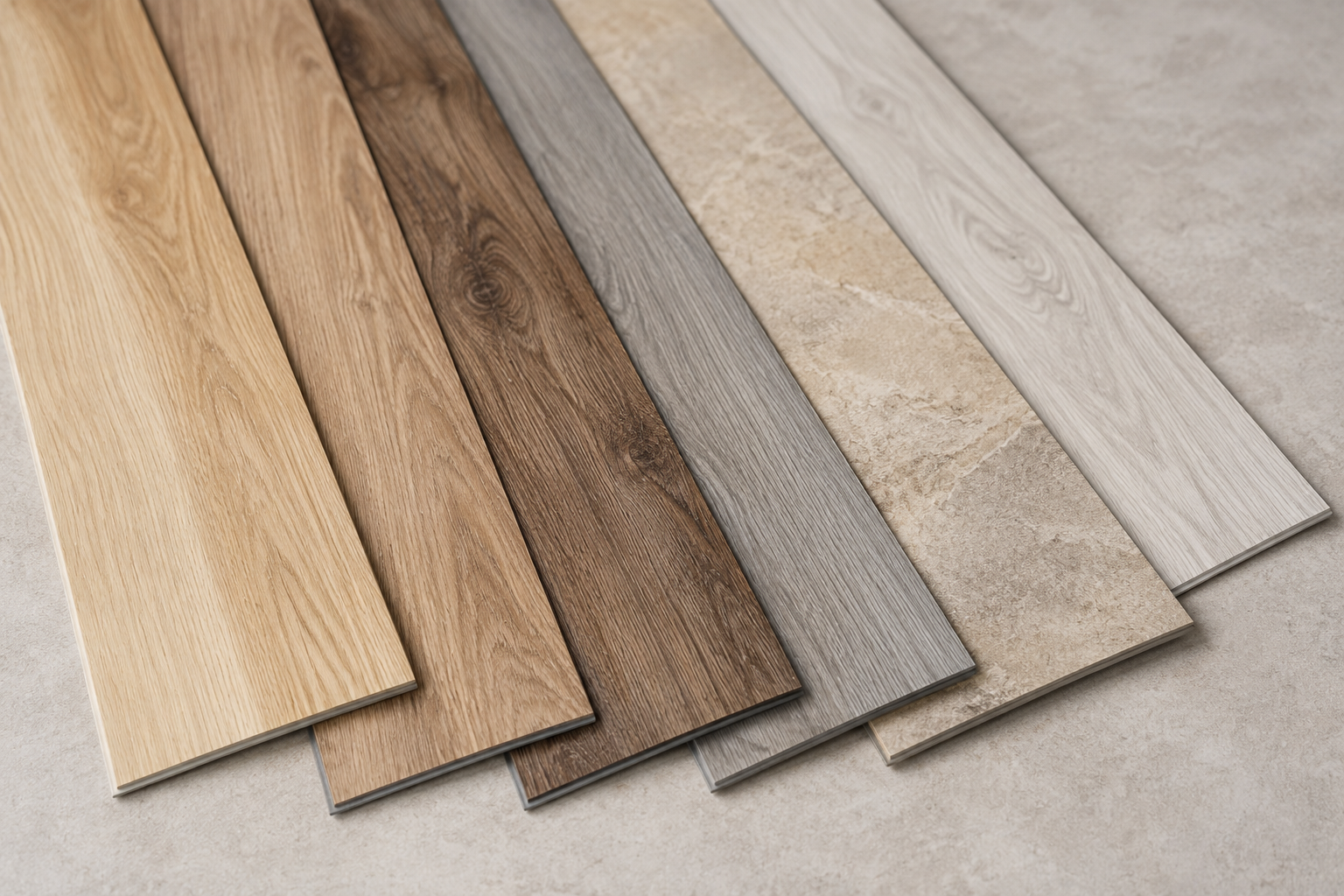
Understanding the types of vinyl flooring is essential for US homeowners who want a durable, affordable, and visually appealing flooring solution. Vinyl flooring has evolved significantly over the years, moving from basic sheet materials to advanced multi-layer systems designed for specific performance needs, room types, and budgets. Today’s market includes several major categories such as luxury vinyl plank (LVP), luxury vinyl tile (LVT), sheet vinyl flooring, and rigid core vinyl flooring. Each type offers different benefits in terms of waterproofing, durability, installation method, and design flexibility.
For example, some vinyl floor systems are built specifically for moisture-heavy areas like bathrooms and basements, while others are designed to replicate natural wood or stone for living rooms and open-concept spaces. This variety allows homeowners to choose flooring based on lifestyle needs rather than a one-size-fits-all solution. This guide breaks down each category in detail to help you understand which residential vinyl floor types are best for your home.
Luxury Vinyl Plank Flooring (LVP)
Luxury vinyl plank (LVP) is one of the most popular types of vinyl flooring in US homes because it combines realistic wood visuals with strong everyday performance. Designed to mimic hardwood flooring, LVP comes in long plank shapes that create a natural wood-like appearance across living rooms, bedrooms, hallways, and open-concept spaces. One of the biggest advantages of LVP is its layered construction. It typically includes a durable wear layer, a printed design layer, and a rigid or flexible core that determines stability and comfort. Many modern LVP products are also waterproof vinyl flooring, making them suitable for kitchens, bathrooms, and basements where moisture is a concern.
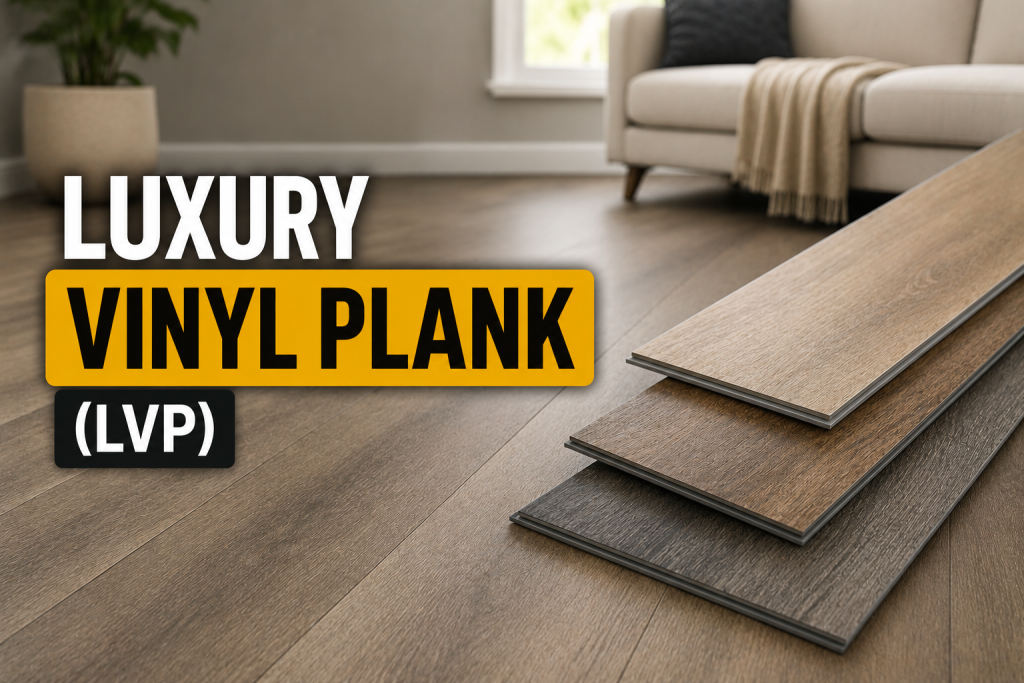
In terms of installation, LVP is widely available in click-lock systems, which makes it easier for homeowners or contractors to install over existing subfloors. It is also known for being low-maintenance, requiring only regular sweeping and occasional mopping. Brands such as Shaw Floors and COREtec are well-known for producing high-quality LVP products that balance durability, design, and long-term residential performance.
Luxury Vinyl Tile (LVT)
Luxury vinyl tile (LVT) is another major category within the types of vinyl flooring, designed to replicate the look of natural stone, ceramic, or porcelain tile while offering a softer and more flexible surface. In US homes, LVT is commonly used in kitchens, bathrooms, entryways, and laundry rooms where both style and moisture resistance are important. Unlike traditional tile, LVT does not require grout, which makes it easier to install and maintain. It typically comes in square or rectangular tile formats and can be installed using click-lock or glue-down methods depending on the product line and room requirements.
One of the key benefits of LVT is its comfort underfoot. It is warmer and quieter compared to ceramic tile, making it a practical option for residential spaces where comfort matters. Many LVT products also fall under waterproof vinyl flooring categories, providing protection against spills and humidity. LVT is often chosen by homeowners who want a stone-like aesthetic without the cost, weight, or maintenance challenges of real tile, making it a strong option among modern residential vinyl floor types.
Sheet Vinyl Flooring Explained
Sheet vinyl flooring is one of the most traditional types of vinyl flooring, but it remains widely used in US homes due to its affordability, water resistance, and ability to cover large areas with minimal seams. It comes in large, continuous rolls that are cut and fitted to the dimensions of a room, making it especially useful in kitchens, bathrooms, and utility spaces. One of the biggest advantages of sheet vinyl is its strong resistance to moisture. Because it has fewer seams than plank or tile formats, there are fewer entry points for water to seep through. This makes it a practical choice for homeowners seeking waterproof vinyl flooring solutions on a budget.
Sheet vinyl is also known for being one of the most cost-effective flooring options available, both in material and installation. It can often be installed quickly over properly prepared subfloors, which reduces labor costs compared to more complex flooring systems. While it may not offer the same premium texture or realism as luxury vinyl plank or tile, sheet vinyl remains a reliable and practical choice for residential vinyl floor types, especially in low- to mid-traffic areas.
Rigid Core Vinyl Flooring (SPC & WPC)
Rigid core vinyl flooring is one of the most advanced types of vinyl flooring available today, designed for improved durability, stability, and resistance to environmental changes. In US homes, it is especially popular in areas where temperature shifts, moisture, and heavy foot traffic are common. This category mainly includes two core types: SPC (stone plastic composite) and WPC (wood plastic composite). SPC is denser and more rigid, offering excellent dent resistance and stability, making it ideal for high-traffic residential and light commercial spaces. WPC, on the other hand, has a slightly softer core, providing more comfort underfoot while still maintaining strong water resistance.
Most rigid core vinyl flooring products are fully part of the waterproof vinyl flooring category, making them suitable for kitchens, bathrooms, basements, and entryways. The rigid structure also helps reduce subfloor imperfections, allowing installation over slightly uneven surfaces in some cases. This flooring type is widely used in modern renovations because it combines realistic vinyl floor styles with enhanced performance, making it one of the fastest-growing segments in residential vinyl floor types.
Waterproof Vinyl Flooring Overview
Waterproof vinyl flooring is one of the most important considerations when evaluating the types of vinyl flooring, especially for US homeowners dealing with moisture-heavy environments. This category includes many modern LVP, LVT, and rigid core products specifically engineered to resist water penetration and protect subfloors from damage. Unlike traditional flooring materials that can swell, warp, or stain when exposed to moisture, waterproof vinyl is designed with synthetic layers and sealed construction that block water from seeping into the core. This makes it ideal for bathrooms, kitchens, laundry rooms, mudrooms, and basements where spills and humidity are common.
Within residential vinyl floor types, waterproof options are often considered the most versatile because they can be installed throughout the home without major concern about moisture exposure. However, it is still important to ensure proper installation, as water can sometimes enter through poorly sealed seams or edges. Brands like COREtec and Shaw Floors are widely recognized for offering strong waterproof collections that combine durability, design realism, and long-term residential performance.
Vinyl Floor Styles and Design Options
One of the biggest advantages of modern types of vinyl flooring is the wide range of design flexibility available in today’s market. Vinyl floor styles have evolved significantly, allowing homeowners to achieve highly realistic wood, stone, and tile appearances without the cost or maintenance of natural materials. Luxury vinyl plank (LVP) typically focuses on wood-look designs, offering a variety of species such as oak, maple, and hickory in different tones, grains, and plank widths. Luxury vinyl tile (LVT), on the other hand, is designed to replicate stone or ceramic tile, often used in kitchens and bathrooms for a more structured visual layout.
Sheet vinyl also comes in printed patterns that mimic wood or tile, though with less texture depth compared to premium products. Meanwhile, rigid core vinyl flooring enhances realism further with embossed surfaces that align with printed grain patterns, improving the overall visual and tactile experience. With advances in printing technology and surface texturing, residential vinyl floor types now offer design versatility that fits both traditional and modern US home interiors.
Residential Vinyl Floor Types Comparison
When comparing residential vinyl floor types, homeowners need to look beyond appearance and focus on how each option performs in real US home environments. The main categories, luxury vinyl plank (LVP), luxury vinyl tile (LVT), sheet vinyl, and rigid core vinyl flooring, each serve different needs based on durability, moisture exposure, and installation requirements. LVP is ideal for living rooms, bedrooms, and hallways where a natural wood look and balanced durability are important. LVT performs best in kitchens and bathrooms due to its stone-like design and strong resistance to moisture. Sheet vinyl is best suited for budget-focused renovations or large spaces where seamless waterproof coverage is needed, such as laundry rooms or basements.
Rigid core vinyl flooring stands out as the most structurally stable option. Its SPC and WPC cores make it highly resistant to dents and temperature changes, which is especially useful in busy households or climates with seasonal variation. Overall, each flooring type has a specific strength, and choosing the right one depends on matching performance characteristics to room conditions and lifestyle needs.
Which Vinyl Flooring Type Is Best for Your Home?
Choosing the best option among the types of vinyl flooring depends on how each space in your home is used, the level of moisture exposure, and your design priorities. There is no single “best” choice, only the best fit for specific rooms and lifestyles in US homes. For moisture-heavy areas like bathrooms, kitchens, and laundry rooms, waterproof vinyl flooring such as LVT or rigid core vinyl is the most reliable option. These materials handle spills and humidity well, making them ideal for long-term performance in wet environments. For living rooms, bedrooms, and hallways, luxury vinyl plank is often preferred because it delivers a warm wood-look aesthetic combined with comfort underfoot. It also works well in family homes where durability and easy maintenance are important.
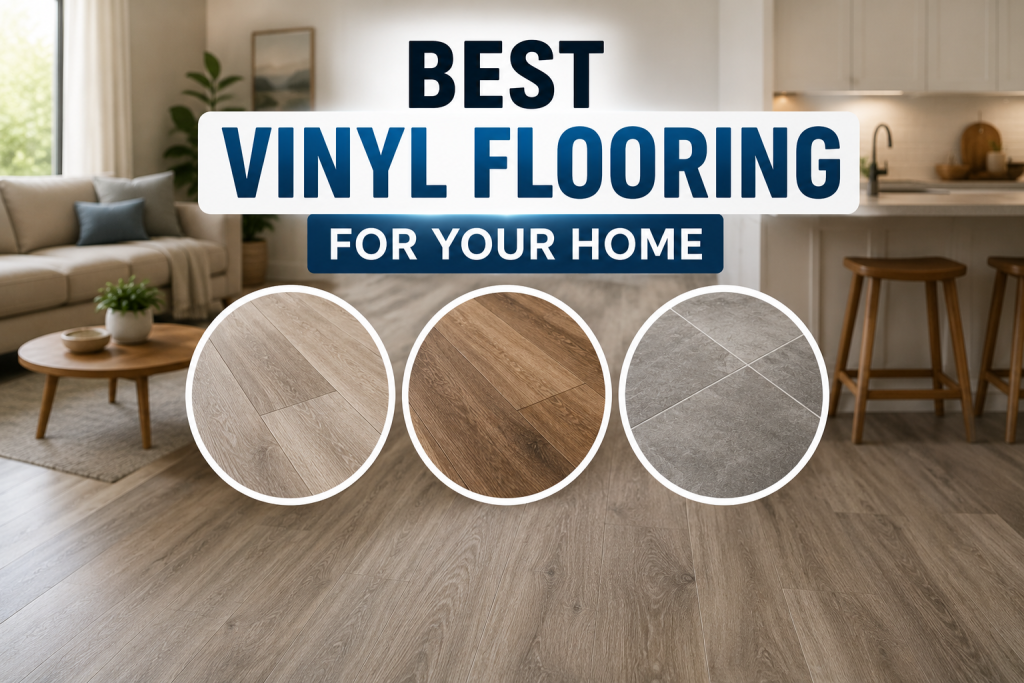
For budget-focused projects or large open spaces, sheet vinyl flooring remains a practical solution due to its affordability and seamless water resistance. Meanwhile, rigid core vinyl flooring is best for homeowners who want maximum durability and stability across the entire home. Matching each vinyl floor style to the right space ensures better performance and longer lifespan.
Final Verdict
Selecting the right option among the types of vinyl flooring ultimately comes down to balancing budget, performance, and room-specific needs. Each vinyl category serves a different purpose, and the best choice depends on how and where it will be used in your home. If you want maximum versatility and modern design, luxury vinyl plank is often the top choice for US homeowners. It works well in living areas and offers strong visual appeal with wood-like aesthetics. For kitchens, bathrooms, and moisture-prone spaces, luxury vinyl tile and waterproof vinyl flooring options provide better protection against spills and humidity.
If affordability is the main priority, sheet vinyl flooring delivers seamless coverage at a lower cost, making it ideal for large areas or budget renovations. Meanwhile, rigid core vinyl flooring offers the highest level of stability and durability, making it a strong long-term investment for busy households. In most US homes, a combination approach works best, using different residential vinyl floor types in different rooms to maximize performance, comfort, and value.
FAQs About Types of Vinyl Flooring Explained
What are the main types of vinyl flooring?
The main types of vinyl flooring include luxury vinyl plank (LVP), luxury vinyl tile (LVT), sheet vinyl flooring, and rigid core vinyl flooring.
What is the difference between LVP and LVT?
Luxury vinyl plank mimics wood flooring, while luxury vinyl tile is designed to replicate stone or ceramic tile.
Is sheet vinyl flooring still a good option?
Yes, sheet vinyl flooring is still widely used for budget-friendly renovations and offers strong water resistance with minimal seams.
What is rigid core vinyl flooring?
Rigid core vinyl flooring includes SPC and WPC cores, offering enhanced durability, stability, and better resistance to dents and temperature changes.
Which vinyl flooring type is best for bathrooms?
Waterproof vinyl flooring, especially LVT or rigid core options, is best for bathrooms due to high moisture exposure.
Are all vinyl floor styles waterproof?
Not all vinyl floor styles are fully waterproof, but many modern products, especially LVP and rigid core, are water-resistant or waterproof.
What are the most common residential vinyl floor types?
The most common residential vinyl floor types are LVP, LVT, sheet vinyl, and rigid core vinyl flooring.