


Types of Wall Decor Styles Explained
Wall design plays an important role in defining how a home looks and feels. The right wall design styles help create personality, improve visual balance, and support the overall interior theme. Today’s homeowners have more choices than ever, ranging from modern and minimalist spaces to rustic farmhouse interiors and bold industrial aesthetics. Choosing the right style often depends on architecture, furniture, room size, and lifestyle preferences.
Homes in Dallas often blend contemporary and farmhouse influences, while interiors in Miami frequently favor lighter and modern aesthetics. Understanding different modern wall design styles, textures, and layouts helps homeowners create interiors that feel more cohesive while improving long-term design flexibility and resale appeal.
Why Wall Decor Styles Matter in Interior Design?
Choosing the right wall design styles is important because it influences how a room feels, functions, and connects with the rest of the interior. Walls occupy some of the largest visual surfaces in a home, making them a major part of the overall design. Many builder-grade homes feature plain walls that can make interiors feel unfinished or generic. Thoughtful styling helps create focal points, improve balance, and add personality without major remodeling.
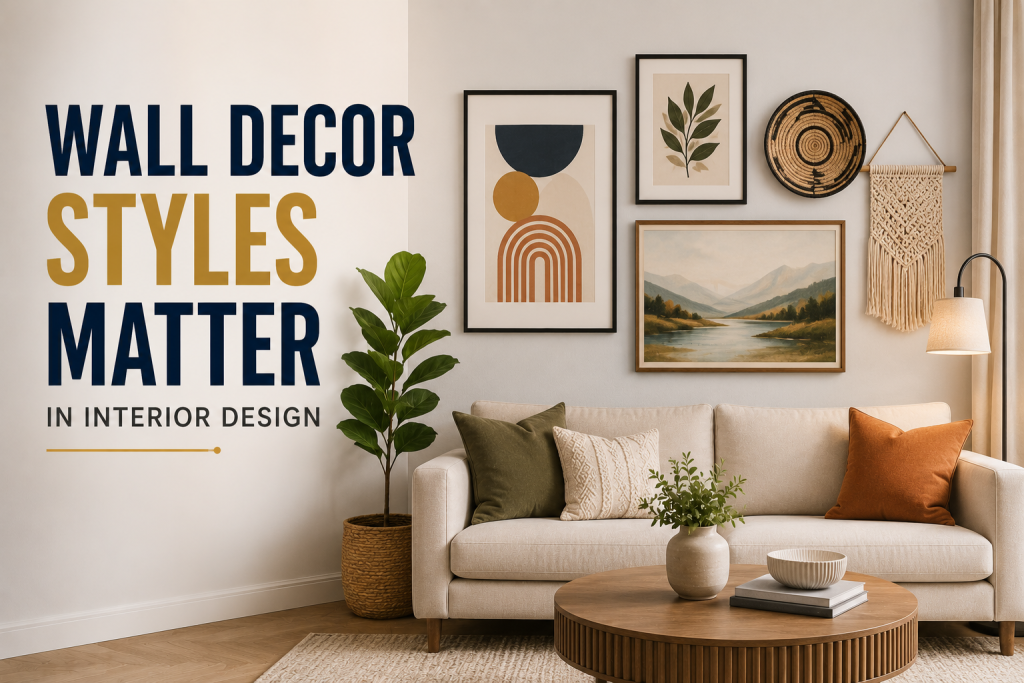
Different styles also communicate different moods. Modern wall decor often creates clean and open interiors, while farmhouse wall decor adds warmth and texture. Likewise, minimal wall design supports simplicity, while layered themes create more decorative spaces. Retail brands such as West Elm and Pottery Barn continue influencing interior trends through curated wall styling concepts and collections.
Popular Wall Design Styles Explained
Different wall design styles create different moods and design experiences. Understanding these styles helps homeowners choose interiors that match their architecture, furniture, and personal preferences.
Trendy wall decor styles
Modern wall design styles focus on clean lines, larger statement pieces, neutral palettes, and layered textures. Many homeowners use oversized artwork, floating shelves, and subtle accent walls to create contemporary interiors. Open-concept homes often favor modern layouts because they support visual flow while maintaining simplicity.
Farmhouse and Rustic Wall Styles
Farmhouse wall design emphasizes warmth, texture, and natural materials. Common elements include reclaimed wood, vintage-inspired signs, layered frames, and other formal wall decorating features. Many homeowners also combine farmhouse elements with softer, latest wall styles to create updated interiors. These rustic themes remain popular in suburban homes because they add character without requiring major renovations.
Minimalist and latest wall styles
Modern homeowners increasingly choose cleaner interiors, making minimalist wall design and the latest wall styles some of the most popular approaches in interior decorating. Minimalist wall decor styles focus on simplicity by using fewer decorative pieces, neutral colors, and open layouts. Oversized artwork, subtle textures, and balanced spacing often replace heavily decorated walls.
This style works especially well in open-concept homes because it creates visual flow and reduces clutter. Meanwhile, the latest wall styles combine modern aesthetics with flexibility. Homeowners often mix artwork, shelving, and layered textures to create more personalized interiors. Retail brands such as West Elm and Crate & Barrel frequently showcase contemporary interiors built around clean lines and functional décor. These styles continue shaping modern American homes because they balance aesthetics with practicality.
Boho and urban wall decor Ideas
Creative interiors often combine texture and personality, making boho wall style and urban wall decor popular alternatives to traditional styles. Boho wall decor styles focus on layered textures, woven accents, natural materials, and artistic displays. Macramé pieces, baskets, textile art, and mixed patterns are common elements because they create relaxed and personalized interiors. This style works especially well in smaller spaces because layering adds character without major renovations.
In contrast, urban wall decor emphasizes raw finishes and architectural elements. Exposed materials, metal accents, reclaimed wood, and darker tones help create bold interiors. Homes in urban markets often blend industrial details with softer, latest wall styles to maintain balance. Many homeowners also combine industrial and boho influences to create modern interiors that feel both structured and inviting.
Formal Wall Decorating Styles
Traditional interiors remain popular because they create timeless spaces with balanced layouts and layered details. These wall decor styles often emphasize symmetry, classic artwork, and decorative finishes.
Formal Wall Decorating Elements
Common formal wall decorating features include:
- Framed artwork collections
- Decorative molding and trim
- Mirrors with ornate frames
- Layered wall lighting
- Classic landscape paintings
- Neutral and warm color palettes
Many homeowners combine these details with subtle farmhouse wall design to modernize traditional spaces.
Modern Updates for Traditional Interiors
Homeowners frequently refresh traditional rooms by adding:
- Simplified frames
- Cleaner layouts
- Neutral textures
- Elements from the minimal wall design
- Soft contemporary wall styles accent
Blending traditional and modern elements helps create interiors that feel timeless while still supporting current design trends.
How to Choose the Right Wall Decor Style?
Selecting the right wall \design styles depends on room size, architecture, furniture, and the overall atmosphere homeowners want to create. Choosing a style that complements the home usually produces better long-term results than following short-term trends. Modern homes often work well with Trendy wall decor styles because clean layouts support open-concept spaces and contemporary furniture.
Homes with rustic finishes and natural textures may benefit more from farmhouse wall design and other layered aesthetics. Compact interiors frequently pair well with minimal wall design because simpler layouts help rooms feel larger and less cluttered. Homeowners wanting more personality may prefer boho wall style, while urban spaces often support industrial wall decor themes. Matching wall style with architecture and lifestyle helps create more cohesive interiors while improving flexibility for future decorating updates.
Common Wall Decorating Mistakes
Even the best wall decor styles can lose their impact when layout, scale, and styling choices are not balanced correctly. Many homeowners focus on décor pieces while overlooking placement and proportion. One common mistake is mixing too many styles in the same room. Combining boho wall style, urban wall decor, and heavily layered themes without consistency can create visual clutter. Another issue is ignoring scale. Small artwork on large walls often feels disconnected, while oversized pieces may overwhelm compact spaces.
Many homeowners also overdecorate walls. Effective minimal wall design usually relies on spacing and simplicity rather than filling every surface. Poor coordination with furniture and architecture can also weaken the latest wall styles and reduce visual flow. Balanced layouts and consistent themes generally create stronger focal points and more cohesive interiors.
How Wall Decor Styles Affect Home Value and Interior?
The right wall design styles can influence how a home feels and how buyers perceive the space. While décor alone does not directly increase property value, attractive interiors often improve presentation and overall appeal. Modern buyers frequently prefer clean modern wall design styles because they make homes feel updated and easier to personalize. Open layouts also pair well with minimal wall design because simple interiors photograph better and create a sense of spaciousness.
Warm farmhouse wall design continues performing well in many suburban homes because it adds texture and character without feeling overly formal. Meanwhile, balanced latest wall styles often appeal to a broader audience because they combine modern aesthetics with flexibility. Homeowners planning future resale generally benefit from choosing timeless styles that support long-term decorating updates while maintaining visual balance throughout the home.
Wall Design Styles by Room Type
Different rooms often benefit from different wall design styles because function, size, and layout influence how décor appears and performs. Living rooms usually support Trendy wall decor styles because larger walls allow statement artwork, shelving, and layered focal points. Open-concept homes also pair well with the latest wall styles. Bedrooms often benefit from softer interiors. Many homeowners choose a minimal wall design because it creates calmer spaces and reduces visual clutter.
Dining rooms and entryways frequently work well with formal wall decorating elements such as framed artwork, mirrors, and decorative molding. Creative spaces and home offices often favor boho wall style because layered textures help personalize the room. Urban interiors and loft-style homes commonly use urban wall decor because raw materials and architectural finishes fit contemporary layouts while adding visual character.
Budget-Friendly Ways to Update Wall Decor Styles
Refreshing wall design styles does not always require major renovations or expensive redesign projects. Small updates can significantly improve interiors while keeping budgets manageable. Paint remains one of the easiest ways to refresh walls and support both modern wall design and the latest wall styles. Neutral colors and accent walls can transform plain spaces with minimal cost.
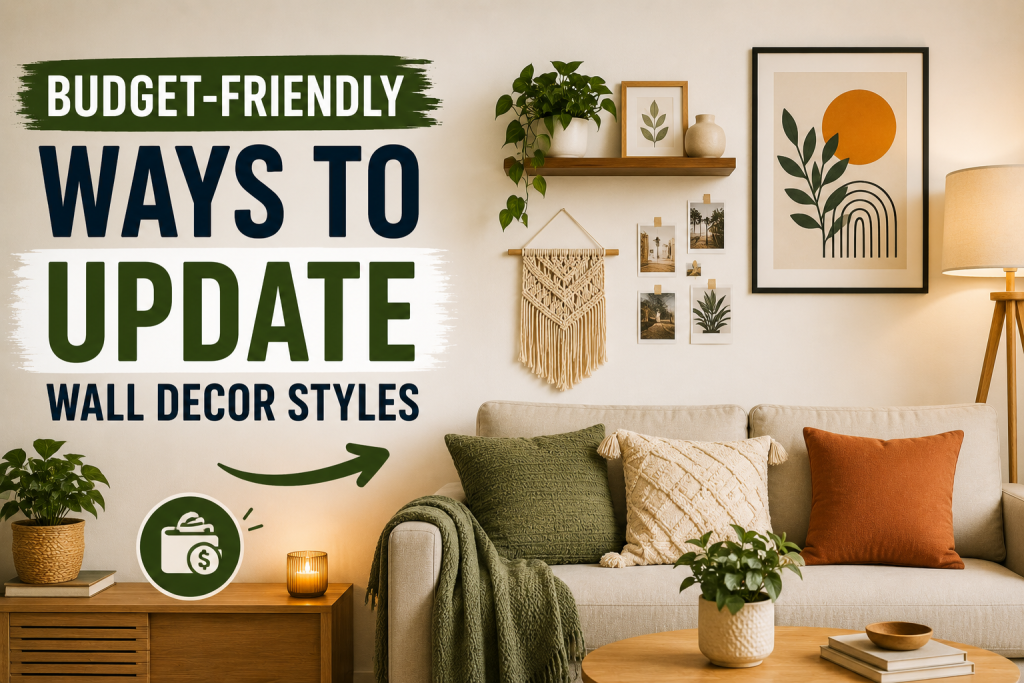
DIY projects also help homeowners experiment with farmhouse wall design by using reclaimed wood, framed prints, and layered textures. Affordable shelving, mirrors, and artwork work especially well with minimal wall design because they add character without creating clutter. Retailers such as IKEA and West Elm offer decorative accessories that support many styles. Budget updates often provide enough visual impact to modernize builder-grade interiors without full remodeling.
Conclusion
Understanding different wall decor styles helps homeowners create interiors that feel more cohesive, functional, and visually appealing. From clean modern wall design styles and calming minimal wall design to warm farmhouse wall design and expressive boho wall style, every style creates a different atmosphere. More structured themes, such as urban wall decor, traditional wall decorating, and flexible latest wall styles, also give homeowners additional options for personalizing spaces. Choosing a style that matches architecture, furniture, and lifestyle often produces better long-term results than following short-term trends. With the right wall design approach, homeowners can improve interior character, enhance resale appeal, and create spaces that reflect their personal style.
FAQs
What are the most popular wall decor styles?
Popular wall design styles include modern, farmhouse, minimalist, boho, industrial, and traditional interiors, and they support different aesthetics and lifestyles.
What is modern wall decor style?
Modern wall decor styles focus on clean lines, neutral colors, larger artwork, and functional layouts that support contemporary homes.
Is farmhouse wall design still popular?
Yes. Farmhouse wall design remains popular because it adds warmth, texture, and rustic character to living spaces.
What is minimal wall design?
Minimal wall design emphasizes simplicity, open space, neutral palettes, and fewer decorative elements.
What defines urban wall decor?
Urban wall decor often uses metal accents, exposed textures, reclaimed wood, and darker tones to create bold interiors.