


Vinyl Flooring Installation Cost for US Homes (Complete 2026 Guide)
Understanding vinyl flooring installation cost is one of the first steps homeowners take when planning a flooring upgrade in US homes. Whether it’s a single room renovation or a full-home replacement, vinyl has become a leading choice due to its balance of affordability, durability, and design flexibility. Vinyl flooring pricing is not a single fixed number. It varies based on material type (sheet vinyl, LVP, or LVT), installation method, subfloor condition, and regional labor rates. On average, homeowners evaluate both material cost and vinyl flooring labor cost together to estimate total project expenses.
Luxury vinyl plank (LVP) has become especially popular because it delivers a wood-like appearance at a lower installation cost compared to hardwood or tile. However, total project pricing can increase if removal of old flooring or subfloor repairs are required. This guide breaks down real US pricing factors so homeowners can understand what impacts cost and how to budget effectively for their flooring project.
Average Vinyl Flooring Installation Cost Per Square Foot
When evaluating vinyl flooring installation cost, the most common starting point is the vinyl floor cost per square foot, which helps homeowners estimate budgets quickly for US residential projects. On average, vinyl flooring materials typically fall into a moderate price range, but total installed costs vary based on product quality and installation complexity. Basic sheet vinyl is usually the most affordable option, while luxury vinyl plank (LVP) and luxury vinyl tile (LVT) sit at a higher price point due to their enhanced durability, realistic textures, and thicker wear layers. Premium waterproof or rigid-core products can increase costs further but often deliver better long-term performance.
Homeowners should also account for installation pricing, which is added on top of material costs. In many US markets, labor can significantly impact the final per-square-foot total, especially in regions with higher contractor demand. Overall, the vinyl floor cost per square foot gives a helpful baseline, but the true project cost depends on product type, room conditions, and installation requirements.
Luxury Vinyl Plank Installation Pricing Breakdown
When breaking down luxury vinyl plank installation pricing, homeowners need to consider both material quality and labor complexity, as these two factors heavily influence the final vinyl flooring installation cost in US homes. Luxury vinyl plank (LVP) typically costs more than basic sheet vinyl because of its layered construction, realistic wood visuals, and enhanced durability. Products with thicker wear layers or rigid-core construction (SPC or WPC) usually sit at the higher end of the pricing spectrum but offer better long-term performance, especially in high-traffic areas.
Installation method also plays a major role in total cost. Click-lock floating systems are generally faster to install, which can reduce labor charges. However, glue-down LVP installations may increase vinyl flooring labor cost due to added preparation and adhesive application. Additional expenses may include underlayment, floor leveling, and removal of existing flooring. These hidden factors can significantly affect the overall project budget, especially in older US homes where subfloor conditions are uneven. Overall, LVP offers strong value by combining mid-range installation pricing with high-end visual appeal and durability.
Residential Vinyl Flooring Installation Cost Factors
Several key variables influence overall vinyl flooring installation cost in US homes, and understanding these residential flooring installation factors helps homeowners avoid unexpected budget overruns. While square footage provides a baseline estimate, the real cost is shaped by site conditions and project complexity. One of the biggest cost drivers is subfloor preparation. If the existing floor is uneven, damaged, or has moisture issues, contractors may need to level or repair it before installing vinyl. This additional work increases both material and labor expenses.
Another major factor is the removal of old flooring. Tear-out of carpet, hardwood, or tile adds time and disposal fees, which directly impacts total project cost. Room layout also matters, areas with multiple corners, stairs, or tight spaces require more precise cutting and longer installation time. Geographic location within the US further affects pricing, as labor rates vary significantly between regions. Urban areas typically have higher installation costs compared to rural markets. Together, these factors mean no two vinyl flooring projects cost exactly the same, even if square footage is identical.
Waterproof Flooring Cost Considerations
When evaluating vinyl flooring installation cost, waterproof performance is an important factor that can influence overall pricing, especially for modern waterproof flooring cost expectations in US homes. While standard vinyl is already water-resistant, fully waterproof options like luxury vinyl plank (LVP) or rigid-core vinyl often come at a higher price point due to improved construction and durability. Waterproof vinyl flooring typically includes enhanced core layers such as SPC or WPC, which prevent water from penetrating the material. This added protection makes it ideal for kitchens, bathrooms, and basements, but it also increases material costs compared to basic sheet vinyl.
Installation costs can also rise slightly for waterproof systems if manufacturers require specific underlayments or installation methods to maintain warranty coverage. Proper sealing, moisture barriers, and subfloor preparation are often necessary in high-moisture environments, which adds to labor time. Despite the higher upfront investment, waterproof vinyl often delivers better long-term value by reducing the risk of water damage repairs and extending flooring lifespan in moisture-prone areas.
Vinyl Flooring Labor Cost in the US
A major part of vinyl flooring installation cost comes from vinyl flooring labor cost, which can vary widely across the United States depending on location, contractor experience, and installation complexity. While vinyl is generally easier to install than tile or hardwood, labor still represents a significant portion of the total project budget. On average, professional installation includes surface preparation, layout planning, cutting and fitting planks or sheets, and finishing details like transitions and trim. Floating click-lock systems tend to be faster and therefore less expensive to install, while glue-down vinyl requires more precision, adhesive work, and drying time, which can increase labor charges.
Labor costs also rise when additional work is needed, such as removing old flooring, leveling uneven subfloors, or addressing moisture issues. In older US homes, these prep steps are often unavoidable and can significantly affect final pricing. Regional differences are also important. Urban areas and high-demand markets typically have higher contractor rates compared to rural regions. Because of this, the same vinyl flooring project can vary noticeably in total cost depending on where the home is located.
Affordable Flooring Prices vs Long-Term Value
When comparing vinyl flooring installation cost, homeowners often focus on affordable flooring prices, but it’s equally important to evaluate long-term value. While vinyl is generally considered one of the more budget-friendly flooring options in US residential construction, the cheapest upfront option is not always the most cost-effective over time. Lower-priced vinyl products may reduce initial expenses, but they often come with thinner wear layers and shorter lifespans. This can lead to faster wear, fading, or surface damage, potentially requiring earlier replacement. In contrast, mid-range and premium luxury vinyl plank (LVP) products typically cost more initially but offer improved durability and better resistance to daily wear.
Long-term value also depends on installation quality. A properly installed floor using quality materials can reduce maintenance costs and extend the lifespan of the flooring system. This is especially important in high-traffic homes or rental properties where durability directly affects replacement cycles. Ultimately, homeowners should balance upfront affordability with durability, maintenance expectations, and long-term replacement planning when evaluating vinyl flooring options.
Vinyl Replacement Cost vs New Installation
When planning a flooring project, homeowners often compare vinyl replacement cost with the expense of a brand-new installation. Both options fall under overall vinyl flooring installation cost, but the total budget can differ significantly depending on the condition of the existing floor. Vinyl replacement typically involves removing old flooring, disposing of materials, and preparing the subfloor for new installation. This tear-out process can add substantial labor costs, especially if the previous flooring is glued down or if multiple layers need to be removed. In older US homes, hidden issues like uneven subfloors or moisture damage can further increase expenses.
New installations, on the other hand, are generally more straightforward when the subfloor is already in good condition. Without demolition work, contractors can focus on layout and installation, which reduces labor time and overall cost. However, replacement projects may still be necessary when flooring is damaged, outdated, or no longer performing well. In such cases, investing in a full replacement ensures better durability, improved appearance, and long-term value.
Regional Pricing Differences Across the US
One of the most overlooked factors affecting vinyl flooring installation cost is geography. Across the United States, pricing can vary significantly depending on local labor markets, material availability, and regional demand for residential flooring installation services. In higher-cost metropolitan areas such as New York, Los Angeles, or San Francisco, both material markups and vinyl flooring labor cost tend to be higher due to increased contractor rates and operating expenses. In contrast, smaller cities and rural areas often offer more affordable installation pricing because overhead costs and labor rates are lower. Climate also plays an indirect role.
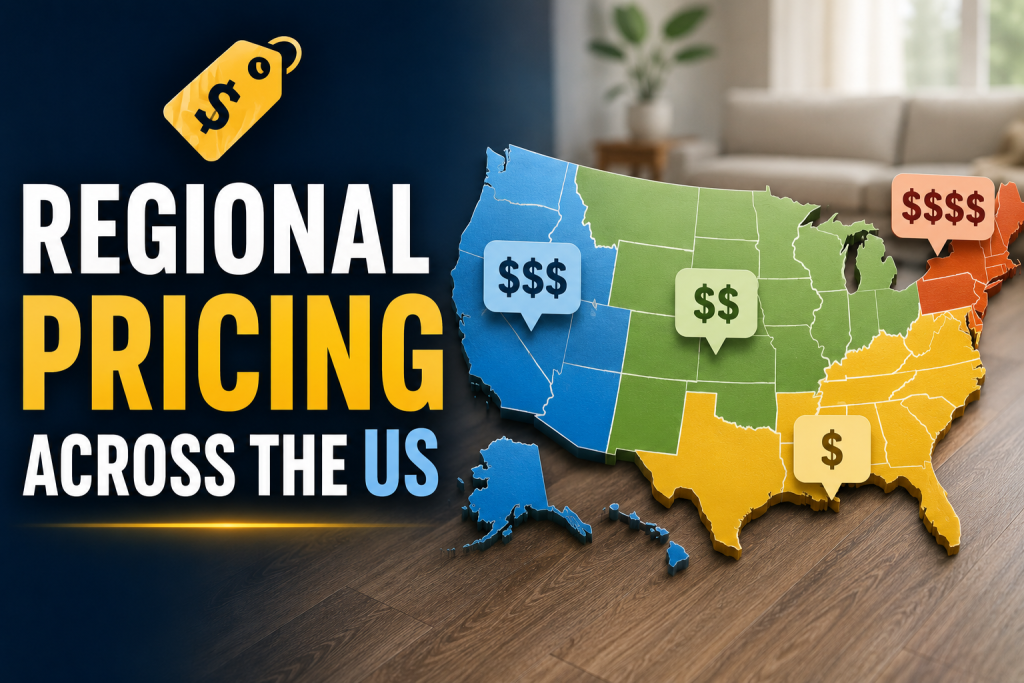
In humid regions like the Southeast, installers may need to account for additional moisture barriers or subfloor preparation, which can slightly increase project costs. In colder northern states, homeowners may invest more in premium waterproof flooring cost solutions to handle temperature fluctuations and seasonal changes. Supply chain access is another factor, areas closer to major distribution hubs from companies like Home Depot and Lowe’s may benefit from lower material costs and faster availability. Overall, location plays a major role in determining final project pricing, even when square footage remains the same.
Final Verdict
When looking at overall vinyl flooring installation cost, homeowners should expect a wide pricing range depending on material choice, labor complexity, and home conditions. While vinyl remains one of the most affordable flooring prices in the US market, the final project cost is shaped by multiple real-world factors rather than a single fixed rate. For basic sheet vinyl, total costs are typically lower due to simpler installation and lower material pricing. Luxury vinyl plank (LVP) and luxury vinyl tile (LVT), however, sit at a higher price point because of improved durability, design realism, and thicker wear layers. These options are often chosen for long-term performance and aesthetics in modern homes. Installation complexity also affects the final budget. Homes requiring subfloor repairs, old flooring removal, or moisture mitigation will naturally see higher total project costs. In contrast, straightforward installations over prepared surfaces remain more cost-efficient. Ultimately, vinyl flooring offers strong value across most budget levels. It provides homeowners with flexibility to balance upfront cost, durability, and design preferences, making it one of the most practical flooring investments in US residential remodeling.
FAQs
What is the average vinyl flooring installation cost in the US?
The average vinyl flooring installation cost varies widely, but most US homeowners pay a combined material and labor price depending on product type, room size, and installation complexity.
What is the vinyl floor cost per square foot?
The vinyl floor cost per square foot depends on whether you choose sheet vinyl, LVP, or LVT, with luxury options costing more due to durability and design quality.
How much does luxury vinyl plank installation pricing cost?
Luxury vinyl plank installation pricing is typically higher than basic vinyl due to thicker wear layers, realistic textures, and more complex installation systems.
What affects residential flooring installation costs the most?
Key factors include subfloor condition, room layout, material type, and regional vinyl flooring labor cost differences.
Is waterproof flooring more expensive?
Yes, waterproof flooring cost is often higher because of improved core materials like SPC or WPC that enhance durability and moisture resistance.
How much does vinyl flooring labor cost?
Vinyl flooring labor cost depends on region and installation type, with glue-down installations typically costing more than click-lock systems.
Is vinyl replacement cost higher than new installation?
Yes, vinyl replacement cost is usually higher due to demolition, disposal, and subfloor preparation requirements.