


Wind-Resistant Shingles for Storm Protection in US Regions
Strong winds are one of the leading causes of roof damage across the United States, especially in states such as Florida, Texas, Louisiana, and North Carolina. From seasonal thunderstorms to major hurricanes, extreme weather can lift, crack, or completely remove roofing materials, leaving homes vulnerable to water intrusion and costly repairs. This is why many homeowners are investing in high-performance roofing materials when planning a roof replacement. Unlike standard roofing products, these shingles are engineered to withstand higher wind speeds through enhanced sealing technology, stronger construction, and improved installation systems. In many cases, premium roofing products can help reduce storm-related maintenance costs while improving long-term roof performance. Whether you live in a hurricane-prone coastal region or an area that frequently experiences severe storms, choosing the right roofing system can protect your investment and increase peace of mind. This guide explains how wind-resistant shingles work, what features matter most, and how to select the best option for your climate and budget.
What Are Wind-Resistant Shingles?
Wind-resistant shingles are roofing materials specifically designed to resist wind uplift and remain securely attached during severe weather events. Unlike conventional shingles, these products feature reinforced construction, stronger adhesive strips, and advanced fastening requirements that help prevent shingle blow-offs during high-wind conditions. Many premium roofing manufacturers, including GAF, Owens Corning, and CertainTeed, offer high-performance roofing products with wind ratings ranging from 110 mph to 130 mph or higher when installed according to manufacturer specifications. For homeowners in storm-prone regions, selecting quality roofing materials can significantly improve roof durability and reduce the risk of weather-related damage.
How Wind Ratings Work
Wind ratings indicate the maximum wind speeds a roofing product is designed to withstand under laboratory testing conditions. Roofing manufacturers evaluate factors such as adhesive bond strength, shingle design, and fastening performance before assigning wind resistance ratings. Most modern wind-resistant shingles are tested to meet industry standards established by organizations such as ASTM International and the Underwriters Laboratories. Higher-rated products are often recommended for coastal areas, hurricane zones, and regions that regularly experience severe thunderstorms.
Why Proper Installation Matters
Even the highest-rated wind-resistant shingles can fail if installation quality is poor. Proper nail placement, adequate attic ventilation, roof deck preparation, and manufacturer-approved underlayment systems all contribute to overall wind performance. A professionally installed roofing system creates a stronger defense against uplift forces that occur during storms. Homeowners should always verify that their contractor follows manufacturer installation guidelines to ensure warranty compliance and maximum protection.
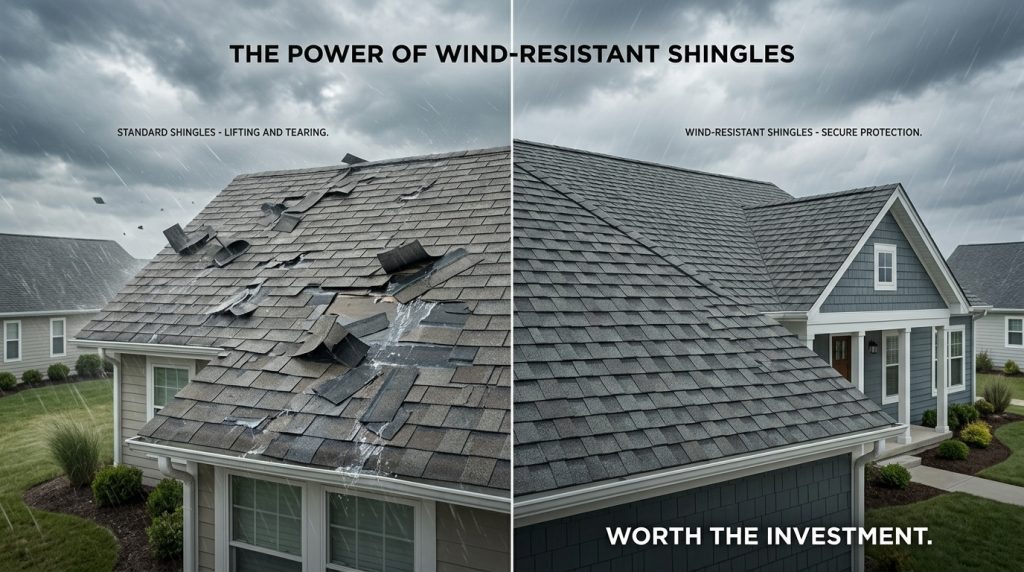
Why Wind-Resistant Shingles Are Worth the Investment
For many homeowners, a roof is one of the most expensive components of a home to repair or replace. Investing in wind-resistant shingles can provide meaningful protection against weather-related damage while helping extend the lifespan of the entire roofing system. Although these products often cost more upfront than standard shingles, the long-term value can outweigh the initial expense, particularly in regions exposed to frequent storms. In addition to improved durability, these roofing systems may contribute to lower maintenance requirements and greater confidence during severe weather events. Homeowners in coastal and storm-prone states often view upgraded roofing materials as a proactive investment that protects both their property and their finances.
Lower Storm Repair Costs
Strong winds can loosen shingles, expose the roof deck, and create pathways for water intrusion. Repairing storm damage often involves replacing roofing materials, fixing structural components, and addressing interior water damage. Because wind-resistant shingles are engineered to withstand higher wind speeds, they can help reduce the likelihood of expensive repairs following severe weather. Many homeowners also pair these products with storm-resistant roofing systems that include upgraded underlayment and enhanced fastening methods for additional protection.
Improved Home Value and Insurance Benefits
A durable roof is an attractive feature for prospective buyers, particularly in regions where storms are common. Upgraded wind-resistant shingles can enhance curb appeal, improve buyer confidence, and support stronger resale value when compared with aging roofing systems. Some insurance providers may also offer discounts or incentives for roofs that meet specific performance standards. Homeowners who install impact-resistant shingles or other premium roofing products should consult their insurance carrier to determine whether they qualify for potential savings. While discounts vary by location and provider, a more resilient roof can be viewed favorably from a risk-management perspective.
Best Wind-Resistant Shingles for Different US Climates
Not every roofing product performs the same way in every environment. Climate, storm frequency, humidity levels, and seasonal weather patterns all influence which wind-resistant shingles are best suited for a particular home. Homeowners should evaluate local weather risks before selecting a roofing system, as the right product for Florida may not be the best option for Minnesota or Colorado. The most effective roofing products combine strong wind ratings with features tailored to regional conditions. Choosing a product designed for your climate can improve roof longevity, reduce maintenance costs, and deliver better overall performance throughout the year.
Coastal and Hurricane-Prone Regions
Homes located along the Gulf Coast and Atlantic Coast face some of the harshest weather conditions in the country. High winds, wind-driven rain, humidity, and tropical storms place significant stress on roofing materials. In these areas, many contractors recommend hurricane shingles with enhanced adhesive technology and high wind warranties. Homeowners should also prioritize roofing systems specifically designed for roofing for coastal climates, where moisture resistance and long-term durability are essential. States such as Florida, Louisiana, and the Carolinas often benefit from premium roofing products engineered for extreme weather exposure.
Midwest and Severe Storm Areas
The Midwest experiences a different set of weather challenges, including severe thunderstorms, straight-line winds, hail, and rapid temperature fluctuations. In these regions, homeowners often prioritize roofing materials that provide both wind and impact protection. Many manufacturers offer Class 4 roof shingles, which are tested for resistance to hail and debris impacts. Combining high-impact ratings with quality wind-resistant shingles can help homeowners create a stronger defense against the severe weather events commonly experienced throughout states such as Kansas, Oklahoma, Nebraska, and Missouri.
Wind-Resistant Shingles vs Standard Asphalt Shingles
When comparing roofing materials, homeowners often want to know whether upgrading to wind-resistant shingles is truly worth the additional investment. While standard asphalt shingles remain one of the most popular roofing options in the United States, premium products designed for higher wind performance offer several advantages in areas exposed to severe weather. Many manufacturers now produce asphalt shingles for high winds that provide stronger sealing capabilities and improved resistance to uplift compared with entry-level roofing products. For homeowners planning a long-term investment, understanding these differences can make the decision process easier.
| Feature | Wind-Resistant Shingles | Standard Asphalt Shingles |
| Wind Performance | Designed for higher wind speeds | Moderate wind resistance |
| Adhesive Strength | Enhanced sealant technology | Standard adhesive strips |
| Storm Protection | Better resistance to uplift | More vulnerable to blow-offs |
| Lifespan | Often longer when properly maintained | Typically shorter in harsh climates |
| Maintenance Needs | Generally lower after storms | May require more frequent repairs |
| Initial Cost | Higher upfront investment | Lower initial cost |
For homes located in storm-prone regions, wind-resistant shingles often provide greater long-term value despite their higher installation costs. Reduced repair expenses, improved durability, and stronger warranty coverage can help offset the initial premium over time. Homeowners who prioritize long-term performance frequently view upgraded roofing materials as a practical investment, particularly when replacing an aging roof or preparing a property for future weather challenges.
Key Features to Look for When Buying Wind-Resistant Shingles
Not all wind-resistant shingles offer the same level of protection. While product labels and warranties can be helpful, homeowners should focus on the features that directly influence real-world performance. Understanding what separates premium roofing products from standard options can help ensure a better return on investment and stronger protection against severe weather. When evaluating roofing products, pay close attention to impact ratings, sealant technology, wind warranties, and manufacturer reputation. These factors often have a greater influence on long-term roof performance than price alone.
Class 4 Impact Ratings
Impact resistance is an important consideration for homeowners living in areas that experience hail, falling debris, or severe storms. Products with a Class 4 impact rating have undergone rigorous testing to demonstrate their ability to withstand impacts without significant damage. Many of today’s durable roofing shingles combine strong impact resistance with advanced wind protection, creating a more resilient roofing system. This added durability can help reduce repair costs and improve overall roof longevity in challenging weather conditions.
Enhanced Sealant Technology
One of the most important components of modern wind-resistant shingles is the adhesive strip that bonds individual shingles together after installation. Advanced sealant technology creates a stronger connection between shingles, helping them resist uplift during high-wind events. Manufacturers such as GAF, Owens Corning, and CertainTeed have invested heavily in improved sealing systems designed to enhance wind performance. When combined with proper installation techniques and quality underlayment, these innovations help modern roofing systems maintain their integrity even under demanding weather conditions.
Top Roofing Brands Offering Wind-Resistant Shingles
Several leading roofing manufacturers offer wind-resistant shingles designed to perform in demanding weather conditions. While product specifications vary by brand and product line, homeowners should evaluate wind ratings, warranty coverage, contractor availability, and regional performance when making a decision.
GAF
GAF is one of the largest roofing manufacturers in North America and is well known for products engineered to withstand strong wind conditions. Many of its premium shingles feature advanced sealing technology and enhanced wind warranties, making them popular in hurricane-prone and storm-exposed regions.
Owens Corning
Owens Corning offers a wide range of roofing products that combine durability, curb appeal, and weather resistance. Many homeowners choose the brand for its strong warranty programs and extensive network of certified contractors throughout the United States.
CertainTeed
CertainTeed is recognized for producing premium roofing materials with robust performance characteristics. Its higher-end product lines often include enhanced wind protection features that appeal to homeowners seeking long-term reliability.
Atlas Roofing
Atlas Roofing has gained attention for innovative roofing technologies that help improve weather resistance and roof longevity. Many of its products are designed to provide strong protection against wind-related damage while maintaining attractive curb appeal.
Malarkey Roofing Products
Malarkey Roofing Products is frequently recommended for homeowners looking for premium roofing performance and sustainability benefits. The company’s products are known for their durability and ability to perform well in a variety of climate conditions.
Which Brand Is Best?
There is no single best choice for every home. The ideal wind-resistant shingles depend on factors such as local climate, budget, roof design, and contractor recommendations. Homeowners in coastal states may prioritize maximum wind ratings, while those in hail-prone regions may focus on impact performance and warranty protection. Comparing multiple brands and reviewing product specifications can help ensure you select a roofing solution that matches your home’s specific needs and long-term goals.
How Much Do Wind-Resistant Shingles Cost?
The cost of premium roofing materials varies based on the product line, roof size, installation complexity, and geographic location. While these products typically cost more than standard options, many homeowners view the added expense as a worthwhile investment in long-term protection and durability. For a typical American home, wind-resistant shingles generally cost more per square foot than entry-level asphalt roofing products. However, the total project cost is influenced by several factors beyond the shingles themselves, including labor, roof pitch, tear-off requirements, underlayment upgrades, ventilation improvements, and local building code requirements.
Factors That Affect Pricing
Common factors that influence roofing costs include:
- Roof size and complexity
- Local labor rates
- Roofing contractor experience
- Underlayment and accessory upgrades
- Regional weather requirements
- Warranty coverage options
- Existing roof removal and disposal
Homes located in coastal regions or areas with strict wind-resistance requirements may require additional installation measures that increase overall project costs.
Long-Term Return on Investment
Although the upfront investment is higher, premium roofing materials can deliver value through reduced repair expenses, improved roof longevity, and stronger protection against severe weather. Homeowners may also benefit from fewer storm-related maintenance issues over the life of the roof. In areas where wind damage is a recurring concern, upgrading to wind-resistant shingles can help protect property value and provide greater peace of mind. When evaluating roofing options, it’s important to consider lifetime ownership costs rather than focusing solely on the initial installation price.
Are Wind-Resistant Shingles Right for Your Home?
Choosing the right roofing material ultimately comes down to your home’s location, weather exposure, budget, and long-term goals. For homeowners living in areas that regularly experience high winds, severe thunderstorms, tropical storms, or hurricanes, upgraded roofing systems can provide an extra layer of protection that standard roofing materials may not offer. These upgraded roofing products are particularly beneficial for homes located along the Gulf Coast, Atlantic Coast, and other regions where wind-related roof damage is a common concern. Even in inland states, strong seasonal storms can place significant stress on roofing systems, making durability an important consideration during a roof replacement project.
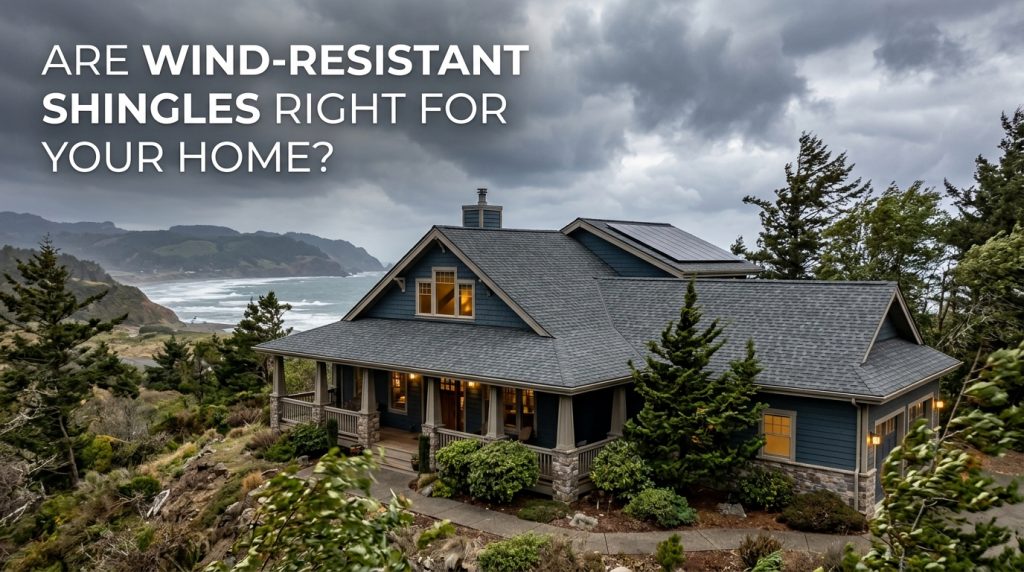
Before making a final decision, homeowners should compare product specifications, manufacturer warranties, and contractor recommendations. It’s also important to ensure that the entire roofing system—including underlayment, ventilation, flashing, and installation practices—is designed to support long-term performance. For many homeowners, investing in wind-resistant shingles is not just about protecting a roof. It’s about reducing future repair risks, preserving property value, and improving confidence that the home is prepared for whatever weather comes next.
Conclusion
wind-resistant shingles are a smart and long-term investment for homeowners looking to protect their roofs from severe weather conditions. Designed to withstand strong winds, heavy rain, and storm impact, they help reduce the risk of roof damage, leaks, and costly repairs. Beyond durability, these shingles also improve overall home safety and can enhance property value by offering better protection standards. Choosing wind-resistant shingles means fewer maintenance worries and greater peace of mind, especially in areas prone to storms and high winds.
Frequently Asked Questions
What wind speed can wind-resistant shingles withstand?
Most premium wind-resistant shingles are designed to withstand wind speeds ranging from 110 mph to 130 mph or more when installed according to manufacturer specifications. Actual performance depends on factors such as installation quality, roof design, and the condition of the roofing system.
Are Class 4 shingles worth the extra cost?
Class 4-rated roofing products are often worth considering in regions that experience hailstorms or severe weather. Their enhanced impact resistance can help reduce roof damage and potentially lower long-term repair expenses.
Do wind-resistant shingles help with insurance savings?
Some insurance providers may offer discounts for roofing systems that meet certain performance standards. Eligibility varies by insurer, location, and policy requirements, so homeowners should contact their insurance company for specific details.
What are the best shingles for coastal homes?
Coastal homes typically benefit from roofing products with high wind ratings, strong adhesive systems, and proven performance in humid environments. Homeowners should also ensure that the complete roofing system is designed to handle wind-driven rain and severe storm conditions.
How long do wind-resistant shingles last?
The lifespan of wind-resistant shingles depends on the product quality, climate, maintenance practices, and installation standards. Many premium roofing systems can last 25 to 50 years or longer when properly maintained and protected from excessive wear.