


3-Tab vs Architectural Shingles: Which Roofing Option Is Better for Your Home?
When planning a roof replacement, one of the most common questions homeowners ask is whether they should choose 3-tab vs architectural shingles. Both options fall under the asphalt roofing category, but they differ significantly in appearance, durability, lifespan, and overall value. For decades, 3-tab shingles were the standard choice across the United States because they were affordable and widely available. Today, however, many homeowners are upgrading to architectural asphalt shingles due to their enhanced strength, improved curb appeal, and longer warranties.
The right roofing material can affect more than just your home’s appearance. It can influence energy efficiency, storm resistance, insurance considerations, maintenance costs, and even resale value. In regions ranging from Florida’s hurricane-prone coastline to Colorado’s snow-heavy climate, selecting the right roofing system is a long-term investment. This guide compares every important factor so you can confidently choose the best roofing option for your home.
What Are 3-Tab Shingles?
3-tab shingles are a traditional asphalt roofing product known for their flat, uniform appearance. Each shingle strip is manufactured with three evenly spaced tabs, creating a consistent pattern across the roof. Because they contain a single layer of asphalt, they are lighter and less expensive than dimensional shingles. For many years, 3-tab shingles were the most common roofing material used on American homes. They remain a popular choice for homeowners seeking affordable roof shingles, particularly for rental properties, starter homes, detached garages, and budget-conscious roof replacements.
One of the biggest advantages of 3-tab shingles is their lower upfront cost. However, the thinner design typically results in a shorter lifespan and lower wind resistance compared to modern alternatives. In areas that experience severe storms, heavy snowfall, or extreme temperature fluctuations, homeowners may find that architectural roofing products offer better long-term performance.
What Are Architectural Shingles?
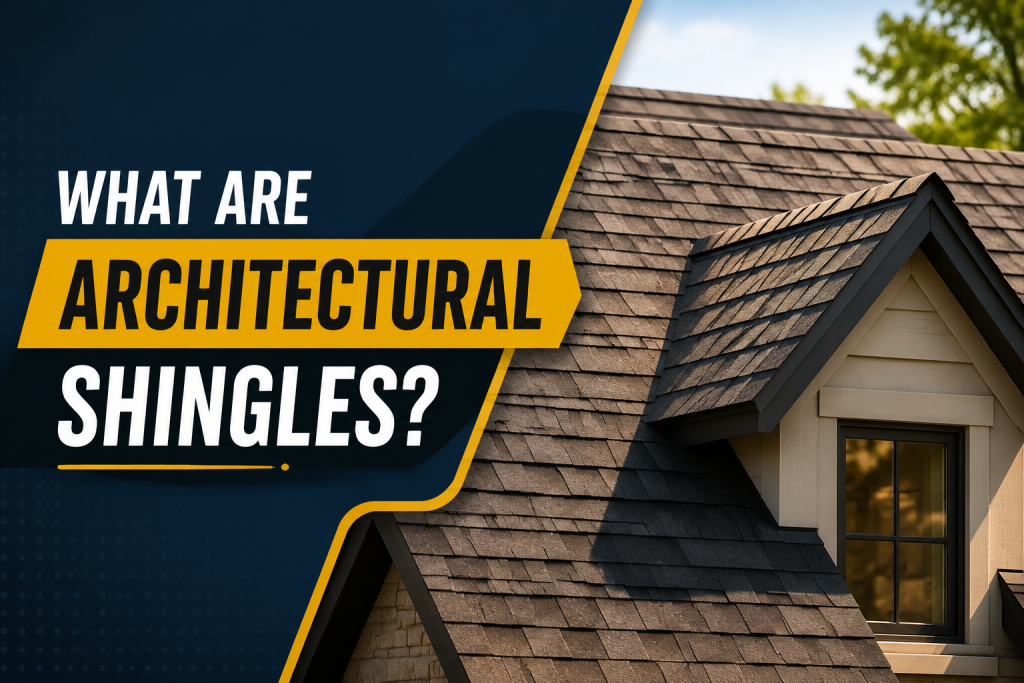
Architectural shingles, also known as dimensional shingles, are a premium type of asphalt roofing material designed with multiple layers of laminated asphalt. Unlike traditional 3-tab products, these shingles have a thicker construction that creates depth, texture, and a more sophisticated appearance. Many homeowners choose architectural asphalt shingles because they closely resemble higher-end roofing materials such as cedar shake or natural slate without the significant price increase. The added thickness also improves durability, helping the roof withstand stronger winds, hail impacts, and everyday wear.
Leading manufacturers such as GAF, Owens Corning, CertainTeed, and Atlas Roofing have made architectural shingles the most popular residential roofing option in the United States. They are commonly installed on new construction homes and roof replacement projects because they offer a balance of performance, aesthetics, and value. For homeowners planning to stay in their homes long-term, architectural shingles are often considered a smart investment.
3-Tab vs Architectural Shingles: Key Differences
When comparing 3-tab vs architectural shingles, the biggest differences come down to appearance, durability, lifespan, and long-term value. While both are asphalt-based roofing materials, they are designed for different homeowner priorities. 3-tab shingles feature a flat, uniform look that provides basic protection at a lower cost. Architectural shingles, on the other hand, use multiple asphalt layers to create a textured, dimensional appearance that enhances curb appeal. This thicker construction also improves resistance to wind, impact damage, and weather-related wear. Another major difference is longevity.
Most 3-tab roofs last between 15 and 20 years, while architectural shingles can often perform for 25 to 40 years with proper installation and maintenance. Warranty coverage is also typically stronger with premium products. For homeowners evaluating a roofing shingle comparison, architectural shingles generally deliver better performance and a higher return on investment over time.
Cost Comparison: Which Roofing Option Offers Better Value?
Cost is often the deciding factor for homeowners comparing 3-tab vs architectural shingles. At first glance, 3-tab shingles appear to be the better deal because they typically have a lower purchase and installation cost. For homeowners working within a tight budget, this can make them an attractive option for a roof replacement project. However, focusing only on upfront expenses may not tell the whole story. Architectural shingles generally cost more because they contain additional materials and offer enhanced performance.
While the initial investment is higher, the longer lifespan often reduces the need for premature replacement. Homeowners may also benefit from fewer repair costs over time. When evaluating affordable roof shingles, it is important to consider lifetime value rather than installation cost alone. For many homeowners, architectural shingles provide a lower long-term cost per year of service, making them a financially smarter roofing investment.
Durability and Lifespan Comparison
Durability is one of the most important factors homeowners should consider when choosing between 3-tab vs architectural shingles. While both products provide reliable protection, architectural shingles are specifically engineered to withstand harsher weather conditions and deliver a longer service life. A typical 3-tab shingle roof lasts approximately 15 to 20 years under normal conditions. However, exposure to high winds, intense sunlight, heavy rainfall, or repeated freeze-thaw cycles can accelerate wear.
Architectural shingles often last 25 to 40 years because their laminated design provides greater strength and resistance to weather-related damage. This roofing durability comparison becomes especially important in states such as Texas, Florida, Colorado, and Michigan, where roofing systems face unique environmental challenges. Homeowners planning to stay in their homes for decades often find that the added longevity of premium roofing shingles helps offset the higher upfront investment while reducing future replacement costs.
Performance in Different U.S. Climates
Climate plays a major role in determining which roofing material will perform best over time. While both asphalt roofing options can protect a home effectively, architectural shingles generally offer superior performance in regions exposed to extreme weather. In hurricane-prone states such as Florida and along the Gulf Coast, architectural shingles are often preferred because they provide stronger wind resistance and improved durability during severe storms. In northern states like Michigan and Minnesota, their thicker construction helps withstand snow accumulation and repeated freeze-thaw cycles.
Homeowners in hot climates such as Texas, Arizona, and Nevada also benefit from the enhanced durability of architectural asphalt shingles, which tend to hold up better under prolonged UV exposure. Although 3-tab shingles may perform adequately in mild climates, homeowners living in areas with challenging weather conditions often find that dimensional shingles deliver better long-term protection and peace of mind.
Impact on Home Value and Curb Appeal
A new roof is one of the most visible exterior upgrades a homeowner can make, which is why roofing material selection can influence both curb appeal and resale value. When comparing 3-tab vs architectural shingles, appearance is often where architectural products have a clear advantage. The layered design of architectural asphalt shingles creates shadows and texture that add depth to a home’s exterior. This premium look complements a wide range of architectural styles and can help a property stand out in competitive housing markets.
In many HOA-governed communities, architectural shingles are also the preferred roofing choice because they enhance neighborhood aesthetics. From a resale perspective, prospective buyers often view architectural roofing as a sign of quality and long-term durability. While a roof alone will not determine a home’s value, upgrading to premium roofing shingles can improve buyer confidence and contribute to a stronger first impression when it is time to sell.
Which Shingle Type Is Right for You?
The best choice between 3-tab vs architectural shingles depends on your budget, long-term plans, and local climate conditions. Neither option is universally right for every homeowner, but one may provide better value based on your specific needs. 3-tab shingles can be a practical solution for homeowners looking to minimize upfront costs. They are often suitable for rental properties, detached structures, and homes where a lower-cost roof replacement is the primary goal. If you plan to sell soon or need a short-term roofing solution, 3-tab shingles may meet your requirements.
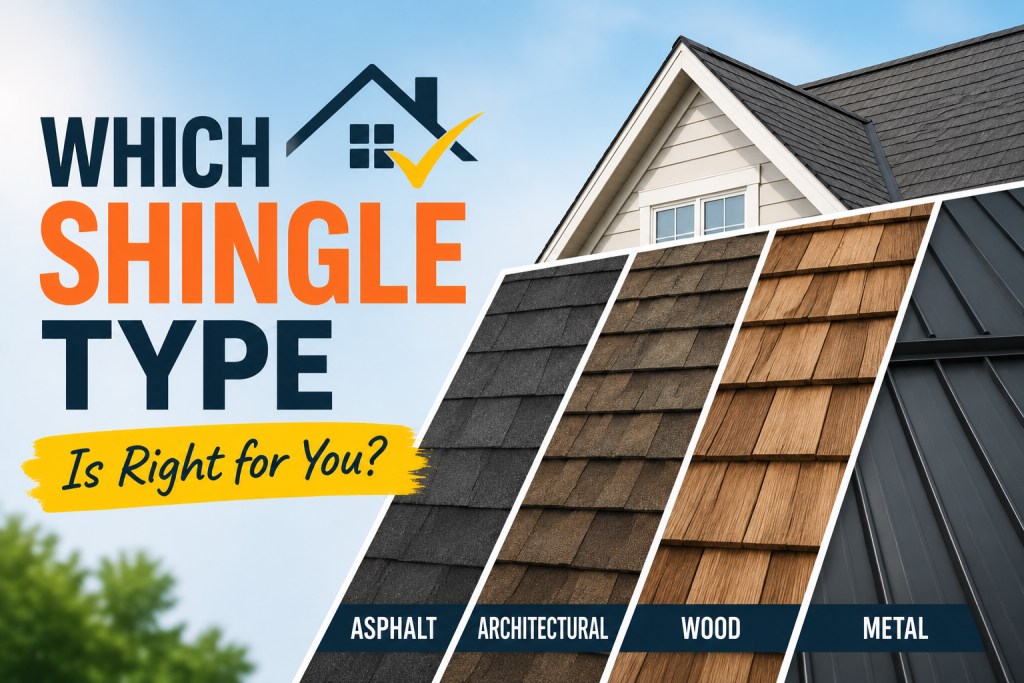
Architectural shingles are typically the better option for homeowners planning to stay in their homes for many years. Their longer lifespan, stronger weather resistance, and enhanced appearance make them an attractive investment. In regions prone to storms, high winds, heavy snowfall, or intense heat, architectural asphalt shingles often provide greater peace of mind and long-term value.
Final Verdict
After evaluating cost, durability, appearance, and long-term performance, most homeowners will find that architectural shingles offer the better overall value. While 3-tab shingles remain one of the most affordable roof shingles on the market, their shorter lifespan and lower weather resistance can make them less cost-effective over time. For homeowners seeking a durable roofing system that enhances curb appeal and supports resale value, architectural asphalt shingles are often worth the additional investment.
Their ability to withstand stronger winds, resist weather-related wear, and maintain an attractive appearance for decades makes them the preferred choice in many parts of the United States. Ultimately, the decision comes down to your budget and long-term goals. When comparing 3-tab vs architectural shingles, homeowners who prioritize longevity, protection, and appearance will typically benefit most from choosing architectural shingles. Those focused solely on minimizing upfront costs may still find value in a traditional 3-tab roof.
Frequently Asked Questions
Are architectural shingles worth the extra cost?
For most homeowners, yes. Although architectural shingles cost more upfront, they typically last longer, offer better weather resistance, and enhance curb appeal. Over the life of the roof, the additional investment often provides better overall value.
How long do 3-tab shingles last?
Most 3-tab shingles have an expected lifespan of 15 to 20 years under normal conditions. Factors such as climate, installation quality, and maintenance can affect how long the roof performs.
How long do architectural shingles last?
Architectural shingles commonly last between 25 and 40 years. Premium products from manufacturers such as GAF, Owens Corning, and CertainTeed may offer even longer performance when properly installed.
Which option is better in high-wind areas: 3-tab vs architectural shingles?
When comparing 3-tab vs architectural shingles for high-wind areas, architectural shingles are generally the better choice. Their thicker, laminated construction provides greater durability and stronger wind resistance than traditional 3-tab shingles.
Do architectural shingles increase home value?
While no roofing material guarantees a specific increase in value, architectural shingles can improve curb appeal and make a home more attractive to potential buyers. Many homeowners view them as a premium roofing upgrade.