

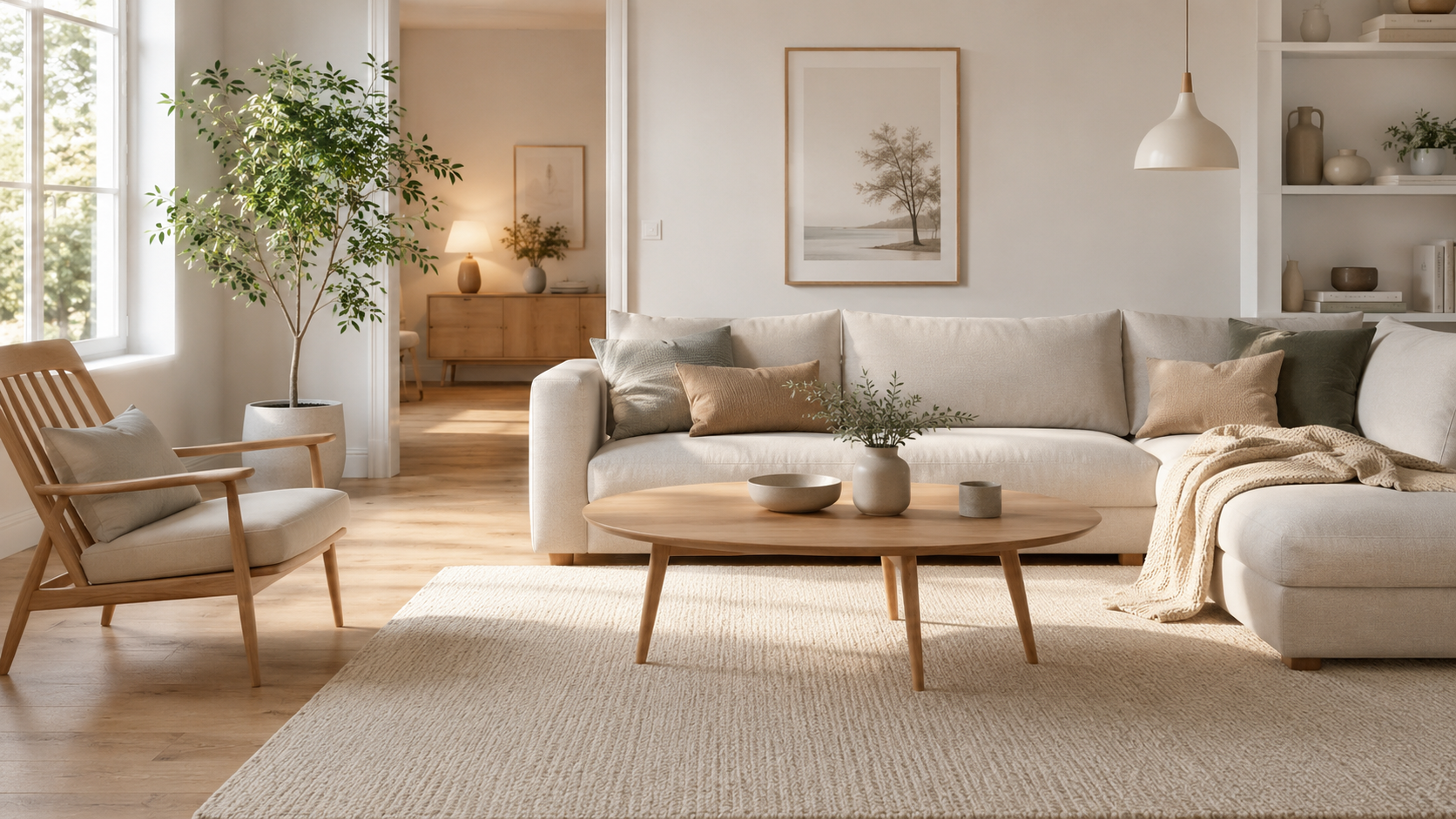
Scandinavian Interior Design: Complete Guide for Modern Homes
Scandinavian interior design has become one of the most influential decorating styles in modern homes. Known for its clean lines, functional layouts, and bright, inviting spaces, this design approach originated in the Nordic countries of Denmark, Sweden, Norway, and Finland. Over the years, homeowners around the world have embraced its ability to create spaces that feel both practical and comfortable. Unlike design trends that focus heavily on decoration, Scandinavian interiors prioritize simplicity, natural light, and everyday functionality.
The goal is to create a home that feels calm, organized, and welcoming without sacrificing style. Natural materials such as wood, wool, and linen play an important role, while neutral color schemes help rooms feel larger and brighter. Whether you’re redesigning a single room or planning a complete home makeover, understanding the fundamentals of Scandinavian interior design can help you create a timeless space that balances beauty, comfort, and functionality.
What Is Scandinavian Interior Design?
At its core, Scandinavian interior design is a design philosophy that combines simplicity, functionality, and comfort. Emerging during the early 20th century in the Nordic region, this style was shaped by long winters, limited daylight, and a cultural emphasis on practical living. Rather than filling rooms with excessive decoration, Scandinavian interiors focus on creating spaces that support everyday life while maintaining a refined appearance.
Origins of Scandinavian Design
The roots of Scandinavian design can be traced to countries such as Denmark, Sweden, Norway, and Finland, where designers embraced craftsmanship, quality materials, and human-centered design. The movement gained international recognition in the 1950s, promoting the idea that beautiful design should be accessible to everyone. This philosophy remains a defining characteristic of Scandinavian interior design today.
Why Scandinavian Design Became Popular Worldwide
Homeowners are drawn to Scandinavian spaces because they feel bright, organized, and easy to live in. The style’s emphasis on natural materials, clutter-free layouts, and timeless furnishings makes it adaptable to different home sizes and architectural styles. As modern lifestyles increasingly prioritize comfort and simplicity, Scandinavian design continues to influence interior trends across the globe.
Key Principles of Scandinavian Interior Design
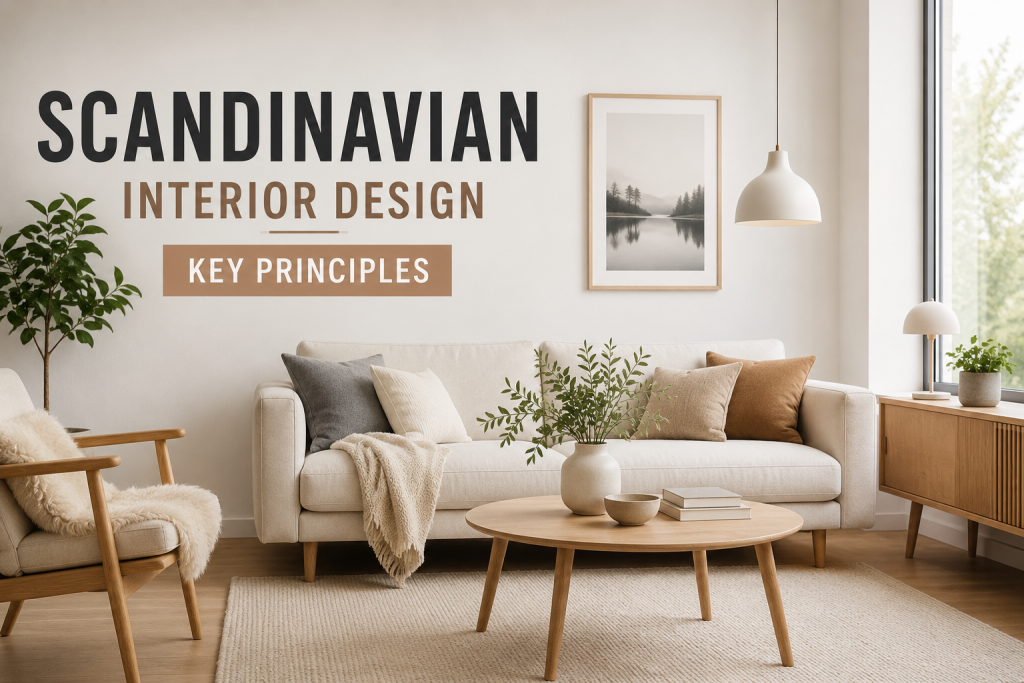
The lasting appeal of Scandinavian interior design comes from a set of principles that prioritize comfort, practicality, and visual balance. Rather than following short-term trends, this approach focuses on creating homes that remain functional and attractive for years. Every design choice serves a purpose, from furniture placement to material selection, helping homeowners achieve a clean and welcoming environment.
Minimalism With Purpose
Scandinavian interiors embrace minimalism, but not in a cold or empty way. Instead, each piece is carefully selected for both function and beauty. Unnecessary clutter is removed, allowing rooms to feel open and organized. This thoughtful approach helps homeowners maintain a calm atmosphere while ensuring that every item contributes to the overall design.
Functionality Before Decoration
One of the defining features of Scandinavian interior design is its focus on usability. Furniture, storage solutions, and room layouts are designed to support daily life. Multi-functional pieces, smart storage, and durable materials are commonly used to maximize efficiency without compromising style.
Natural Light as a Design Feature
Because Nordic countries experience long, dark winters, natural light plays a central role in Scandinavian homes. Large windows, light-colored walls, reflective surfaces, and minimal window treatments help brighten interiors. By maximizing daylight, rooms feel more spacious, inviting, and connected to the outdoors.
Scandinavian Interior Design Color Palette
Color plays a significant role in creating the bright and airy atmosphere associated with Scandinavian homes. A traditional Scandinavian color palette centers around soft neutrals that reflect natural light and make spaces feel larger. Shades of white, warm beige, light gray, taupe, and muted earth tones are commonly used throughout walls, furniture, and décor. In Scandinavian interior design, these neutral foundations are often paired with natural materials such as oak, birch, linen, and wool to add warmth and texture. While the overall aesthetic remains understated, subtle accent colors like dusty blue, sage green, charcoal, or terracotta can be introduced through pillows, artwork, or decorative accessories. The goal is not to create a completely colorless space but to achieve visual harmony. By combining light tones with layered textures and organic materials, homeowners can create interiors that feel calm, comfortable, and timeless while maintaining the simplicity that defines Scandinavian living.
Choosing Scandinavian Furniture for Every Room
Furniture is one of the most recognizable elements of Scandinavian interior design. Rather than focusing on ornate details, this style emphasizes clean silhouettes, quality craftsmanship, and everyday functionality. Well-designed pieces help create a balanced environment where comfort and practicality work together.
Living Room Essentials
A Scandinavian living room typically features a comfortable sofa, simple coffee table, and thoughtfully selected accent chairs. Natural wood finishes, soft textiles, and uncluttered layouts help create a welcoming atmosphere. Instead of filling the room with decorative pieces, homeowners often prioritize a few meaningful items that add character without overwhelming the space.
Dining and Bedroom Furniture
The best Scandinavian furniture combines durability with timeless design. Dining tables often showcase natural wood surfaces and minimalist forms, while bedrooms feature streamlined bed frames, functional nightstands, and practical storage solutions. The emphasis remains on creating spaces that feel comfortable, organized, and easy to maintain, ensuring every piece serves a clear purpose within the home.
Best Scandinavian Decor Ideas for Modern Homes
Decorative elements help bring warmth and personality to a Scandinavian-inspired space without compromising its clean aesthetic. The best Scandinavian decor ideas focus on layering texture, incorporating natural materials, and maintaining visual simplicity. Rather than relying on numerous accessories, homeowners often choose a few carefully curated pieces that complement the overall design. Textiles play an important role in adding comfort and depth. Wool throws, linen curtains, woven rugs, and textured cushions can soften minimalist interiors while preserving their uncluttered appearance. Indoor plants are another popular addition, introducing color and a connection to nature. Lighting is equally important. Pendant lights, floor lamps, and table lamps with simple forms help create a warm ambiance during evenings. Artwork is typically understated, featuring abstract prints, nature-inspired imagery, or black-and-white photography. When combined thoughtfully, these decorative elements enhance the comfort and character that make Scandinavian homes so appealing.
How to Create a Scandinavian Living Room
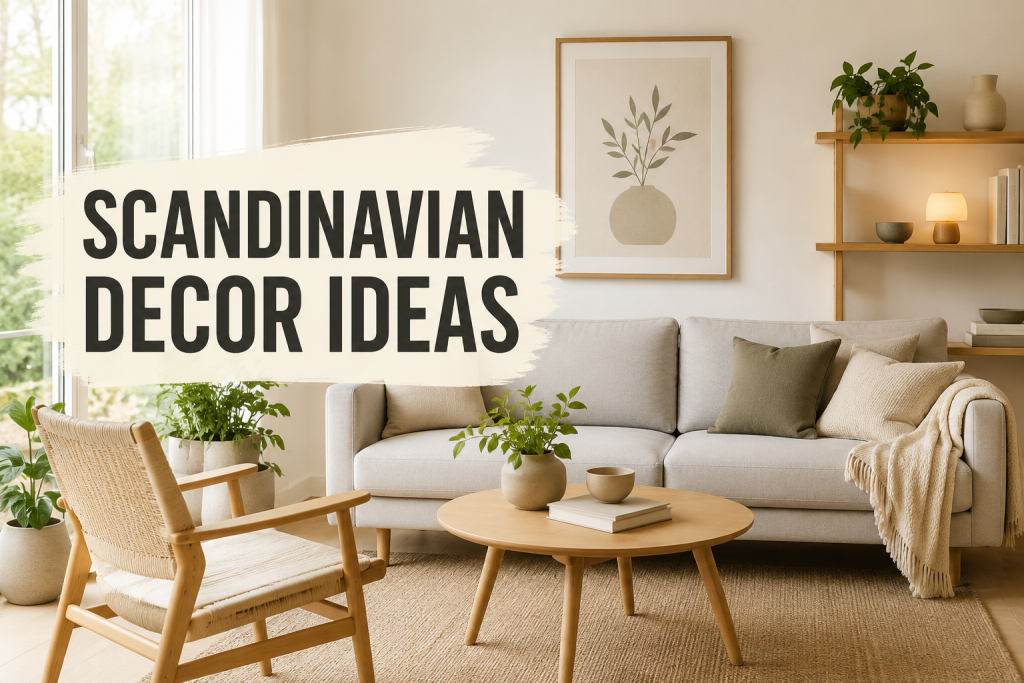
Designing a Scandinavian-inspired living room starts with creating an open, comfortable environment that supports everyday living. Many of the most effective Scandinavian living room ideas focus on balancing functionality with warmth. A well-planned layout, natural materials, and thoughtful lighting choices can transform an ordinary space into a welcoming retreat.
Furniture Layout
Begin by arranging furniture to encourage conversation and movement. Avoid overcrowding the room with oversized pieces. Instead, choose a few well-proportioned furnishings and leave enough open space for the room to feel airy and uncluttered. Natural wood finishes and soft textiles help reinforce the relaxed atmosphere.
Lighting and Accessories
Lighting should be layered to create a warm and inviting environment throughout the day. Combine natural daylight with floor lamps, table lamps, and pendant fixtures. Accessories should remain intentional and minimal. A textured rug, a few decorative cushions, and simple artwork can add personality without distracting from the clean aesthetic that defines Scandinavian-inspired spaces.
Scandinavian Home Design Tips for Different Spaces
A major strength of Scandinavian-inspired interiors is their adaptability. Whether you’re decorating a compact apartment, a suburban family residence, or an open-concept floor plan, the core principles remain effective. Successful Scandinavian home design focuses on maximizing functionality, improving natural light, and maintaining a sense of visual balance throughout the home. In smaller spaces, multi-purpose furniture and smart storage solutions help reduce clutter while making rooms feel larger. Light wall colors and reflective surfaces can further enhance the perception of space.
For larger homes, consistent materials and color schemes help create a cohesive flow between rooms. Open-concept layouts benefit from clearly defined zones created through furniture placement, area rugs, and lighting. By maintaining a simple palette and limiting unnecessary décor, homeowners can create spaces that feel connected, comfortable, and easy to navigate while preserving the clean aesthetic associated with Scandinavian interiors.
Common Scandinavian Design Mistakes to Avoid
Although Scandinavian interiors appear simple, achieving the right balance can be challenging. Many homeowners misunderstand the style and unintentionally create spaces that feel sterile, unfinished, or lacking personality. Avoiding a few common mistakes can help preserve the warmth and functionality that make this design approach so effective. One of the biggest errors is removing too much from a room in pursuit of minimalism. Scandinavian spaces should feel uncluttered, but they should never feel empty or uncomfortable. Texture is equally important.
Without elements such as wood, linen, wool, and layered fabrics, interiors can appear flat and uninviting. Poor lighting is another frequent issue. Since Scandinavian design relies heavily on brightness, rooms should incorporate multiple light sources rather than depending on a single overhead fixture. Finally, avoid choosing décor solely based on appearance. Every piece should contribute either function, comfort, or visual harmony to maintain an authentic Scandinavian atmosphere.
Scandinavian Interior Design vs Minimalist Design
Although the two styles share similarities, Scandinavian interior design and minimalist design are not identical. Both prioritize simplicity, clean lines, and clutter-free spaces, but Scandinavian interiors place a stronger emphasis on comfort, warmth, and natural materials. Understanding these differences can help homeowners choose the approach that best matches their lifestyle and design preferences.
| Feature | Scandinavian Design | Minimalist Design |
| Color Scheme | Soft neutrals and warm tones | Often monochromatic |
| Materials | Wood, wool, linen, natural textures | Glass, metal, concrete |
| Atmosphere | Cozy and welcoming | Sleek and restrained |
| Furniture | Functional with visual warmth | Highly simplified forms |
| Décor | Carefully curated accessories | Very limited decoration |
| Comfort Focus | High priority | Secondary to simplicity |
A practical Scandinavian style guide encourages homeowners to balance simplicity with comfort. Rather than eliminating all decorative elements, the goal is to create spaces that feel functional, inviting, and lived-in while maintaining visual clarity and organization.
Why Modern Scandinavian Homes Continue to Influence Interior Design
The popularity of Scandinavian design shows no signs of slowing down. In fact, many of today’s most influential residential design trends draw inspiration from modern Scandinavian homes, which successfully combine aesthetics, comfort, and practicality. Their timeless appeal comes from focusing on how people actually live rather than following short-lived decorating fads. Homeowners appreciate spaces that feel organized, functional, and easy to maintain. Scandinavian interior design delivers these benefits while also creating a warm and welcoming atmosphere.
The use of natural materials, thoughtful layouts, and balanced color schemes helps homes remain visually relevant for years. Another reason for the style’s continued influence is its adaptability. Whether incorporated into urban apartments, suburban houses, or newly built residences, Scandinavian principles work across a wide range of architectural styles. By emphasizing simplicity, quality, and comfort, this design philosophy continues to shape contemporary interiors around the world.
Conclusion
Scandinavian interior design remains one of the most enduring and practical design styles because it seamlessly blends simplicity, functionality, and comfort. By emphasizing natural light, neutral color palettes, quality craftsmanship, and clutter-free spaces, it creates homes that feel both elegant and welcoming. Whether applied to a small apartment or a large family home, Scandinavian design offers a timeless approach that prioritizes everyday living without sacrificing style. Its focus on balance, warmth, and usability ensures that spaces remain beautiful, functional, and relevant for years to come.
Frequently Asked Questions
What colors work best in Scandinavian interiors?
The most common colors include white, warm beige, light gray, taupe, and soft earth tones. These shades help maximize natural light and create a bright, open atmosphere. Accent colors such as muted green, dusty blue, and charcoal can be added through textiles and accessories to provide visual interest without overwhelming the space.
Can Scandinavian design work in small homes?
Yes. Scandinavian interiors are particularly effective in small homes and apartments because they emphasize efficient layouts, smart storage solutions, and clutter-free living. Light colors and carefully selected furnishings can also help smaller spaces feel larger and more functional.
Is Scandinavian design expensive?
Not necessarily. While some premium furniture pieces can be costly, the design philosophy focuses on quality over quantity. Homeowners can achieve a Scandinavian-inspired look by investing in durable essentials and avoiding unnecessary decorative purchases.
What is the difference between Scandinavian interior design and Nordic design?
While Scandinavian interior design specifically refers to design traditions from Denmark, Sweden, and Norway, Nordic design is a broader term that also includes Finland and Iceland. In practice, the two terms are often used interchangeably because they share many of the same principles, including functionality, simplicity, natural materials, and comfort.