

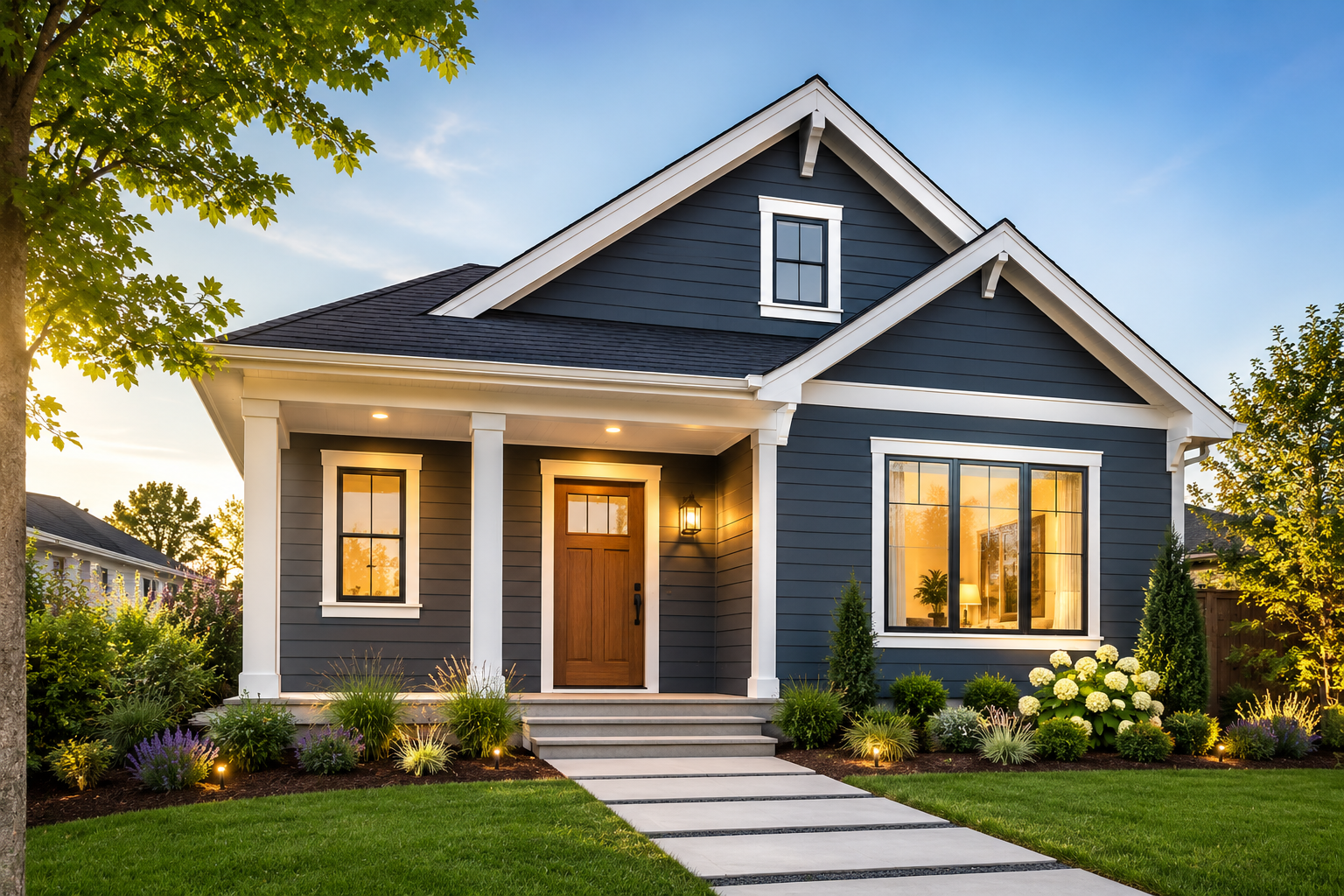
Why Exterior Paint Color Matters for Curb Appeal
Choosing the best exterior paint colors is one of the most impactful decisions a homeowner can make when improving curb appeal. Paint directly influences how modern, clean, and well-maintained a home appears, often shaping first impressions within seconds of viewing. In competitive U.S. housing markets like Dallas, San Diego, and Charlotte, homeowners increasingly rely on strategic exterior color choices to improve resale value and stand out in listings. Exterior color is no longer just aesthetic; it’s a financial decision tied to buyer perception.
Modern buyers are drawn to balanced, cohesive exterior color choices that match architectural style, climate, and neighborhood expectations. According to industry insights from NAHB, exterior appearance is one of the strongest factors influencing initial buyer interest during home searches. This guide breaks down trending exterior paint colors, modern palettes, farmhouse styles, and proven resale-friendly combinations to help homeowners choose colors that improve both curb appeal and long-term value.
Best Neutral Exterior Colors for Maximum Resale Value
Neutral tones remain the safest and most effective choice when selecting the best exterior paint colors for resale-focused curb appeal. Buyers tend to respond positively to clean, balanced palettes that feel modern but not overly personalized, making neutrals a cornerstone of high-performing exterior color selections in the U.S. housing market. Shades like warm white, soft beige, greige, and light taupe consistently perform well in competitive regions such as Denver and Raleigh. These colors help homes appear larger, brighter, and better maintained, three key psychological triggers that influence buyer perception during showings and listing photos. Paint manufacturers like Sherwin-Williams and Benjamin Moore frequently highlight neutral palettes in their seasonal collections because they align closely with broad buyer preferences and timeless design appeal.
These shades also pair easily with a wide range of roofing materials, stone accents, and landscaping styles. From a resale perspective, neutral colors reduce visual friction. Instead of distracting buyers with bold or polarizing tones, they create a clean backdrop that allows architectural features, such as trim, windows, and entryways, to stand out naturally. This is especially important in suburban markets where homes compete closely with one another. When paired with contrasting accents like darker shutters or a bold front door paint ideas selection, neutral exteriors become even more effective. The result is a balanced, high-appeal look that supports stronger offers and faster sales without requiring expensive structural upgrades.
Modern Exterior Paint Colors That Define Today’s Home Exterior Trends
Modern homes increasingly favor bold-but-controlled palettes that feel clean, architectural, and intentional. These modern exterior paint colors move beyond traditional beige-and-brown combinations and lean into contrast, depth, and material pairing. The goal is not loud color, it’s a curated, design-forward look that enhances curb appeal and resale value. In fast-growing design markets like Austin and Seattle, homeowners are embracing deeper tones such as charcoal gray, matte black accents, and muted greens paired with warm neutrals. These combinations reflect current home exterior trends that prioritize simplicity, contrast, and architectural clarity.
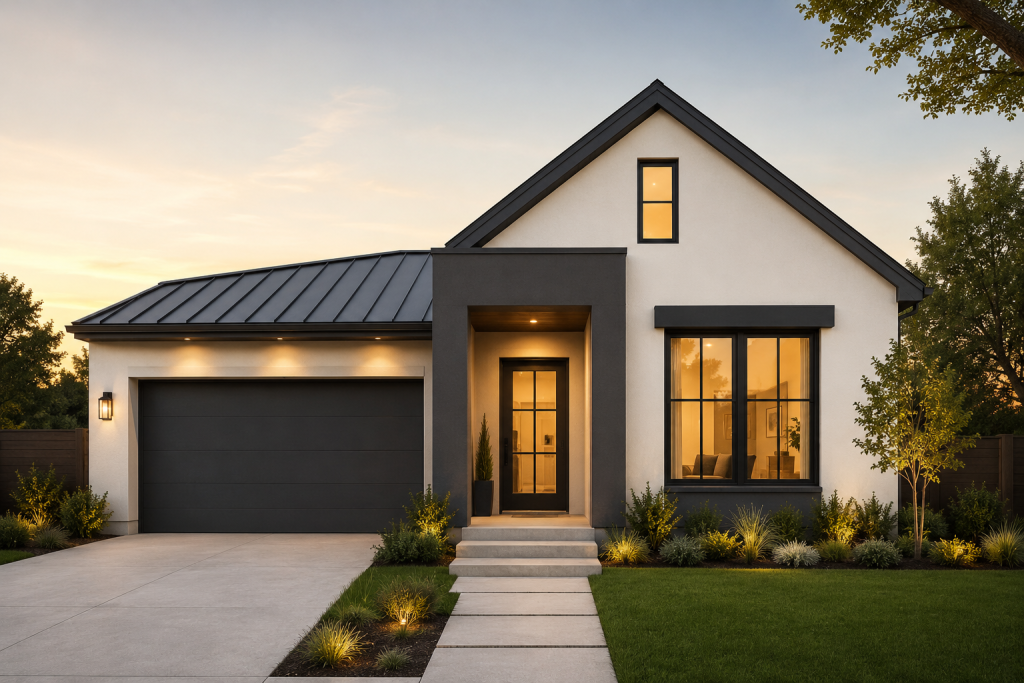
Paint systems from Sherwin-Williams, Benjamin Moore, and Behr frequently showcase modern palettes that pair dark siding with lighter trim or vice versa. This contrast helps define rooflines, window shapes, and entry features more clearly, which improves overall visual structure. From a design standpoint, modern exteriors often rely on material layering, such as wood accents, stone bases, or metal finishes, to break up flat surfaces. These combinations elevate simple house paint color ideas into more architectural compositions that feel custom-built rather than standard production homes. When applied correctly, modern palettes can significantly enhance curb appeal without requiring structural renovations. They are especially effective in suburban neighborhoods where homeowners want a contemporary look that still feels grounded and broadly appealing to buyers.
Timeless Farmhouse Exterior Paint Color Choices for Higher Value
Farmhouse-style homes continue to dominate U.S. suburban design, and choosing the right farmhouse exterior colors is key to maintaining both charm and resale value. This style typically relies on soft neutrals, muted contrasts, and natural tones that feel warm, welcoming, and rooted in traditional American architecture. In regions like Nashville and Charlotte, farmhouse exteriors often feature combinations of warm white siding, black window frames, and wood or stone accents. These palettes align closely with current buyer preferences that emphasize simplicity and natural materials over overly complex color combinations.
Classic farmhouse looks typically include white or off-white siding paired with black trim or dark roofing. Paint systems from Sherwin-Williams and Benjamin Moore frequently offer curated “farmhouse collections” designed to simplify coordination across siding, trim, and accent colors. For homeowners exploring house paint color ideas, muted tones like sage green, soft gray, and warm cream also perform well in farmhouse designs. These colors maintain character while still appealing to a broad buyer audience, which is especially important for resale-focused renovations. From a curb appeal perspective, farmhouse palettes work because they create contrast without overwhelming the eye. Clean siding lines, symmetrical windows, and simple trim details allow the architecture to stand out naturally. This balance makes farmhouse exteriors one of the most consistently reliable exterior design approaches for long-term value and buyer appeal.
Front Door Paint Ideas That Boost Curb Appeal Instantly
If exterior walls set the foundation of a home’s look, the front door is the focal point, and often the most emotionally influential detail in the entire façade. Strong front door paint ideas can dramatically improve curb appeal without requiring a full exterior repaint, making it one of the highest-impact updates for homeowners focused on resale or refresh projects. In neighborhoods across Phoenix and Orlando, sellers often use bold but controlled accent colors to make entryways stand out in listing photos. Popular choices include deep navy, classic black, forest green, and rich red tones that contrast well with lighter siding and neutral exteriors. Paint brands like Sherwin-Williams and Benjamin Moore regularly highlight curated accent palettes designed specifically for entry doors, allowing homeowners to coordinate with the overall exterior design while still adding personality.
From a design psychology perspective, the front door acts as a “visual invitation.” It’s the point where buyers decide whether a home feels welcoming or forgettable. A well-chosen color can frame the entry, highlight architectural details, and create a strong contrast against surrounding materials like siding, brick, or stone. For homeowners selecting exterior color combinations, the safest approach is to balance personality with resale appeal. Neutral homes benefit from richer accent tones, while already colorful exteriors often perform better with darker, more grounded door colors. When executed correctly, front door updates are one of the most affordable yet powerful ways to enhance the best exterior paint colors strategies and improve overall curb appeal without significant renovation costs.
Exterior Color Schemes That Work Across Any Home Style
Choosing effective exterior color schemes is about more than picking attractive shades; it’s about creating balance between siding, trim, roofing, and architectural details so the home feels cohesive from the street. A well-designed palette can make even an older property look updated and higher in value. In established suburban markets like Columbus and Raleigh, homeowners often rely on three-part schemes: a dominant siding color, a complementary trim color, and a bold or muted accent for doors and shutters. This layered approach helps structure the visual appearance of the home and avoids flat, one-dimensional design.
Paint manufacturers such as Sherwin-Williams, Benjamin Moore, and Behr frequently design coordinated palettes that simplify this process. These collections are often developed around current buyer preferences, ensuring that combinations feel modern while still appealing to a broad buyer base. From a design standpoint, successful schemes consider contrast and hierarchy. Lighter siding paired with darker trim can emphasize architectural lines, while darker siding with warm accents creates a more dramatic, contemporary look. The key is consistency; colors should work together across all visible exterior surfaces, including roofing and masonry. When aligned correctly, coordinated exterior colors not only improve curb appeal but also enhance perceived maintenance quality, which can directly influence buyer confidence and resale value.
Home Exterior Trends Shaping Color Choices in 2026
Understanding home exterior trends is essential when selecting the best exterior paint colors, especially for homeowners focused on resale value. Color preferences are shifting toward designs that feel cleaner, more natural, and architecturally intentional rather than overly decorative or saturated. In growing U.S. housing markets like Denver and Austin, homeowners are increasingly adopting muted, earth-inspired palettes. Soft grays, warm whites, clay tones, and deep greens are replacing outdated beige-and-brown combinations, especially in newer suburban developments where visual cohesion matters for neighborhood appeal. Paint manufacturers such as Sherwin-Williams, Benjamin Moore, and Behr are driving many of these trends by releasing seasonal collections that emphasize natural tones, soft contrast, and texture-friendly finishes. These palettes are often designed to complement modern materials like black-framed windows, metal roofing, and fiber cement siding.
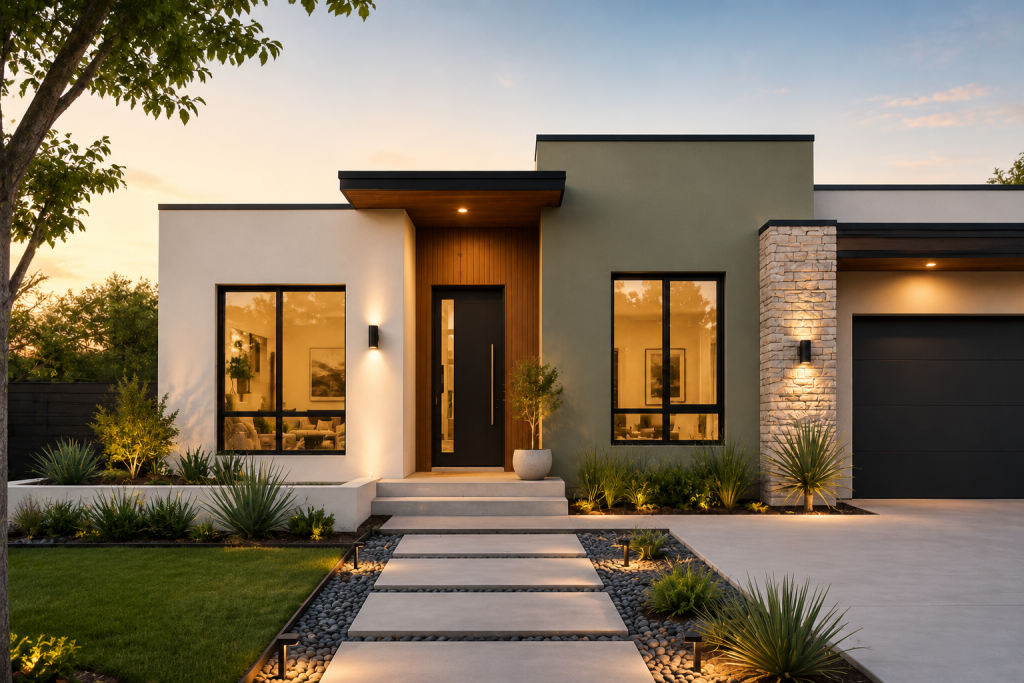
From a design perspective, today’s preferences focus heavily on contrast layering. Instead of single-tone exteriors, homeowners are combining multiple shades across siding, trim, and accents to create depth and architectural definition. This approach enhances curb appeal by making homes appear more custom and visually balanced. Ultimately, modern exterior design preferences prioritize simplicity, durability, and long-term resale appeal. Colors that feel too bold or overly stylized often age quickly, while neutral-modern combinations tend to remain marketable for longer periods, making them a safer investment for homeowners planning future resale.
Final Thoughts
Selecting the best exterior paint colors is ultimately a balance between personal style, neighborhood expectations, and long-term resale performance. While trends can guide inspiration, the most successful choices are those that remain visually appealing across changing market conditions and buyer preferences. In U.S. markets like Seattle and Charlotte, homeowners who prioritize timeless palettes, such as warm whites, soft grays, and grounded earth tones, tend to achieve stronger curb appeal consistency over time. These choices align well with evolving exterior color schemes and reduce the risk of outdated design within a few years. Paint systems from Sherwin-Williams, Benjamin Moore, and Behr continue to play a major role in shaping home exterior trends, offering curated palettes that help homeowners simplify decision-making while maintaining modern appeal. From a resale perspective, neutral-based exteriors paired with controlled accents, such as a bold front door or subtle trim contrast, consistently perform well. These combinations support both house paint color ideas exploration and practical market positioning for homeowners preparing to sell. Ultimately, the most effective strategy is to choose colors that enhance architectural features rather than overpower them. When thoughtfully selected, exterior paint becomes more than decoration; it becomes a long-term investment in curb appeal, buyer perception, and property value stability.
Frequently Asked Questions (FAQ)
What are the best exterior paint colors for curb appeal?
The best exterior paint colors are typically neutral-based tones like warm white, soft gray, greige, and taupe. These shades appeal to a wide range of buyers and help homes look clean, modern, and well-maintained, which improves curb appeal and resale value.
What are the most popular house paint color ideas right now?
Popular color combinations include modern gray-and-white pairings, farmhouse-inspired white with black accents, and earth-tone palettes like sage green and warm beige. These options align with current buyer preferences focused on simplicity and natural tones.
What are modern exterior paint colors for homes?
Modern exterior paint colors often feature darker accents such as charcoal, matte black, deep navy, and muted green paired with lighter siding. These combinations create contrast and highlight architectural details for a more contemporary look.
Are neutral exterior colors better for resale?
Yes. Neutral exterior colors tend to perform best for resale because they appeal to the widest audience. Buyers are more likely to respond positively to homes that feel clean, balanced, and move-in ready rather than highly personalized color choices.
What are the best farmhouse exterior colors?
Classic farmhouse exterior colors include white or off-white siding with black trim, soft gray palettes, and natural wood accents. These combinations remain timeless and align well with traditional American suburban architecture.
What are some easy front door paint ideas?
Popular front door paint ideas include navy blue, black, forest green, and deep red. These accent colors help create a strong focal point and improve first impressions without requiring a full exterior repaint.
How do exterior color schemes affect home value?
Well-planned exterior color schemes improve curb appeal by creating visual harmony between siding, trim, roof, and accents. A cohesive design enhances perceived maintenance quality, which can positively influence buyer interest and resale value.