

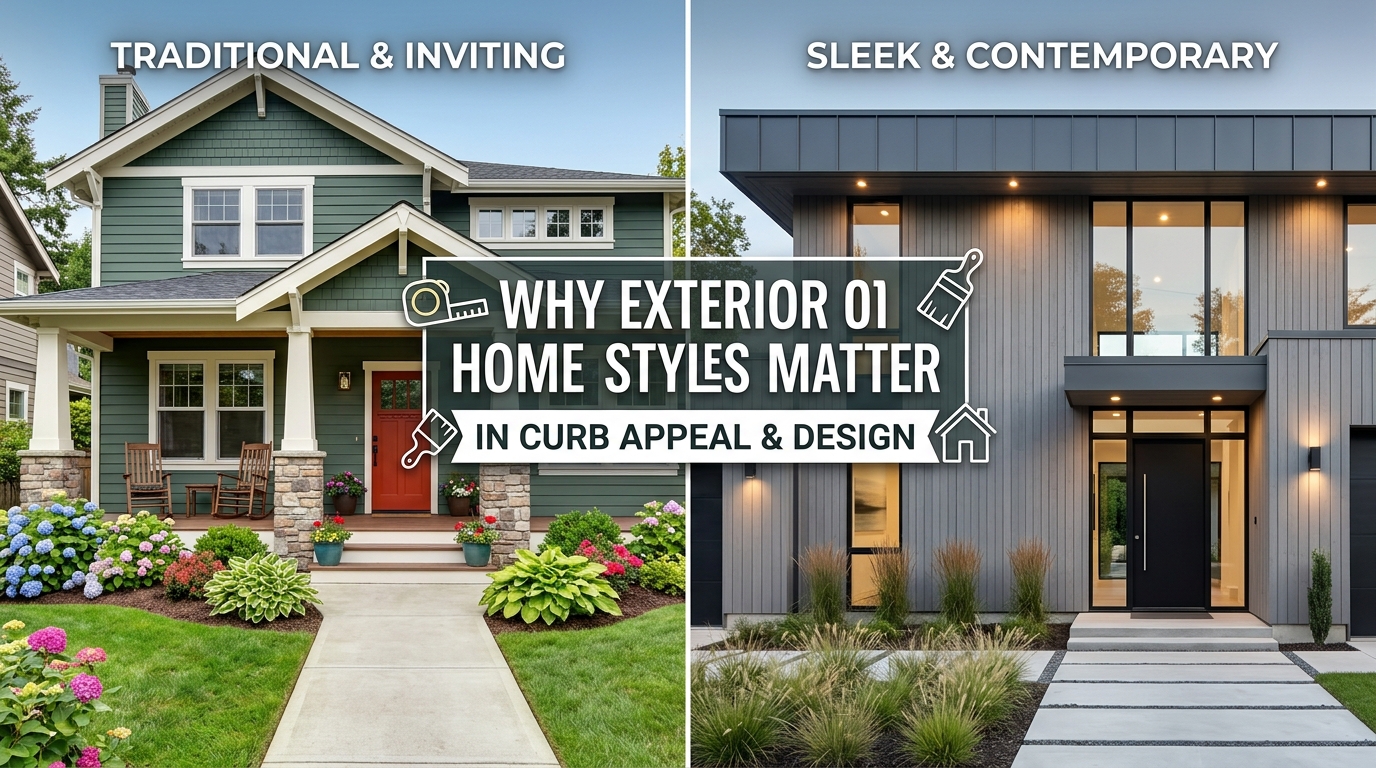
Why Exterior Home Styles Matter in Curb Appeal and Design
Understanding exterior home styles is essential for homeowners who want to improve curb appeal, plan renovations, or choose exterior upgrades that match architectural integrity. Every home style has its own design language, materials, proportions, and color tendencies that influence how a property is perceived from the street. Across U.S. housing markets like San Diego, Chicago, and Atlanta, architectural style plays a major role in both resale value and neighborhood identity. Buyers often evaluate homes not just on condition, but on how well exterior design aligns with regional expectations and design trends.
From classic architectural styles to modern minimalist builds, exterior design influences material choices, landscaping, paint colors, and renovation decisions. A poorly matched upgrade, such as ultra-modern siding on a historic home, can reduce visual harmony and negatively affect curb appeal. According to insights aligned with NAHB, architectural consistency is one of the key factors in perceived home quality during buyer evaluations. This makes understanding style categories critical for anyone planning exterior improvements or resale-focused renovations. This guide breaks down the most important exterior home styles, including modern farmhouse, craftsman, colonial, Mediterranean, contemporary, and traditional American designs.
Modern Farmhouse Exterior Style: Clean Lines and Rustic Charm
The modern farmhouse exterior has become one of the most influential exterior home styles in the United States, especially across suburban developments and new construction communities. It blends traditional rural farmhouse elements with clean modern geometry, creating a balanced look that feels both warm and contemporary. In fast-growing housing markets like Austin and Nashville, this style is widely used because it delivers strong visual appeal without feeling overly ornate. The design typically features white or neutral siding, black-framed windows, metal roofing accents, and simple symmetrical forms. From a materials perspective, modern farmhouse homes often incorporate a mix of exterior finishes such as fiber cement siding, natural wood accents, and board-and-batten panels. These combinations create texture contrast while maintaining a clean overall silhouette that appeals to modern buyers.
According to broader residential design evolution trends, the modern farmhouse style works because it feels familiar yet updated. It respects historical farmhouse proportions while simplifying decorative details for a more refined appearance. The popularity of this style is also tied to its adaptability. Whether used in rural settings or dense suburban neighborhoods, it performs well in visual presentation strategies because it photographs cleanly, feels approachable, and aligns with current buyer preferences for simplicity and warmth. Ultimately, the modern farmhouse exterior succeeds because it bridges two worlds: the comfort of classic design and the clarity of modern minimalism, making it one of the most dominant exterior home styles in today’s housing market.
Craftsman Exterior Home Styles for Timeless Curb Appeal
The craftsman home style is one of the most recognizable and enduring exterior home styles in American residential architecture. Known for its handcrafted details, low-pitched rooflines, and deep front porches, this style emphasizes authenticity, structure, and visible craftsmanship over minimalism. In established neighborhoods like Portland and Seattle, Craftsman homes remain highly valued for their historic charm and strong curb appeal. These homes often feature exposed beams, tapered columns, and mixed-material façades that highlight wood, stone, and brick cohesively. From a home exterior materials perspective, Craftsman designs typically rely on natural textures. Wood siding, shingle accents, and stone bases are commonly used to create visual depth and reinforce the handcrafted aesthetic.
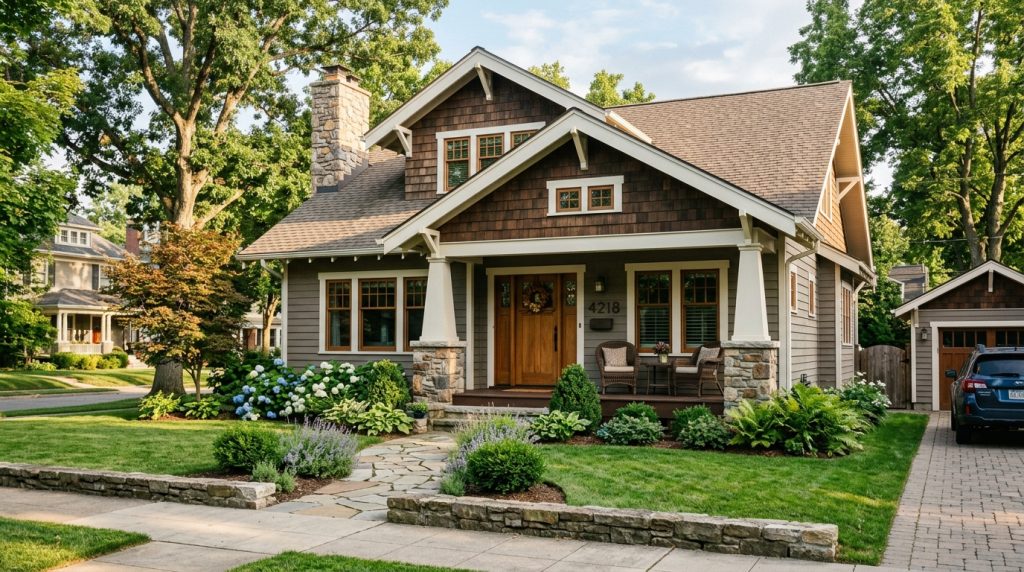
This material layering is a defining trait that separates Craftsman homes from more modern or simplified styles. Compared to more minimal architectural approaches, the Craftsman style is detail-rich. Trim work, brackets, and decorative supports are not just functional; they are part of the visual identity. This makes the style especially appealing to homeowners who value architectural character and historic design influence. The Craftsman style continues to perform well in resale markets because buyers associate it with quality construction and timeless design. Even when updated, it retains a strong identity and curb appeal, making it a reliable choice in both renovation and restoration projects. Overall, the Craftsman home style remains a cornerstone of American architecture, offering a balanced mix of durability, detail, and design warmth that continues to stand out in today’s diverse exterior home styles landscape.
Colonial House Exterior: Symmetry, Tradition, and Lasting Appeal
The colonial house exterior is one of the most iconic exterior home styles in the United States, defined by symmetry, balanced proportions, and a formal architectural presence. Rooted in early American design history, Colonial homes continue to influence modern suburban neighborhoods due to their timeless structure and strong curb appeal. In historic and established markets like Boston and Philadelphia, Colonial homes are especially common. Their consistent façade layout, central entry doors, evenly spaced windows, and rectangular massing create a sense of order that appeals to buyers looking for classic and timeless residential architecture. From a home exterior materials standpoint, Colonial exteriors typically feature brick, wood siding, or clapboard finishes, often paired with black or dark-colored shutters. This material consistency reinforces the style’s structured and historical identity while maintaining strong visual balance.
Compared to more expressive architectural approaches, Colonial homes are less about contrast and more about proportion. Every element is carefully aligned to maintain symmetry, which is a key reason this style remains highly desirable in resale markets. In terms of curb appeal, Colonial homes perform well because they feel familiar and established. Buyers often associate this architectural style with stability and long-term value, making it a strong performer in neighborhoods where architectural consistency is important. Overall, Colonial architecture remains a cornerstone of American residential design, offering a blend of tradition, structure, and timeless elegance within the broader landscape of exterior home styles.
Exterior Home Styles Inspired by Mediterranean Architecture
The Mediterranean home design stands out among exterior home styles for its warm tones, textured finishes, and distinctly European-inspired architectural details. This style is heavily influenced by coastal regions of Spain, Italy, and Greece, and it has been widely adapted in sunbelt regions across the United States. In warm-weather markets like Los Angeles and Miami, Mediterranean-style homes are especially popular due to their climate compatibility and strong curb appeal. The design naturally suits hot, sunny environments with its light-colored stucco exteriors and heat-reflective materials. From a home exterior materials perspective, Mediterranean homes typically feature stucco walls, clay tile roofing, wrought iron detailing, and arched windows or entryways. These elements combine to create a rich, textured exterior that feels both luxurious and grounded in tradition.
Compared to more linear architectural styles, Mediterranean designs are more expressive and ornamental. Curves, arches, and decorative accents are central to the aesthetic, creating a softer and more organic visual flow. Mediterranean architecture represents a regional adaptation rather than a historical American origin. However, it has become deeply integrated into luxury housing developments, especially in coastal and resort-style communities. Overall, Mediterranean home design remains one of the most visually distinctive exterior home styles, offering warmth, texture, and timeless elegance that performs especially well in sunny climates and upscale residential markets.
Contemporary Home Exteriors: Minimalist Design and Clean Geometry
Contemporary home exteriors represent one of the most flexible and evolving exterior home styles, defined by simplicity, clean lines, and a strong focus on geometry and material contrast. Unlike traditional architectural styles, contemporary design is not tied to a single historical period; it continuously adapts to modern building trends, technologies, and lifestyle needs. In innovation-driven housing markets like San Francisco and Seattle, contemporary homes are especially popular for their minimalist curb appeal, architecture, and integration with energy-efficient construction. These homes often prioritize large windows, flat or low-slope rooflines, and open exterior forms that emphasize simplicity and light. From a home exterior materials standpoint, contemporary designs frequently combine smooth stucco, metal panels, glass, and fiber cement siding. This mix creates contrast without excessive ornamentation, allowing the structure itself to serve as the primary design feature.
Compared to more decorative styles like the Mediterranean home design, contemporary exteriors avoid arches, textures, and ornamental detailing. Instead, they focus on proportion, spacing, and negative space, resulting in a more refined and streamlined appearance. Contemporary architecture represents a shift toward modern living priorities such as energy efficiency, low maintenance, and open visual flow. This makes it especially attractive in urban and high-density suburban environments where simplicity and performance are valued. Overall, contemporary home exteriors deliver a clean, modern aesthetic that emphasizes balance and restraint, making them a defining force in today’s evolving landscape of exterior home styles.
Traditional American Homes: Balanced Design and Universal Curb Appeal
Traditional American homes represent one of the most familiar and widely adopted exterior home styles across the United States. This category is not defined by a single strict blueprint, but rather by a blend of classic architectural influences that prioritize balance, symmetry, and long-term visual appeal. In established suburban regions like Indianapolis and Charlotte, traditional homes dominate many neighborhoods because they fit comfortably within a wide range of exterior design expectations. Their versatility makes them suitable for both older communities and newer master-planned developments. From a home exterior materials perspective, these homes commonly use brick, vinyl siding, wood accents, or a combination of these finishes. Rooflines are typically simple and functional, while windows and entryways are arranged in a balanced, predictable layout that feels approachable and timeless.
Compared to more stylistically specific designs, traditional homes are less defined by signature details and more by overall harmony. This flexibility allows homeowners to make updates, such as new siding, shutters, or paint, without disrupting the core architectural identity. In terms of exterior presentation, traditional homes perform consistently well in resale markets because they appeal to a broad range of buyers. Their neutral design language reduces visual risk, making them a safe and reliable choice for long-term ownership and investment.
Curb Appeal Architecture: How Exterior Style Shapes First Impressions
Curb appeal architecture is the connecting layer that ties all exterior home styles together. While each style, modern farmhouse, Craftsman, Colonial, Mediterranean, contemporary, or traditional, has its own identity, curb appeal is what determines how that style is actually perceived from the street. In design-forward cities like San Diego and Denver, curb appeal is often treated as a key part of property value. Buyers don’t just evaluate materials or layout; they respond immediately to proportion, color harmony, landscaping, and how well the home’s architecture fits its surroundings. From a home exterior materials perspective, curb appeal is heavily influenced by how textures and finishes interact. Brick, stucco, wood, stone, and siding all create different visual weights, and successful designs balance these materials to avoid visual overload or flatness.
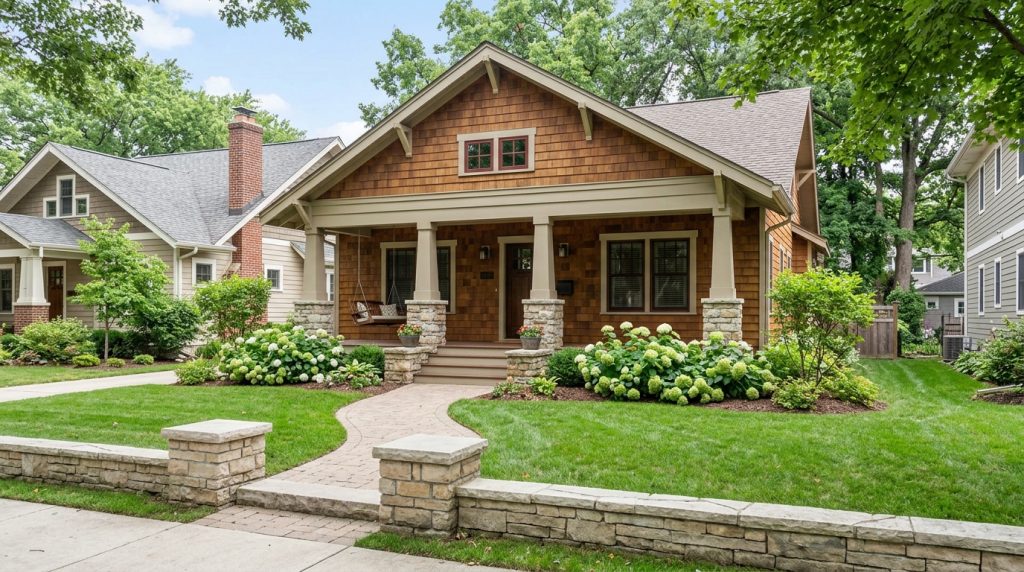
Compared to focusing on a single architectural style, exterior presentation is about execution rather than classification. Even a well-designed style can lose impact if paint colors clash, landscaping is outdated, or entryways lack definition. In broader residential design, curb appeal often relies on simplicity and maintenance quality. Clean rooflines, fresh paint, trimmed landscaping, and well-lit entry points can dramatically improve perceived value without changing the underlying structure. Ultimately, curb appeal is what transforms architectural style into real-world impact. It ensures that every exterior home style is not only defined correctly but also presented in a way that feels intentional, cohesive, and visually appealing at first glance.
Final Thoughts
Understanding the major exterior home styles is more than an architectural exercise; it’s a practical step in making smarter renovation, design, and resale decisions. Each style carries its own identity, material preferences, and curb appeal strategy that directly influences how a home is perceived in the market. In fast-growing housing regions like Dallas and Charlotte, homeowners often choose styles based on both lifestyle and long-term value. A modern farmhouse exterior may appeal to buyers seeking warmth and simplicity, while a contemporary home exterior attracts those prioritizing clean lines and modern efficiency. From a home exterior materials perspective, the chosen style determines everything from siding and roofing to windows and trim. For example, the craftsman home style leans on natural textures like wood and stone, while the colonial house exterior emphasizes symmetry and brick or clapboard finishes. Mediterranean designs introduce stucco and tile, reinforcing regional adaptability and visual warmth. According to broader insights aligned with NAHB, architectural consistency remains one of the strongest contributors to perceived home quality and resale appeal. Buyers respond most positively when a home’s exterior design feels cohesive, well-maintained, and true to its architectural intent. Ultimately, selecting the right style is about alignment between architecture, materials, climate, and long-term goals. When these elements work together, any of the major exterior home styles can achieve strong curb appeal architecture and lasting market value.
Frequently Asked Questions (FAQ)
What are the most popular exterior home styles in the US?
The most popular exterior home styles in the United States reflect different regional influences and design preferences, ranging from timeless architectural traditions to more modern and location-driven design approaches.
What is the difference between modern farmhouse and traditional homes?
A modern farmhouse exterior blends rustic materials with clean, modern lines, while traditional American homes focus more on balanced proportions and classic, understated design. Farmhouse styles tend to feel more updated and trend-driven.
Which exterior home style has the best curb appeal?
There is no single winner, but styles with strong curb appeal architecture, such as modern farmhouse, Craftsman, and Mediterranean, often perform well because they combine character, proportion, and visual balance.
Are contemporary home exteriors expensive to build?
Contemporary home exteriors can vary in cost depending on materials like glass, steel, and stucco. While some designs are simple, custom geometry and large window systems can increase overall construction expenses.
What materials are used in Craftsman home style exteriors?
The craftsman home style typically uses natural home exterior materials such as wood siding, stone accents, shingles, and exposed structural details that highlight craftsmanship and texture.
Why are colonial house exteriors so common?
The colonial house exterior remains popular because of its symmetry, simplicity, and timeless design. It fits well into many neighborhoods and supports strong long-term resale appeal.
How does architecture affect curb appeal?
Exterior design influences how a home is perceived from the street. Elements like rooflines, materials, symmetry, and color coordination all shape first impressions and overall property value.