


How Much Does a New Deck Building Cost in 2026?
Adding a deck remains one of the most popular outdoor home improvement projects in the United States. Whether you’re creating a space for family gatherings, weekend barbecues, or simply increasing your home’s usable outdoor area, understanding the deck building cost is essential before starting your project. In 2026, homeowners can expect pricing to vary significantly based on deck size, materials, design complexity, labor rates, and location. A simple pressure-treated wood deck may cost substantially less than a custom composite deck with premium railings, lighting, and built-in seating. Regional factors also play a role, with homeowners in states like California, Florida, and Colorado often facing different labor and permitting costs.
The average new deck cost in the United States typically ranges from several thousand dollars for smaller projects to well over $30,000 for larger custom builds. Composite deck cost is generally higher than traditional wood options, but many homeowners consider the added durability and lower maintenance worth the investment over time. However, the right deck can enhance curb appeal, improve outdoor functionality, and potentially increase property value. This guide breaks down deck costs in 2026, including pricing by size, material, and region, helping homeowners set realistic budgets and make informed decisions before construction begins.
Average Deck Building Cost in 2026
The average deck building cost in 2026 ranges from approximately $25 to $70 per square foot, depending on materials, labor rates, and project complexity. Most U.S. homeowners spend between $8,000 and $25,000 for a professionally built deck, while premium custom projects can exceed $40,000. Several factors influence pricing, including deck height, structural requirements, railing systems, stairs, and local permit fees. Homeowners in high-cost markets such as California and parts of the Northeast often pay more due to increased labor expenses and stricter building regulations.
For budgeting purposes, a small 100-square-foot deck may cost between $2,500 and $7,000, while a larger 400-square-foot outdoor living space can range from $10,000 to $28,000 or more. Understanding the expected deck installation cost early in the planning process helps homeowners avoid unexpected expenses and compare contractor bids more effectively.
The table below provides a general estimate of deck costs based on common project sizes.
Deck Building Cost by Project Size
| Deck Size | Typical Cost Range |
| 100 sq. ft. | $2,500–$7,000 |
| 200 sq. ft. | $5,000–$14,000 |
| 300 sq. ft. | $7,500–$21,000 |
| 400 sq. ft. | $10,000–$28,000 |
| 500+ sq. ft. | $12,500–$40,000+ |
These figures represent national averages and may vary based on material selection, site conditions, and contractor availability in your area.
Deck Building Cost Per Square Foot Explained
Understanding the deck building cost on a per-square-foot basis is one of the most effective ways for homeowners to estimate budgets accurately. In 2026, most decks in the U.S. fall within a range of $25 to $70 per square foot, with pricing driven primarily by material selection and structural complexity.
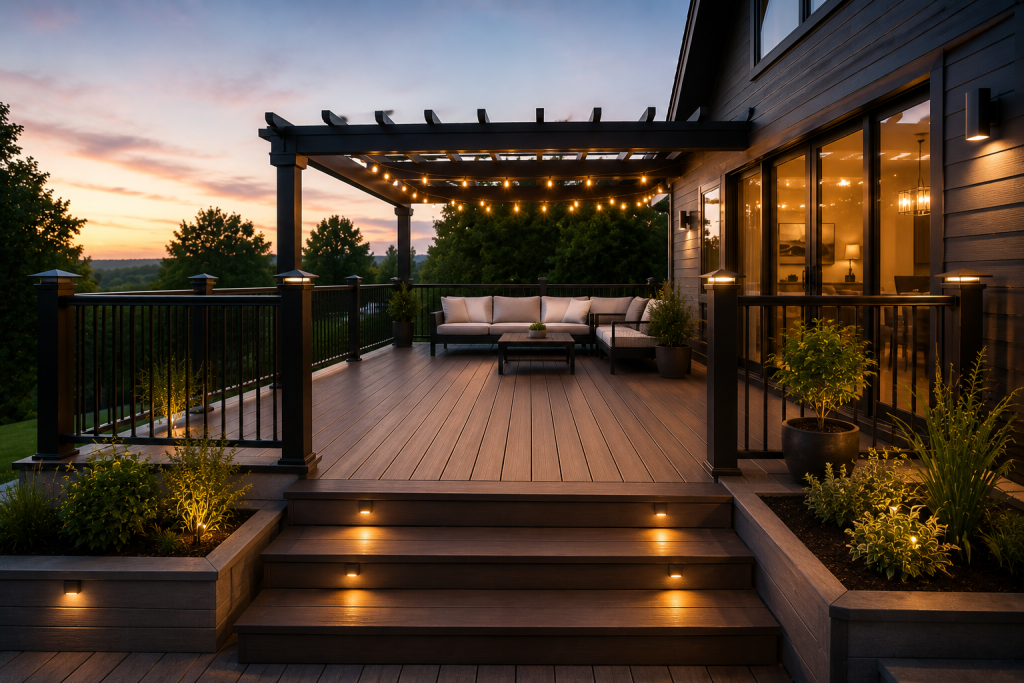
Basic pressure-treated wood decks typically sit at the lower end of the range, while premium composite and custom-designed outdoor structures fall on the higher end. Features such as multi-level layouts, built-in seating, and upgraded railing systems can also significantly increase the overall cost per square foot. Labor continues to be a major cost driver, especially in regions with strict building codes or high demand for contractors. In many cases, labor can account for 40%–60% of total project pricing.
Deck Cost Per Square Foot by Material Type
Material choice plays a major role in determining the final budget for any project. Below is a general breakdown of pricing based on common decking materials:
- Pressure-treated wood: $25–$40 per sq. ft.
- Cedar: $30–$50 per sq. ft.
- Redwood: $35–$55 per sq. ft.
- Composite decking: $45–$70+ per sq. ft.
These estimates reflect typical U.S. market conditions and can vary depending on local contractor rates and availability. Choosing the right material early in planning helps homeowners better control their overall deck building cost while balancing durability, maintenance, and long-term value.
What Factors Affect Deck Building Cost?
The final deck building cost of any project is shaped by multiple structural, material, and regional factors. While square footage provides a baseline, real-world pricing can shift significantly based on design choices, site conditions, and labor availability across different U.S. markets. One of the biggest cost drivers is deck complexity. A simple rectangular platform will always cost less than multi-level layouts with stairs, custom railings, or integrated seating. In addition, elevated decks requiring deeper foundations or structural reinforcement can increase both material and labor expenses. Homeowners should also consider permitting requirements, which vary by city and state.
Hidden Cost Factors Homeowners Often Overlook
Many homeowners underestimate the smaller expenses that add up during construction. These can include demolition of existing structures, post-installation inspections, electrical wiring for lighting, and landscaping restoration after the build is complete. Material upgrades also significantly influence pricing. High-end finishes, premium railing systems, and integrated lighting can quickly increase the total budget. These elements contribute directly to the overall deck installation cost, especially in custom outdoor projects where design flexibility is a priority.
Regional labor rates remain another major factor. Contractors in metropolitan areas such as New York, Los Angeles, and Seattle typically charge more than those in smaller Midwestern or Southern cities, impacting the final project total. Careful planning and transparent contractor estimates are essentiadesignl to controlling the overall deck building cost while still achieving the desired outdoor living .
Composite vs Wood Deck Costs in 2026
When evaluating deck building cost, one of the most important decisions homeowners face is choosing between composite and wood materials. This choice directly impacts upfront pricing, long-term maintenance, and overall durability in different U.S. climate conditions. Pressure-treated wood remains the most affordable option for many homeowners, but it requires regular staining, sealing, and maintenance to withstand moisture, sun exposure, and seasonal temperature changes.
In contrast, composite materials offer higher initial costs but significantly reduce long-term upkeep.In 2026, the gap between material options continues to influence overall project budgets. A wood-based structure generally results in a lower overall investment, making it attractive for budget-conscious projects. However, composite systems provide better resistance to fading, rot, and insect damage, especially in humid Southern states and coastal regions.
Which Option Delivers Better Long-Term Value?
From a long-term perspective, composite decking often provides better return on investment due to lower maintenance requirements and longer lifespan. Homeowners in regions with extreme weather—such as Florida’s humidity or the Midwest’s freeze-thaw cycles—may find composite systems more practical despite higher upfront costs. Wood decks, while initially cheaper, can increase ongoing maintenance expenses over time, affecting the total wood deck construction cost over the lifespan of the structure. Ultimately, the right choice depends on budget, climate, and how much maintenance a homeowner is willing to handle. Both materials can deliver strong outdoor living value when properly installed and maintained.
Deck Installation Cost by Region in the United States
The overall deck building cost in 2026 is heavily influenced by regional pricing differences across the United States. Labor rates, permitting requirements, material availability, and climate conditions all contribute to noticeable cost variations from one region to another. In general, homeowners in the Northeast and West Coast experience higher pricing due to stricter building codes, higher contractor demand, and increased labor expenses. Meanwhile, the Midwest and parts of the South typically offer more affordable construction rates, making large outdoor projects more budget-friendly. Climate also plays a key role. For example, hurricane-prone areas like Florida require stronger structural supports and impact-resistant materials, while northern states such as Minnesota and Illinois often require deeper footings to withstand freeze-thaw cycles. These engineering requirements directly impact the final deck building cost.
Regional Cost Breakdown Overview
- Northeast (New York, Massachusetts): Higher labor and permit costs
- South (Texas, Florida, Georgia): Moderate to high, depending on storm resistance requirements
- Midwest (Ohio, Illinois, Michigan): Generally moderate pricing
- West (California, Washington, Colorado): Highest overall costs due to labor and regulations
These regional differences can change the total backyard deck pricing significantly even for identical designs, making local contractor quotes essential for accurate budgeting. Understanding geography-based pricing helps homeowners plan more realistic budgets and avoid unexpected cost spikes during construction planning.
Ways to Save Money on Your Deck Project
Managing deck expenses effectively in 2026 often comes down to smart planning decisions made before construction begins. Homeowners can significantly reduce expenses without sacrificing durability or curb appeal by focusing on design efficiency, material selection, and contractor planning. One of the most effective strategies is choosing a simple, rectangular layout. Complex shapes, multi-level designs, and extensive stair systems can quickly increase labor hours and material usage. Keeping the design streamlined helps control the overall deck building cost while still delivering a functional outdoor space. Material selection is another major cost lever. Pressure-treated wood remains the most budget-friendly option, while composite materials offer long-term savings through reduced maintenance. Timing also matters—building during off-peak contractor seasons can sometimes result in more competitive pricing and better availability.
Smart Cost-Saving Strategies for Homeowners
Comparing multiple contractor bids is essential. Pricing can vary significantly between builders, even within the same city. Homeowners should also clearly define project scope early to avoid change orders, which often increase the final deck building cost unexpectedly. Another effective approach is bundling upgrades strategically. For example, combining lighting, railing, and seating upgrades during the initial build is usually more cost-efficient than adding them later.
Proper planning and material optimization can also reduce overall outdoor living renovation cost, especially when aligning the deck project with broader backyard improvements such as patios or landscaping. With the right decisions, homeowners can achieve a high-quality outdoor space while maintaining a balanced budget and long-term value.
Is Building a New Deck Worth the Investment?
When evaluating deck building cost in 2026, many homeowners ultimately ask whether the investment delivers meaningful long-term value. In most U.S. housing markets, a well-designed deck is considered one of the more reliable exterior upgrades for both lifestyle use and resale appeal. A properly built deck expands usable living space without the expense of a full home addition. It creates a functional outdoor area for dining, entertaining, and relaxation, which is especially valuable in regions with mild or seasonal climates such as the Southeast, Pacific Northwest, and parts of the Midwest.
From a resale perspective, real estate professionals often note that outdoor living features can improve buyer perception and increase listing competitiveness. While ROI varies by region and material quality, homeowners typically recover a significant portion of their investment when selling a home with a well-maintained deck. Initial project expenses should also be weighed against long-term benefits like improved curb appeal, increased usability, and enhanced property aesthetics. In many cases, these advantages extend beyond financial return and contribute to daily lifestyle improvements. For homeowners considering a full backyard upgrade, a deck often becomes the centerpiece of outdoor design, connecting indoor and outdoor living spaces seamlessly while adding functional square footage without major structural expansion.
Conclusion
Understanding the deck building cost in 2026 helps homeowners plan realistic budgets and avoid unexpected expenses during construction. From material selection to regional labor differences, every decision impacts the final price and long-term value of the project. Whether you choose wood or composite, a well-planned deck enhances outdoor living space and boosts home appeal. By comparing estimates and prioritizing smart design choices, you can achieve a durable, functional deck that fits both your budget and lifestyle goals.
Frequently Asked Questions
How much does a 20×20 deck cost in 2026?
A 20×20 deck (400 square feet) typically costs between $10,000 and $28,000 in 2026, depending on materials, design complexity, and local labor rates. Pressure-treated wood is more affordable, while composite materials significantly increase the overall project cost.
What is the average deck cost per square foot?
In most U.S. markets, the deck cost per square foot ranges from $25 to $70. Basic wood decks sit at the lower end, while premium composite systems and custom builds fall on the higher end.
Is composite decking worth the extra deck building cost?
Yes, in many cases composite materials offer long-term value due to reduced maintenance, better durability, and resistance to rot, fading, and insects. While the upfront deck building cost is higher, long-term savings on maintenance can help offset the investment over time.
Does a deck increase home value?
A well-built deck can improve curb appeal and increase resale value, especially in regions where outdoor living space is highly desirable. The return depends on material quality, design, and market demand.
How long does deck installation take?
Most residential decks take 1 to 3 weeks to complete, depending on size, weather conditions, and design complexity. Larger custom projects may take longer due to inspections and permitting.
Do I need a permit to build a deck?
In most U.S. cities and counties, yes. Permits are typically required for decks above a certain height or attached to the home. Local building codes and IRC guidelines determine exact requirements.