


Best Decking Materials for US Climates
Choosing the best decking materials is one of the most important decisions homeowners make when planning an outdoor upgrade. In 2026, extreme weather patterns across the United States—from intense heat in the Southwest to heavy snow in the Northeast have made material selection more critical than ever. The decking materials are no longer just about appearance; they must deliver long-term durability, climate resistance, and low maintenance performance.
Different regions demand different solutions, which means what works in Florida may not perform the same in Colorado or Minnesota. This guide breaks down how the decking materials perform across various US climates, comparing durability, cost efficiency, and weather resistance. By understanding these differences, homeowners can confidently choose a decking system that matches their environment, budget, and long-term outdoor living goals.
What Makes the Best Decking Materials in 2026?
Defining the best decking materials in 2026 goes beyond aesthetics and focuses on performance under real-world US climate conditions. Homeowners now prioritize durability, long-term value, and resistance to weather extremes rather than just initial appearance. The decking materials must balance strength, maintenance requirements, and cost efficiency over time. Key performance factors include resistance to moisture, UV exposure, temperature fluctuations, and structural warping. Materials that perform well in these categories tend to last longer and require fewer repairs, especially in regions with harsh seasonal changes.
In addition, sustainability and lifecycle cost have become important considerations for modern homeowners. Ultimately, the decking materials are those that deliver consistent performance across varying environments while minimizing upkeep. Whether a home is located in a humid coastal region or a dry desert climate, selecting materials based on durability and climate compatibility is essential for long-term satisfaction.
Composite Decking for Most US Climates
Among the best decking materials, composite decking has become one of the most widely used options across the United States due to its balanced performance in multiple climate conditions. It is engineered to resist moisture, fading, and insect damage, making it suitable for both humid and dry environments. In regions with fluctuating weather patterns, composite boards maintain stability better than traditional wood, reducing the risk of warping or cracking. This makes it a reliable choice for homeowners who want consistent performance with minimal maintenance.
While the upfront cost is higher than wood, the long-term durability often offsets the initial investment. Composite materials also offer design versatility, with a range of colors and textures that mimic natural wood. For many homeowners, this combination of durability and low upkeep positions composite decking as one of the most practical choices among the decking materials available today.
Pressure-Treated Wood Decking Overview: One of the Best Decking Materials
When evaluating the best decking materials, pressure-treated wood decking remains one of the most commonly used options in the United States due to its affordability and widespread availability. It is chemically treated to resist rot, insects, and moisture, making it a practical entry-level choice for many homeowners working within a limited budget. This material performs well in moderate climates but requires regular maintenance, including sealing and staining, to preserve its appearance and structural integrity.
Without proper upkeep, exposure to rain, snow, and UV rays can shorten its lifespan compared to more advanced alternatives. Despite these limitations, pressure-treated wood decking continues to be popular because it offers a natural wood appearance at a lower upfront cost. For homeowners prioritizing initial savings over long-term maintenance reduction, it remains a viable contender among the decking materials, especially in regions with less extreme weather conditions.
PVC Decking for High-Moisture Regions
Among the best decking materials, PVC decking stands out for its exceptional resistance to water and humidity, making it a strong choice for coastal and high-moisture regions in the United States. Unlike wood-based products, PVC contains no organic material, which eliminates concerns about rot, mold, and insect damage over time. This makes PVC decking especially effective in areas like Florida and the Gulf Coast, where heavy rainfall and humidity can quickly degrade traditional wood surfaces.
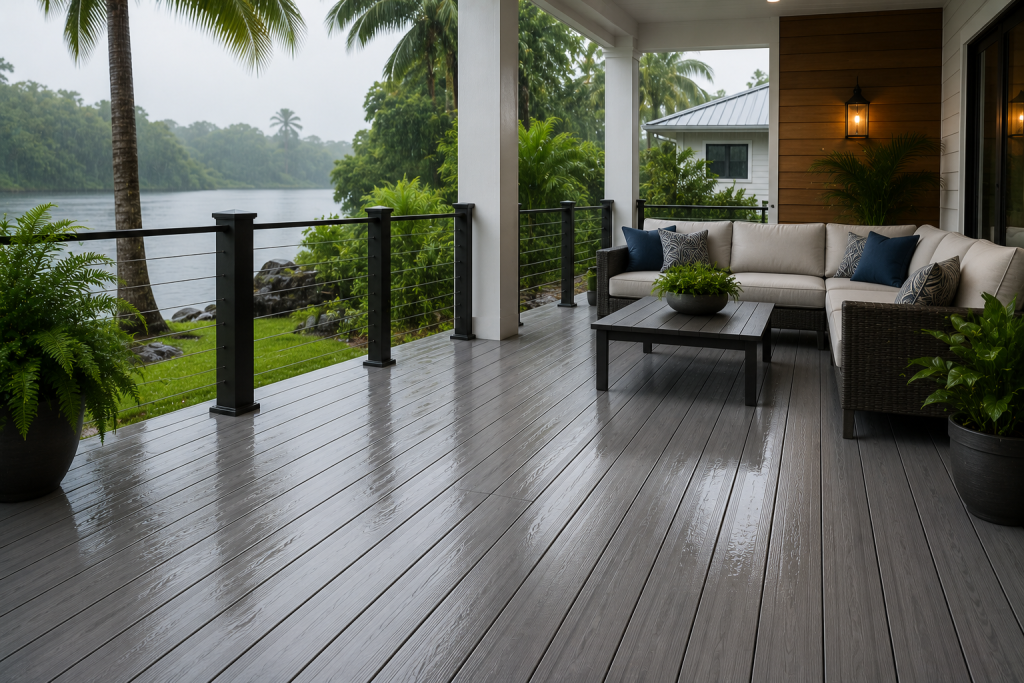
It also performs well around pools and shaded environments where moisture exposure is constant. While PVC decking typically comes at a higher upfront cost compared to pressure-treated wood, its long lifespan and minimal maintenance requirements often make it a cost-effective option over time. For homeowners prioritizing durability in wet climates, it remains one of the strongest contenders among the decking materials available today.
Weather-Resistant Decking Explained
When identifying the best decking materials, understanding what qualifies as weather-resistant decking is essential for long-term performance. These materials are specifically engineered to withstand exposure to rain, snow, sunlight, and temperature fluctuations without significant deterioration. In the US, where climate conditions vary widely, weather resistance is a key factor in material selection. High-quality composite and PVC systems are often considered top-tier options because they resist moisture absorption, fading from UV exposure, and structural warping.
Treated wood can offer moderate weather resistance, but it typically requires ongoing sealing and maintenance to maintain protection over time. For homeowners, weather-resistant decking is not just about durability—it also reduces maintenance costs and extends usable outdoor living seasons. Choosing materials with strong weather performance helps ensure that the deck remains safe, visually appealing, and structurally sound across different environments and seasonal changes.
Best Decking for Hot Climates
Selecting the right materials is critical when evaluating the best decking materials for regions with intense heat and strong sun exposure. Decking for hot climates must withstand high UV levels, thermal expansion, and surface heat buildup, especially in states like Arizona, Nevada, and Texas. Composite and PVC materials are often preferred because they resist fading and maintain structural stability under extreme temperatures. Lighter color options are especially effective for reducing surface heat, making outdoor spaces more comfortable during peak summer months.
In contrast, traditional wood can become dry, warp, or fade more quickly without consistent sealing and maintenance. For homeowners in hot regions, choosing decking for hot climates is not just about durability but also comfort and usability. The right material helps ensure the deck remains safe to walk on, visually consistent, and functional throughout long, hot seasons while still fitting within broader expectations of the decking materials
Best Decking for Snowy Climates
In colder regions, choosing the best decking materials requires a strong focus on durability under freeze-thaw cycles and heavy snow loads. Decking for snowy climates must be able to withstand repeated expansion and contraction without cracking, warping, or losing structural integrity over time. Composite decking is often a preferred option because it handles moisture better than traditional wood and does not absorb water that can freeze and cause damage. PVC materials also perform well in these environments due to their non-porous structure, which helps prevent ice-related deterioration.
In contrast, untreated or poorly maintained wood can suffer from splitting and accelerated wear in harsh winter conditions. For homeowners in states like Minnesota, Colorado, and the Northeast, selecting decking for snowy climates is essential to ensure long-term safety and performance. The right material choice helps maintain structural stability while supporting the overall durability expectations of the decking materials.
Most Durable Deck Materials Ranked
When homeowners evaluate the best decking materials, durability is often the deciding factor in long-term satisfaction. Durable deck materials are those that can withstand moisture, UV exposure, temperature shifts, and heavy foot traffic without significant structural or aesthetic degradation over time. At the top of most durability rankings are PVC and high-quality composite systems, which offer strong resistance to water damage, fading, and insect activity. These materials are engineered for long-term stability and are widely used in demanding climates across the United States.
Pressure-treated wood ranks lower in durability but remains popular due to its affordability and ease of replacement. Natural hardwoods like cedar and redwood offer moderate durability with proper maintenance, but they require consistent sealing to perform well over time. Ultimately, selecting durable deck materials ensures a longer lifespan, reduced repair needs, and better alignment with the long-term expectations of the decking materials.
How to Choose the Right Decking Material
Selecting from the best decking materials requires balancing climate conditions, budget, and long-term maintenance expectations. Homeowners should first consider local weather patterns, since moisture, heat, and freeze-thaw cycles all impact material performance differently across the United States. Budget is another key factor. Some materials offer lower upfront costs but require more maintenance, while others involve higher initial investment but reduce long-term upkeep.
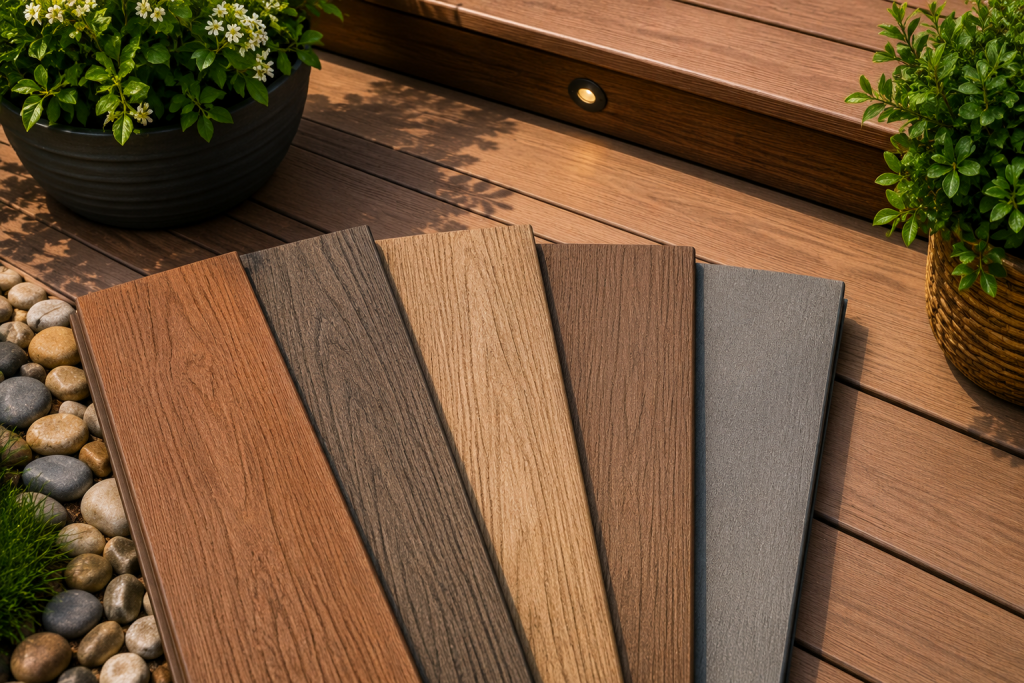
Lifestyle also matters—busy households often prefer low-maintenance options, while others may prioritize the natural look of wood despite added care requirements. Finally, consider long-term durability and resale value. The decking materials are those that align with both short-term affordability and long-term performance. By evaluating climate, cost, and maintenance together, homeowners can confidently choose a decking solution that enhances both outdoor living space and property value over time.
Conclusion
Choosing the best decking materials ultimately comes down to how well a product performs in your specific US climate and how much maintenance you’re willing to manage over time. While wood remains attractive for its lower upfront cost and natural appearance, it requires ongoing care that can add to long-term ownership effort and expense. Composite and PVC options continue to lead in durability and weather resistance, especially in regions with heavy moisture, extreme heat, or freezing winters. These materials consistently rank among the decking materials because they reduce maintenance demands while offering strong long-term performance and stability. For most homeowners, the smartest decision is not just about initial price but total lifecycle value. By weighing climate conditions, durability needs, and maintenance expectations, you can confidently choose a decking material that enhances both outdoor living and long-term property value.
Frequently Asked Questions
What are the best decking materials for long-term use?
The best decking materials for long-term performance are typically composite and PVC decking options because they resist moisture, UV damage, fading, rot, and insect damage while requiring less maintenance than traditional wood. For homeowners prioritizing durability, lower upkeep, and extended lifespan, composite and PVC are often considered among the best decking materials for long-term outdoor performance.
Is composite better than wood decking?
Composite materials generally offer better durability and lower maintenance, while wood provides a lower upfront cost but requires ongoing care such as sealing and staining.
What decking works best in extreme weather?
For extreme conditions, weather-adaptive materials like composite or PVC are often preferred because they perform more consistently across heat, humidity, and freezing temperatures.
How long do different decking materials last?
Lifespan varies, but high-quality composite and PVC decks can last 25–30 years, while wood decks typically last 10–20 years depending on maintenance.
Are decking materials worth the higher cost?
Yes, higher-quality materials often reduce long-term maintenance expenses and improve durability, making them cost-effective over time.