


Best Accent Wall Colors for Small Spaces: Complete Guide
A single accent wall is one of the cheapest upgrades you can make, just a gallon or two of paint, and the best paint colors for small rooms can make a compact space feel noticeably larger. But shade and placement decide everything: the wrong dark accent wall in a small room will box it in instead of opening it up.
This guide covers the colors that make a small room look bigger, how lighting and room type change the result, and the mistakes that shrink a room instead.
Quick picks
- Bedrooms → muted sage, warm greige, soft taupe (calm, restful feel)
- Living rooms → deeper tones behind the sofa or fireplace for a focal point
- Home offices → muted green or soft blue (focused, not heavy)
- Low-light rooms → warm whites and light greige (bounce the light around)
Why Color Choice Changes How a Small Room Feels
Color plays a major role in how a room feels, especially when space is limited. The right accent wall colors for small spaces can create depth, improve visual balance, and make compact rooms appear larger. Many small rooms in builder-grade homes feel confined because of plain walls and limited architectural detail. Accent walls help add dimension without requiring renovations or structural changes.
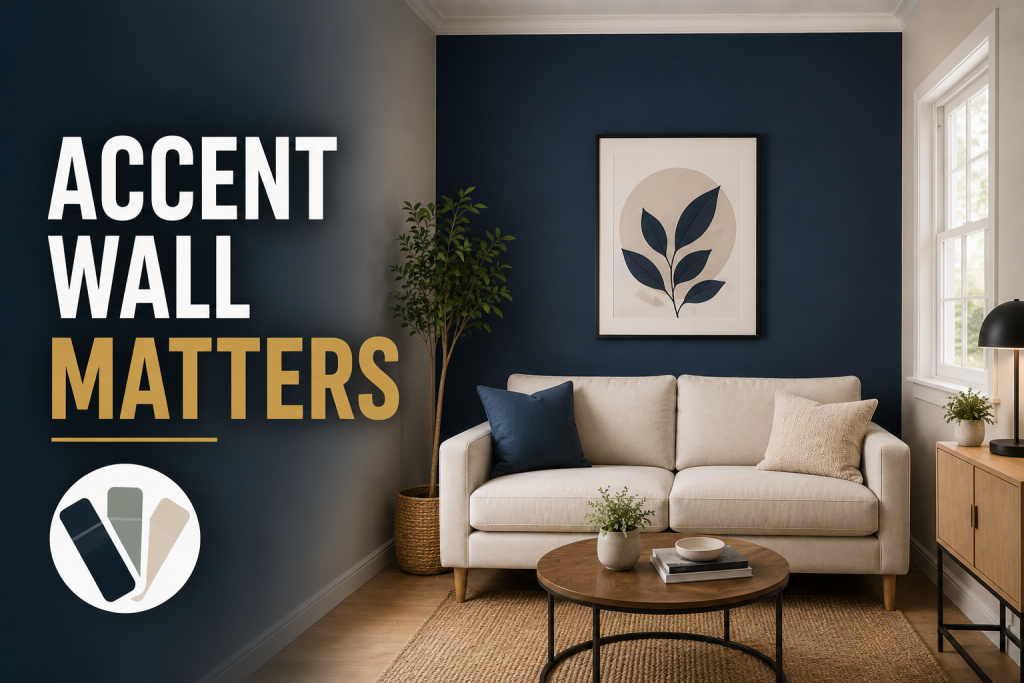
Strategic color placement also helps define focal points around beds, sofas, or work areas while improving overall flow. Soft neutral accent colors often make spaces feel more open, while darker shades can create depth when used correctly. Modern homeowners increasingly combine small space paint colors with layered décor and lighting to enhance visual space. Paint brands such as Sherwin-Williams and Benjamin Moore continue influencing accent wall trends through curated palettes for compact interiors.
The Best Paint Colors for Small Rooms
Choosing the right feature wall colors for small spaces depends on lighting, room function, and overall interior style. Some colors visually expand rooms, while others create depth and contrast.
Bold Accent Wall Colors for Small Spaces
Dark greens, navy blues, charcoal tones, and deep terracotta shades remain popular bold accent wall ideas because they add depth without requiring large rooms. When paired with lighter surrounding walls, these colors can create a focal point while maintaining balance.
Neutral Tone Accent Colors for Smaller Spaces
Soft taupe, warm beige, greige, muted sage, and creamy whites remain timeless neutral tone accent colors for compact interiors. These shades work especially well with modern décor because they reflect light and support many cozy room paint techniques. Homeowners often combine neutral tones with layered textures and natural materials to create more open and inviting rooms.
Colors That Make a Small Room Look Bigger
The right trendy wall colors can visually expand compact interiors and make small rooms feel brighter and more open. Color selection becomes especially important in apartments, bedrooms, and builder-grade homes where square footage is limited. Soft whites, warm greiges, muted greens, and light earth tones remain popular small space paint colors because they reflect light and create a spacious appearance.
Cool shades such as pale blue and soft grey can also add depth without making rooms feel closed in. Many homeowners pair these tones with natural lighting and minimal décor to enhance openness. Homes in Denver often incorporate warm neutrals, while coastal interiors in Miami frequently use lighter palettes. Combining modern shades with thoughtful layouts also supports many contemporary cozy room paint techniques.
What Sherwin-Williams and Benjamin Moore Offer for Compact Spaces
Paint brands continue to influence modern accent wall colors for small spaces because curated palettes help homeowners choose colors that work in compact interiors. Many popular Sherwin-Williams colors include deep navy tones, muted greens, warm greiges, and earthy neutrals. These shades often work well in bedrooms, living rooms, and home offices because they add depth without overwhelming smaller spaces.
Likewise, Benjamin Moore accent walls frequently feature soft taupes, charcoal greys, warm whites, and nature-inspired colors that support modern interiors. Brands such as Sherwin-Williams and Benjamin Moore remain popular among American homeowners because their palettes align with evolving modern wall colors and current interior trends. Choosing brand-supported colors can also simplify paint selection and coordination.
Choosing Colors by Room Type: Bedroom, Living Room, Office
Different rooms require different accent wall colors for small spaces because lighting, furniture placement, and function influence how colors appear. Bedrooms often benefit from softer neutral tone accent colors such as warm beige, muted sage, and light greige because they create a calm environment and support relaxing, cozy room paint techniques.
Living rooms usually provide more flexibility. Homeowners frequently use deeper trendy wall colors to create focal points behind sofas, fireplaces, or entertainment areas. Home offices and reading spaces often work well with muted greens, soft blues, and earth tones because they improve visual comfort without making rooms feel smaller. Matching paint colors to room function helps homeowners maximise the impact of small space paint colors while maintaining visual balance throughout the home.
6 Mistakes That Make Small Rooms Feel Tighter
Even well-planned accent fence colors for small spaces can lose their effect when color placement and design choices are not balanced properly. One common mistake is using extremely dark colors on multiple walls. While some bold feature wall ideas create depth, overusing dark shades can make compact rooms feel smaller. Ignoring lighting is another issue. Natural light, window placement, and artificial lighting significantly affect how trendy wall colors appear throughout the day.
Many homeowners also choose colors without considering furniture and décor. Accent walls should complement finishes instead of competing with them. Overdecorating accent walls is another frequent mistake. Excessive artwork and accessories may reduce the impact of neutral tone accent colors and make rooms feel cluttered. Balanced styling usually creates better visual flow and stronger focal points in smaller interiors.
Budget Ways to Refresh a Small Room
Updating compact rooms does not always require major renovations. Strategic paint choices and simple styling changes can dramatically improve interiors while keeping costs manageable.
Affordable Paint Updates for Small Rooms
Paint remains one of the most cost-effective ways to use accent wall colors for small spaces. Many homeowners refresh bedrooms, offices, and living rooms with modern small space paint colors instead of larger remodelling projects. Neutral palettes and soft tones also support many budget-friendly cozy room paint techniques.
Budget Decor and Color Pairing
Affordable décor upgrades can enhance accent walls without increasing costs significantly. Mirrors, floating shelves, and light-colored textiles pair well with neutral tone accent colors and help rooms feel larger. Retail paint brands such as Sherwin-Williams and Benjamin Moore also offer curated palettes that simplify small-space updates.
Accent Wall Colors by Interior Style: Modern, Farmhouse, Minimalist
Interior style can influence which accent wall colors for small spaces work best because color tones affect mood and visual scale differently. Modern interiors often use soft greige, muted green, and warm white, trendy wall colors, because they create clean and open layouts. Coordinating feature wall colors for small spaces with furniture finishes, flooring, and décor style helps create more cohesive interiors while improving visual balance in compact rooms.
Contemporary homes frequently combine charcoal, navy, and earthy shades with minimalist furniture for stronger focal points. Farmhouse interiors usually favour warm neutral accent colours such as beige, taupe, and soft sage because they pair well with wood textures and layered décor. Matching accent colors with interior style helps create more cohesive and visually balanced small rooms.
How Lighting Changes the Way Color Looks
Lighting plays a major role in how accent wall colors for small spaces appear throughout the day. Rooms with large windows often support darker tones and some bold feature wall ideas because natural light prevents walls from feeling heavy. Layering mirrors and reflective décor can further enhance feature wall colors for small spaces by improving light distribution and helping compact rooms feel more open.
Smaller rooms with limited daylight generally benefit from lighter small space paint colors because they reflect light and create openness. Warm artificial lighting may also change color appearance by adding yellow undertones, while cooler lighting can emphasize grey or blue tones. Testing paint samples before committing helps homeowners avoid unexpected color shifts.
Small Bedroom Accent Walls That Add Depth
Room function plays an important role when selecting accent wall colors for small spaces because bedrooms and living areas create different design needs and visual priorities. Small bedrooms often benefit from softer palettes that promote comfort and relaxation. Many homeowners choose cozy room paint ideas such as muted sage, warm greige, soft taupe, and light earthy tones because these shades create a calming atmosphere without making the room feel enclosed. Neutral-toned accent colors also work well in bedrooms because they reflect light and pair easily with bedding, wood furniture, and layered textures.
Living rooms usually provide more flexibility and often support stronger contrast. Homeowners commonly use deeper, trendy wall colors behind sofas, fireplaces, or entertainment walls to create focal points. Compact living rooms can still accommodate some bold feature wall ideas, especially when darker colors are paired with lighter surrounding walls and minimal décor. In open layouts and apartments, coordinated small space paint colors help maintain visual flow while making spaces feel larger and more connected.
How to Test Paint Before You Commit
Testing paint before committing is one of the most important steps when choosing accent fence colors for small spaces. Paint often looks very different on walls than it does on color cards, especially in compact rooms where lighting and furniture have a stronger visual impact. Homeowners should test paint samples directly on the wall instead of relying on printed swatches. Applying samples in multiple areas helps reveal how colors react to changing light conditions throughout the day. Natural light, window direction, and artificial lighting can significantly change the appearance of paint colors. North-facing rooms may make colors appear cooler, while south-facing spaces often emphasize warmer tones.
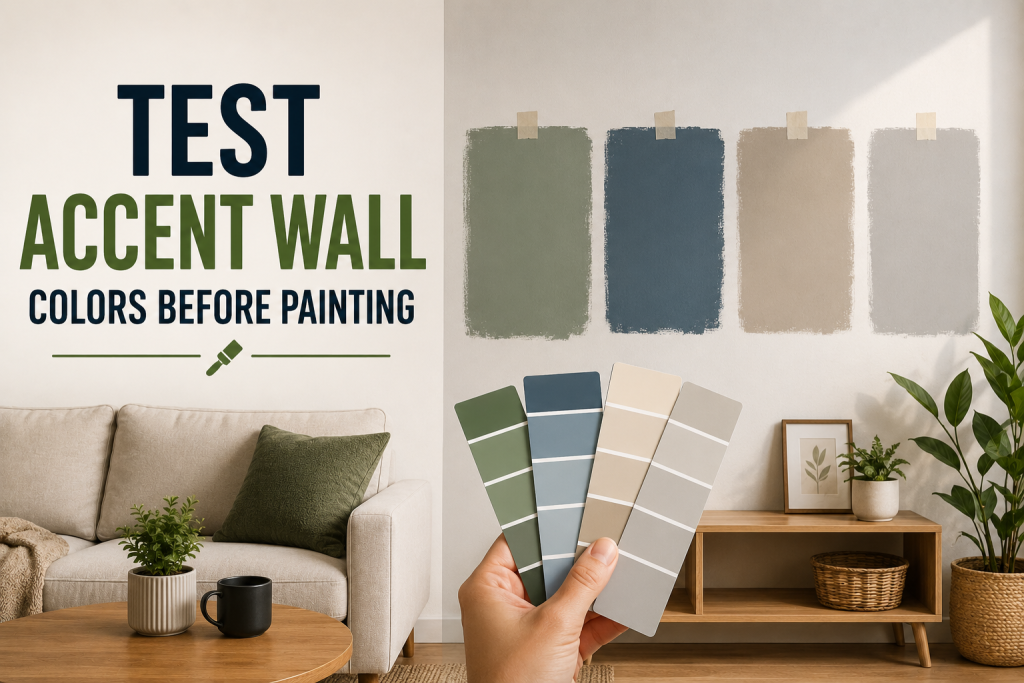
Many homeowners compare several Sherwin-Williams accent colors and Benjamin Moore feature walls before making a final decision. It is also helpful to evaluate colors alongside flooring, furniture, curtains, and décor because these elements affect how neutral tone accent colors and darker shades appear in the finished space. Testing before painting reduces mistakes, prevents unnecessary repainting costs, and helps homeowners confidently select the best accent wall color for their room.
Conclusion
The right accent wall colors for small spaces can completely change how compact rooms look and feel. Strategic color choices help create depth, improve visual balance, and make interiors appear larger without structural changes. From soft neutral-toned accent colors and calming small space paint colors to dramatic bold feature wall ideas, homeowners have many options for personalising smaller spaces. Paint brands such as Sherwin-Williams and Benjamin Moore continue to influence modern palettes through curated color collections. When paired with thoughtful layouts and décor, the right accent wall color can transform compact rooms into more open, inviting, and stylish living spaces.
FAQs
What are the best accent wall colors for small spaces?
The best accent wall colors for small spaces usually include warm greiges, muted greens, soft blues, taupes, and earthy neutrals because they create depth while keeping rooms open.
Do dark accent walls make small rooms look smaller?
Not always. Some bold feature wall ideas, such as deep navy and charcoal, can add depth when paired with lighter surrounding walls.
What are good small space paint colors?
Popular small room paint colors include warm whites, light grey, muted sage, greige, and pale blue because they reflect light and improve openness.
Are neutral colors better for small rooms?
Yes. Neutral-toned accent colors often make compact interiors feel larger and work well with many decorating styles.
Which paint brands are popular for accent walls?
Many homeowners choose Sherwin-Williams feature colors and Benjamin Moore feature walls because of their curated palettes and modern interior shades.