


Landscape Lighting Cost Breakdown: Complete Guide for Homeowners
Landscape lighting is one of the most effective ways to improve curb appeal, safety, and nighttime usability of outdoor spaces. However, understanding the total investment required is essential before starting any installation project. Costs can vary widely depending on the size of the property, number of fixtures, wiring complexity, and whether the system is installed by a professional or handled as a DIY project. For many homeowners, lighting is not just an aesthetic upgrade but also a functional improvement that enhances how outdoor spaces are used after dark. Exploring landscape lighting cost helps homeowners set realistic expectations and plan their budgets more effectively before committing to a design. A well-planned lighting system balances visual appeal, energy efficiency, and long-term value while staying within a practical budget range.
What Impacts Landscape Lighting Cost
Several key factors influence the total cost of a landscape lighting project, and understanding them helps homeowners plan a realistic budget. The size of the property, number of lighting zones, fixture quality, and wiring complexity all play a major role in overall pricing. Labor is another major cost factor, especially when trenching, electrical upgrades, or custom layouts are required. Regional pricing differences can also affect how much homeowners pay for installation services. When evaluating landscape lighting cost, it’s important to consider both materials and installation work together rather than focusing on a single expense category. Homeowners who understand these variables can make more informed decisions and avoid unexpected costs during the installation process.
Average Landscape Lighting Pricing Overview
The overall pricing for landscape lighting projects can vary significantly depending on design complexity and property size. Smaller installations with a few fixtures are generally more affordable, while larger properties with multiple lighting zones require a higher investment due to increased materials and labor. Basic systems typically include pathway and accent lighting, while more advanced setups may involve layered lighting designs across front yards, backyards, and architectural features. Many homeowners comparing landscape lighting pricing find that detailed estimates help clarify how fixture selection and layout decisions impact total project expenses.

Low Voltage vs Standard Lighting Costs
Landscape lighting systems are typically divided into low voltage and standard voltage options, and each comes with different installation requirements and cost implications. Low voltage systems are commonly used in residential projects because they are safer, more energy-efficient, and easier to install. They require a transformer and less complex wiring, which can help reduce installation difficulty in many cases. Standard voltage systems usually involve more advanced electrical work and may increase both labor and material costs depending on the setup. Homeowners considering low voltage landscape lighting cost often find it a practical option for balancing performance, safety, and affordability in residential outdoor spaces.
Cost per Area: Front Yard vs Backyard
Landscape lighting costs can vary depending on which area of the property is being illuminated. Front yards often focus on curb appeal, pathway safety, and architectural highlighting, while backyards typically require broader lighting coverage for entertainment and usability. Front yard installations may include entry lighting, walkway fixtures, and accent lighting for landscaping features. Backyard setups often involve layered lighting designs that support seating areas, patios, and outdoor activities, which can increase the overall scope of the project. Homeowners comparing front yard lighting cost and backyard lighting cost often find that backyard projects tend to be larger in scale due to expanded functional requirements.
Pathway Lighting and Landscape Lighting Cost
Pathway lighting is a key component of most residential landscape lighting designs because it improves safety, visibility, and overall property navigation at night. The cost of installing pathway lighting depends on the number of fixtures, spacing, wiring requirements, and installation method. Simple layouts with evenly spaced fixtures are generally more affordable, while complex pathways with curves, elevation changes, or extended distances may increase both material and labor costs. Many homeowners reviewing pathway lighting installation cost find that fixture quality and layout planning play a major role in determining the final budget. Because pathway systems are often installed as part of a broader outdoor design plan, the overall landscape lighting cost may also influence fixture selection, coverage areas, and installation complexity.
Labor and Professional Installation Costs
Labor is often one of the most significant portions of a landscape lighting project. Costs can vary based on regional labor rates, project complexity, and whether electrical work such as trenching or wiring upgrades is required. Hiring a professional ensures proper installation, compliance with electrical standards, and a more reliable long-term system. Complex layouts or larger properties typically require more installation time, which can increase overall labor expenses. Many homeowners comparing outdoor lighting labor cost find that professional installation adds upfront expense but improves system performance, safety, and long-term durability. Choosing professional landscape lighting often results in a more reliable and properly designed system overall.
How to Budget for Landscape Lighting Projects
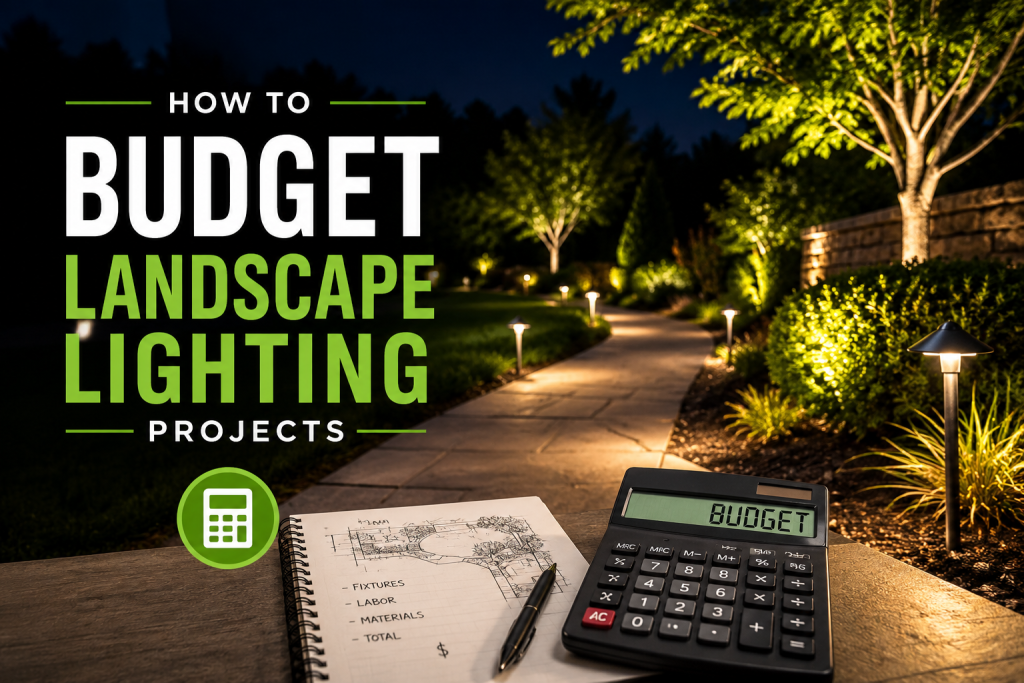
Budgeting for a landscape lighting project requires balancing design goals with practical cost considerations. Homeowners should start by identifying priority areas such as pathways, entry points, and key landscape features before expanding into additional lighting zones. Breaking the project into phases can also help manage expenses over time. This approach allows homeowners to complete essential lighting first and add decorative or expanded elements later as budget allows. Careful planning helps ensure the final lighting system meets both functional needs and aesthetic expectations without exceeding the intended budget.
Conclusion
Understanding landscape lighting costs is essential for homeowners planning to improve safety, curb appeal, and outdoor usability. Pricing can vary widely based on system type, property size, design complexity, and installation requirements. By breaking down materials, labor, and layout considerations, homeowners can better anticipate total project expenses and avoid unexpected costs during installation. A well-planned approach to landscape lighting cost helps ensure the final system delivers both functional performance and long-term value. Ultimately, the best lighting projects balance design goals with realistic budgeting, creating outdoor spaces that are both practical and visually appealing.
Frequently Asked Questions
What is the average landscape lighting cost?
The landscape lighting cost varies depending on property size, fixture selection, wiring complexity, and labor rates, but most residential projects fall within a wide range based on design requirements.
What affects landscape lighting pricing the most?
The biggest cost factors include the number of fixtures, installation complexity, trenching requirements, and whether professional electrical work is needed.
Is low voltage lighting cheaper?
Yes, low voltage systems are generally more affordable to install and operate due to simpler wiring and lower energy usage.
How much does outdoor lighting labor cost?
Labor costs depend on regional rates, project size, and installation difficulty, especially when electrical upgrades or complex layouts are involved.
Can I reduce landscape lighting installation costs?
Yes, homeowners can reduce costs by prioritizing key areas, simplifying layouts, and choosing efficient fixture types.