


Porcelain vs Ceramic Tile Cost (2026 US Homeowner Guide)
When homeowners begin planning a kitchen or bathroom renovation, one of the first budgeting questions they face is the porcelain vs ceramic tile cost difference. Both materials are widely used across US homes, but their pricing structures, installation requirements, and long-term value can vary significantly depending on the project scope and region. In general, tile flooring projects in the United States are priced based on a combination of material cost per square foot and installation labor. This means that even two similar-looking floors can end up with very different total budgets depending on whether porcelain or ceramic is used. Porcelain tile tends to sit at the higher end of the pricing spectrum due to its density, durability, and manufacturing process. Ceramic tile, on the other hand, is typically more affordable and easier to install, making it a common choice for budget-conscious remodels or lower-traffic areas.
However, cost alone does not tell the full story. In real-world kitchen tile costs and bathroom renovations, factors like durability, maintenance, and lifespan often influence the true long-term value of each material. That’s why understanding both upfront pricing and lifetime cost is essential before making a final decision. Across US markets, from high-cost labor regions like California and New York to more moderate pricing areas in the Midwest, the final installed cost can vary widely. This makes a structured tile flooring cost comparison critical for homeowners trying to stay within budget while still achieving a durable, attractive finish.
Porcelain Vs Ceramic Tile Cost Breakdown
Understanding porcelain vs ceramic tile cost starts with breaking down what you’re actually paying for during installation. For most US homeowners, the total price of a porcelain floor isn’t just the tile itself, it’s a combination of materials, labor, preparation work, and finishing details that can significantly affect the final bill. On average, porcelain tile installation cost in the United States typically includes three major components: material cost, labor, and site preparation. Porcelain tiles themselves are usually more expensive than ceramic because they are denser, more durable, and manufactured at higher temperatures. This added strength makes them ideal for long-term kitchen tile costs, but it also raises upfront pricing. Labor is often the largest portion of the total budget. Professional tile installers charge based on square footage, and porcelain generally costs more to install than ceramic due to its hardness. It requires specialized cutting tools and more precise handling, which increases tile labor costs. In high-cost states like California, New York, and Massachusetts, labor rates can be significantly higher than national averages.

Preparation work also plays a key role in total cost. Many homes require subfloor leveling, moisture barriers, or old flooring removal before installation begins. These hidden expenses can quickly add hundreds or even thousands of dollars to a project, especially in older homes where floors are uneven or damaged. Finishing elements such as grout, sealants, and trim pieces further contribute to the overall budget. While these may seem minor individually, they are essential for durability and long-term performance, especially in high-traffic kitchens and bathrooms. When all factors are combined, porcelain tile projects typically fall into a higher total investment range, but they often deliver stronger long-term value due to durability and lower replacement frequency.
Ceramic Tile Flooring Prices Explained
When comparing porcelain vs ceramic tile cost, ceramic tile consistently comes out as the more budget-friendly option, which is why it remains popular in many US remodeling projects. Homeowners often choose ceramic when they want a refreshed kitchen or bathroom look without committing to the higher upfront investment associated with porcelain. In terms of ceramic tile flooring prices, material costs are generally lower because ceramic is made from less dense clay and fired at lower temperatures. This manufacturing difference reduces production costs, which translates into more affordable pricing per square foot at retail. As a result, ceramic is often positioned as a go-to option for entry-level affordable tile flooring projects. Installation costs for ceramic tile are also typically lower compared to porcelain. Because ceramic is softer and easier to cut, installers can complete projects more quickly and with less specialized equipment. This can help reduce overall tile labor costs, especially in standard kitchen or bathroom layouts that don’t require complex cuts or custom patterns.
However, ceramic’s lower price point does come with tradeoffs. It is generally less resistant to heavy impact and may chip more easily in high-traffic areas. For this reason, it is often better suited for light to moderate-use spaces, rental properties, or budget-focused renovations where upfront savings are prioritized over long-term durability. In many kitchen tile costs comparisons, ceramic becomes the economical choice for homeowners who want functional flooring without pushing their renovation budget too high. It also offers a wide range of styles, colors, and finishes, making it visually versatile despite its lower price point. Overall, ceramic tile provides a cost-effective entry point into tile flooring, but it is best evaluated against long-term usage needs rather than price alone.
Kitchen Tile Costs vs Bathroom Tile Pricing
When analyzing porcelain vs ceramic tile cost, it’s important to understand that pricing can shift depending on where the tile is being installed. Kitchen tile costs and bathroom tile pricing are not identical because each space has different installation conditions, material demands, and labor complexity. In kitchens, tile installations are usually larger in scale and involve more continuous flooring space. This increases total material usage and often requires higher-grade durability since kitchens experience heavy foot traffic, dropped objects, and frequent cleaning. As a result, homeowners often lean toward porcelain in kitchens, even if it increases upfront tile flooring cost comparison figures, because long-term performance matters more in high-use areas. Bathrooms, on the other hand, are typically smaller but more technically demanding. Moisture control is critical, especially around showers and tubs. This often requires additional waterproofing layers, specialized underlayment, and more precise installation work. While the square footage is smaller, bathroom tile pricing can still be high due to labor intensity and waterproofing requirements.
Another key difference is design complexity. Bathrooms often include detailed tile work such as mosaic accents, shower niches, and vertical wall installations. These features can increase tile labor costs significantly even if material costs remain moderate. Kitchens, in contrast, are usually more straightforward in layout but require more durable flooring materials to handle long-term wear. From a cost perspective, kitchens tend to have higher overall material expenses due to size, while bathrooms often carry higher labor intensity per square foot. This distinction is important when evaluating the true porcelain vs ceramic tile cost difference across different areas of the home. Ultimately, both spaces require different budgeting strategies, and understanding these differences helps homeowners plan more accurate and realistic renovation costs.
Tile Flooring Cost Comparison Porcelain vs Ceramic Tile Cost (Full Breakdown)
A clear tile flooring cost comparison is essential for homeowners trying to understand the real difference between porcelain and ceramic beyond just sticker price. While both options fall under the same flooring category, their total installed costs and long-term value can vary significantly depending on material quality, labor complexity, and regional US pricing. On average, ceramic tile remains the lower-cost option in most US markets. It typically has a lower material price per square foot and requires less intensive installation work, which helps reduce upfront tile labor costs. This makes ceramic attractive for budget-focused renovations, rental properties, or secondary spaces where extreme durability is not the primary concern. Porcelain tile, by contrast, carries a higher initial cost due to its denser composition and more complex manufacturing process. It is harder to cut and install, which increases labor time and overall installation expenses. However, this higher porcelain vs ceramic tile cost is often offset by improved durability, reduced maintenance, and longer lifespan, especially in high-traffic kitchens and entry areas.
When comparing total installed cost, most US homeowners will find that ceramic installations fall into the more affordable range, while porcelain installations sit in the mid-to-premium category. The gap becomes more noticeable in larger spaces where material quantity and labor multiply quickly, such as open-concept kitchens or full-home flooring upgrades. Over a 10–20-year period, the cost gap can narrow when factoring in repairs and replacements. Ceramic flooring may require earlier replacement in busy households, while porcelain often maintains its structure and appearance longer, reducing long-term maintenance expenses. For homeowners evaluating kitchen tile costs, the decision is not just about initial investment but also about lifecycle value. A slightly higher upfront cost for porcelain may translate into fewer repairs, better resale appeal, and lower long-term ownership costs.
Tile Labor Costs in the US Explained
When breaking down porcelain vs ceramic tile cost, labor is often the most underestimated part of the budget. While homeowners tend to focus on material prices, tile labor costs in the United States can account for nearly half, or sometimes more, of the total installation expense depending on project complexity and location. In general, tile installation labor is priced per square foot, but the rate varies significantly across US regions. High-cost labor markets such as California, New York, and parts of the Northeast often have substantially higher installation rates compared to Midwestern or Southern states. This regional variation can heavily influence overall tile flooring cost comparison, even when using the exact same materials. Porcelain tile typically costs more to install than ceramic because it is harder, denser, and requires specialized cutting tools. Installers must use diamond-blade wet saws and take extra care to avoid chipping, which increases both labor time and skill requirements. This is a key reason why porcelain tile installation cost is consistently higher in professional quotes.
Ceramic tile, by comparison, is easier to cut and handle, which reduces installation time and complexity. In straightforward layouts like simple kitchen floors or small bathroom areas, this can help lower total labor charges. However, complex designs, such as diagonal layouts, custom patterns, or intricate bathroom walls, can still raise costs regardless of material type.
Additional labor-related expenses often include:
- Subfloor leveling or repair
- Old flooring demolition and disposal
- Moisture barrier installation
- Grout application and sealing
These “hidden” costs can significantly impact overall kitchen tile costs, especially in older homes where floor conditions are uneven or require prep work before installation begins. Ultimately, labor is a critical factor in the true porcelain vs ceramic tile cost difference. Even if material prices are predictable, installation complexity and regional contractor rates can dramatically shift the final budget.
Affordable Tile Flooring Options for Budget Remodels
For homeowners trying to control renovation spending, understanding affordable tile flooring options is a key part of navigating porcelain vs ceramic tile cost decisions. While both materials can be used in cost-conscious projects, ceramic tile generally provides the most accessible entry point for tight budgets without completely sacrificing style or functionality. Ceramic tile remains the primary choice for budget remodels because of its lower material price and simpler installation requirements. In many US markets, it offers the lowest upfront cost among mainstream tile options, making it ideal for rental properties, starter homes, or cosmetic kitchen upgrades where maximizing savings is the main priority. This is especially relevant in basic kitchen tile costs planning where homeowners want a clean, updated look without a full-scale renovation investment. Porcelain tile, while more expensive, still has budget-friendly tiers. Many manufacturers such as MSI Surfaces and Daltile offer entry-level porcelain collections that mimic the appearance of higher-end stone or wood at a more controlled price point. These options allow homeowners to achieve better durability without fully moving into premium pricing, helping balance long-term value against upfront porcelain tile installation cost.
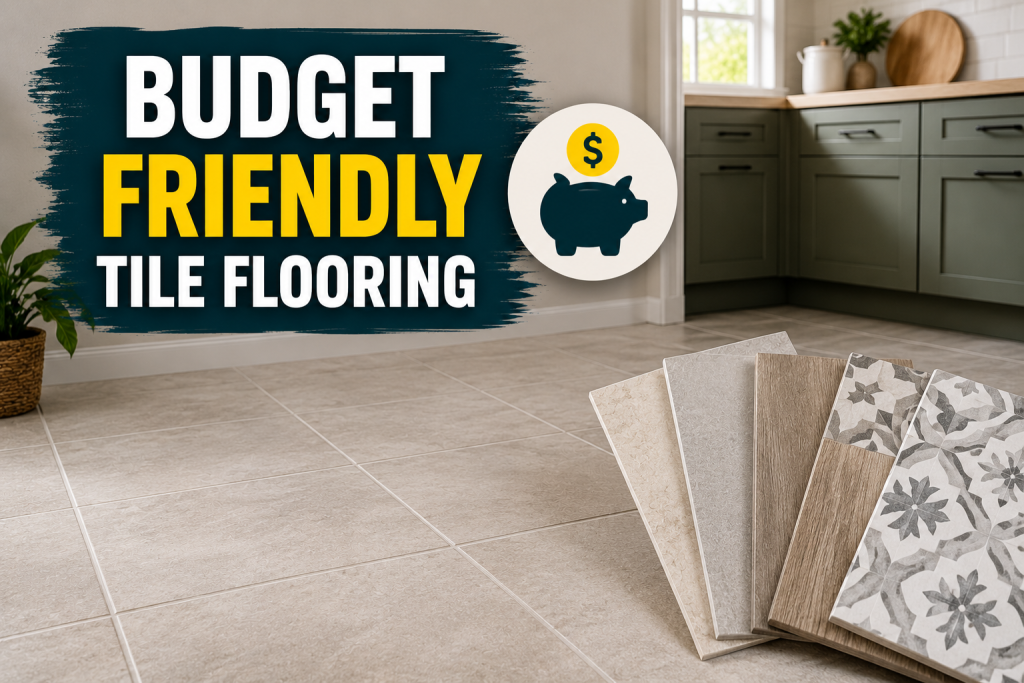
Another cost-saving strategy involves selecting standard-sized tiles and simple layouts. Complex patterns, mosaics, or diagonal installations increase tile labor costs, while straightforward grid layouts are more efficient for installers and reduce overall labor time. Choosing mid-range materials with simple installation patterns can significantly improve affordability without compromising overall design quality. In many cases, homeowners compare ceramic and porcelain not just on price, but on lifecycle value. While ceramic may win on initial cost, porcelain often reduces future repair or replacement needs. This tradeoff is central to any realistic tile flooring cost comparison, especially in homes where long-term ownership is expected. Ultimately, budget-friendly tile flooring is about balancing short-term affordability with long-term durability expectations, ensuring the final result fits both financial limits and functional needs.
Which Is Better Value: Porcelain or Ceramic?
When comparing porcelain vs ceramic tile cost, the cheapest option upfront is not always the best long-term value. The real question most US homeowners should be asking is which material delivers better performance per dollar over the lifespan of the home. Ceramic tile clearly wins on initial affordability. Lower material costs and easier installation make it attractive for budget-focused projects and light-use spaces. For homeowners prioritizing short-term savings in kitchen tile costs, ceramic can be a practical solution, especially in homes that won’t see heavy daily wear or where a remodel is primarily cosmetic. However, porcelain tile typically delivers stronger long-term value. Its higher density and lower porosity make it significantly more resistant to moisture, stains, and impact damage. In real-world US households, particularly in high-traffic kitchens or humid climates, this translates into fewer repairs, longer lifespan, and better performance over time. While the porcelain tile installation cost is higher upfront, it often reduces replacement cycles and long-term maintenance expenses.
From a resale perspective, porcelain also tends to perform better in competitive housing markets. Buyers often perceive it as a higher-quality finish, especially when paired with modern designs or neutral tones. This can improve overall home appeal, particularly in mid-to-high value neighborhoods where flooring quality influences buyer decisions. When viewed through a full tile flooring cost comparison, porcelain generally offers a better return on investment for homeowners planning to stay in their property long-term or looking to maximize resale value. Ceramic still holds value in budget-sensitive scenarios, but its lifecycle cost can become higher if replacement is needed sooner. Ultimately, the better choice depends on priorities: ceramic favors upfront savings, while porcelain favors durability, longevity, and long-term financial efficiency.
Conclusion
Understanding porcelain vs ceramic tile cost is essential for making a smart renovation decision in any US kitchen or bathroom project. While ceramic tile offers a lower upfront price and easier installation, it is best suited for budget-conscious remodels or low-traffic areas where long-term wear is less of a concern. Porcelain tile, although more expensive in both materials and tile labor costs, consistently delivers stronger durability, moisture resistance, and longer lifespan. In high-traffic kitchens, humid climates, or homes focused on resale value, porcelain often proves to be the more cost-effective choice over time. Ultimately, the right decision depends on your budget, usage needs, and long-term plans for the home. A well-planned tile flooring cost comparison should always consider both upfront installation expenses and long-term performance, not just the initial price per square foot.
FAQs
Is porcelain more expensive than ceramic tile?
Yes. In most US markets, porcelain tile is more expensive than ceramic both in material price and installation. This is due to its higher density, durability, and more complex manufacturing process. While the upfront porcelain tile installation cost is higher, it often delivers better long-term performance in high-traffic areas.
Why is tile installation so expensive?
Tile installation involves multiple labor-intensive steps beyond just laying flooring. Tile labor costs include surface preparation, subfloor leveling, cutting and fitting tiles, applying grout, and sealing. Costs increase further if old flooring must be removed or if the layout is complex. Labor rates also vary widely across US regions, which directly impacts total kitchen tile costs.
What is the cheapest tile flooring option?
Ceramic tile is generally the most affordable tile flooring option in the US. It has lower material costs and is easier and faster to install than porcelain. It is commonly used in budget remodels, rental properties, and low-traffic spaces where cost control is a priority.
How much does it cost to tile a kitchen?
The total cost depends on kitchen size, tile type, and labor rates. Kitchens typically have higher material usage, so both porcelain and ceramic projects can range widely in cost. Porcelain kitchens usually cost more overall, but provide greater durability and longer lifespan, which can improve long-term value.
Does porcelain tile increase home value?
In many US real estate markets, yes. Porcelain is often seen as a higher-end material due to its durability and modern appearance. Homes featuring well-installed porcelain tile floors may have improved buyer appeal, especially in competitive markets where quality finishes influence resale decisions.