


Outdated Remodeling Trends That Age Poorly
Home remodeling trends come and go, but the cost of following the wrong trend can last for years. What feels fresh and exciting today may look outdated just a few years down the road, leaving homeowners with expensive updates that no longer appeal to buyers or fit current design preferences. Many homeowners in markets like Dallas, Phoenix, and Denver invest thousands of dollars in renovations hoping to improve comfort, boost curb appeal, and increase resale value. However, some outdated remodeling trends gain popularity quickly because of social media, television shows, or short-lived design movements rather than long-term functionality.
The challenge is knowing which upgrades will continue to look attractive over the next decade and which ones are likely to become design liabilities. While personal style always matters, homeowners should also consider maintenance requirements, buyer expectations, and overall return on investment before committing to major renovations. In this guide, we’ll explore several outdated remodeling trends that often age poorly, explain why they lose appeal, and highlight smarter alternatives that offer lasting value for American homeowners.
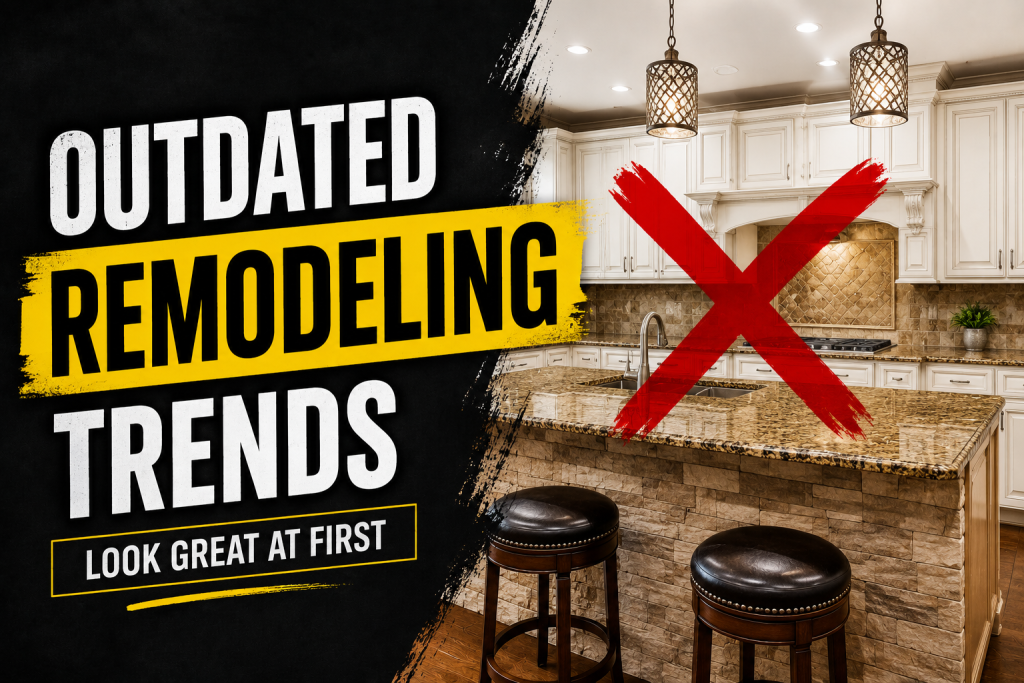
Outdated Remodeling Trends That Look Great at First
Some design features become wildly popular almost overnight. Homeowners see them in renovation shows, Pinterest boards, and social media feeds, making them seem like must-have upgrades. The problem is that many of these ideas prioritize visual impact over long-term appeal. As a result, they often become some of the most recognizable outdated remodeling trends within just a few years.
All-Gray Interiors and Monochromatic Spaces
For years, gray walls, gray flooring, gray cabinets, and gray furniture dominated residential design. While the look initially felt clean and modern, many homes now appear cold and lacking personality. In regions with long winters, such as Colorado and parts of the Midwest, all-gray interiors can make living spaces feel even less inviting.
Barn Doors in Every Room
Barn doors gained popularity because they added rustic charm and saved space. However, many homeowners later discovered that they provide limited privacy and sound insulation. What once seemed stylish has become one of the most frequently cited remodeling mistakes in modern home design, especially when used throughout an entire house.
Overly Industrial Design Elements
Exposed pipes, oversized metal fixtures, and warehouse-inspired finishes can create a dramatic first impression. Yet these features often feel out of place in traditional suburban homes. When overused, industrial aesthetics can quickly transition from trendy to dated, reducing the timeless appeal many homeowners want from a renovation.
Outdated Remodeling Trends Homeowners Often Regret
Kitchens are among the most expensive spaces to renovate, which makes trend-driven decisions especially risky. A feature that feels cutting-edge today can look noticeably dated before homeowners have fully recovered their investment. Many of the most common outdated remodeling trends in kitchens share one characteristic: they prioritize appearance over everyday functionality.
Ultra-Modern Glossy Kitchens
High-gloss cabinets, reflective surfaces, and sleek handle-free designs were once considered the future of kitchen remodeling. While these finishes create a striking showroom appearance, they often highlight fingerprints, scratches, and daily wear. As homeowner preferences shift toward warmer and more welcoming spaces, these designs increasingly fall into the category of dated kitchen trends.
Open Shelving Replacing Upper Cabinets
Open shelving became popular because it made kitchens appear larger and more personalized. In reality, maintaining neatly organized shelves requires constant effort. Dust, grease, and clutter can quickly diminish the visual appeal, making traditional cabinet storage a more practical long-term solution.
Statement Backsplashes That Dominate the Room
Bold patterns, oversized geometric designs, and highly specific color combinations can make a strong first impression. However, these dramatic choices often become difficult to coordinate with future updates. Homeowners who choose highly personalized backsplash designs may eventually view them as overdone remodeling ideas that limit the flexibility of the entire kitchen.
Bathroom Remodeling Choices That Quickly Feel Dated
Bathrooms may be smaller than kitchens, but design choices in these spaces can have a major impact on comfort, maintenance, and resale value. Because bathroom renovations often involve significant labor and material costs, homeowners should be cautious about embracing highly specific styles that may not stand the test of time. Several popular upgrades have already joined the growing list of outdated remodeling trends found in homes across the United States.
Vessel Sinks and Oversized Tubs
Vessel sinks were once viewed as a luxury feature, appearing in countless renovation shows and design magazines. However, many homeowners later discovered that these sinks are more difficult to clean and less practical for everyday use. Similarly, oversized soaking tubs can consume valuable floor space while seeing limited use in busy households.
Trend-Driven Tile Patterns
Bold geometric tiles, highly decorative mosaics, and extreme color contrasts can make a bathroom feel unique. Unfortunately, these choices often lose their appeal as design preferences evolve. Many experts now consider them examples of outdated bathroom styles that can make an otherwise functional bathroom feel stuck in a particular era.
Excessive Black Fixtures
Matte black faucets, shower frames, and hardware remain popular in some markets, but using them throughout an entire bathroom can create a look that feels overly trend-focused. Water spots, soap residue, and visible wear can also increase maintenance demands, making more neutral finishes a safer long-term investment.
Why Outdated Remodeling Trends Hurt Long-Term Value
Not every renovation decision affects a home’s value in the same way. While some upgrades improve functionality and buyer appeal for years, others lose relevance surprisingly fast. Many homeowners discover too late that certain outdated remodeling trends create additional costs, reduce flexibility, and make future updates more difficult. Understanding these risks can help homeowners make smarter renovation choices from the start.
Higher Renovation Costs Later
Trend-focused designs often require another renovation sooner than expected. Features that seem innovative today may need replacement within a few years as preferences shift. This cycle can increase long-term ownership costs and reduce the overall return on a remodeling investment.
Reduced Buyer Appeal
Homebuyers generally prefer homes that feel updated without being tied to a specific design era. Highly personalized renovations can limit a property’s audience and create what many homeowners describe as trendy home design regrets when it’s time to sell. Buyers may see these features as projects they will need to remove or replace.
Maintenance and Practicality Challenges
Many home renovation fads prioritize visual impact over everyday usability. Materials that require constant cleaning, complicated storage solutions, or difficult-to-match finishes can become frustrating over time. Homeowners often find that practical design choices deliver better satisfaction and stronger resale performance than short-lived trends.
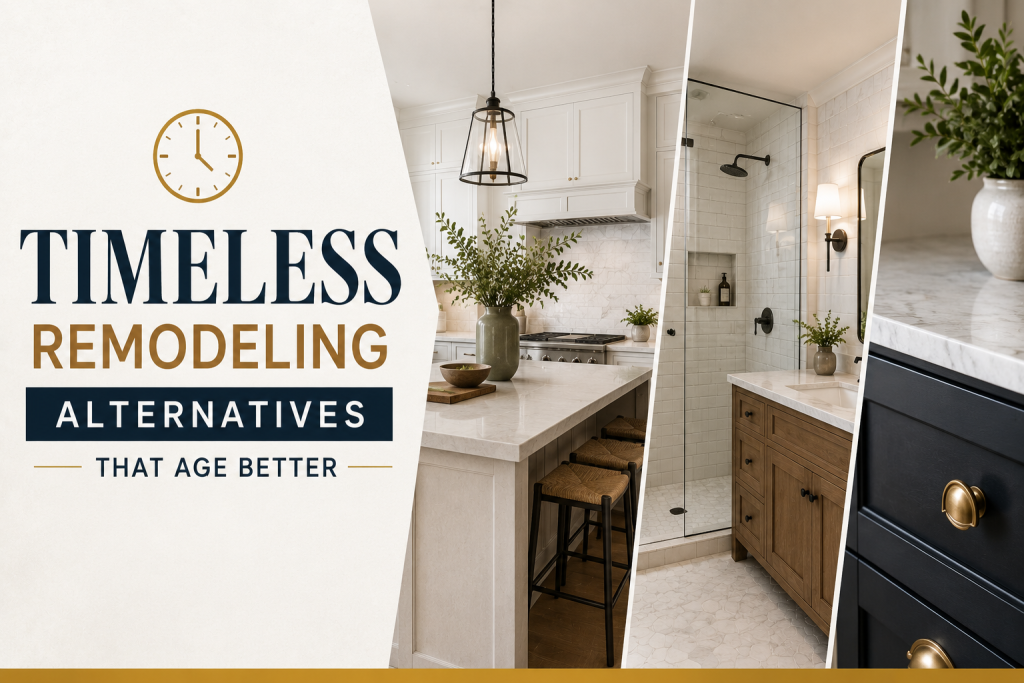
Timeless Remodeling Alternatives That Age Better
The best remodeling projects balance current style with long-term practicality. Instead of chasing every new trend, homeowners can focus on upgrades that remain attractive across changing design cycles. Choosing durable materials, flexible layouts, and classic finishes can help prevent future renovations while protecting resale value. These approaches offer some of the most effective timeless remodeling alternatives to trend-driven upgrades.
Neutral Color Palettes
Warm whites, soft grays, greige tones, and natural earth colors continue to perform well because they complement a wide range of furniture and décor styles. Unlike highly specific color trends, neutral palettes provide flexibility as homeowner preferences evolve over time.
Functional Storage Solutions
Well-designed storage rarely goes out of style. Features such as built-in cabinetry, walk-in pantries, mudrooms, and organized closet systems improve daily convenience while adding lasting value. Buyers consistently appreciate storage upgrades because they solve practical household needs rather than serving as decorative statements.
Quality Materials Over Trends
High-quality materials often outlast fashionable design choices. Natural stone, hardwood flooring, durable quartz countertops, and well-crafted cabinetry tend to maintain their appeal for many years. Homeowners in markets such as Dallas, Denver, and Phoenix frequently see stronger long-term returns when they invest in durability and functionality instead of short-term design trends. By prioritizing quality over novelty, homeowners can avoid many of the outdated remodeling trends that require costly updates later.
Final Thoughts
Home remodeling should improve the way a home looks, functions, and performs over the long term. While trendy upgrades can be tempting, many homeowners eventually discover that design fads rarely deliver lasting value. From all-gray interiors and oversized tubs to dramatic backsplashes and excessive industrial features, many outdated remodeling trends lose their appeal far sooner than expected. The most successful renovations focus on functionality, durability, and broad homeowner appeal. Features that support everyday living, require less maintenance, and adapt to changing styles typically provide stronger returns on investment.
Whether you’re planning a kitchen remodel, bathroom upgrade, or whole-home renovation, avoiding outdated remodeling trends can help preserve resale value and reduce the need for costly updates in the future.; Before committing to any major renovation, consider how the design will look and perform five or ten years from now. Choosing timeless materials, practical layouts, and homeowner-friendly features is often the smartest path toward a home that remains attractive, comfortable, and valuable for years to come.
Frequently Asked Questions
What remodeling trends are going out of style?
Several popular design choices are losing favor among homeowners and buyers, including all-gray interiors, excessive open shelving, vessel sinks, barn doors used throughout the home, and highly personalized backsplash designs. Many of these features prioritize short-term visual appeal over long-term functionality and flexibility.
How can homeowners avoid costly remodeling mistakes?
The best approach is to focus on durability, practicality, and broad buyer appeal rather than following every design trend. Researching long-term maintenance requirements, considering resale value, and selecting quality materials can help homeowners make smarter renovation decisions.
Are open shelves still popular in kitchens?
Open shelving remains popular in some modern kitchens, but many homeowners are moving toward a balanced approach that combines display shelving with traditional cabinet storage. This provides visual interest while maintaining functionality and organization.
Which outdated remodeling trends should homeowners avoid to maximize long-term value?
Avoiding outdated remodeling trends is one of the best ways to protect your investment. Kitchen updates, bathroom improvements, energy-efficient upgrades, quality flooring, and functional storage solutions often deliver strong returns. Renovations that improve everyday living while appealing to a wide range of buyers tend to perform best over time.
How do I choose a design that won’t look dated in a few years?
Focus on classic materials, neutral color palettes, and practical layouts. Avoid highly specific design elements that may be tied to a particular trend cycle. A timeless foundation allows homeowners to update décor and accessories without needing a major renovation.