


Roof Style Home Value: How Roof Design Impacts Resale Potential
When homeowners think about increasing property value, they often focus on kitchen remodels, landscaping, or interior upgrades. However, the relationship between roof style home value is often underestimated. A roof covers nearly 40% of a home’s visible exterior, making it one of the first features potential buyers notice when viewing a property. In today’s competitive U.S. housing market, roof design can influence buyer perception, appraisal outcomes, and overall marketability. Whether a home features a classic gable roof, a modern flat roof, or a durable hip roof, the design contributes to the property’s character and functionality.
Beyond protection from weather, the right roof style helps create a cohesive architectural appearance that appeals to buyers. This relationship becomes even stronger when a roof complements the home’s design, neighborhood standards, and regional climate conditions. Homeowners considering exterior upgrades should understand how roofing decisions affect long-term resale potential and buyer confidence.
Does Roof Style Home Value Really Matter?
The short answer is yes. The relationship between roof style home value goes beyond appearance alone. Real estate professionals and appraisers often evaluate how well a roof complements the home’s architecture, condition, and overall exterior presentation. A well-designed roof can make a property appear newer, better maintained, and more desirable to prospective buyers.
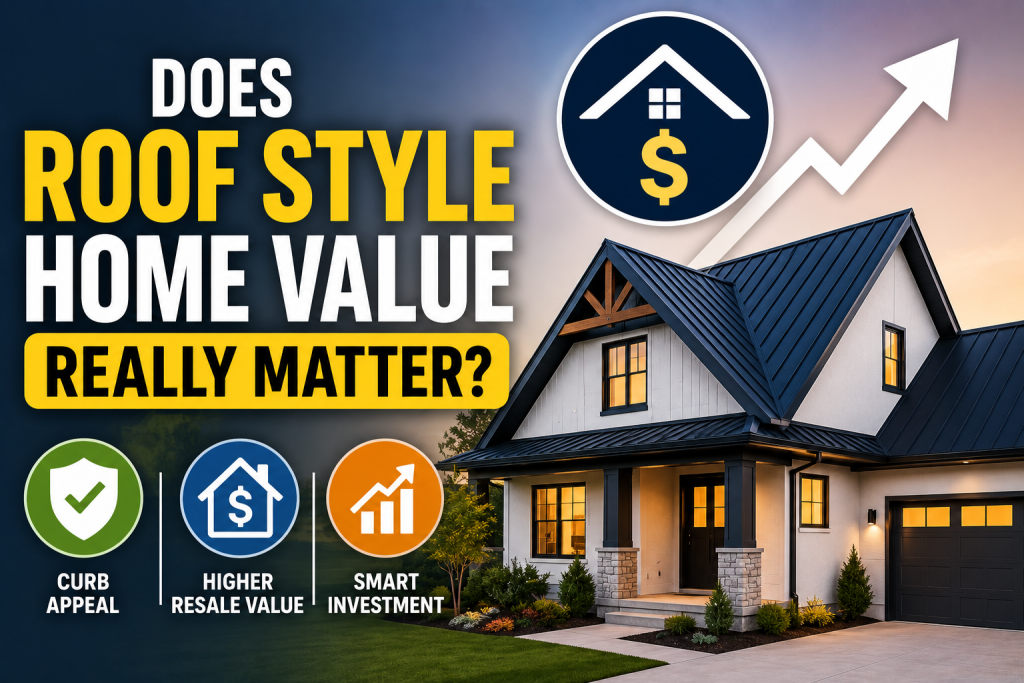
One of the biggest reasons roof style home value matters is first impressions. Buyers frequently form opinions within seconds of seeing a home from the street. An attractive roof design can enhance curb appeal roofing performance by creating a polished and cohesive look that stands out in the neighborhood. Roof style also affects practical considerations such as weather resistance, drainage, ventilation, and energy efficiency. Homes with roofing systems that match regional climate demands often attract stronger buyer interest because they signal lower future maintenance concerns and improved long-term performance.
Why Buyers Notice Roof Design First
A home’s roof occupies a large portion of its exterior, making it one of the most visible architectural features from the street. Because of this prominence, buyers often evaluate the roof before they notice siding, windows, or landscaping. The impact of roof style home value begins with visual perception and continues throughout the buying process. Modern homebuyers are increasingly drawn to properties that look updated and well maintained. Roofs that align with current roofing design trends can help a home feel more attractive and relevant in the market.
Whether it’s a clean-lined contemporary design or a traditional roof that complements a Colonial-style home, consistency in architectural design matters. Buyers also associate a quality roof with reduced future expenses. A roof that appears durable and professionally installed can create confidence, making prospective purchasers more comfortable moving forward with an offer.
The Connection Between Roofing and Property Appraisals
Property appraisers consider many factors when determining market value, and the roof is one of the most important exterior components. While appraisers focus heavily on condition and remaining lifespan, the relationship between roof style home value can also influence how a property is perceived within its local market. A roof that complements the home’s architecture often contributes to a more balanced and attractive exterior. This is especially true when homeowners invest in architectural roofing materials that enhance both appearance and durability.
Premium roofing options can help support a property’s overall presentation during an appraisal. This effect becomes more noticeable in neighborhoods where architectural consistency is important. Homes with outdated or mismatched roof designs may appear less appealing compared to neighboring properties. A well-selected roof style can strengthen buyer confidence and reinforce the home’s position within its market segment.
How Roof Style Home Value Is Influenced by Curb Appeal
Curb appeal plays a major role in real estate transactions, and roof design is one of the strongest contributors to a home’s exterior appearance. The connection between roof style home value becomes more apparent when buyers compare similar properties within the same neighborhood. Homes with attractive, well-proportioned rooflines often create a stronger first impression and generate greater interest.
The impact of roof design is especially noticeable in competitive housing markets where buyers have multiple options. A roof that complements the home’s architectural style can make the property appear more refined and better maintained. In many cases, homeowners view roof upgrades as part of broader home resale value upgrades because they improve both appearance and functionality. When roof design, materials, and overall condition work together, the result is a more marketable property that appeals to a wider range of buyers.
First Impressions and Buyer Psychology
Homebuyers often make emotional judgments before they begin evaluating square footage, floor plans, or interior finishes. Because the roof is one of the most visible exterior features, it plays a direct role in shaping those initial impressions. The connection between roof style home value is partly driven by buyer psychology and perceived property quality. When a home features clean rooflines and a design that matches its architecture, buyers are more likely to view the property as well maintained.
This perception can increase interest and encourage stronger offers. In contrast, an outdated or visually unbalanced roof may raise concerns about future repair costs and overall upkeep. Today’s buyers are also paying attention to modern roof styles, particularly in newer developments and contemporary neighborhoods. A roof that reflects current design preferences can help a home feel more desirable while reinforcing confidence in the property’s long-term value.
Neighborhood Standards and HOA Expectations
Neighborhood appearance can significantly influence property values, particularly in communities governed by homeowners associations. In these areas, roofing choices are often subject to design guidelines intended to preserve architectural consistency and maintain community standards. As a result, the relationship between roof style home value extends beyond the individual property. Homes with roof designs that blend naturally with surrounding properties typically create a more cohesive streetscape. This consistency can positively affect buyer perception and help support neighborhood-wide property values.
Many HOAs regulate roofing materials, colors, and profiles to prevent mismatched designs that may detract from the community’s appearance. For homeowners planning exterior home improvements, reviewing HOA requirements before selecting a roof style is essential. Choosing a design that aligns with both community expectations and the home’s architecture can improve marketability while helping avoid costly modifications later.
Best Roof Styles That Increase Home Value
Not every roof design delivers the same impact on resale potential. While aesthetics matter, buyers also consider durability, weather performance, maintenance requirements, and how well the roof complements the home’s architecture. These factors all contribute to a property’s overall marketability and appeal in today’s housing market. The most valuable roof styles are typically those that balance visual appeal with practical benefits. Traditional designs such as gable and hip roofs remain popular because they perform well in many U.S. climate regions while maintaining broad buyer appeal.
Contemporary properties may benefit from more modern designs when they fit the home’s architectural character. Homeowners evaluating roof upgrades should focus on designs that enhance functionality and appearance rather than following short-term trends. A thoughtfully selected roof can strengthen roof style home value by improving buyer confidence, increasing perceived quality, and supporting long-term marketability.
Gable Roofs and Traditional American Homes
Gable roofs remain one of the most recognizable and widely used roofing styles in the United States. Their simple triangular shape complements a variety of architectural designs, including Colonial, Craftsman, Cape Cod, and traditional suburban homes. Because of their timeless appearance, gable roofs continue to support roof style home value across many housing markets. One of the main advantages of a gable roof is its ability to shed rain, snow, and debris efficiently. This practical benefit helps reduce maintenance concerns while improving long-term durability.
Buyers often appreciate roof styles that combine attractive design with reliable performance. This effect becomes more noticeable in neighborhoods where architectural consistency is important. Homes with outdated or mismatched roof designs may appear less appealing compared to neighboring properties. A well-selected roof style can strengthen buyer confidence and reinforce the home’s position within its market segment.
Hip Roofs for Storm-Prone Regions
Hip roofs are a popular choice in areas exposed to high winds, hurricanes, and severe weather. Unlike gable roofs, all sides of a hip roof slope downward toward the walls, creating a more aerodynamic structure. This design can provide additional stability during extreme weather events, making it particularly common in states such as Florida, Texas, and parts of the Gulf Coast. The relationship between roof style home value is often strengthened when a roof style matches local climate demands.
Buyers in storm-prone regions tend to place a premium on roofing systems that offer proven durability and weather resistance. A hip roof can signal long-term protection and potentially lower maintenance concerns. Because of these benefits, homes with well-constructed hip roofs frequently attract buyers seeking resilience and reliability. In many regional markets, this practical advantage can contribute positively to a property’s resale potential and overall buyer confidence.
Modern Roof Designs for Contemporary Properties
Contemporary homes often feature roof designs that prioritize clean lines, minimalism, and architectural distinction. Flat roofs, low-slope profiles, and asymmetrical rooflines have become increasingly common in modern residential construction. When used appropriately, these designs can strengthen roof style home value by enhancing the home’s visual identity and creating a more upscale appearance. Modern roof designs tend to perform best when they complement the overall architecture of the property.
A contemporary roof on a modern home can create a cohesive aesthetic that appeals to buyers looking for unique design features. However, style should always be balanced with functionality, especially in regions with heavy rainfall or snow. The effect is strongest when design choices align with both buyer expectations and local climate conditions. A well-executed contemporary roof can help a property stand out while supporting long-term market appeal.
Roof Materials and Architectural Roofing Choices
While roof design plays an important role in buyer perception, the materials used are equally influential. The relationship between roof style home value is often shaped by how well roofing materials complement the chosen design and perform over time. Buyers typically evaluate both appearance and durability when assessing a home’s exterior. Popular roofing materials in the United States include asphalt shingles, metal roofing, slate, clay tiles, and composite products. Each option offers different benefits in terms of longevity, maintenance requirements, and weather resistance.
Selecting materials that fit the home’s architectural style can improve visual consistency and strengthen overall market appeal. The benefits become even more apparent when high-quality materials are paired with a suitable roof design. Homeowners who invest in durable, attractive roofing systems often position their properties more favorably in competitive real estate markets.
Architectural Shingles vs Standard Shingles
When comparing roofing materials, architectural shingles are often viewed as a premium alternative to traditional three-tab shingles. They are thicker, more dimensional, and designed to create a richer appearance that closely resembles wood shake or other high-end roofing materials. These visual improvements can positively influence roof style home value by enhancing the home’s exterior presentation.
Architectural shingles also tend to offer greater durability and longer manufacturer warranties. Their improved wind resistance and extended lifespan make them attractive to buyers who want a balance between appearance and performance. In many markets, these features can help differentiate a property from comparable homes with standard roofing systems. The impact is often strongest when architectural shingles complement the home’s design. By combining durability with enhanced aesthetics, they can contribute to a more desirable and marketable property.
Metal Roofing and Long-Term Value
Metal roofing has gained popularity among homeowners seeking durability, energy efficiency, and long service life. Depending on the product and installation quality, a metal roof can last 40 to 70 years, making it one of the longest-lasting residential roofing options available. These advantages can have a meaningful effect on roof style home value in many markets.
Buyers often view metal roofing as a premium upgrade because it requires less maintenance and provides excellent resistance to fire, wind, and harsh weather conditions. In warmer regions, reflective metal roofing systems may also help reduce cooling costs, which can further increase buyer interest. The benefits of metal roofing are amplified when it complements the home’s architectural design. Whether installed on a farmhouse, contemporary residence, or upscale suburban property, a quality metal roof can enhance appearance while delivering long-term performance benefits that appeal to future buyers.
Roofing ROI: Which Roof Upgrades Deliver the Best Return?
Homeowners often want to know whether a roofing investment will pay off when it comes time to sell. While returns vary by region, material choice, and market conditions, the relationship between roof style home value remains an important factor. Buyers generally place higher value on homes with attractive, durable, and well-maintained roofing systems. A key consideration is roofing ROI, which measures how much of an upgrade’s cost may be recovered through increased property value and buyer demand.
Roof replacements that improve appearance, weather protection, and energy efficiency tend to generate the strongest returns. Premium materials and designs can be particularly effective when they align with local market expectations. The impact is often greatest when homeowners focus on upgrades that combine visual appeal with practical benefits. A balanced approach typically produces the best results for both resale potential and long-term homeowner satisfaction.
Factors That Affect Roofing ROI
Several factors determine how much value a roofing upgrade adds to a property. Local real estate conditions, climate requirements, material quality, installation standards, and the age of the existing roof all influence the final return. Understanding these variables helps homeowners make more informed decisions before investing in a replacement project. The connection between roof style home value is often influenced by buyer expectations within a specific market. In upscale neighborhoods, premium roofing materials and distinctive roof designs may generate stronger returns than they would in entry-level housing markets.
Regional weather conditions can also affect buyer preferences and perceived value. Another important consideration is overall property condition. Even the best roofing system may not maximize a home’s resale potential if other exterior elements appear outdated or neglected. Roofing upgrades tend to perform best when they are part of a broader strategy to improve the home’s appearance, functionality, and long-term durability.
Regional Roofing Design Considerations Across the United States
Roofing preferences vary significantly across the United States because climate conditions play a major role in determining which designs perform best. Homeowners in coastal regions often prioritize wind-resistant roof structures, while those in northern states focus on snow-shedding capabilities and durability during freeze-thaw cycles. These regional differences can directly influence roof style home value.
A roof that performs well in its local environment is generally more attractive to buyers because it signals practicality and long-term reliability. For example, steep-slope roofs are common in areas with heavy snowfall, while hip roofs are frequently preferred in hurricane-prone regions. Matching roof design to local weather conditions can improve buyer confidence and strengthen market appeal. The relationship becomes more meaningful when homeowners consider both aesthetics and regional performance requirements before selecting a roofing system.
Southern and Coastal Markets
In Southern and coastal regions, roofing systems must withstand intense sun exposure, humidity, heavy rain, and, in some areas, hurricane-force winds. Because weather resilience is a major concern, buyers often pay close attention to roof design and construction quality when evaluating a property. These considerations can significantly influence roof style home value. Hip roofs are commonly favored in coastal markets because their aerodynamic design provides better wind resistance than many alternative roof styles. Metal roofing is also popular in states such as Florida and Texas due to its durability and ability to reflect heat.
Buyers frequently view these features as long-term advantages that can reduce maintenance concerns. The effect is particularly strong when a roof demonstrates both visual appeal and climate suitability. Homes that combine attractive architecture with regionally appropriate roofing solutions are often better positioned to attract buyer interest and support higher resale potential.
Midwest and Northern Climate Considerations
Homes in the Midwest and Northern United States face unique roofing challenges, including heavy snowfall, ice dams, strong winds, and prolonged freezing temperatures. As a result, buyers in these regions often prioritize roof designs that can effectively manage snow loads and moisture. These practical concerns frequently affect roof style home value during the home-buying process.
Steeper roof pitches are commonly preferred because they allow snow and ice to slide off more efficiently, reducing the risk of structural stress and water intrusion. Durable roofing materials that can withstand repeated freeze-thaw cycles are also highly valued. Buyers often associate these features with lower maintenance costs and better long-term performance. This consideration becomes especially important in colder climates where roof functionality directly impacts comfort, durability, and repair expenses. A roof that is designed for regional conditions can improve buyer confidence and strengthen overall market appeal.
Common Roofing Mistakes That Can Hurt Home Value
While the right roof can enhance resale potential, poor roofing decisions can have the opposite effect. Many homeowners focus solely on appearance and overlook factors such as durability, climate suitability, and architectural compatibility. These mistakes can weaken roof style home value and reduce buyer interest when the property enters the market. One common issue is selecting a roof design that clashes with the home’s architectural style. Buyers often notice when roofing choices appear inconsistent with the rest of the property.
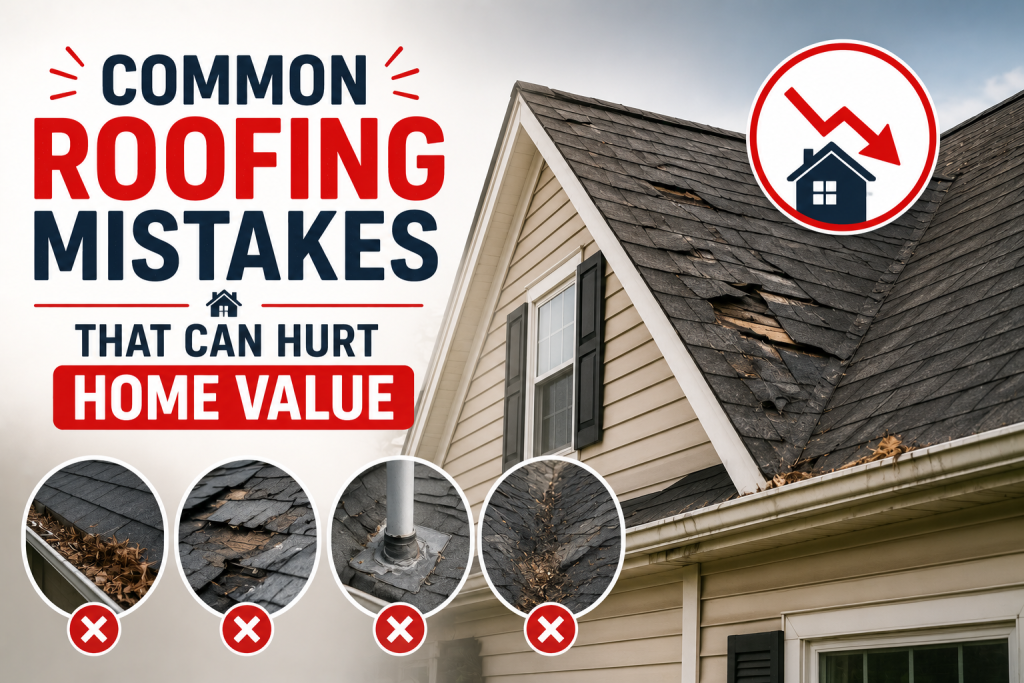
Another mistake is prioritizing low upfront costs over long-term performance, which can lead to premature repairs or replacement needs. The impact can also be significant when roofs show visible wear, poor workmanship, or inadequate maintenance. Buyers frequently view roofing problems as costly future expenses, making them more cautious during negotiations and inspections.
Choosing Style Over Function
A visually appealing roof may attract attention, but appearance alone should never be the primary decision-making factor. One of the most common homeowner mistakes is selecting a roof style based solely on aesthetics without considering performance requirements. This approach can negatively affect roof style home value over time. Every region presents unique weather challenges, and roofing systems should be designed to address those conditions. A roof that looks impressive but performs poorly in local climates may create maintenance issues, shorten service life, and increase ownership costs.
Buyers are often quick to recognize these concerns during inspections and evaluations. The relationship is strongest when design and functionality work together. Homeowners who balance architectural appeal with durability, drainage performance, ventilation, and weather resistance are generally better positioned to protect their investment and attract future buyers.
Conclusion
The relationship between roof style home value extends far beyond aesthetics. Roof design influences buyer perception, curb appeal, weather performance, maintenance expectations, and overall marketability. Whether a homeowner chooses a traditional gable roof, a durable hip roof, or a contemporary design, selecting a style that complements the home’s architecture can positively impact resale potential. Throughout the United States, regional climate conditions also play an important role in determining which roofing systems deliver the greatest value.
Buyers often prefer roofs that provide both visual appeal and long-term reliability. As a result, thoughtful roofing decisions can contribute to stronger buyer confidence and improved property performance. Ultimately, roof style home value is affected by a combination of design, material quality, installation standards, and ongoing maintenance. Homeowners who prioritize both appearance and functionality are more likely to maximize the return on their roofing investment while enhancing the long-term appeal of their property.
Frequently Asked Questions
Does roof style affect home value?
Yes. Roof style can influence buyer perception, curb appeal, and overall property desirability. A roof that complements the home’s architecture and performs well in the local climate can support stronger resale potential.
Which Roof Style Provides the Best Roof Style Home Value?
There is no single best option for every property. The ideal roof style home value outcome depends on factors such as architecture, climate, and buyer preferences. However, gable roofs, hip roofs, and well-designed contemporary roofs often perform well because they combine functionality, durability, and broad market appeal.
Do buyers care about roof design?
Most buyers notice roof design immediately because it is one of the most visible exterior features. An attractive and well-maintained roof can create a positive first impression and increase confidence in the home’s condition.
Is a New Roof Worth Installing Before Selling for Better Roof Style Home Value?
It depends on the roof’s age and condition. If the existing roof is nearing the end of its lifespan or shows visible wear, replacement may help attract buyers, improve marketability, and strengthen roof style home value by creating a more appealing and well-maintained exterior.
Does roof material impact resale value?
Yes. Durable materials such as metal roofing, architectural shingles, slate, and premium composite products are often viewed favorably because they offer longevity and reduced maintenance concerns.
Can an outdated roof lower property value?
An outdated or damaged roof may discourage buyers, increase inspection concerns, and lead to lower offers. Maintaining a roof in good condition helps preserve property value and buyer confidence.