
Epoxy Flooring Benefits for Garages and Basements (2026 Guide)
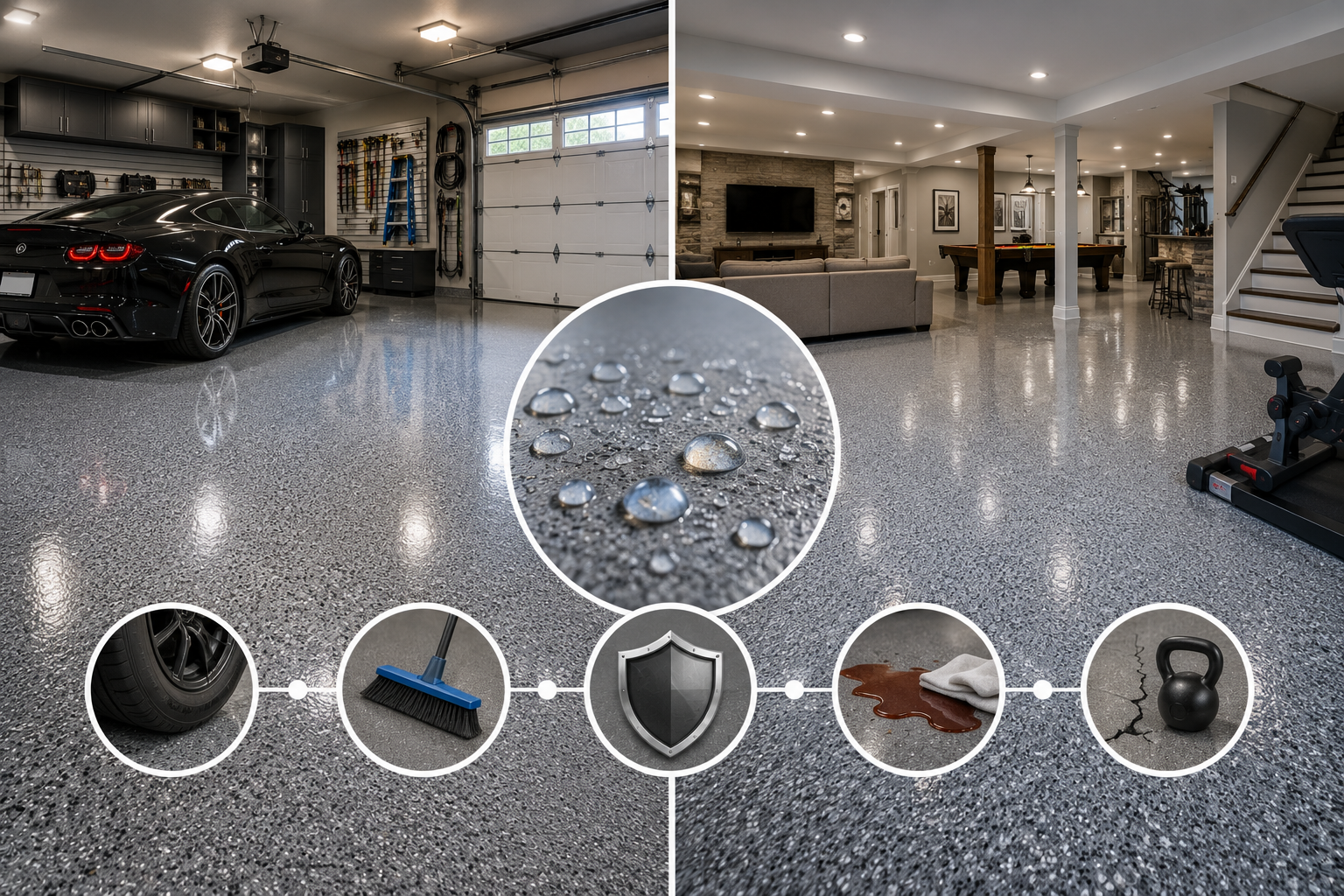
Homeowners across the United States are increasingly upgrading concrete surfaces in garages and basements to improve durability, appearance, and long-term performance. One of the most common reasons for this shift is the growing awareness of epoxy flooring benefits, especially in spaces that experience heavy use, moisture exposure, and frequent wear. Unlike untreated concrete, epoxy creates a sealed, protective layer that enhances both function and longevity. This makes it particularly valuable in residential environments where floors must withstand vehicles, storage loads, and seasonal climate changes.
When evaluating the benefits of epoxy flooring, homeowners are often interested in more than just appearance. They want solutions that reduce maintenance, resist damage, and improve the overall usability of their home spaces. Garages and basements are ideal candidates because they face challenges such as stains, humidity, and abrasion. This guide breaks down the most important advantages so you can understand how epoxy performs in real-world residential conditions and whether it is the right upgrade for your home in 2026.
What Makes Epoxy Flooring Different?
To fully understand epoxy flooring benefits, it helps to first understand what sets epoxy apart from traditional concrete finishes. Epoxy flooring is not just a surface coating; it is a chemical system made by combining resin and hardener that forms a rigid, bonded layer over concrete. Once cured, it creates a seamless, non-porous surface that significantly changes how the floor performs in everyday residential use.
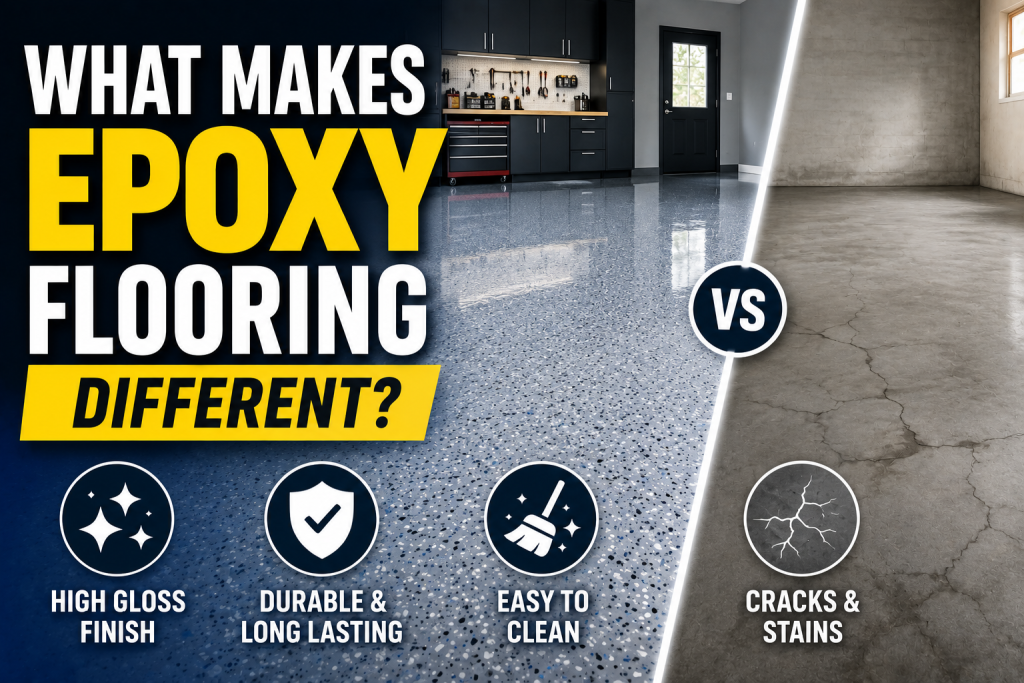
Unlike bare concrete, which is naturally porous and prone to staining, epoxy creates a sealed barrier that prevents liquids, oils, and dirt from penetrating the surface. This is one of the key benefits of epoxy flooring that makes it especially valuable in garages and basements where spills and moisture are common.
Another important difference is durability under stress. Epoxy adheres tightly to properly prepared concrete, helping reduce surface dusting and improving resistance to wear over time. This makes it a practical upgrade for homeowners looking to extend the lifespan of their flooring while improving overall appearance and functionality. Understanding these differences provides a foundation for evaluating the full range of advantages epoxy offers in residential environments.
Epoxy Flooring Benefits for Garages
Garages are one of the most common areas where homeowners experience the full impact of epoxy flooring benefits, especially due to constant exposure to vehicles, tools, and heavy foot traffic. A properly installed epoxy system transforms a standard concrete garage floor into a sealed, high-performance surface designed for daily residential use.
One of the most noticeable advantages is protection against oil, grease, and automotive fluids. Bare concrete absorbs spills quickly, leading to permanent staining, but epoxy forms a non-porous barrier that makes cleanup significantly easier. This level of benefits of epoxy flooring is especially important for homeowners who use their garage as a workshop or storage area.
Epoxy also improves resistance to abrasion from tires and heavy equipment. Over time, this helps maintain a cleaner, more uniform surface compared to untreated concrete that can chip and dust. The result is a garage floor that not only performs better but also enhances the overall appearance and usability of the space. For many U.S. homeowners, these advantages make epoxy a practical and long-term upgrade for garage environments.
Epoxy Flooring Benefits for Basements
Basements present unique challenges for flooring due to moisture exposure, cooler temperatures, and below-grade concrete conditions. This is where the benefits of epoxy flooring become especially valuable for homeowners looking to improve both function and livability in these spaces. One of the most important advantages is moisture resistance. Epoxy creates a sealed surface that helps reduce the impact of humidity and minor water intrusion, which is common in many U.S. basements. This barrier helps protect the concrete and supports a cleaner, more stable flooring environment.
Another key benefit is improved brightness. Because epoxy coatings can be finished with reflective surfaces, they help increase light distribution in basements that typically lack natural sunlight. This contributes to a more usable and visually comfortable space. When evaluating the benefits of epoxy flooring, basements also stand out for their reduced maintenance needs. The smooth, non-porous surface prevents dust buildup and makes routine cleaning significantly easier compared to untreated concrete, making it a practical option for storage, living areas, or home gyms.
Durability Advantages of Epoxy Floors
One of the most important epoxy flooring benefits for homeowners is long-term durability under daily residential use. Epoxy forms a strong, bonded surface over concrete that helps protect against impact, abrasion, and general wear. This makes it especially useful in high-traffic areas like garages, basements, and utility rooms. Unlike bare concrete, which can crack, chip, and produce dust over time, epoxy helps stabilize the surface and reduce ongoing deterioration. When properly installed, it distributes weight more evenly and resists surface damage from dropped tools, storage movement, and vehicle traffic. This is a key reason many homeowners prioritize epoxy flooring benefits when upgrading older concrete floors.
Epoxy also performs well under changing environmental conditions commonly seen in U.S. homes, including temperature fluctuations and seasonal humidity. While no flooring system is completely indestructible, epoxy significantly extends the usable life of concrete surfaces when compared to untreated alternatives. Overall, durability remains one of the strongest reasons homeowners choose epoxy for long-term flooring performance.
Maintenance Benefits
One of the most practical epoxy flooring benefits for homeowners is how significantly it reduces day-to-day maintenance compared to untreated concrete. Because epoxy creates a sealed, non-porous surface, it prevents dust, dirt, and liquids from penetrating the floor, making routine cleaning much simpler. In typical garage or basement environments, spills such as oil, water, or household chemicals can be wiped up quickly without leaving permanent stains. This ease of cleaning is a major reason many homeowners prioritize benefits of epoxy flooring when upgrading high-use areas. Instead of scrubbing deep into porous concrete, maintenance usually involves basic sweeping and occasional mopping.
Epoxy floors also reduce dusting, which is a common issue with aging concrete surfaces. This helps improve indoor air quality in enclosed spaces like basements and attached garages. Over time, the reduced need for intensive cleaning or surface treatments adds to the overall convenience and long-term value of the flooring system. For busy households, this low-maintenance performance is one of the most appealing advantages of epoxy flooring.
Cost and Long-Term Value Benefits
When evaluating epoxy flooring benefits, cost is often considered in terms of both upfront installation and long-term savings. While epoxy flooring may require a higher initial investment than basic concrete sealers or coatings, it often delivers stronger long-term value due to its durability and reduced maintenance needs. One of the key financial advantages is reduced repair and upkeep costs. Because epoxy creates a protective surface over concrete, it helps minimize damage from stains, cracks, and surface wear. This reduces the likelihood of frequent resurfacing or patching, which can add up over time in garages and basements.
Another important factor in the benefits of epoxy flooring is the extended floor lifespan. A properly installed epoxy system can significantly delay the need for full floor replacement, which is a major expense in residential properties. This makes it a cost-effective solution for homeowners planning to stay in their homes long-term. In addition, improved aesthetics and functionality can contribute to perceived home value, especially in upgraded garages and finished basements, making epoxy a practical investment beyond just surface performance.
Safety Benefits
Safety is another important category of epoxy flooring benefits, especially in garages and basements where moisture, spills, and heavy activity are common. A properly installed epoxy surface can significantly improve traction and visibility, reducing everyday household risks. One major advantage is the ability to customize slip resistance. Epoxy systems can include textured additives that improve grip, helping reduce the chance of slips when floors are wet or exposed to oils and cleaning products. This makes it a practical choice for households that prioritize safer movement in high-use areas.
Another key aspect of the benefits of epoxy flooring is improved lighting reflection. The glossy finish of epoxy helps brighten dim spaces like basements and enclosed garages by reflecting available light more effectively. Better visibility contributes directly to safer navigation and reduced accidents. Epoxy flooring also eliminates common hazards associated with deteriorating concrete, such as dust buildup and surface flaking. By creating a stable, sealed surface, it supports a cleaner and more controlled environment for everyday residential use.
Garage vs Basement Comparison
When evaluating epoxy flooring benefits, it’s important to understand how performance can vary between garages and basements, since each space places different demands on the flooring system. While both areas benefit from epoxy’s protective qualities, the priorities for each environment are not the same. In garages, the most important epoxy flooring benefits are resistance to vehicle traffic, oil spills, tire marks, and heavy equipment. These spaces require a floor that can handle constant abrasion and chemical exposure while remaining easy to clean. Epoxy performs well here because it creates a sealed surface that prevents damage from everyday automotive use.
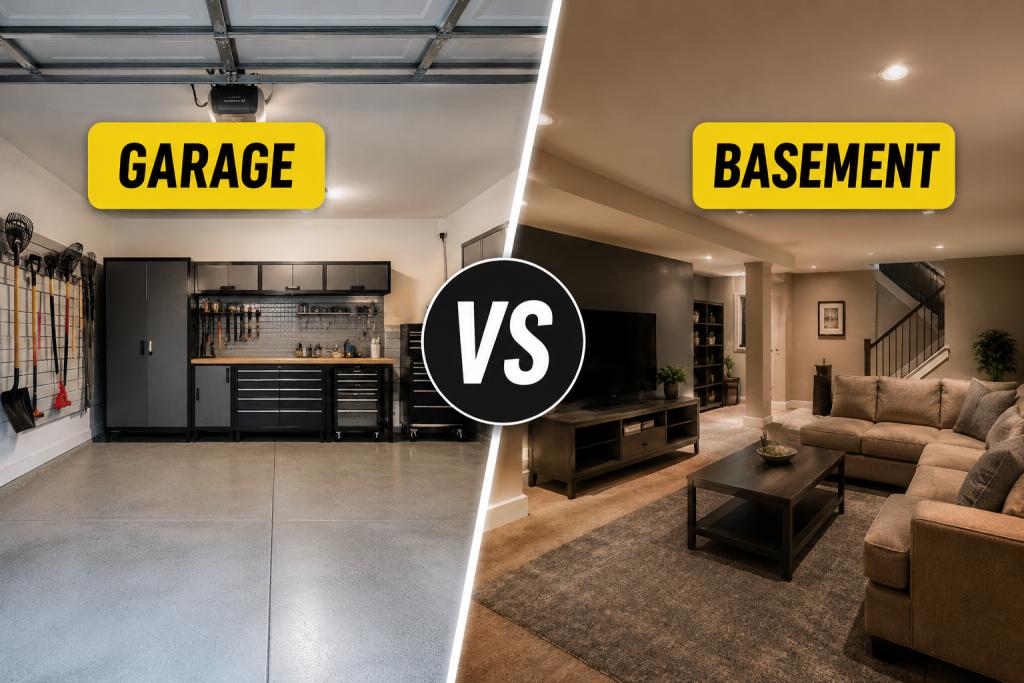
Basements, on the other hand, prioritize moisture resistance, comfort, and improved brightness. Because they are below grade, basements are more prone to humidity and occasional dampness. Epoxy helps reduce these issues by sealing the concrete and creating a more livable environment for storage, recreation, or finished living space. Understanding how epoxy flooring benefits differ by location helps homeowners choose the right expectations and maximize long-term performance in both areas of the home.
Conclusion
Understanding the full range of epoxy flooring benefits helps homeowners make more informed decisions when upgrading garages, basements, or other concrete surfaces. From improved durability and stain resistance to easier maintenance and enhanced safety, epoxy consistently outperforms untreated concrete in everyday residential use. One of the most valuable benefits of epoxy flooring is its ability to extend the life of concrete while also improving its appearance and functionality. Whether used in a high-traffic garage or a moisture-prone basement, epoxy provides a sealed, protective surface that reduces long-term repair needs and simplifies cleaning. While no flooring solution is perfect for every situation, epoxy offers a strong balance of performance, cost efficiency, and versatility. For many U.S. homeowners, it remains one of the most practical upgrades for improving both the usability and value of their home spaces.
Frequently Asked Questions
What are the main epoxy flooring benefits for homeowners?
The main epoxy flooring benefits include durability, stain resistance, moisture protection, and easier maintenance, especially in garages and basements.
Is epoxy flooring good for garage floor protection?
Yes, one of the strongest epoxy flooring benefits is improved garage floor protection against oil, chemicals, tire marks, and heavy traffic.
Can epoxy be used as a basement floor coating?
Yes, epoxy works well as a basement floor coating because it helps seal concrete and reduce issues related to moisture and dust.
Is epoxy flooring stain-resistant?
Yes, stain resistance is a major part of the benefits of epoxy flooring, as its sealed surface prevents liquids and oils from penetrating the concrete.
Does epoxy flooring provide waterproof protection?
Epoxy offers strong moisture resistance, making it a reliable waterproof floor coating option for many residential applications.
Are epoxy floors considered durable concrete floors?
Yes, epoxy systems significantly improve the durability of concrete floors by protecting the surface from wear, cracks, and impact damage.
Is epoxy flooring chemical-resistant?
Yes, chemical resistance is one of the key epoxy flooring benefits, making it suitable for garages, workshops, and utility spaces.
Is epoxy flooring easy to clean?
Yes, epoxy is widely considered an easy-clean flooring option due to its smooth, non-porous, and sealed surface.