

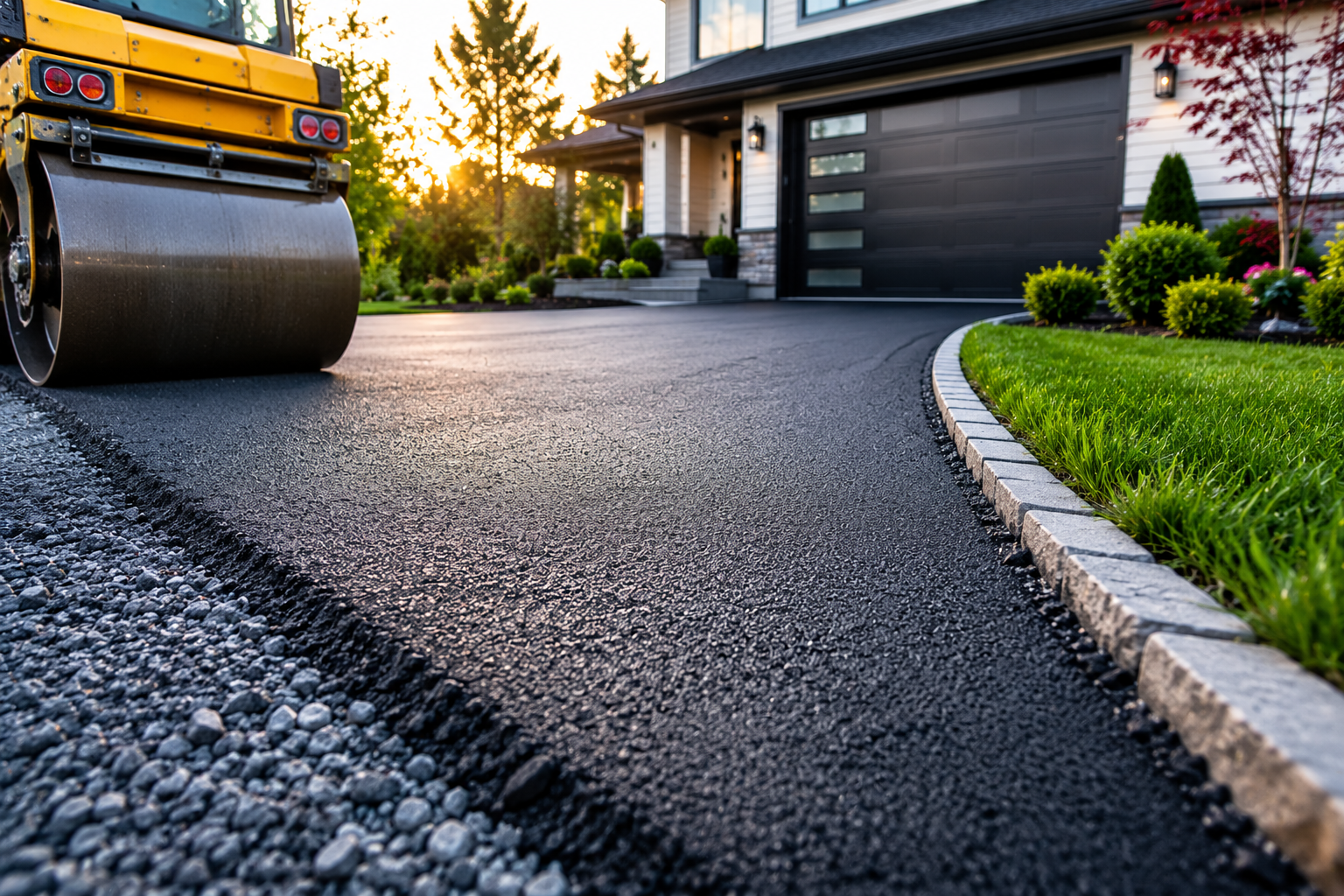
Asphalt Driveway Cost in 2026
Understanding the asphalt driveway cost in 2026 is essential for homeowners planning a new installation or replacement. Prices have shifted due to changes in material supply, labor rates, fuel costs, and regional demand across the United States. Whether you are upgrading an old driveway or building a new one, knowing what influences pricing helps you avoid overpaying and plan your budget more accurately. In most U.S. regions, asphalt remains one of the most cost-effective paving materials for residential properties. However, the final price of an asphalt driveway depends on several factors, including driveway size, site preparation, thickness of the asphalt layer, and local labor rates. This makes it important for homeowners to understand the full breakdown before hiring a contractor.
A well-planned asphalt project not only improves curb appeal but also increases property value and long-term durability. In colder climates like the Midwest and Northeast, asphalt is especially popular because it handles freeze-thaw cycles better than many alternative materials when properly installed. In this guide, we will break down the asphalt driveway cost in detail, including pricing per square foot, installation factors, resurfacing vs replacement options, and regional cost differences across the U.S. This will help you make a more informed decision whether you’re budgeting for a new driveway or evaluating contractor quotes.
Asphalt Driveway Cost Breakdown Per Square Foot in 2026
The asphalt driveway cost in 2026 is most commonly calculated based on square footage, which gives homeowners a clearer understanding of how project size directly impacts total pricing. On average across the United States, most residential driveways fall within a mid-range cost per square foot depending on preparation work, asphalt thickness, and regional labor rates. Basic installations with minimal grading and a stable base are typically more affordable, while projects requiring excavation, drainage correction, or old driveway removal will increase overall pricing. This is why no two driveway estimates are exactly the same, even for similar-sized properties.
Typical Cost Per Square Foot Range
In most U.S. markets, homeowners can expect asphalt driveway pricing to fall within a standard range per square foot. Smaller driveways or rural installations may lean toward the lower end, while urban areas with higher labor costs tend to fall on the higher end. The total asphalt driveway cost per square foot also depends heavily on thickness. Standard residential driveways usually require 2–3 inches of compacted asphalt, while heavier-use driveways may require thicker layers, increasing material usage and labor time.
Blacktop Driveway Pricing Considerations
When discussing blacktop driveway pricing, contractors are generally referring to traditional hot-mix asphalt installations used in residential paving. This pricing includes materials, labor, equipment, and basic site preparation. However, homeowners should be aware that blacktop pricing can fluctuate based on oil prices, seasonal demand, and regional availability of paving contractors. In high-demand construction seasons (spring and summer), prices may rise slightly due to contractor scheduling pressure and material costs. Understanding these per-square-foot factors helps homeowners evaluate estimates more accurately and avoid underestimating the true scope of their project.
Factors That Influence Asphalt Driveway Installation Costs
The final asphalt driveway cost is not determined by size alone. Several construction and site-specific factors play a major role in shaping the total budget. Homeowners often receive widely different quotes because contractors assess these conditions differently during estimation. One of the biggest cost drivers is site preparation. If the existing ground is uneven, unstable, or has drainage issues, additional excavation and grading will be required.
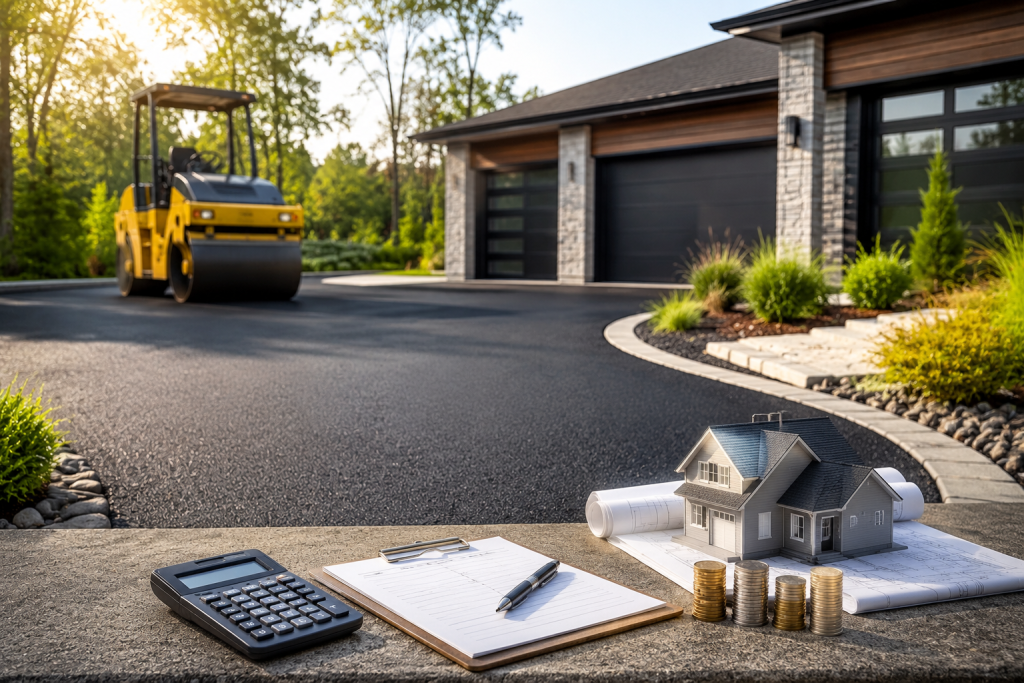
This increases both labor and equipment usage, which directly impacts pricing. Similarly, removing an old driveway or clearing vegetation adds extra steps to the project timeline. Material quality is another key factor. Higher-grade asphalt mixes and thicker application layers improve durability but increase upfront costs. Contractors may also adjust pricing based on accessibility—narrow driveways or tight residential spaces often require more time and specialized equipment.
Asphalt Paving Cost Breakdown
The overall asphalt paving cost includes several components such as base preparation, asphalt material, labor, compaction, and finishing work. Each of these elements contributes to the final estimate, and skipping any part can significantly reduce long-term performance. In most residential projects, base preparation is one of the most important cost factors. A properly compacted base ensures structural stability and helps prevent cracking or sinking over time. While it may increase initial expenses, it significantly reduces future repair costs.
Asphalt Driveway Installation Process Impact
The asphalt driveway installation process also affects total pricing. A standard installation includes excavation, grading, base layer installation, asphalt application, compaction, and final finishing. Each stage requires specialized equipment and skilled labor, which is reflected in the overall project cost. Weather conditions and seasonal timing can also influence installation pricing. For example, installations performed during peak construction months may cost slightly more due to higher contractor demand and scheduling limitations.
Residential Paving Costs vs Driveway Replacement Cost (2026 Comparison)
When evaluating the asphalt driveway cost, homeowners often compare the price of installing a new surface versus replacing an existing one. These two approaches can vary significantly in scope, labor requirements, and long-term value, which makes it important to understand when each option is appropriate. In general, resurfacing or new installation over a prepared base is less expensive than full replacement. However, if the existing driveway has severe structural damage, drainage failure, or deep cracking, replacement becomes the more practical long-term solution. While replacement has a higher upfront price, it can prevent repeated repair expenses in the future.
Residential Paving Costs Overview
The term residential paving costs refers to the total expense of installing or upgrading asphalt surfaces for homes, including driveways, private roads, and parking areas. These costs vary depending on project size, site conditions, and material thickness. For most homeowners, residential paving projects are priced based on square footage and complexity. Simple installations on flat, accessible land typically cost less, while properties requiring excavation, grading, or drainage correction fall on the higher end of the pricing spectrum.
Driveway Replacement Cost Considerations
The driveway replacement cost is usually higher than standard installation because it includes demolition and removal of the old surface before new construction begins. This process may involve breaking up existing asphalt or concrete, hauling debris, and re-preparing the base layer. Replacement is often necessary when the structural foundation is compromised or when repairs are no longer cost-effective. Although it increases initial spending, a full replacement can significantly extend the lifespan of the driveway and improve long-term performance, especially in regions with harsh weather conditions or heavy vehicle use.
Asphalt Driveway Resurfacing Cost and When It Makes Sense
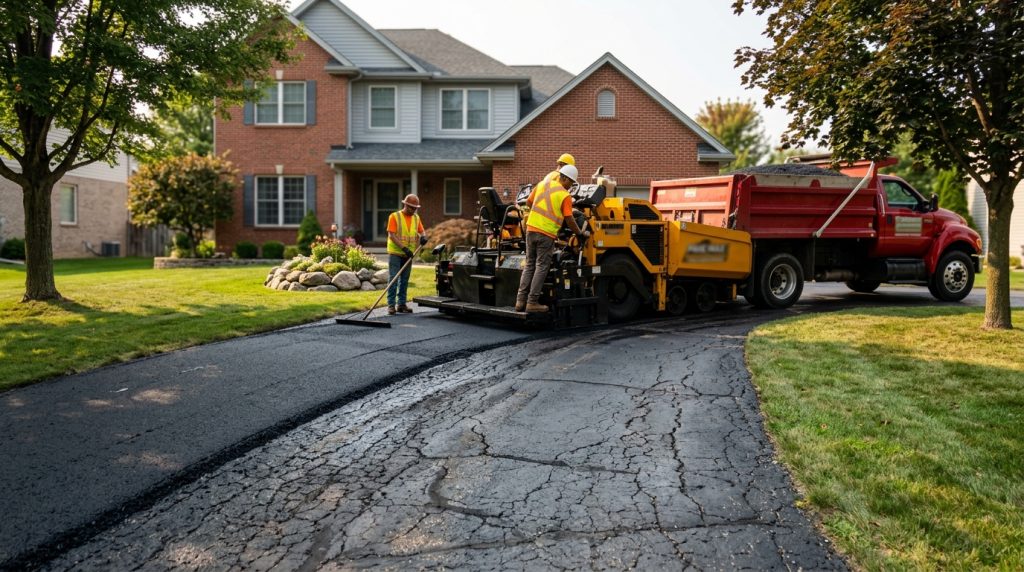
The overall asphalt driveway cost can often be reduced through resurfacing when the existing foundation is still in good condition. Resurfacing is a practical option for homeowners dealing with surface-level wear such as fading, minor cracks, or light deterioration, rather than deep structural damage. Instead of completely removing the driveway, resurfacing adds a new layer of asphalt over the existing surface. This approach restores appearance and functionality while extending the driveway’s lifespan at a lower cost compared to full replacement.
Understanding Asphalt Resurfacing Cost
The asphalt resurfacing cost depends on several factors, including surface condition, required prep work, and total area size. If the existing driveway only needs minor repairs before resurfacing, the overall cost remains relatively affordable. However, if cracks or base issues must be addressed first, the price can increase due to additional labor and materials. In most residential cases, resurfacing is considered a mid-range investment option between minor repairs and full replacement. It provides a balance between affordability and durability, making it a popular choice for homeowners looking to refresh their driveway without a complete rebuild.
When Resurfacing Is the Right Choice
Resurfacing is most effective when the underlying base is still structurally stable. If the foundation has not shifted and drainage is functioning properly, a new asphalt layer can significantly improve both performance and appearance. However, if there are signs of deep cracking, sinking, or drainage failure, resurfacing alone may not be enough. In such cases, full replacement is typically recommended to avoid recurring issues and additional long-term expenses.
Final Cost Summary and What Homeowners Should Expect in 2026
Understanding the full asphalt driveway cost in 2026 requires looking beyond a single estimate and considering the long-term value of the investment. Across the United States, pricing continues to be influenced by labor shortages, fuel costs, and regional construction demand. However, asphalt remains one of the most practical and widely used paving solutions for residential properties due to its balance of durability and affordability. Homeowners should expect variability in pricing depending on location, driveway size, and installation complexity. Urban areas with higher labor costs will typically see higher project totals compared to rural regions. Additionally, projects requiring significant excavation or drainage correction will naturally fall on the higher end of the cost spectrum.
When planning a budget, it is important to compare multiple contractor estimates and ensure each quote includes base preparation, materials, and finishing work. Transparent breakdowns help homeowners avoid hidden costs and better understand where their money is being spent. A well-installed asphalt driveway can last many years when properly maintained, making it a strong long-term investment for curb appeal and property value. While upfront costs may vary, focusing on quality installation and proper base preparation ensures better performance and fewer repairs over time. Ultimately, the asphalt driveway cost in 2026 reflects more than just material pricing, it represents a combination of site conditions, workmanship quality, and long-term durability expectations.
Frequently Asked Questions
How much does an asphalt driveway cost in 2026?
The asphalt driveway cost in 2026 typically depends on driveway size, location, and installation complexity. Most homeowners pay based on square footage, with higher costs in urban areas and lower prices in rural regions. Factors like excavation, base preparation, and asphalt thickness also influence the final price.
What is the average asphalt paving cost per square foot?
The asphalt paving cost per square foot varies across the United States depending on labor rates and material quality. Simple installations on stable ground cost less, while driveways requiring grading or drainage improvements increase the overall price per square foot.
Is blacktop cheaper than concrete for driveways?
In most cases, blacktop is more affordable than concrete for residential driveways. However, long-term maintenance, climate conditions, and durability should also be considered when comparing options. Asphalt generally offers a lower upfront cost with moderate maintenance requirements.
How much does asphalt driveway installation usually cost?
The asphalt driveway installation cost includes materials, labor, base preparation, and finishing work. Larger driveways or those requiring old surface removal will cost more due to additional labor and equipment needs.
When should I choose resurfacing instead of replacement?
If the base is still stable and damage is limited to surface cracks or fading, resurfacing is often the more cost-effective option. However, severe structural issues usually require full replacement for long-term performance.
Does a new driveway increase home value?
Yes, a professionally installed asphalt driveway can improve curb appeal and increase perceived property value. Buyers often view a well-maintained driveway as a sign of overall home care and stability.