

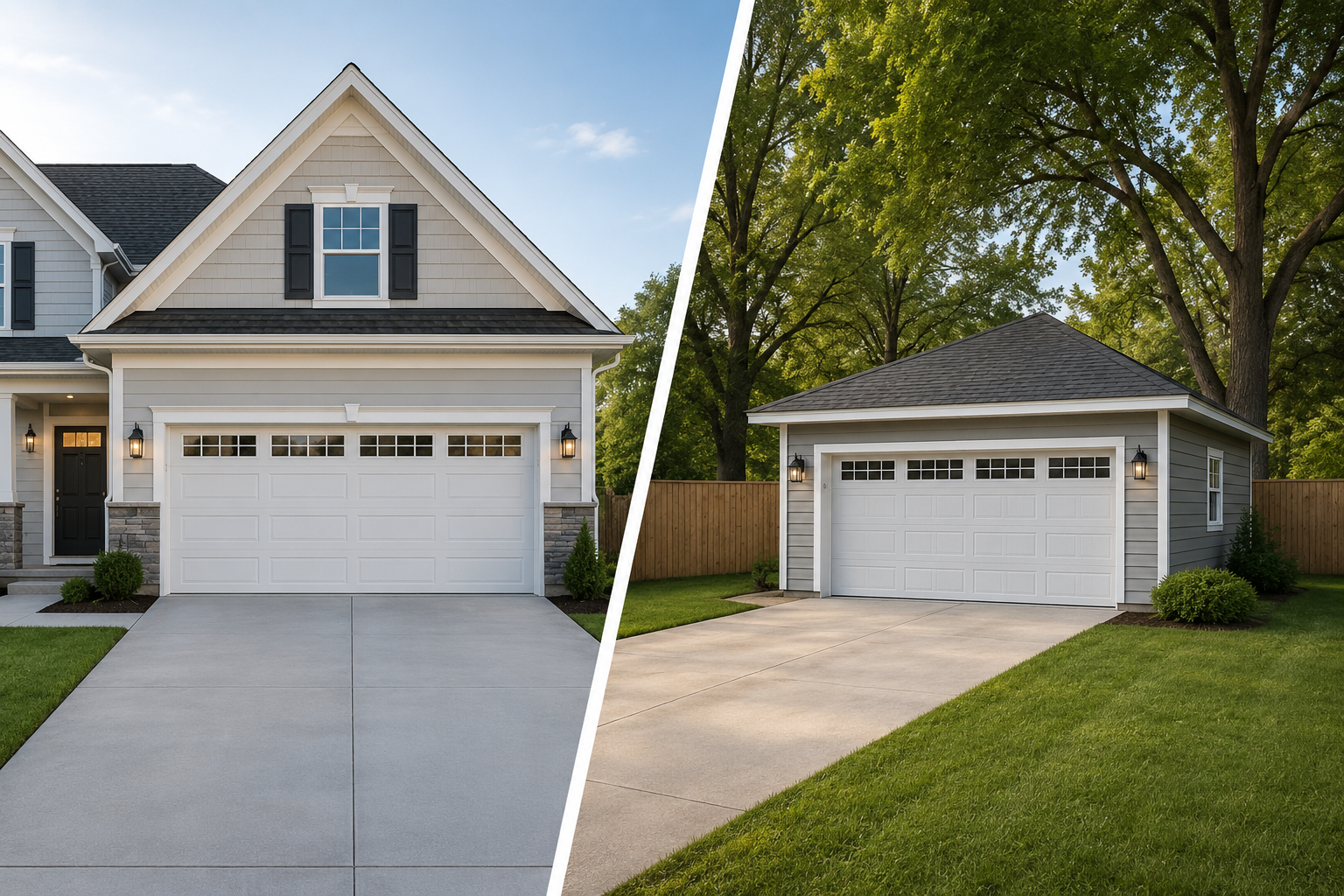
Attached vs Detached Garage: Which One Adds More Value to Your Home?
A garage does more than protect your vehicle; it affects convenience, curb appeal, storage capacity, energy efficiency, and even long-term property value. For many American homeowners planning a new build, remodel, or expansion project, choosing between an attached and detached garage becomes a bigger decision than expected. When comparing attached vs detached garage options, there is no universal winner. The right choice depends on factors such as lot size, regional climate, daily lifestyle, HOA expectations, future renovation plans, and budget priorities.
Attached garages remain popular across suburban neighborhoods because they offer direct home access and efficient use of space. Detached garages, on the other hand, appeal to homeowners seeking flexibility, privacy, and stronger customization potential. This guide breaks down the major differences so you can evaluate cost, function, aesthetics, and long-term value before making a decision. Whether your goal is better usability, improved garage resale value, or planning future upgrades, understanding the tradeoffs upfront can help you invest more confidently.
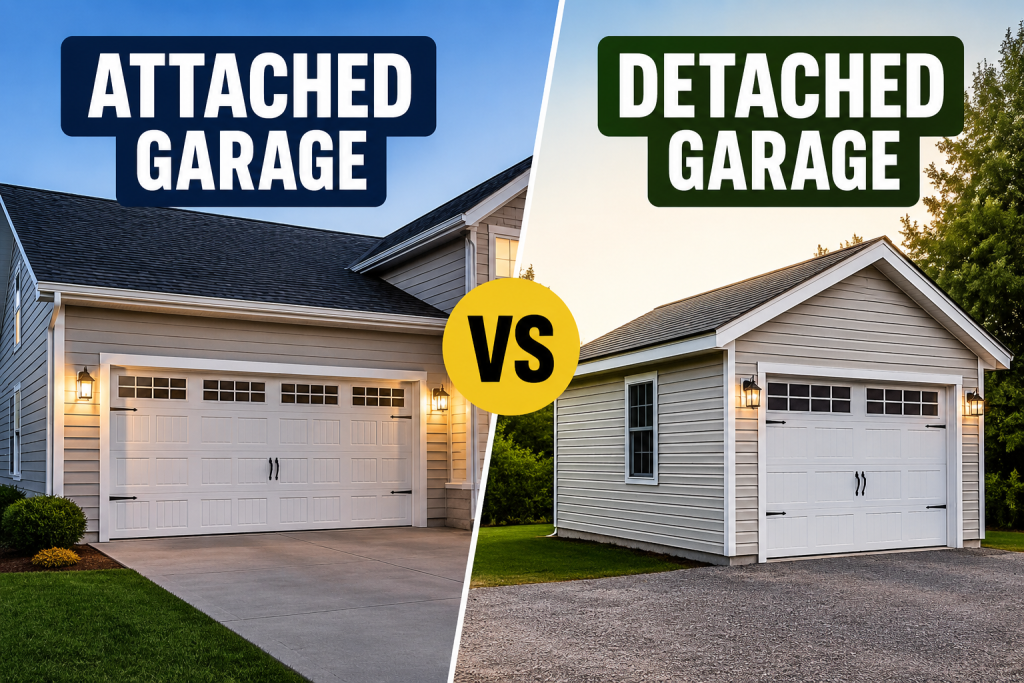
Attached vs Detached Garage: Quick Comparison
Before diving deeper, here’s a side-by-side overview to help homeowners quickly evaluate attached vs detached garage options based on the factors that most influence day-to-day use and long-term home value.
| Factor | Attached Garage | Detached Garage |
| Access to Home | Direct indoor access | Requires outdoor access |
| Construction Cost | Usually lower | Usually higher |
| Expansion Potential | Moderate | High |
| Noise Control | Limited | Better separation |
| Energy Efficiency | Easier to condition | Depends on insulation |
| Curb Appeal | Traditional suburban look | Premium custom appearance |
| Maintenance | Simplified | Separate upkeep |
| Future Conversion | More limited | Greater flexibility |
| Storage Options | Integrated | Easier to customize |
Homeowners comparing garage types often focus only on upfront cost, but the decision should also include future functionality, maintenance expectations, and how the structure supports everyday living. For example, households in colder Northern states often prioritize convenience and weather protection, while larger properties in Texas and Colorado may benefit more from detached layouts with additional storage or workshop space.
What Is an Attached Garage?
An attached garage is a garage structure that shares at least one wall with the house and connects directly to the living space. This design has become the standard across many suburban communities in the United States because it prioritizes convenience, efficient land use, and everyday accessibility. For homeowners comparing attached vs detached garage layouts, attached garages are often the default choice for families, commuters, and regions with challenging weather conditions. Walking directly from your vehicle into the home can be especially valuable during heavy rain, snow, humidity, or extreme summer temperatures. One of the biggest considerations when reviewing attached garage pros and cons is convenience versus flexibility.
Attached garages generally cost less to build because utility lines, roofing integration, and structural connections already exist. They also support easier climate control, which may improve energy performance and reduce utility costs when insulation aligns with modern efficiency standards. During early garage layout planning, homeowners should evaluate driveway placement, storage zones, vehicle clearance, and future expansion possibilities. Since attached garages become part of the home’s footprint, planning ahead matters.
What Is a Detached Garage?
A detached garage is a separate structure built independently from the main house. Unlike attached layouts, it does not share walls with the living space, giving homeowners more flexibility in placement, design, and future use. When evaluating attached vs detached garage decisions, detached garages appeal most to homeowners who prioritize customization, privacy, and long-term adaptability. They are especially common on larger lots, custom-built homes, and properties where preserving architectural balance matters. One of the most recognized detached garage benefits is separation.
Because the structure sits away from the house, homeowners reduce vehicle noise, limit odor transfer, and gain more freedom for workshop use, hobbies, or equipment storage. A thoughtfully designed standalone garage can also create stronger curb appeal and open opportunities for future upgrades. Many homeowners use detached structures for home gyms, tool storage, creative studios, or flexible utility space. Another advantage is planning freedom. During garage layout planning, detached structures make it easier to adjust dimensions, add bays, expand storage, or create multi-purpose zones.
Attached Garage Pros and Cons
For many homeowners, an attached garage delivers the best balance of convenience, cost efficiency, and daily usability. But before deciding, it’s important to understand the full picture rather than focusing only on easier home access. When comparing attached vs detached garage options, attached models tend to work best for families, smaller lots, and regions with harsh seasonal weather.
Pros of an Attached Garage
- Direct indoor access to the home
- Lower construction costs in many cases
- Easier electrical and utility integration
- Better protection during rain, snow, and extreme heat
- Efficient use of available lot space
One of the strongest advantages highlighted in most attached garage pros and cons discussions is convenience. Carrying groceries, unloading children, or entering during severe weather becomes significantly easier.
Cons of an Attached Garage
- More vehicle noise inside the home
- Potential transfer of fumes and odors
- Less design flexibility
- Expansion can become more complicated
Homeowners should also include storage needs and future remodeling goals during garage layout planning. In many cases, evaluating multiple layout and design scenarios early can help prevent costly changes later.
Attached vs Detached Garage: Which Option Offers Better Long-Term Flexibility?
For homeowners thinking beyond immediate convenience, a detached garage can create more opportunities over the life of the property. While construction costs are often higher upfront, the added flexibility may deliver stronger long-term functionality. One of the biggest detached garage benefits is freedom of use. Because the structure stands apart from the house, homeowners gain more options for storage, hobbies, workshops, fitness areas, and future renovations without affecting interior living space.
A well-designed standalone garage also gives more flexibility in architectural style and placement. On larger lots throughout states like Texas, Colorado, and parts of the Southeast, detached garages are often used to improve curb appeal while preserving backyard usability. When comparing attached vs detached garage designs, detached structures often perform best for households that value adaptability, privacy, and specialized use cases.
Garage Design Comparison: Cost, Appearance, and Function
A smart garage decision goes beyond construction cost. A complete garage design comparison should evaluate how the garage looks, performs, and supports your lifestyle over the next 10–15 years. From a budget perspective, attached garages are usually more affordable because they share walls, roofing systems, and utility access with the home. This often reduces labor and material costs. Detached garages generally require additional site preparation, separate foundations, utility extensions, and more independent structural work. While the upfront investment may be higher, the added flexibility can offset those costs over time.
Appearance also plays a major role in attached vs detached garage decisions. Attached garages create the traditional suburban look common across many American neighborhoods, while detached layouts can produce a more custom, upscale appearance. Functionality depends heavily on planning. Homeowners should evaluate vehicle circulation, storage requirements, workspace needs, driveway positioning, and future expansion opportunities early in the design process.
Attached vs Detached Garage: How Your Choice Impacts Resale Value
One of the most common homeowner questions is whether an attached or detached garage adds more value at resale. The answer depends less on the structure itself and more on location, buyer expectations, usability, and overall property design. When comparing attached vs detached garage options from an investment perspective, the highest returns usually come from garages that fit neighborhood standards and support everyday functionality.
Attached garages often appeal to family buyers because they offer convenience, weather protection, and direct access to the home. In many suburban communities, these features align closely with buyer expectations. Detached garages can also perform well in the resale market, especially on larger lots and custom homes. A professionally planned standalone garage may attract buyers looking for workshop space, storage flexibility, or future conversion potential.
Strong garage resale value is usually influenced by:
- Quality construction
- Storage capacity
- Efficient layout
- Curb appeal
- Future usability
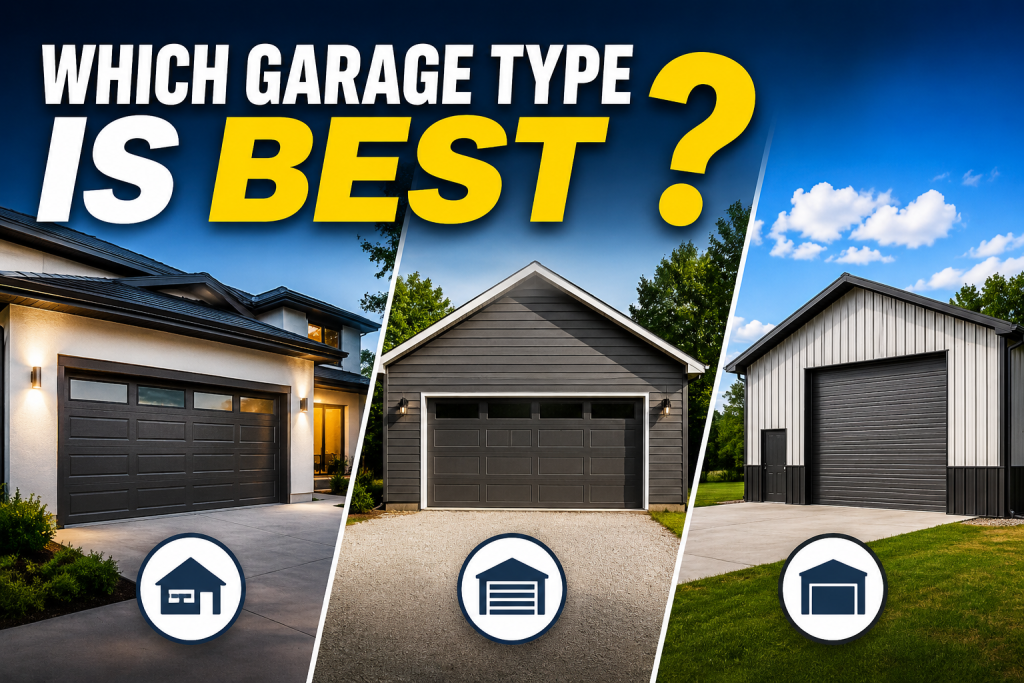
Which Garage Type Is Best for Your Home?
Choosing between an attached and detached garage ultimately comes down to how you live today and how you expect your home to function in the future. If convenience, lower upfront cost, and protection from weather are your top priorities, an attached garage will usually make the most sense. This option works particularly well for families, smaller lots, and homeowners who want direct access to the house year-round.
Choose an attached garage if you:
- Prioritize daily convenience
- Want lower construction costs
- Have limited lot space
- Value easier utility integration
A detached garage may be the stronger choice if flexibility and customization matter more.
Choose detached if you:
- Want more separation and privacy
- Need workshop or hobby space
- Plan future expansion
- Prefer a custom property layout
Before making a final decision, compare the full list of attached garage pros and cons, evaluate the long-term detached garage benefits, and complete a realistic evaluation based on your property, budget, and long-term needs. For homeowners focused on long-term investment, selecting the right structure and incorporating smart garage addition ideas can improve usability today while supporting stronger long-term property value in the future. The best garage is not the one with the most features; it is the one that fits your home, your region, and the way you actually live.
Conclusion
There is no single winner in the attached vs detached garage debate because the best choice depends on how your home functions today and how you expect it to evolve in the future. Attached garages continue to be the preferred option for homeowners who value convenience, lower construction costs, and easy daily access. Detached garages appeal to those seeking flexibility, privacy, design freedom, and additional long-term functionality. Before making a final decision, take time to evaluate realistic detached garage benefits and complete a detailed garage design comparison based on your property conditions, future plans, and lifestyle goals.
You should also consider storage needs, future renovation plans, and practical garage layout planning so the structure continues to serve your household over time. Whether you choose an integrated layout or a standalone garage, thoughtful planning and smart garage addition ideas can improve everyday usability while supporting stronger garage resale value in the years ahead. The right garage is not simply the one that costs less; it is the one that adds the most value to the way you live.
Frequently Asked Questions
Is an Attached vs Detached Garage More Affordable?
In most cases, yes, when comparing an attached vs detached garage, attached garages typically cost less to build because they share walls, roofing components, and utility connections with the house. Attached layouts often reduce labor and material expenses while simplifying the construction process, making them a cost-effective choice for many homeowners.
Do detached garages increase home value?
They can, depending on neighborhood expectations and property size. One of the major detached garage benefits is flexibility, which appeals to buyers looking for workshops, storage, or future conversion opportunities. A well-designed detached structure may contribute positively to garage resale value in the right market.
Do detached garages increase home value?
They can, depending on neighborhood expectations and property size. One of the major detached garage benefits is flexibility, which appeals to buyers looking for workshops, storage, or future conversion opportunities. A well-designed detached structure may contribute positively to garage resale value in the right market.
What is the biggest advantage of a detached garage?
The primary advantage is separation and adaptability. Because the structure is independent from the house, homeowners gain more freedom for customization, storage expansion, and long-term property improvements.
Which garage type is better for small lots?
Attached garages generally perform better on smaller lots because they maximize usable outdoor space and reduce driveway requirements. During the early planning stage, attached designs often create more efficient site usage.
What should homeowners consider before adding a garage?
Start with available lot space, budget, local building requirements, and future household needs. Comparing multiple garage addition ideas and completing a realistic garage design comparison early in the process can help avoid costly changes later.
Does garage type matter for resale?
Yes, but usability matters more than garage style alone. Buyers typically value convenience, storage, appearance, and flexibility. Investing in smart layouts and long-term function usually has a stronger impact on garage resale value than choosing one structure type over another.