


Benefits of Japandi Design for Stress-Free Living
Understanding the benefits of Japandi design is becoming increasingly important for homeowners who want to create peaceful, clutter-free living environments. This interior style blends Japanese minimalism with Scandinavian warmth, resulting in spaces that feel balanced, intentional, and calming without being empty or sterile. The growing interest in the benefits of Japandi comes from modern lifestyle pressures such as work-from-home stress, digital overload, and smaller living spaces that demand smarter organization. Instead of overwhelming the senses with decoration, Japandi interiors focus on simplicity, natural materials, and thoughtful layout choices that support mental clarity. In this guide, we’ll explore the benefits of Japandi in detail, including how it supports stress reduction, improves daily routines, and enhances overall well-being in modern homes.
What Is Japandi Design?
The benefits of Japandi design become easier to understand once you know what the style actually represents. Japandi design is a hybrid interior approach that combines Japanese minimalism with Scandinavian functionality. It focuses on simplicity, natural materials, and intentional living, creating spaces that feel calm, balanced, and highly livable. Instead of filling a room with decorative objects, Japandi design emphasizes open space, clean lines, and carefully selected furniture pieces. The goal is to reduce visual noise and create environments that support relaxation and focus.
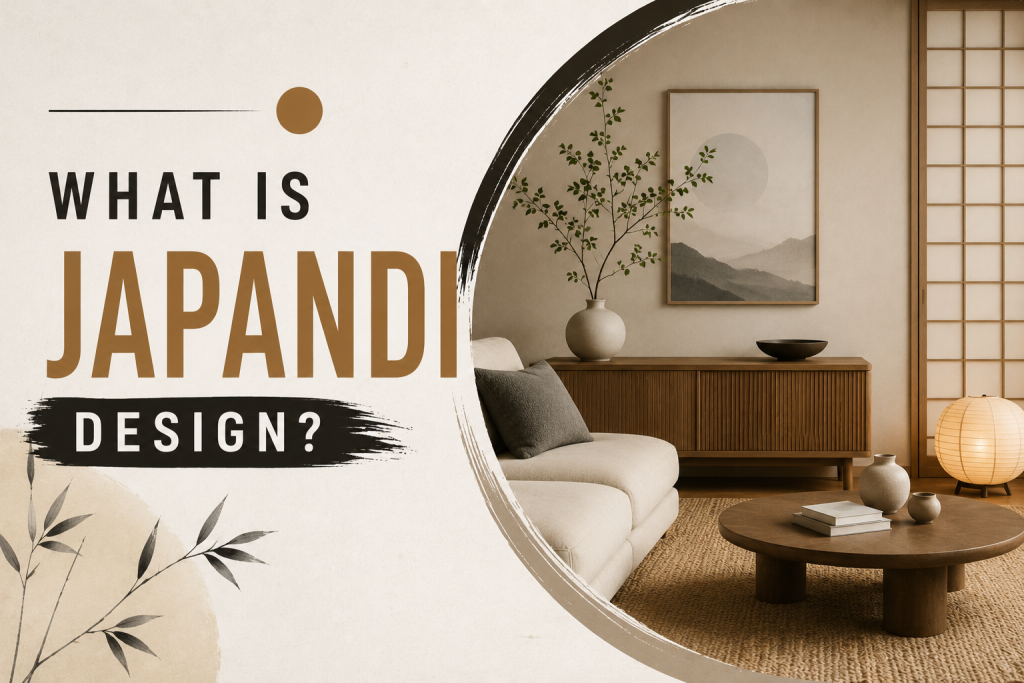
When people explore the benefits of Japandi, they often discover that it is not just about aesthetics but also about lifestyle. It encourages homeowners to slow down, reduce clutter, and prioritize quality over quantity. This makes it especially appealing in modern homes where stress-free and functional living is increasingly important.
Psychological Benefits of Japandi Interiors
One of the most meaningful benefits of Japandi design is its positive impact on mental well-being. By reducing visual clutter and focusing on intentional simplicity, Japandi interiors help create a sense of calm that can lower stress levels and improve focus in daily life. This makes the home feel less overwhelming and more supportive of relaxation. A key reason behind this effect is the use of calming home decor, which relies on soft tones, natural textures, and minimal visual distractions. These elements work together to reduce sensory overload, especially in busy households or work-from-home environments. When combined, these design choices encourage mindfulness and emotional balance. As a result, homeowners often find that the benefits of Japandi extend beyond appearance, influencing mood, productivity, and overall mental clarity in a subtle but powerful way.
How Japandi Reduces Stress at Home
A major reason people explore the benefits of Japandi design is its ability to reduce everyday stress within the home environment. Japandi interiors are intentionally uncluttered, which minimizes visual distractions and helps the mind feel more organized and at ease. This simplicity creates a natural sense of order that can lower anxiety levels in daily routines. Another important factor is the use of stress-free interior design, where layouts are planned to support flow and functionality. Furniture is arranged to improve movement and reduce chaos, while storage solutions help keep surfaces clear and tidy. This structured approach makes it easier to maintain a clean and peaceful environment. Together, these principles enhance the benefits of Japandi by turning the home into a restorative space where relaxation feels natural rather than forced, supporting both mental and emotional well-being.
Japandi Design and Daily Lifestyle Improvement
One of the often-overlooked benefits of Japandi design is how it positively influences daily habits and routines. A well-designed Japandi space naturally encourages tidiness because every item has a purpose and designated place. This reduces time spent cleaning or organizing and allows homeowners to focus more on meaningful activities. The philosophy behind minimalist living benefits also plays a key role here, as it promotes intentional consumption and discourages unnecessary clutter. Over time, this mindset can lead to more mindful purchasing decisions and a simpler, more efficient lifestyle. mBy reducing chaos and improving spatial flow, the benefits of Japandi design extend into productivity and emotional stability. Homeowners often find that their environment supports better focus, improved routines, and a greater sense of control over their daily lives.
Why Japandi Works for US Homes
The benefits of Japandi design are especially relevant for U.S. homes, where lifestyle demands often include busy schedules, remote work, and multi-purpose living spaces. Japandi interiors support this lifestyle by creating environments that feel calm, organized, and easy to maintain, even in high-activity households. In many American homes, space efficiency is essential, particularly in urban apartments and suburban houses with open floor plans. Japandi design helps by reducing clutter and prioritizing functional layouts that improve daily usability. This makes it easier to manage work, family, and relaxation within the same environment. The cozy neutral interiors commonly seen in Japandi spaces also adapt well to different U.S. climates and architectural styles. Whether in a small apartment or a larger home, the benefits of Japandi provide a flexible foundation for creating balanced and stress-reducing living spaces.
Key Elements That Improve Well-Being
A core reason behind the benefits of Japandi design is its focus on elements that directly support emotional and physical well-being. Natural materials such as wood, stone, and linen create a grounded environment that feels connected to nature, helping reduce stress and improve comfort levels within the home. Lighting also plays a significant role, with soft, layered illumination preferred over harsh overhead sources. This helps create a calm atmosphere that supports relaxation during both day and night. In addition, thoughtful layouts contribute to better movement and flow, reducing feelings of congestion. Another important factor is organized home design, which ensures every item has a place and unnecessary clutter is minimized. Together, these design choices strengthen the benefits of Japandi by creating spaces that feel balanced, functional, and emotionally supportive for everyday living.
How to Apply Japandi in Your Home
Applying the benefits of Japandi design in your home begins with simplifying your space and focusing on what truly adds value. Start by removing unnecessary items and keeping only furniture and decor that serve a clear functional or emotional purpose. This immediately creates a cleaner and more balanced environment. Next, introduce natural materials such as wood, linen, and stone to build warmth and texture.

Stick to soft, neutral tones to maintain visual calm throughout the space. Furniture should be minimal, practical, and low-profile to support an open layout. This approach is central to wellness-focused interiors, where every design decision supports mental clarity and comfort. When these principles are combined, the benefits of Japandi become fully visible, transforming ordinary rooms into peaceful, functional spaces that support healthier daily living.
Final Thoughts
The benefits of Japandi design go far beyond visual appeal, offering a practical approach to creating homes that support mental clarity, emotional balance, and everyday comfort. By focusing on simplicity, natural materials, and intentional layouts, this design style helps reduce stress and encourages a more mindful way of living. Throughout this guide, the benefits of Japandi design have been shown to influence everything from daily routines to overall well-being. Instead of overwhelming spaces with decoration, Japandi prioritizes calm, function, and long-term livability. For homeowners seeking a more peaceful lifestyle, the benefits of Japandi provide a clear pathway toward stress-free living. It is not just an interior style, but a sustainable approach to designing homes that feel grounded, organized, and emotionally supportive.
Frequently Asked Questions
What are the benefits of Japandi design?
The benefits include reduced stress, improved focus, and a calmer, more organized living environment.
Why is Japandi design good for mental health?
It reduces visual clutter and creates a calming atmosphere that supports emotional balance.
Is Japandi design suitable for small homes?
Yes, it works very well in small spaces due to its minimalist and functional approach.
How does Japandi design reduce stress?
By simplifying layouts, using neutral colors, and minimizing clutter.
What materials are used in Japandi interiors?
Natural materials like wood, stone, linen, and bamboo are commonly used.