


Benefits of Modern Interior Design for Home Value and Functionality
Modern homeowners are looking for more than attractive living spaces. They want homes that are comfortable, practical, energy-conscious, and capable of supporting changing lifestyles. This shift has made modern interior design one of the most popular renovation approaches across the United States. From suburban neighborhoods in Dallas to urban properties in Denver and Miami, homeowners are embracing cleaner layouts, smarter storage solutions, and updated finishes that improve both aesthetics and performance. The benefits of modern interior design extend far beyond visual appeal. Thoughtful design choices can improve how a home functions every day while also making the property more attractive to future buyers. Features such as open living areas, natural lighting, streamlined materials, and technology integration help create spaces that feel larger, more efficient, and easier to maintain. Whether you’re planning a full renovation or considering targeted modern home upgrades, understanding how modern design impacts functionality and long-term property value can help you make smarter remodeling decisions. In this guide, we’ll explore the most important advantages of modern interior design and why it remains a worthwhile investment for American homeowners.
Benefits of Modern Interior Design for Improving Everyday Functionality
One of the most significant benefits of modern interior design is its ability to make daily life easier and more efficient. Modern homes are designed around how people actually live, focusing on convenience, comfort, and practical use of space. Rather than dividing rooms into separate, isolated areas, modern design encourages better flow between living spaces, helping families interact more naturally while maximizing usable square footage.
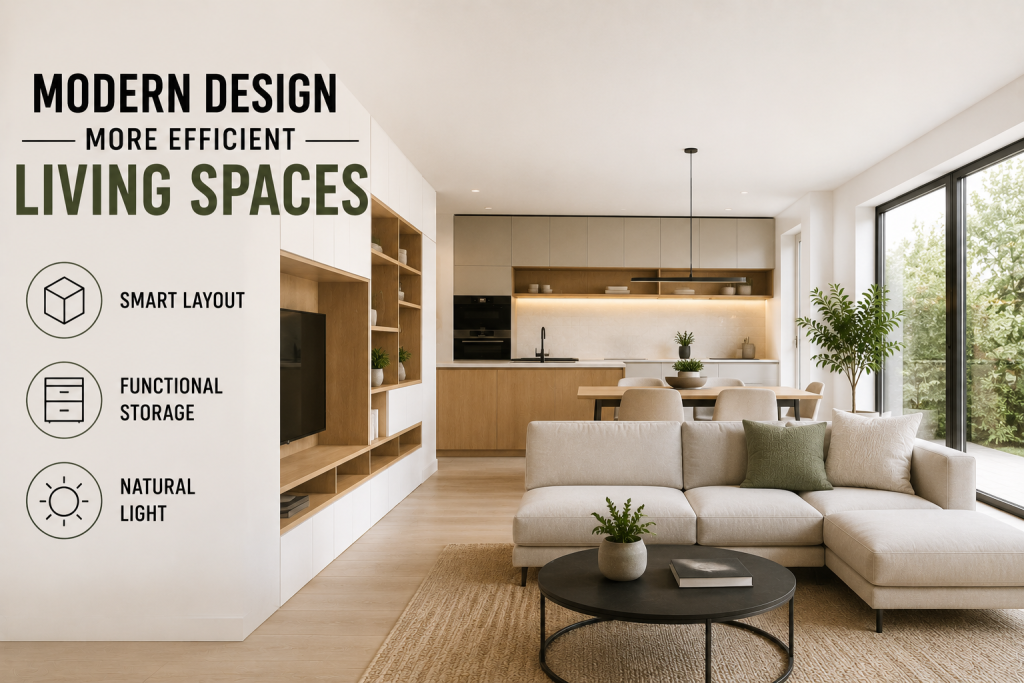
How Benefits of Modern Interior Design Create More Efficient Living Spaces
The benefits of modern interior design become especially noticeable when evaluating space efficiency. Open-concept floor plans reduce unnecessary barriers, allowing kitchens, dining rooms, and living areas to work together as a cohesive environment. This approach often makes homes feel larger than their actual square footage while improving natural light distribution throughout the property. Built-in storage solutions, multifunctional furniture, and clutter-free layouts further enhance usability. Many homeowners also appreciate how modern layouts can adapt to changing needs, whether creating a home office, accommodating a growing family, or establishing flexible entertainment areas.
Smart Technology and Functional Design Features
Modern interior design also embraces technology that simplifies everyday tasks. Smart thermostats, automated lighting systems, and connected appliances help homeowners manage comfort and efficiency with minimal effort. These innovations support a more streamlined lifestyle while reducing unnecessary energy consumption. In addition, modern materials and finishes are often selected for durability and ease of maintenance. From scratch-resistant flooring to low-maintenance countertops, modern design prioritizes long-term practicality alongside visual appeal. These features represent some of the most valuable benefits of modern interior design, helping homeowners create spaces that not only look contemporary but also perform better in everyday use.
Benefits of Modern Interior Design and Their Impact on Home Value
Beyond improving daily comfort, the benefits of modern interior design can have a measurable effect on a property’s market performance. Buyers increasingly prefer homes that feel updated, functional, and move-in ready. As a result, homeowners who invest in thoughtful interior improvements are often better positioned when it comes time to sell.
Why Benefits of Modern Interior Design Appeal to Today’s Home Buyers
The benefits of modern interior design align closely with what many buyers expect in today’s housing market. Clean lines, updated finishes, abundant natural light, and well-organized spaces create a strong first impression during showings. These features can help a property stand out from competing listings, particularly in active markets such as Dallas, Phoenix, and Denver. Many buyers are willing to pay more for homes that require fewer immediate updates. Modern kitchens, refreshed bathrooms, and cohesive interior styling contribute to stronger buyer confidence and can help increase home value over time.
Modern Features That Support Higher Resale Potential
Certain design upgrades consistently attract buyer interest. Open living spaces, contemporary lighting, quality flooring, and upgraded fixtures can make a home feel newer and better maintained. These improvements are often associated with higher perceived quality and long-term durability. In addition to enhancing visual appeal, many of these upgrades contribute to stronger home resale value because they reflect current market preferences. When combined with quality craftsmanship and practical design choices, modern interiors can help homeowners maximize the return on their renovation investments.
Modern Layouts Improve Comfort and Flexibility
A well-designed home should support both current needs and future lifestyle changes. One reason modern interiors remain popular is their ability to create adaptable living environments that work for a wide range of households. Whether a homeowner is raising a family, working remotely, or preparing for retirement, flexible spaces offer lasting value. Modern floor plans emphasize openness while still providing areas for privacy and focus. One of the major benefits of modern interior design is the ability to create versatile spaces that adapt to changing household needs. Home offices, multipurpose rooms, and flexible guest spaces have become increasingly important in recent years. Instead of assigning a single function to every room, modern design encourages spaces that can evolve as needs change.
These advantages represent some of the most practical modern remodeling benefits available to homeowners. A flexible interior can accommodate growing families, changing work schedules, and new lifestyle preferences without requiring major structural modifications. Modern design also improves comfort through better traffic flow and enhanced natural lighting. Larger sightlines and fewer unnecessary walls create a more welcoming atmosphere, making homes feel spacious and connected. These practical advantages highlight some of the key benefits of modern interior design, which is one reason modern interiors continue to attract both homeowners and prospective buyers across the United States.
Energy-Efficient Design Reduces Long-Term Costs
Modern interior design is not only about appearance and functionality; it can also help homeowners reduce ongoing operating expenses. As utility costs continue to rise across many parts of the United States, efficiency-focused renovations have become an important consideration for homeowners seeking long-term savings. Many modern interiors incorporate features that support energy efficient home design, including LED lighting, improved insulation, smart thermostats, and high-performance windows. These upgrades help regulate indoor temperatures more effectively while reducing unnecessary energy consumption throughout the year. Among the key benefits of modern interior design is its ability to combine visual appeal with improved energy performance.
Natural lighting is another key component of modern design. Larger windows and open floor plans allow sunlight to reach deeper into the home, reducing reliance on artificial lighting during daytime hours. Homeowners in regions such as Texas, Arizona, and Florida often benefit from design strategies that balance daylight access with heat control. In addition to lowering monthly utility bills, energy-conscious improvements can enhance overall comfort. Consistent indoor temperatures, better air quality, and improved efficiency contribute to a more enjoyable living environment. For many homeowners, combining modern aesthetics with energy performance creates a practical investment that delivers value long after the renovation is complete.
Modern Renovation Ideas That Deliver Strong Returns
Not every remodeling project delivers the same level of value. Homeowners who focus on practical upgrades often achieve the best balance between improved functionality and long-term return on investment. One of the key benefits of modern interior design is that it encourages renovation choices that enhance both everyday living and buyer appeal. Among the most valuable projects are kitchen updates, bathroom remodels, flooring replacements, and lighting improvements. These upgrades can dramatically transform a home’s appearance while addressing features that buyers evaluate closely during property tours. When executed with quality materials and timeless design principles, these improvements remain attractive for years.
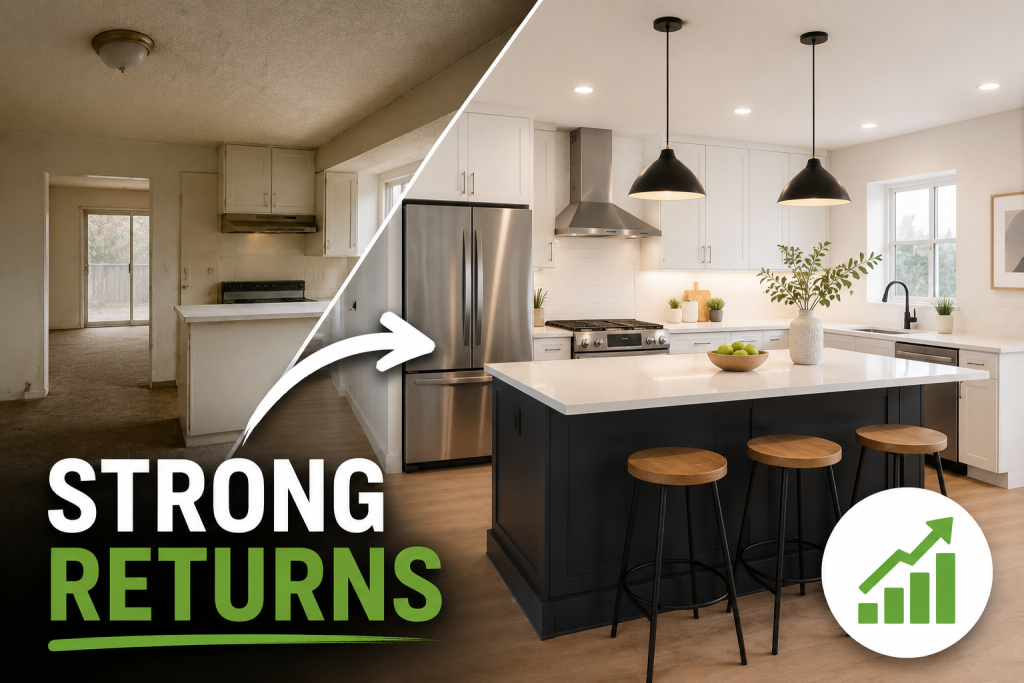
The table below highlights several common renovation projects and their potential impact.
| Upgrade | Functionality Impact | Value Impact | Maintenance |
| Kitchen Remodel | Improves workflow and storage | High | Moderate |
| Bathroom Update | Enhances comfort and usability | High | Low |
| Luxury Vinyl Plank Flooring | Improves durability and appearance | Moderate to High | Low |
| LED Lighting Upgrade | Better visibility and efficiency | Moderate | Very Low |
| Built-In Storage Solutions | Maximizes space utilization | Moderate | Low |
While every housing market is different, homeowners generally achieve stronger results when renovations focus on usability, durability, and broad buyer preferences rather than highly personalized design choices. Prioritizing practical upgrades can help create a home that performs well today while maintaining appeal in the future.
Modern Interior Design vs Traditional Interior Design
Both modern and traditional interior design styles offer unique advantages, but they serve different homeowner preferences and lifestyle needs. Understanding the differences can help homeowners choose a design approach that aligns with their goals, budget, and long-term plans for the property. Modern interior design focuses on simplicity, functionality, clean lines, and efficient use of space. Traditional design, on the other hand, often emphasizes decorative details, classic architectural elements, and more formal room layouts. While traditional interiors can create a timeless appearance, modern spaces are generally better suited to contemporary living patterns and changing household needs.
The comparison below highlights some of the key distinctions between these two popular design styles.
| Feature | Modern Interior Design | Traditional Interior Design |
| Layout Style | Open and flexible | More segmented rooms |
| Design Approach | Minimalist and functional | Decorative and formal |
| Lighting | Emphasis on natural light | Combination of natural and decorative lighting |
| Storage | Integrated and space-efficient | Furniture-based storage solutions |
| Technology Integration | Smart home friendly | Limited integration |
| Maintenance | Generally lower maintenance | May require more upkeep |
| Buyer Appeal | Strong among modern buyers | Appeals to classic-style buyers |
For many American homeowners, modern design provides a practical balance between visual appeal and everyday functionality. Its focus on adaptability, efficiency, and usability makes it a popular choice for renovations aimed at supporting both current living needs and future property value.
Conclusion
The benefits of modern interior design go far beyond creating an attractive living space. Modern interiors are built around the needs of today’s homeowners, emphasizing functionality, flexibility, comfort, and long-term value. From open floor plans and smart technology integration to efficient storage solutions and energy-conscious upgrades, modern design helps homes perform better in everyday life. As housing preferences continue to evolve across the United States, homeowners increasingly recognize the importance of creating spaces that support changing lifestyles while maintaining broad market appeal. Thoughtful design choices can improve comfort, simplify maintenance, and enhance the overall living experience for years to come. Whether you’re planning a complete renovation or making targeted improvements, investing in modern interior design can be a strategic decision that benefits both your current lifestyle and your property’s future potential. By focusing on practical upgrades and timeless design principles, homeowners can create spaces that remain functional, attractive, and valuable well into the future.
Frequently Asked Questions
Does modern interior design increase property value?
Modern interior design can positively influence property value by making a home more appealing to prospective buyers. Updated finishes, functional layouts, improved lighting, and contemporary features often create a stronger first impression and can help a property compete more effectively in the market.
What are the most valuable modern interior upgrades?
Some of the most valuable interior upgrades include kitchen renovations, bathroom remodels, durable flooring, energy-efficient lighting, and built-in storage solutions. These improvements typically provide both practical benefits and strong buyer appeal.
Is modern interior design suitable for older homes?
Yes. Many homeowners successfully incorporate modern design elements into older properties without sacrificing architectural character. Updating finishes, improving lighting, and enhancing space functionality can help older homes meet contemporary living standards while preserving their unique charm.
How does modern interior design improve functionality?
Modern design emphasizes efficient space planning, flexible room usage, smart storage solutions, and better traffic flow. These features help homeowners make better use of available square footage while improving comfort and convenience.
Are modern interiors easier to maintain?
In many cases, yes. Modern interiors often utilize durable materials, simplified design elements, and low-maintenance finishes. This approach can reduce cleaning requirements and help homeowners manage long-term upkeep more efficiently.
Is modern interior design a good long-term investment?
For many homeowners, modern interior design represents a worthwhile long-term investment because it combines everyday functionality with broad market appeal. Well-planned updates can improve living conditions while helping maintain a property’s competitiveness in future resale situations.