


Best Color Palettes for Small Rooms Interior
Choosing the best color palettes for small rooms is one of the most effective ways to make compact spaces feel larger, brighter, and more comfortable. In US homes, especially apartments and smaller suburban layouts, paint color plays a major role in shaping how spacious a room feels without changing its physical size. The right small room paint colors can reflect natural light, reduce visual clutter, and create a sense of openness. On the other hand, poorly chosen shades can make a room feel tight, dark, and less functional. Modern design trends now emphasize intentional use of light paint colors for small spaces, layered neutrals, and soft tones that enhance both style and practicality. These palettes are widely recommended by paint manufacturers like Sherwin-Williams and Benjamin Moore, as well as interior designers focused on space optimization. This guide breaks down proven color strategies that help maximize small room potential.
Why Color Choice Matters in Small Rooms
Color selection has a direct impact on how spacious a room feels, making it one of the most important design decisions when working with limited square footage. The best color palettes for small rooms are not just about aesthetics—they influence light reflection, visual depth, and overall comfort. Lighter tones such as soft whites, pale greiges, and muted neutrals help reflect both natural and artificial light, which visually expands the room. This is why small room paint colors are often recommended in rental apartments and compact US homes where maximizing space perception is essential.
Darker or overly saturated shades can create a more enclosed feeling, especially in rooms with limited windows or low ceilings. However, when used strategically, they can also add contrast and depth in accent areas. Ultimately, choosing the right palette is about balancing light paint colors for small spaces with subtle contrast to create a room that feels open, functional, and visually balanced.
Light Color Palettes That Make Small Rooms Look Bigger
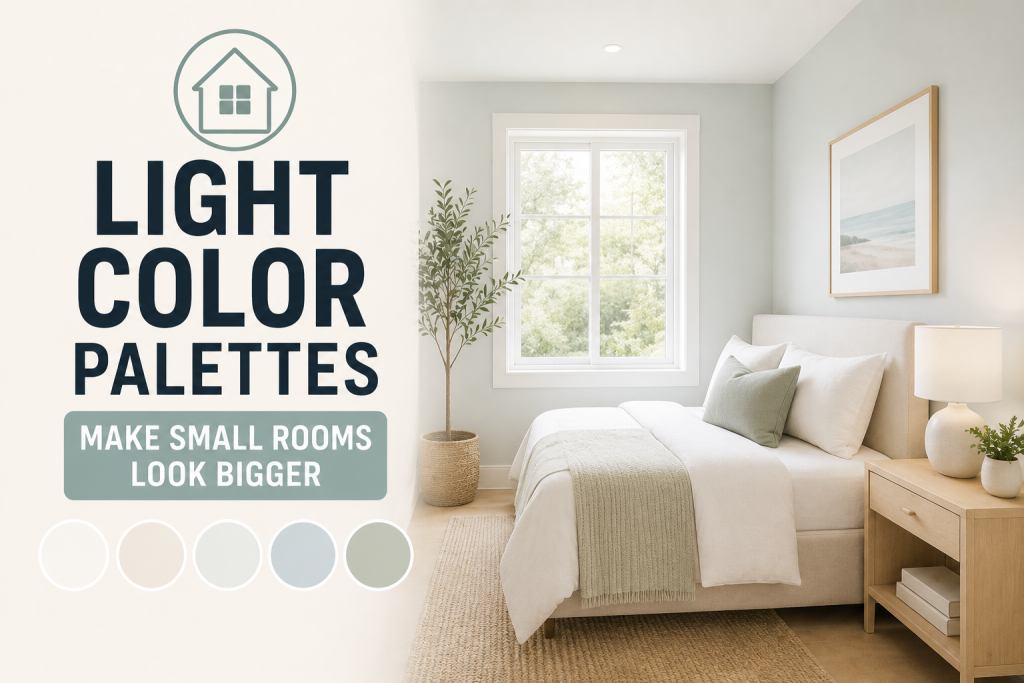
When it comes to the best color palettes for small rooms, light tones consistently deliver the strongest visual expansion effect. These shades work by reflecting more natural and artificial light, which helps reduce shadows and creates the illusion of a larger, more open space. Popular light paint colors for small spaces include warm whites, soft ivory, pale gray, and light greige. These tones are widely used in US apartments and compact homes because they provide a clean backdrop without feeling sterile. Paint brands like Sherwin-Williams and Benjamin Moore often recommend these shades for maximizing brightness in rooms with limited square footage.
Another effective approach is using tonal layering—pairing slightly different light shades on walls, trim, and ceilings to add subtle depth without breaking visual flow. This technique enhances openness while maintaining a cohesive design. Light palettes are especially effective in bedrooms, small living rooms, and home offices where natural light is limited.
Neutral Paint Colors for Small Rooms
Neutral tones are a core part of the best color palettes for small rooms because they create balance, softness, and visual continuity without overwhelming limited space. Unlike stark whites or bold hues, neutrals offer warmth while still supporting an open, uncluttered feel. Popular neutral paint for small rooms includes shades like greige, warm beige, soft taupe, and muted off-whites. These colors are especially effective in US homes where natural light varies throughout the day, as they adapt well to both warm and cool lighting conditions.
Neutrals also work well as a foundation for layered interiors. They allow furniture, decor, and accent pieces to stand out without creating visual competition, which is especially important in compact layouts. Paint manufacturers such as Sherwin-Williams and Benjamin Moore frequently highlight neutral palettes in their collections because they consistently deliver timeless appeal and strong resale value, making them a practical choice for small space design.
Cozy Small Room Color Ideas
While light tones help expand space, cozy palettes add warmth and personality, making them an important part of the best color palettes for small rooms strategy. The goal is to create comfort without making the space feel visually heavy or enclosed. Soft earthy tones such as muted terracotta, warm clay, dusty rose, and gentle olive green can add depth while still maintaining balance in compact rooms. These cozy room color ideas are especially popular in bedrooms, reading nooks, and small living areas where comfort is a priority.
To prevent darker cozy shades from shrinking the space visually, they are often paired with lighter trim, ceilings, or accent walls. This contrast helps preserve openness while still adding character. In many US homes, designers blend cozy tones with natural textures like wood, linen, and woven materials. This combination enhances warmth and creates a layered, inviting feel without sacrificing the sense of space.
Cozy Small Room Color Ideas
While light tones help expand space, cozy palettes add warmth and personality, making them an important part of the best color palettes for small rooms strategy. The goal is to create comfort without making the space feel visually heavy or enclosed. Soft earthy tones such as muted terracotta, warm clay, dusty rose, and gentle olive green can add depth while still maintaining balance in compact rooms. These cozy room color ideas are especially popular in bedrooms, reading nooks, and small living areas where comfort is a priority.
To prevent darker cozy shades from shrinking the space visually, they are often paired with lighter trim, ceilings, or accent walls. This contrast helps preserve openness while still adding character. In many US homes, designers blend cozy tones with natural textures like wood, linen, and woven materials. This combination enhances warmth and creates a layered, inviting feel without sacrificing the sense of space.
Modern Small Room Color Trends
Modern design trends are reshaping the best color palettes for small rooms by focusing on simplicity, softness, and intentional contrast. Instead of bold or overly saturated colors, today’s interiors favor muted tones that enhance openness while still feeling stylish and current. Popular modern small room colors include soft sage green, warm off-white, muted blue-gray, and earthy beige. These shades work well in compact US homes because they reflect light while still adding subtle personality to the space. Many homeowners also prefer monochromatic palettes, where different tones of the same color are layered to create depth without visual clutter.
Paint brands like Sherwin-Williams and Benjamin Moore have heavily influenced these trends by promoting curated collections designed specifically for smaller living spaces. These palettes are often inspired by natural elements, helping interiors feel calm and balanced. Modern small room design focuses on restraint—using fewer colors, softer contrasts, and cohesive flow to make limited square footage feel more intentional and open.
Space-Enhancing Color Psychology Explained
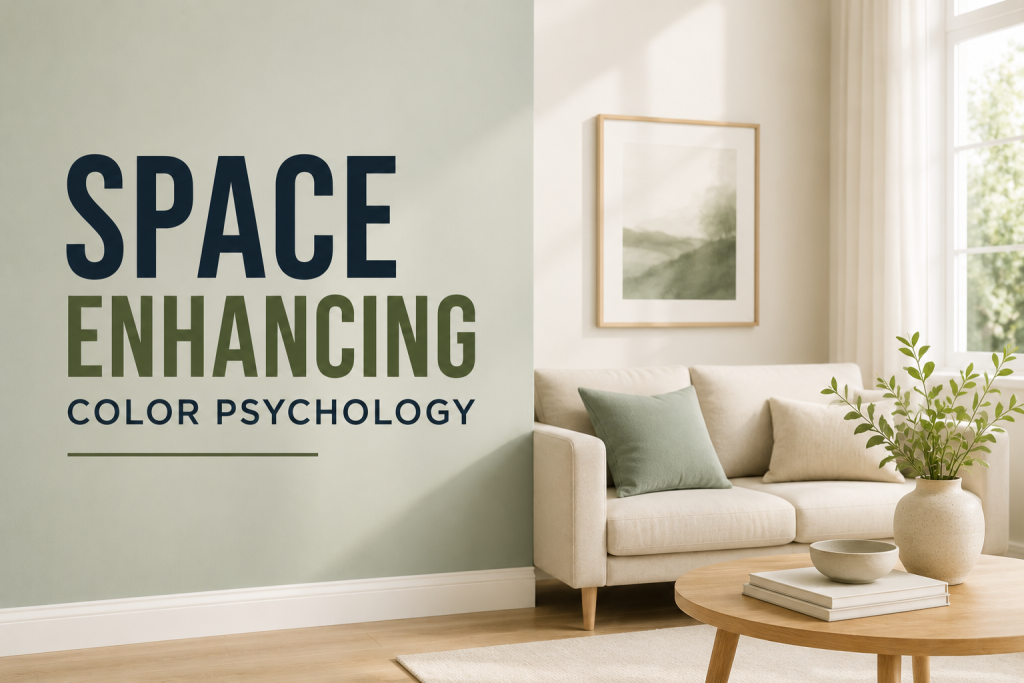
Understanding color psychology is key when selecting the best color palettes for small rooms, because paint doesn’t just change appearance—it changes perception. Certain tones can make walls feel farther apart, while others can visually compress a space. Light and cool-toned space-enhancing colors such as soft blues, pale greens, and muted grays tend to recede visually, creating the illusion of depth. This makes them ideal for compact bedrooms, hallways, and apartments where maximizing openness is a priority.
Warm neutrals like beige and greige also work well because they reflect light evenly while maintaining a cozy atmosphere. This balance is especially useful in US homes where natural lighting conditions vary across seasons and regions. On the other hand, high-contrast or overly dark colors can draw walls inward, making rooms feel smaller unless balanced with strong lighting or lighter accents. Designers often use this knowledge to strategically layer tones and improve spatial flow in small interiors.
Best Color Palettes by Room Type
Choosing the best color palettes for small rooms becomes even more effective when tailored to specific room functions. Different spaces require different visual and emotional effects, especially in compact US homes where every square foot matters. For small bedrooms, soft and calming small room paint colors like warm whites, muted blues, and gentle sage greens help create a restful environment while keeping the space open. In small living rooms, light neutrals combined with subtle accent tones work well to maintain brightness without feeling flat.
Home offices benefit from slightly cooler tones such as pale gray or soft blue-gray, which support focus while still enhancing openness. For bathrooms, crisp whites and light beige tones are commonly used because they reflect light and make tight spaces feel cleaner and larger. By aligning light paint colors for small spaces with room purpose, homeowners can achieve both functionality and visual balance in compact interiors.
Common Small Room Painting Mistakes to Avoid
Even when using the best color palettes for small rooms, simple painting mistakes can undo the benefits of a well-chosen design. One of the most common issues is selecting colors that are too dark or saturated for the space, which can make compact rooms feel even smaller and more enclosed. Another frequent mistake is ignoring lighting conditions. The same small room paint colors can look completely different under natural daylight versus warm artificial lighting. Without testing samples on multiple walls, homeowners often end up with unexpected results after painting.
Skipping trim and ceiling coordination is another problem. In small spaces, inconsistent light paint colors for small spaces between walls, ceilings, and trim can break visual flow and reduce the sense of openness. Finally, using too many competing colors or accent walls can create visual clutter. In compact US homes and apartments, simplicity is key to maintaining a clean, spacious feel.
Conclusion
Choosing the best color palettes for small rooms is one of the most effective ways to enhance space perception without changing the physical layout of a home. Light, neutral, and carefully balanced tones can make compact rooms feel larger, brighter, and more comfortable. By understanding how small room paint colors interact with lighting, layout, and decor, homeowners can create interiors that feel intentional and visually open. Whether using modern neutrals or soft cozy tones, the right palette improves both aesthetics and functionality in small spaces.
FAQs
What are the best color palettes for small rooms?
The best color palettes for small rooms typically include light neutrals, soft whites, greige tones, and muted pastels that reflect light and create a more open feel.
What small room paint colors make a room look bigger?
Light and cool-toned small room paint colors such as soft gray, pale blue, and warm white help visually expand space by increasing light reflection.
Are dark colors bad for small rooms?
Not always. While dark shades can make a room feel smaller, they can work when balanced with strong lighting and lighter accents in a controlled design approach.
What are the most popular modern small room colors?
Popular modern small room colors include muted sage green, warm off-white, soft beige, and light blue-gray tones commonly used in US homes.