


Best Tools for Floor Maintenance (2026 US Homeowner Guide)
Choosing the right floor maintenance tools plays a major role in keeping US homes clean, protected, and visually appealing. Floors are one of the most frequently used surfaces in any household, and without the proper tools, even regular cleaning can lead to damage or incomplete results. Different flooring materials, hardwood, tile, vinyl, laminate, and carpet, require different cleaning approaches. Using the wrong equipment can cause scratches, moisture damage, or reduced lifespan, while the right tools improve efficiency and long-term durability.
Modern residential floor cleaning equipment is designed to handle specific tasks such as deep cleaning, dust removal, stain lifting, and polishing. From vacuums for hard floors to microfiber mops and scrubbers, each tool serves a unique purpose in a complete maintenance system. Understanding how each tool works and where it should be used helps homeowners build a safer, more effective floor care routine that protects both appearance and long-term value.
Hardwood Floor Mop Essentials
A well-chosen hardwood floor mop is one of the most important floor maintenance tools for US homeowners who want to protect and preserve wood flooring. Hardwood is sensitive to excess water and abrasive cleaning, so selecting the right mop directly impacts both appearance and lifespan. The best hardwood mops are typically microfiber-based, designed to trap dust, dirt, and fine particles without scratching the surface. Unlike traditional string mops, microfiber options use minimal moisture, which helps prevent warping, swelling, or finish damage. This makes them ideal for routine residential floor cleaning equipment setups focused on safe maintenance.
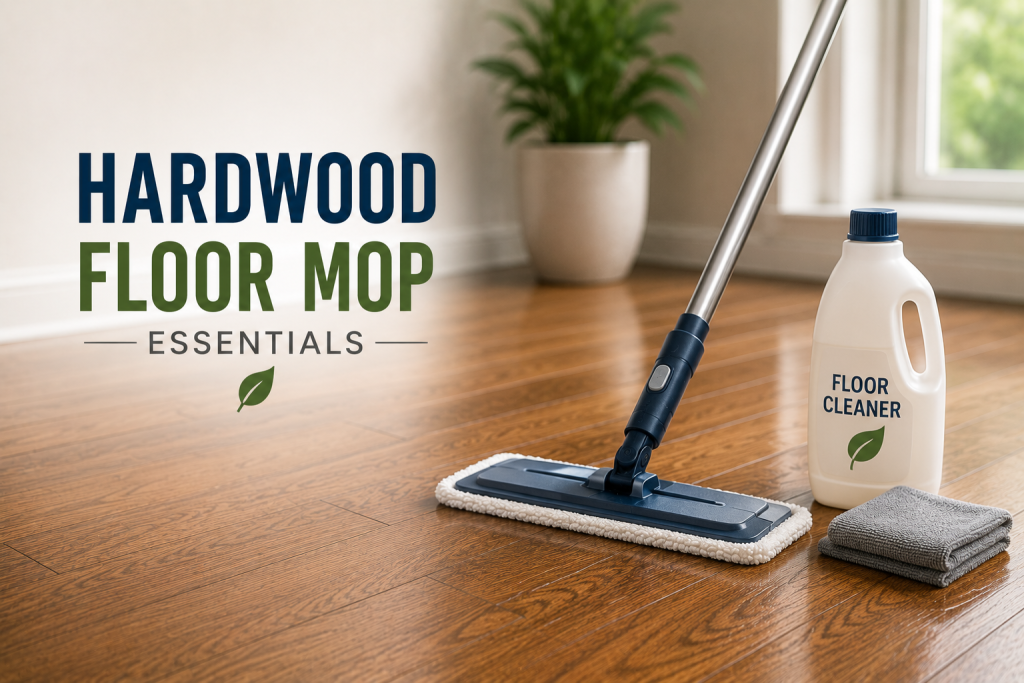
Many modern hardwood mops also feature adjustable heads and reusable pads, allowing homeowners to clean under furniture and in tight spaces more effectively. When paired with the right cleaning solution, they help maintain shine while protecting the floor’s protective finish. Consistent use of a proper hardwood mop reduces long-term wear and supports overall flooring durability in busy household environments.
Tile Floor Cleaning Tools Explained
When it comes to tile floor cleaning tools, homeowners have more flexibility than with hardwood or laminate because tile is highly durable and moisture-resistant. However, choosing the right floor maintenance tools still matters because grout lines and surface texture require targeted cleaning to stay in good condition. Basic tile maintenance usually involves microfiber mops, soft-bristle brushes, and spray mops designed to lift dirt without scratching the glaze. These tools are effective for everyday cleaning and help prevent buildup in high-traffic areas like kitchens, bathrooms, and entryways.
For deeper cleaning, grout brushes and scrubbing pads are essential. They allow homeowners to remove embedded dirt and stains from grout lines, which are often the most vulnerable part of tile flooring. In some cases, steam-compatible tools can also be used for deeper sanitation, depending on tile type and manufacturer guidelines. A well-rounded tile cleaning toolkit improves hygiene, preserves appearance, and reduces long-term maintenance issues.
Vacuum for Hard Floors – What to Look For
A vacuum for hard floors is one of the most essential floor maintenance tools for modern US homes, especially those with a mix of hardwood, vinyl, laminate, or tile surfaces. Unlike standard carpet vacuums, hard-floor vacuums are designed to remove dust and debris without scratching or dulling smooth surfaces. The most important feature to look for is a soft roller or brush system. These components lift fine particles while protecting delicate finishes, making them ideal for everyday residential floor cleaning equipment use. Strong suction control is also important, allowing homeowners to adjust power based on flooring type and debris level.
Many modern vacuums include HEPA filtration, which helps trap allergens and improve indoor air quality, an important consideration in busy households. Lightweight designs and swivel heads also make it easier to clean under furniture and in tight spaces. Choosing the right vacuum improves cleaning efficiency while reducing long-term wear on flooring surfaces.
Steam Mop for Floors – Pros and Risks
A steam mop for floors is a popular addition to modern floor maintenance tools because it offers deep cleaning power using only heated water. The high-temperature steam helps break down grease, sanitize surfaces, and loosen embedded dirt without relying heavily on chemical cleaners. One of the biggest advantages of steam mops is their effectiveness on sealed hard surfaces like tile and some vinyl floors. They can deliver a streak-free clean and are especially useful in kitchens and bathrooms where hygiene is a priority. This makes them a strong option within residential floor cleaning equipment for periodic deep cleaning.
However, steam mops also come with risks. Excess moisture and heat can damage sensitive flooring such as hardwood, laminate, or poorly sealed surfaces. Prolonged use may lead to warping, adhesive weakening, or finish deterioration. Because of these limitations, steam mops should be used selectively and only on flooring types that are explicitly approved for steam cleaning.
Floor Scrubbers for Deep Cleaning
Floor scrubbers are powerful floor maintenance tools designed for deep cleaning tasks that go beyond routine sweeping or mopping. In US homes with high-traffic areas, pets, or heavy dirt buildup, scrubbers can significantly improve cleaning efficiency and restore flooring surfaces. Unlike standard mops, floor scrubbers use rotating or oscillating pads combined with water or cleaning solution to lift stubborn dirt, stains, and grime. This makes them especially effective for tile floors, textured vinyl, and heavily soiled entryways where basic tools fall short.
As part of residential floor cleaning equipment, scrubbers are often used for periodic deep cleaning rather than daily maintenance. They help restore surface appearance and improve hygiene by reaching into grooves and textured flooring areas. However, they should be used carefully on delicate surfaces like hardwood or laminate, where excessive abrasion or moisture could cause damage. Choosing the right pad type and cleaning intensity is key to safe and effective use.
Microfiber Floor Mops vs Traditional Mops
When comparing microfiber floor mops with traditional string mops, the difference in performance, safety, and efficiency is significant, especially for modern US homes focused on long-term surface protection. Among today’s floor maintenance tools, microfiber options have become the preferred choice for most flooring types. Microfiber mops work by using ultra-fine fibers that trap dust, dirt, and bacteria instead of simply pushing debris around. They require less water, which reduces the risk of moisture damage on hardwood, laminate, and other sensitive surfaces. This makes them a key part of modern residential floor cleaning equipment systems.
Traditional mops, on the other hand, often hold more water and can leave excess moisture behind. While they can be effective for basic cleaning, they are less controlled and may contribute to streaking, residue buildup, or even floor damage if not wrung out properly. Overall, microfiber mops offer better cleaning efficiency, faster drying times, and improved floor safety.
Residential Floor Cleaning Equipment Setup
A well-planned residential floor cleaning equipment setup helps homeowners clean more efficiently while protecting different flooring types from unnecessary wear. Instead of relying on a single tool, an effective system combines multiple floor maintenance tools designed for specific tasks like dusting, deep cleaning, and surface protection. A basic setup typically includes a high-quality vacuum for hard floors, a microfiber mop for daily cleaning, and a specialized mop or scrubber for deeper maintenance. For homes with tile or sealed surfaces, a steam mop may also be included for periodic deep cleaning, while hardwood-focused homes often rely on low-moisture tools to prevent damage.
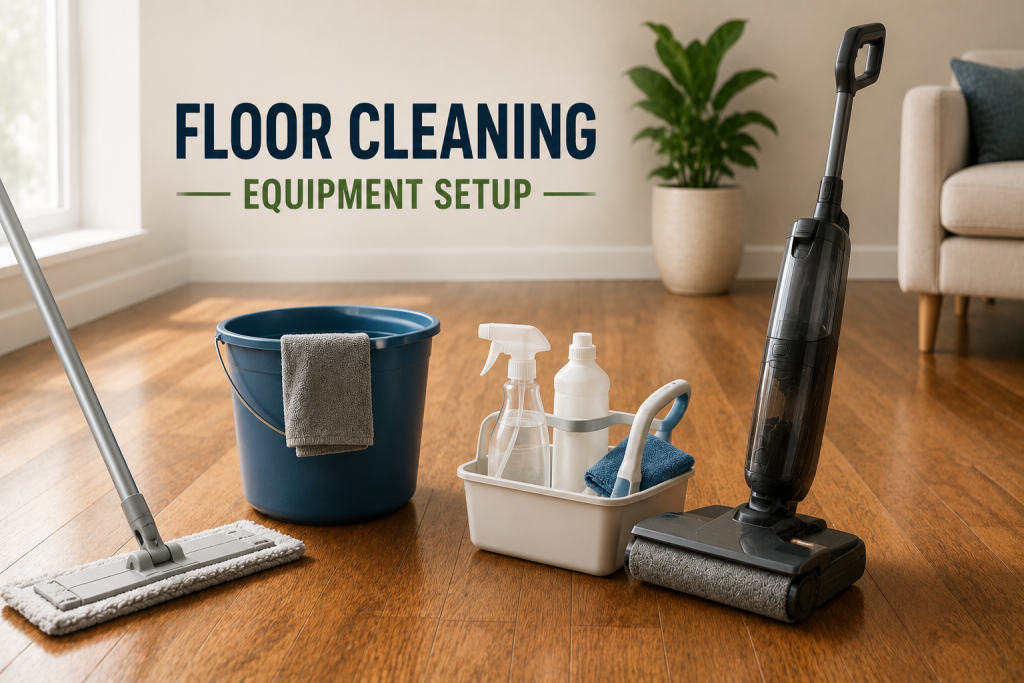
Storage and maintenance of these tools also matter. Clean mop heads, emptied vacuum filters, and properly maintained scrub pads ensure consistent performance and prevent dirt redistribution across floors. By building a complete, organized cleaning system, homeowners can improve efficiency, reduce cleaning time, and extend the lifespan of all flooring surfaces.
Tool Maintenance Mistakes Homeowners Make
Even the best floor maintenance tools lose effectiveness when they are not properly maintained, and many US homeowners unknowingly reduce cleaning performance through simple, avoidable mistakes. Poor tool care can also transfer dirt, damage floors, or shorten equipment lifespan. One common mistake is reusing dirty mop pads or vacuum filters without cleaning them. This can spread grime across floors instead of removing it, reducing the effectiveness of tools like microfiber floor mops and steam-compatible systems. Over time, this also leads to unpleasant odors and reduced hygiene.
Another issue is using the wrong replacement parts or worn-out attachments. For example, a vacuum for hard floors with damaged rollers may scratch delicate surfaces, while hardened scrub pads can damage tile or vinyl finishes. Improper storage is also a problem. Leaving damp mops or dirty tools uncleaned encourages bacteria growth and reduces tool performance. Regular cleaning, proper storage, and timely replacement are essential for maintaining reliable residential floor cleaning equipment and protecting flooring surfaces.
Final Verdict
Building the right system of floor maintenance tools is less about buying the most expensive equipment and more about matching tools to flooring needs and cleaning frequency. In most US homes, the most effective approach is a balanced floor care kit that supports both daily upkeep and periodic deep cleaning. A strong foundation includes a vacuum for hard floors, a microfiber floor mop for routine cleaning, and specialized tools like scrubbers or a steam mop for targeted deep cleaning tasks. Each tool serves a specific role within a complete residential floor cleaning equipment system, helping homeowners avoid overuse of a single method that could damage flooring over time. The key is adaptability. Hardwood requires gentle, low-moisture tools, tile benefits from deeper scrubbing options, and vinyl performs well with versatile, non-abrasive equipment. By selecting tools based on flooring type, homeowners can improve cleaning efficiency while extending floor lifespan. Ultimately, the right kit supports cleaner floors, fewer repairs, and long-term property value protection.
FAQs
What are the most important floor maintenance tools?
The most essential floor maintenance tools include a vacuum for hard floors, microfiber mops, scrub brushes, and steam mops for compatible surfaces.
What is the best hardwood floor mop?
A hardwood floor mop made of microfiber with low-moisture cleaning capability is best for preventing scratches and water damage.
Are steam mops safe for all floors?
No. A steam mop for floors is not suitable for all surfaces, especially unsealed hardwood and laminate, due to heat and moisture risks.
What vacuum works best for hard floors?
A vacuum for hard floors with soft rollers or adjustable suction is ideal to prevent scratching and improve debris pickup.
What are tile floor cleaning tools used for?
Tile floor cleaning tools are used to remove dirt, clean grout lines, and maintain shine without damaging the tile surface.
How often should floor maintenance tools be cleaned?
Tools like microfiber mops and scrub pads should be cleaned after each use to maintain effectiveness and hygiene.
What is included in residential floor cleaning equipment?
Residential floor cleaning equipment includes vacuums, mops, scrubbers, steam cleaners, and specialized attachments for different floor types.