

Best Privacy Fence Materials: Durable & Modern Privacy Solutions
Choosing the right fencing solution is one of the most effective ways to improve privacy, security, and outdoor comfort in a residential property. The selection of best privacy fence materials plays a major role in how well a fence blocks visibility, reduces noise, and enhances overall backyard usability. For many U.S. homeowners, privacy fencing is not just about separation, it’s about creating a usable outdoor space that feels protected from neighbors, street traffic, and external distractions. The most suitable options vary depending on climate conditions, maintenance expectations, and design preferences, making material selection a key decision in any fencing project.
From traditional wood options to modern composite systems, each material offers different benefits in terms of durability, appearance, and long-term value. Understanding these differences helps homeowners choose options that align with both budget and performance goals. In this guide, we will explore the most effective fencing materials used across the United States and break down their strengths for privacy-focused installations.
Best Privacy Fence Materials for U.S. Homes
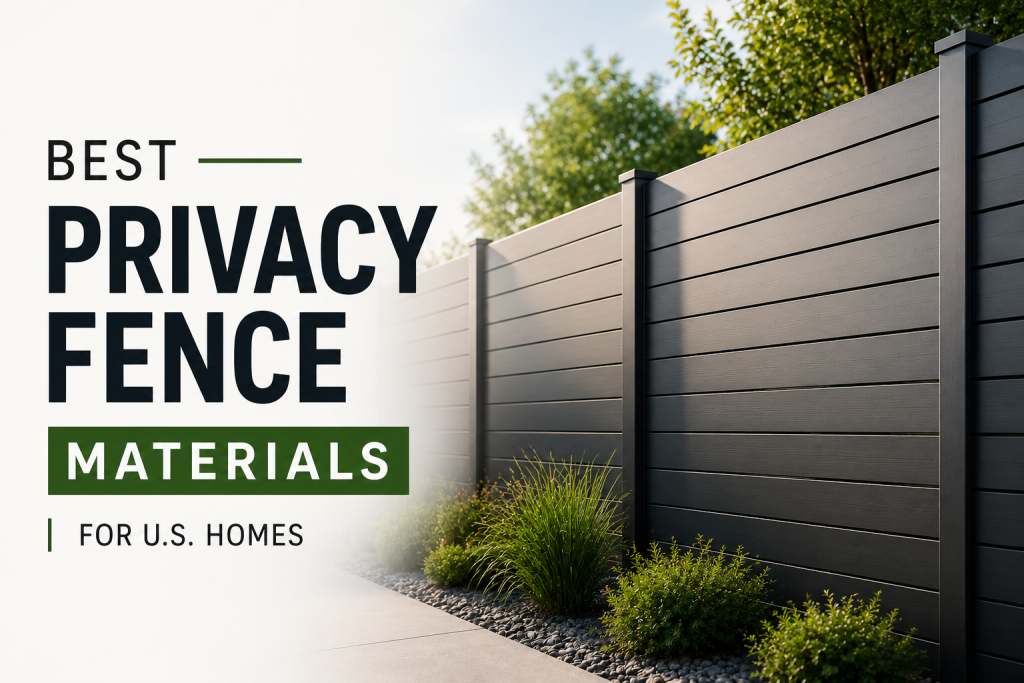
When evaluating best privacy fence materials, homeowners across the United States typically start by comparing traditional and modern fencing systems based on appearance, cost, and long-term performance. The most suitable options are those that provide a strong visual barrier while also holding up well against regional weather conditions such as humidity, heat, and freeze-thaw cycles.
Key Factors for Choosing Materials
The selection of materials depends on several important considerations. Homeowners should evaluate maintenance requirements, expected lifespan, and overall aesthetic compatibility with their property. In suburban neighborhoods, wood privacy fences remain one of the most common choices due to their natural appearance and customizable design options. However, they do require regular staining or sealing to maintain durability over time.
Climate also plays a major role in performance. In wetter regions, moisture resistance becomes a priority, while in hotter climates, UV protection and warping resistance are more important. These factors directly influence how well different fencing materials perform over the long term. Overall, understanding these variables helps homeowners narrow down options and select materials that best fit both functional needs and design preferences.
Best Privacy Fence Materials for Durability and Maintenance
When comparing fencing options, durability and maintenance requirements are two of the most important factors influencing long-term homeowner satisfaction. These materials are not only defined by appearance but also by how well they resist weather damage, pests, and long-term wear.
Climate Impact on Fence Performance
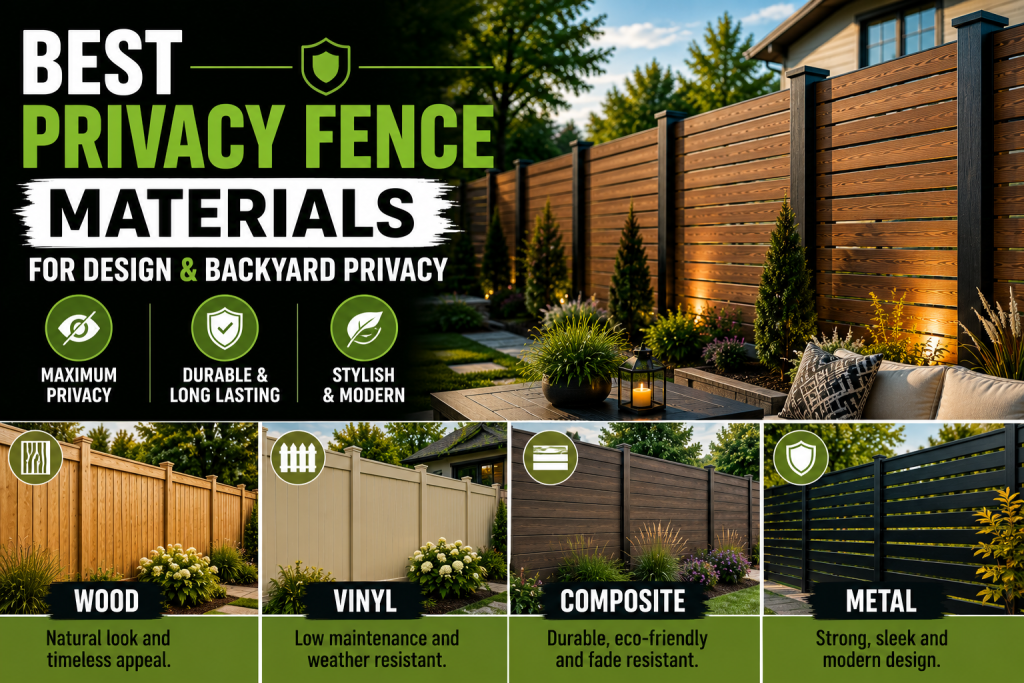
Different materials respond differently to environmental stress. In regions with high humidity or heavy rainfall, untreated wood may require frequent maintenance to prevent rot and warping. This is why many homeowners also consider vinyl privacy fencing, which offers strong resistance to moisture and requires minimal upkeep beyond occasional cleaning.Another popular option is composite fencing, which blends wood fibers and synthetic materials to create a more stable and durable structure. It is often chosen by homeowners looking for a balance between natural appearance and reduced maintenance demands.
From a performance standpoint, the best privacy fence materials are those that maintain structural integrity with minimal repair needs over time. This makes durability a key deciding factor, especially for homeowners in areas with extreme seasonal changes or strong sun exposure.Ultimately, maintenance expectations often determine whether a homeowner chooses traditional materials or more modern fencing alternatives.
Best Privacy Fence Materials for Design and Backyard Privacy
When selecting best privacy fence materials, design and backyard functionality are just as important as durability and maintenance. Homeowners across the U.S. often prioritize fencing solutions that not only block visibility but also enhance the overall outdoor living experience.
Design and Privacy Considerations
Modern fencing choices are increasingly focused on combining aesthetics with functionality. Many homeowners explore tall backyard fences to maximize privacy, especially in densely populated suburban areas where property lines are closer together. Height, panel spacing, and material opacity all contribute to how effective a fence is at creating a private outdoor space. In addition to visual privacy, some homeowners also prioritize sound control. Noise-reducing fences are designed to minimize traffic and neighborhood sound intrusion, making outdoor areas more comfortable and usable.
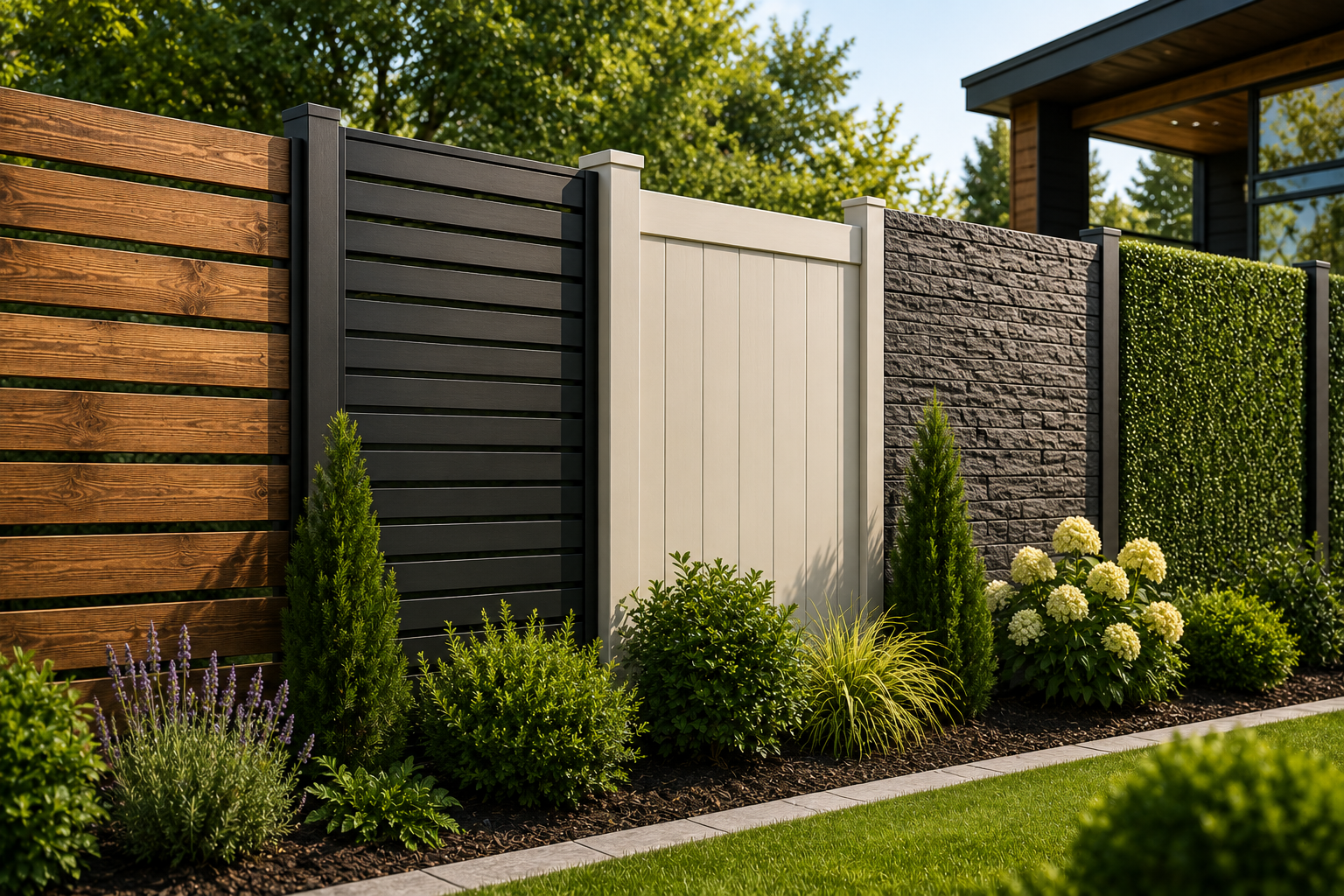
These designs often use dense materials and solid panel construction to improve acoustic performance.Another growing trend includes backyard privacy ideas that integrate fencing with landscaping elements such as hedges, vertical gardens, or decorative screens. This approach allows homeowners to enhance privacy while maintaining a natural and visually appealing yard environment. Overall, the best privacy fence materials are those that balance design flexibility with functional performance, helping homeowners create private, comfortable, and attractive outdoor spaces.
Conclusion
Selecting the best privacy fence materials comes down to balancing durability, maintenance, design, and long-term value. Each material offers distinct advantages depending on the homeowner’s priorities, local climate, and budget considerations. Wood remains a popular choice for its natural appearance and traditional appeal, but it requires consistent upkeep to maintain performance over time. Vinyl provides a low-maintenance alternative that performs well in a variety of weather conditions, while composite options offer a blend of durability and modern design flexibility.
Ultimately, the most suitable options are those that align with both functional needs and aesthetic preferences. Homeowners should consider how much maintenance they are willing to manage, how long they plan to stay in the home, and how important privacy and noise reduction are for their outdoor space. By carefully evaluating these factors, homeowners can confidently choose a fencing solution that enhances privacy, improves curb appeal, and adds long-term value to their property.
Frequently Asked Questions
What are the best privacy fence materials?
The best privacy fence materials depend on priorities such as budget, maintenance, and design preferences. Wood offers a natural look, vinyl provides low maintenance, and composite delivers a balanced combination of durability and style.
Which fence material lasts the longest?
Vinyl and composite fences generally last longer than wood because they resist moisture, insects, and warping. Options designed for longevity are typically those engineered for weather resistance and minimal upkeep.
What is the most low-maintenance fencing option?
Vinyl is considered one of the most low-maintenance options. It only requires occasional cleaning and does not need painting or sealing like wood.
Are wood fences good for privacy?
Yes, wood privacy fences are widely used in residential areas because they provide strong visual coverage and a natural aesthetic. However, they require regular maintenance to prevent weather damage.
What are the most durable fence materials?
Durable fence materials include vinyl, composite, and high-quality treated wood. Each performs differently depending on climate conditions and installation quality.
What is the benefit of composite fencing?
Composite fencing combines wood fibers and recycled materials, offering a strong, weather-resistant option that requires less maintenance than traditional wood fencing
How can homeowners improve backyard privacy?
Homeowners often combine fencing with landscaping, screens, and vertical plantings. These backyard privacy ideas help enhance seclusion while improving curb appeal.