


Best Roof Colors: How to Choose the Right Shade for Your Home
Choosing the right roof color is one of the most important exterior design decisions homeowners make. A roof can account for up to 40% of a home’s visible exterior, making its color a major factor in curb appeal, resale value, and overall appearance. The best roof colors not only complement your home’s architecture but also work well with local climate conditions and neighborhood aesthetics. Whether you’re installing asphalt shingle colors on a suburban home in Illinois or comparing roofing options for a modern property in Arizona, selecting the right shade requires more than personal preference.
Factors such as sunlight exposure, exterior materials, maintenance requirements, and long-term design trends should all influence your decision. In this guide, we’ll explore the best roof colors for different home styles, climates, and exterior finishes so you can make a confident investment that enhances both beauty and performance.
Why Choosing the Best Roof Colors Matters
Selecting the best roof colors goes beyond aesthetics. The color of your roof can influence how buyers perceive your home, affect energy consumption, and determine how well the property fits within its surrounding neighborhood. A well-chosen roof creates visual balance between siding, trim, windows, and landscaping, helping homeowners maximize the value of exterior renovations.

In many U.S. markets, roofing upgrades are among the most valuable home improvement projects because they directly impact first impressions. The right color can make a house appear larger, more modern, or more inviting. It can also help homeowners avoid costly design mismatches that may reduce curb appeal over time.
Impact on Curb Appeal and Resale Value
Roof color plays a major role in buyer perception. Homes with coordinated exterior home color combinations often appear more polished and well-maintained, which can positively influence resale value. Neutral shades such as charcoal, gray, and weathered wood remain popular because they pair well with a wide range of architectural styles.
A roof that complements siding, brick, or stone features creates a cohesive appearance that attracts attention for the right reasons. This is especially important in competitive housing markets where curb appeal can significantly affect buyer interest.
How Roof Color Influences Home Energy Efficiency
Color also affects how much heat a roof absorbs throughout the year. Lighter roofing shades reflect more sunlight, while darker colors tend to retain heat. For homeowners in states such as Florida, Texas, and Arizona, selecting energy-efficient roof colors may help reduce cooling demands during hot summer months.
In colder regions like Colorado or Illinois, darker roofs can contribute to heat absorption during winter. However, insulation quality, ventilation, and roofing material often have a greater impact on energy performance than color alone. The goal is to balance appearance, climate suitability, and long-term efficiency when evaluating roofing options.
Best Roof Colors for Different Home Styles
The best roof colors often depend on your home’s architectural style. A shade that looks perfect on a modern home may appear out of place on a traditional Colonial or Craftsman property. Matching roof color to design style helps create a balanced exterior while improving long-term visual appeal.
Homeowners should also consider regional preferences, HOA guidelines, and surrounding properties when making a final selection. While personal taste matters, choosing colors that complement the home’s overall design usually delivers the strongest results.
Traditional and Colonial Homes
Traditional and Colonial-style homes typically look best with classic roofing shades such as charcoal, slate gray, black, and weathered wood. These timeless options pair well with brick facades, white trim, and symmetrical architectural details commonly found throughout the Northeast and Midwest. Many homeowners seeking roof color ideas choose neutral shades because they remain attractive for decades and appeal to future buyers.
Modern and Contemporary Homes
Modern homes often feature clean lines, large windows, and minimalist design elements. Dark gray, matte black, and bold charcoal roofing products complement these architectural features while creating dramatic contrast.
Many contemporary homeowners are also exploring metal roof colors that provide a sleek appearance and excellent durability. Standing seam metal roofs in black, bronze, or dark gray continue to gain popularity in states such as Texas, Colorado, and Arizona.
Farmhouse and Craftsman Designs
Farmhouse and Craftsman homes benefit from warm, natural-looking roofing tones. Brown, weathered wood, and muted gray shades pair well with fiber cement siding, stone accents, and natural wood elements.
The goal is to create a welcoming exterior that feels authentic to the home’s character. Roofing colors inspired by natural materials often help these styles maintain their timeless appeal while supporting strong resale value.
Best Roof Colors Based on Exterior Materials
When evaluating the best roof colors, your home’s exterior materials should be one of the first considerations. Siding, brick, stone, trim, and architectural accents all contribute to the overall appearance of the property. A roof that complements these elements creates a more cohesive and visually appealing design.
Rather than choosing a color in isolation, homeowners should view roofing as part of the entire exterior palette. Coordinating materials can improve aesthetics, increase buyer appeal, and help renovations feel more intentional.
Light-Colored Siding Combinations
Homes with white, beige, cream, or light gray siding typically offer the greatest flexibility when selecting roof colors. Dark gray, charcoal, black, and weathered wood roofing shades create attractive contrast while maintaining a timeless appearance.
Many homeowners focused on curb appeal roofing prefer darker roof colors because they add visual depth and make architectural details stand out. This contrast works especially well on Colonial, Farmhouse, and Craftsman-style homes.
Brick and Stone Exterior Pairings
Brick and stone exteriors often require a more customized approach. Red brick homes usually pair well with charcoal, brown, or black roofs, while lighter stone veneers often work best with gray and slate-inspired shades.
The key is to identify the dominant undertones within the masonry. Warm-toned brick generally looks best with warm roofing colors, while cool-toned stone typically pairs better with gray-based options. Matching undertones helps create a balanced appearance that remains attractive for years to come.
Popular Asphalt Shingle Colors Homeowners Love
Asphalt shingles remain the most common residential roofing material in the United States because they offer an excellent balance of affordability, durability, and design flexibility. Manufacturers such as GAF, Owens Corning, and CertainTeed provide a wide range of color options that work across different architectural styles and climate regions.
Many of today’s popular roof color trends focus on versatile shades that complement both traditional and contemporary homes. Neutral colors continue to dominate because they provide long-term design appeal and broad buyer acceptance.
Charcoal and Weathered Wood
Charcoal remains one of the most requested roofing colors among homeowners. It delivers a clean, sophisticated appearance that pairs well with white siding, brick facades, and modern exterior designs. Weathered wood is another favorite because it blends brown and gray tones, creating a natural look that works with many home styles. Both options offer flexibility and tend to remain visually appealing even as exterior paint colors change over time.
Brown and Earth-Tone Shingles
Brown roofing shades are especially popular on Craftsman, Ranch, and Farmhouse-style homes. These colors create a warm, inviting appearance and coordinate naturally with stone, wood, and earthy exterior finishes.
Earth-tone shingles can also help soften the appearance of larger homes by blending more naturally with surrounding landscaping. For homeowners seeking a timeless roofing investment, brown and weathered earth tones continue to be reliable choices.
Top Metal Roofing Color Choices for Modern Homes
Metal roofing continues to gain popularity among U.S. homeowners because of its durability, energy performance, and modern appearance. Available in a wide variety of finishes, metal roofing can complement everything from contemporary homes to upscale farmhouses. When selecting a color, homeowners should consider architectural style, regional climate, and long-term maintenance requirements.
Many modern roofing systems are designed to resist fading, helping the roof maintain its appearance for decades. This makes color selection even more important, as the chosen shade will likely remain a prominent exterior feature for many years.
Black and Matte Finishes
Black and matte-finish roofs have become a favorite choice for contemporary homes. These darker shades create strong visual contrast against white siding, natural wood accents, and large glass features commonly found in modern architecture. Matte finishes also reduce glare while delivering a clean, sophisticated look. They are especially popular in upscale neighborhoods where homeowners want a bold yet timeless exterior design.
Bronze, Gray, and Standing Seam Options
Bronze and gray roofing systems offer a softer alternative to black while maintaining a modern appearance. Bronze tones pair well with stone veneers and warm exterior palettes, while gray complements a broad range of siding colors.
Standing seam metal roofs in these shades are increasingly common throughout states such as Texas, Colorado, and North Carolina. Their sleek lines and contemporary appearance make them an attractive option for homeowners looking to balance style, durability, and long-term value.
Best Roof Colors for Different Climate Zones
Climate should play a significant role when selecting a roof color. While appearance is important, regional weather conditions can influence how roofing materials perform over time. Homeowners should evaluate local temperatures, sun exposure, humidity levels, and seasonal weather patterns before making a final decision.
The right roofing color can support comfort, complement local architectural trends, and help create a home that feels appropriate for its environment. However, proper insulation and attic ventilation remain equally important for overall energy performance.
Hot Southern States
In warm regions such as Florida, Texas, Arizona, and parts of the Southeast, lighter roofing shades are often preferred because they reflect more sunlight. Light gray, beige, and soft tan roofs can help reduce heat absorption while maintaining an attractive appearance.
These colors also pair well with stucco, fiber cement siding, and modern exterior finishes commonly found in warmer climates. Homeowners in hurricane-prone areas should focus on both color selection and high-performance roofing materials.
Cold Northern Regions
In colder climates such as Illinois, Michigan, Minnesota, and Colorado, darker roofing colors remain a popular choice. Charcoal, black, and deep gray shades can complement traditional architecture while providing a strong visual presence during long winter seasons.
Snow accumulation, freeze-thaw cycles, and seasonal temperature changes often have a greater impact on roof performance than color alone. For most homeowners, choosing a shade that matches the home’s design and regional character will provide the best long-term results.
Mistakes to Avoid When Selecting Roof Colors
Choosing a roof color is a long-term decision that can affect your home’s appearance for decades. Because roof replacements represent a significant investment, homeowners should avoid making choices based solely on short-term preferences or online inspiration photos. Evaluating the home’s architecture, exterior materials, and local environment can help prevent costly mistakes.
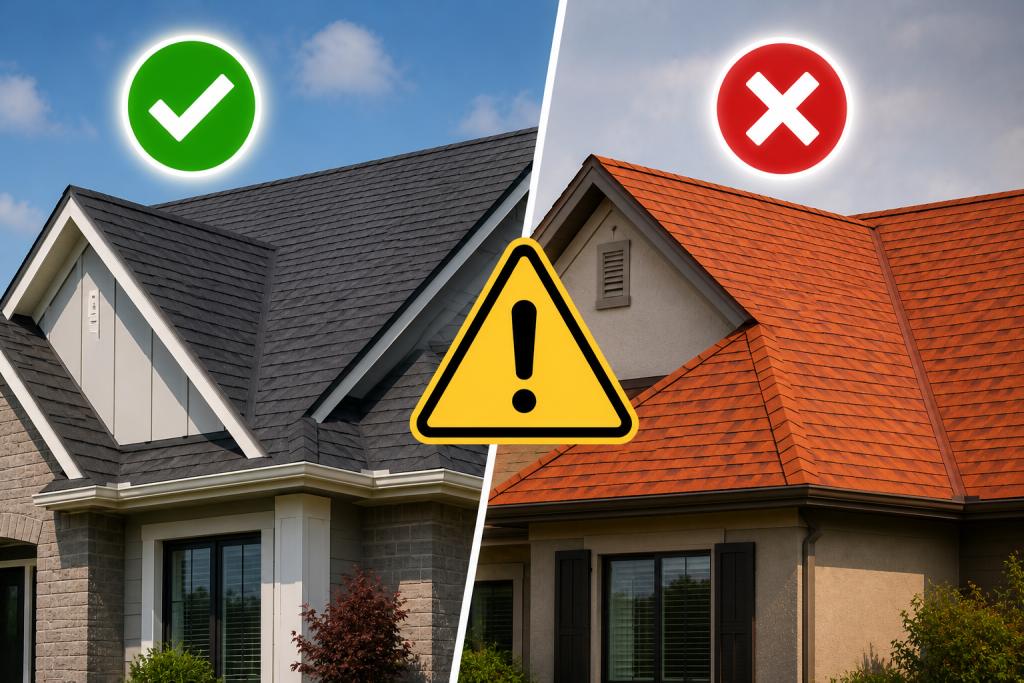
Taking the time to compare samples in natural daylight and reviewing manufacturer color visualizers can also improve decision-making. A thoughtful approach often leads to a more cohesive and attractive exterior.
Ignoring Regional Climate
One of the most common mistakes is selecting a color without considering local weather conditions. Homes in sunny southern states may benefit from lighter roofing shades, while darker colors can be more common in northern regions with colder winters.
Climate should not be the only factor influencing the decision, but it should be part of the evaluation process. Homeowners who balance aesthetics with environmental conditions are more likely to be satisfied with the final result.
Choosing Trends Over Longevity
Design trends change quickly, but roofs often last 20 to 50 years depending on the material. A color that feels fashionable today may look dated years from now. Neutral shades such as charcoal, gray, weathered wood, and muted earth tones continue to perform well because they offer broad appeal and adapt to future exterior updates. Prioritizing timeless design over short-lived trends can help protect both curb appeal and resale value over the long term.
How to Choose the Best Roof Colors for Your Home
Finding the best roof colors for your property requires balancing appearance, performance, and long-term value. Rather than selecting a color based solely on personal preference, homeowners should evaluate how the roof will work with the home’s architecture, exterior materials, neighborhood standards, and regional climate. A practical approach can help prevent costly regrets and ensure the new roof remains attractive for many years.
A Simple Roof Color Selection Checklist
Before making a final decision, consider the following factors:
- Match the roof with siding, brick, stone, and trim colors.
- Review manufacturer color samples in natural daylight.
- Consider local climate and sun exposure.
- Check HOA requirements or neighborhood guidelines.
- Evaluate future resale value and buyer appeal.
- Compare roofing colors against landscaping and surrounding homes.
- Choose a timeless shade if you plan to stay in the home long term.
Homeowners should also ask contractors for physical samples whenever possible. Colors can appear very different on a full roof than they do in brochures or digital renderings. Taking time to compare options carefully will lead to a more confident and successful roofing investment.
Conclusion
The right roof color can dramatically influence your home’s appearance, energy performance, and long-term value. From traditional charcoal shingles to modern metal roofing finishes, the best roof colors are those that complement your home’s architectural style, exterior materials, and local climate conditions. Homeowners should focus on timeless shades that enhance curb appeal while remaining attractive for years to come. Considering factors such as resale value, neighborhood aesthetics, maintenance requirements, and weather exposure can help narrow the selection process.
Whether you’re planning a full roof replacement or building a new home, taking a thoughtful approach to color selection can lead to a more cohesive and visually appealing exterior. By comparing samples carefully and viewing them in natural light, you’ll be better positioned to choose a roofing color that delivers both immediate impact and lasting satisfaction.
Frequently Asked Questions
What is the most popular roof color?
Charcoal gray is widely considered the most popular roof color in the United States. It works well with many home styles, complements a broad range of exterior materials, and offers strong resale appeal.
Do dark roof colors make a house hotter?
Dark roofs absorb more solar heat than lighter-colored roofs. However, attic insulation, ventilation, and roofing material quality often have a greater impact on indoor comfort and energy efficiency than color alone.
What roof color adds the most resale value?
Neutral roofing colors such as charcoal, gray, black, and weathered wood tend to provide the strongest resale value because they appeal to a wide range of homebuyers and coordinate with many exterior designs.
Are black roofs still in style?
Yes. Black roofs remain a popular choice for both traditional and modern homes. They create strong visual contrast and continue to be a preferred option for contemporary exterior designs.
Which roof color hides dirt and stains the best?
Medium-tone colors such as weathered wood, gray blends, and muted brown shades typically conceal dirt, dust, and minor discoloration better than very light or very dark roofing colors.
Should my roof be lighter or darker than my house?
There is no universal rule, but many homeowners choose a roof that provides moderate contrast with the exterior. The goal is to create visual balance rather than having the roof blend completely into the home’s facade.
How do I choose a roof color that matches my siding?
Start by identifying whether your siding has warm or cool undertones. Warm-toned exteriors generally pair best with brown and earth-tone roofs, while cool-toned homes often work well with gray, charcoal, and black roofing shades.