


Best Roofing Materials for Replacement
Replacing a roof is one of the most important investments a homeowner can make. The right roofing material affects everything from curb appeal and resale value to energy bills and long-term maintenance costs. With so many options available, choosing the best roofing materials for replacement can feel overwhelming, especially when different products perform better in different climates and budgets.
Homeowners in Florida often prioritize hurricane resistance, while those in Colorado or Minnesota may focus on snow loads and freeze-thaw durability. Material lifespan, installation costs, local building codes, and insurance considerations should all influence your decision. In this guide, we’ll compare today’s leading roofing options, examine their strengths and limitations, and help you determine which replacement roof makes the most sense for your home, location, and long-term goals.
Why Choosing the Best Roofing Materials for Replacement Matters
A roof does far more than protect your home from rain and wind. The material you choose directly impacts durability, maintenance requirements, energy performance, and even your property’s resale value. That’s why selecting the best roofing materials for replacement requires looking beyond upfront installation costs. Many homeowners focus solely on price, but a lower-cost roof may need replacement much sooner than a premium option. In regions such as Texas, Arizona, and Florida, intense sun exposure and severe weather can accelerate wear on certain roofing products.
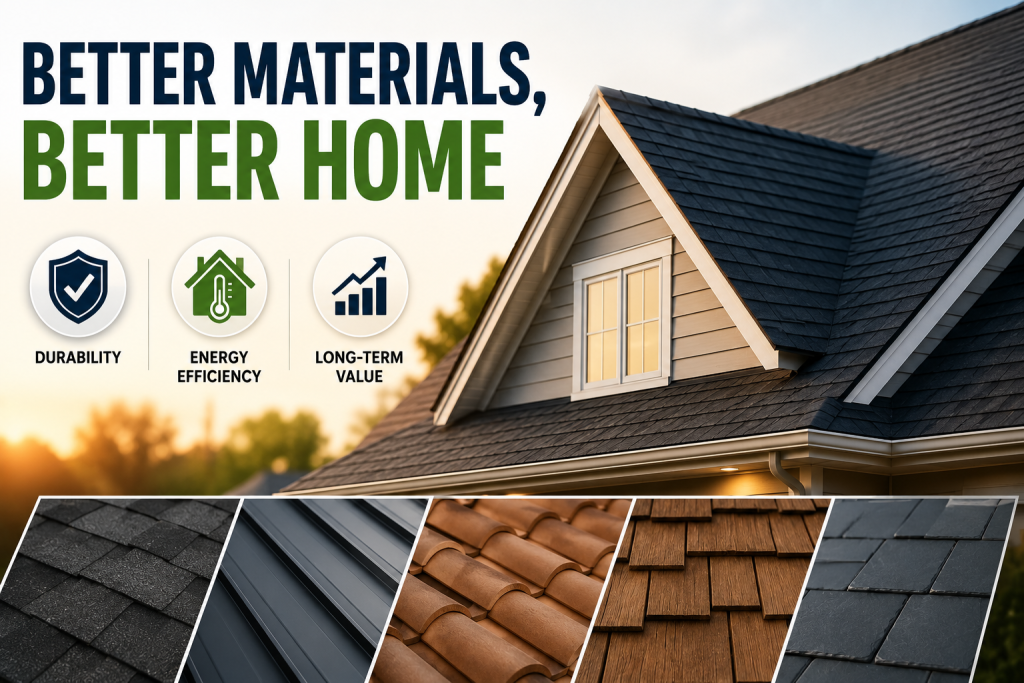
Meanwhile, homes in northern states must withstand snow accumulation, ice dams, and repeated freeze-thaw cycles. The best roofing materials for replacement should match your local climate, budget, and long-term ownership plans. Evaluating lifespan, warranty coverage, maintenance expectations, and performance can help homeowners make a more informed investment decision.
Best Roofing Materials for Replacement: Top Options Compared
When evaluating the best roofing materials for replacement, homeowners should compare lifespan, maintenance needs, weather resistance, and overall return on investment. While no single roofing product is ideal for every property, certain materials consistently perform well across a wide range of climates and home styles. Among the most popular choices, asphalt shingles remain the leading option due to their affordability, widespread availability, and ease of installation. Other premium materials offer longer service lives and enhanced durability but often come with higher upfront costs.
Before making a final decision, consider factors such as your local weather conditions, homeowner association requirements, insurance considerations, and future resale plans. The best roofing materials for replacement are those that balance performance, appearance, and long-term value while meeting the specific needs of your home and region.
Metal Roofing
For homeowners seeking exceptional durability and modern curb appeal, metal roofing replacement is often one of the strongest options available. Metal roofs are designed to withstand harsh weather conditions, including heavy rain, strong winds, hail, and prolonged sun exposure. Depending on the material and installation quality, many systems can last 40 to 70 years.
Metal roofing is particularly popular in states such as Texas, Arizona, and Florida, where heat resistance and storm performance are major priorities. Reflective coatings can help reduce attic heat buildup, potentially lowering cooling costs during hot summer months. The primary drawback is the higher upfront investment compared to traditional roofing products. However, many homeowners find that the extended lifespan, reduced maintenance requirements, and strong resale appeal justify the additional cost over time.
Slate Roofing
Homeowners looking for a premium roofing solution often consider slate roofing because of its unmatched appearance and exceptional longevity. Natural slate has been used on residential properties for centuries and can remain functional for 75 to 100 years or more when properly installed and maintained. This material offers outstanding resistance to fire, moisture, and severe weather, making it an attractive option for upscale homes in regions that experience varying seasonal conditions. Its natural stone appearance also adds significant architectural character and can enhance property value.
However, slate is one of the heaviest roofing materials on the market. Many homes require additional structural support before installation, which can increase project costs. While the initial investment is substantial, homeowners planning to stay in their homes long term may view slate as a worthwhile investment due to its durability and timeless curb appeal.
Tile Roofing
Among premium residential roofing options, tile roofing materials are highly regarded for their durability, distinctive appearance, and ability to perform well in hot climates. Clay and concrete tiles are especially popular in states such as Florida, Arizona, Nevada, and parts of California, where prolonged sun exposure can accelerate wear on other roofing products.
Tile roofs offer excellent resistance to fire, insects, and moisture while maintaining their appearance for decades. Many systems can last 50 years or longer when installed correctly. Their natural thermal properties may also help reduce heat transfer into the home, improving indoor comfort during warmer months. The biggest consideration is weight. Similar to slate, tile roofing may require structural reinforcement before installation. Homeowners should also expect higher installation costs, but the combination of longevity, aesthetics, and weather resistance often makes tile an attractive long-term investment.
How to Choose the Best Roofing Materials for Replacement Based on Climate
Climate is one of the most important factors when selecting the best roofing materials for replacement. A roofing system that performs exceptionally well in a dry desert environment may not deliver the same results in a humid coastal region or an area with heavy snowfall. Homeowners in Florida and along the Gulf Coast often prioritize wind resistance and impact protection because of hurricane risks. In northern states such as Minnesota and Michigan, roofs must withstand snow accumulation, ice dams, and repeated freeze-thaw cycles.
Meanwhile, homeowners in Arizona and Nevada typically focus on heat resistance and solar reflectivity to reduce cooling demands. Choosing a material suited to local weather conditions can improve roof longevity, reduce maintenance costs, and enhance overall home performance. Climate-specific planning helps ensure that your roof delivers reliable protection for decades.
Comparing Durable Roofing Systems for Long-Term Value
When evaluating roofing investments, homeowners should focus on long-term ownership costs rather than installation expenses alone. Some of the most durable roofing systems require a larger upfront investment but can significantly reduce future repair, maintenance, and replacement costs.
For example, premium roofing options often deliver decades of reliable performance with minimal upkeep. This can be especially valuable for homeowners planning to remain in their property for many years. A longer service life may also improve resale appeal, as prospective buyers often view a newer, high-quality roof as a major advantage. In addition to lifespan, homeowners should consider warranty coverage, weather resistance, and maintenance requirements. Calculating the total cost of ownership over 30 to 50 years provides a clearer picture of value than comparing installation estimates alone, helping homeowners make more financially sound decisions.
Energy-Efficient Roofing Options That Reduce Utility Costs
Rising utility costs have encouraged many homeowners to prioritize energy-efficient roofing when planning a roof replacement project. Modern roofing technologies can help reduce heat absorption, improve indoor comfort, and lower cooling expenses during the hottest months of the year. Reflective roof coatings, cool-roof technologies, and certain metal and tile products are designed to minimize solar heat gain. These features can be particularly beneficial in warm-weather states such as Texas, Florida, Arizona, and Nevada, where air conditioning systems often operate for extended periods.
Homeowners should also look for products that align with recognized efficiency standards and local building requirements. While energy savings vary by region, home design, and insulation levels, choosing a roofing material with strong thermal performance can contribute to lower operating costs and improved comfort throughout the year.
Best Roofing Materials for Replacement by Budget
Budget plays a major role in determining which roofing option makes the most sense for a homeowner. While affordability is important, focusing exclusively on upfront costs can sometimes lead to higher expenses in the future. The best roofing materials for replacement balance installation costs with expected lifespan, maintenance requirements, and overall value.
For budget-conscious homeowners, entry-level roofing products often provide dependable protection at a reasonable price point. Mid-range options typically offer improved durability and weather resistance, making them attractive for long-term ownership. Premium products are generally considered among the most long-lasting roofing materials available and can deliver exceptional performance over several decades. The ideal choice depends on your financial goals, expected time in the home, local climate conditions, and willingness to invest in long-term property value rather than short-term savings.
Common Roof Replacement Mistakes Homeowners Should Avoid
A roof replacement is a significant investment, and avoiding common mistakes can help homeowners maximize the value of their project. One of the biggest errors is choosing a roofing material based solely on price without considering climate suitability, expected lifespan, or maintenance requirements. Another common mistake is hiring contractors without verifying licensing, insurance coverage, references, and warranty details. Poor installation can shorten the life of even the highest-quality roofing products. Homeowners should also review local building codes and homeowner association requirements before selecting a material.
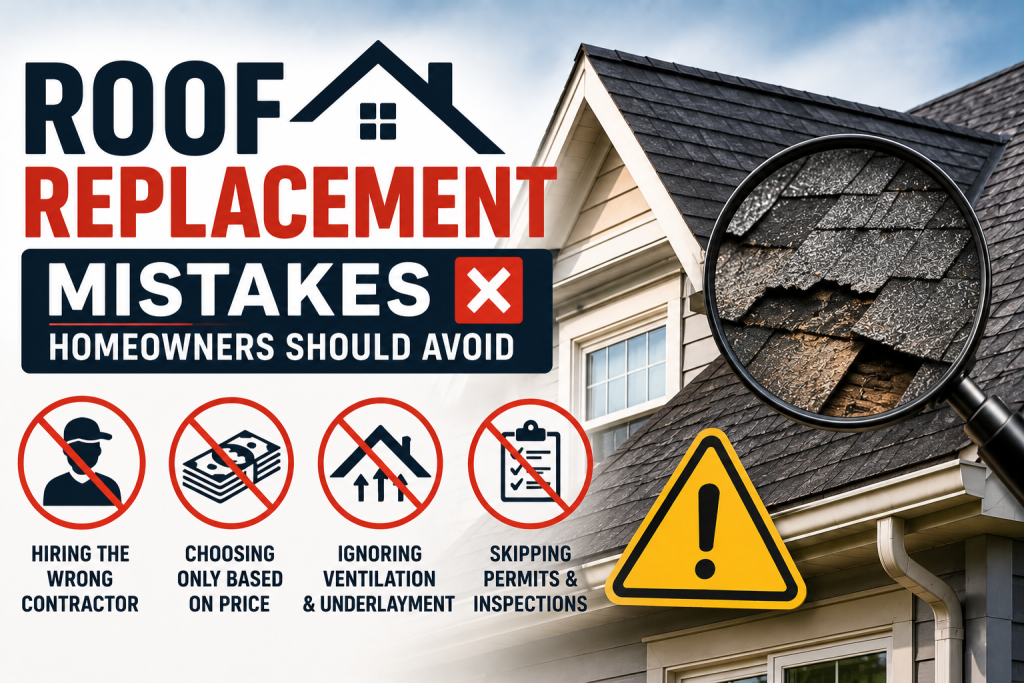
Ignoring attic ventilation is another costly oversight. Inadequate airflow can contribute to moisture problems, reduced energy performance, and premature roof deterioration. Finally, delaying replacement after visible signs of damage can lead to water intrusion, structural issues, and more expensive repairs. Careful planning and professional installation help ensure a successful roofing project.
Final Recommendations
There is no universal roofing solution that works for every homeowner. The best roofing materials for replacement depend on your budget, local climate, long-term ownership plans, and desired level of maintenance. A roof that performs exceptionally well in a hurricane-prone coastal region may not be the most practical choice for a home located in a snow-heavy northern climate. When comparing options, focus on total value rather than installation costs alone. Factors such as durability, weather resistance, warranty coverage, energy performance, and resale appeal should all play a role in your decision. Consulting a qualified roofing professional can also help you identify products that meet local building requirements and environmental conditions. By aligning your roofing choice with your home’s specific needs, you can make a more confident investment that delivers reliable protection and lasting value for years to come.
Frequently Asked Questions
What Are the Best Roofing Materials for Replacement for Long-Term Durability?
The best roofing materials for replacement from a durability standpoint are typically those that can withstand decades of exposure to weather, temperature fluctuations, and environmental stress. Homeowners should evaluate expected lifespan, maintenance requirements, and installation quality when comparing roofing options. In many cases, premium materials offer a longer service life, but the ideal choice depends on local climate conditions and long-term ownership goals. A durable roof can help reduce maintenance expenses while providing consistent protection and improved resale appeal.
How Do I Choose the Best Roofing Materials for Replacement for My Climate?
The best roofing materials for replacement should always match the environmental conditions where your home is located. Homeowners in hurricane-prone areas often prioritize impact and wind resistance, while those in colder regions may focus on snow performance and freeze-thaw durability. Hot and sunny climates frequently benefit from reflective roofing products that help reduce heat absorption. Reviewing local weather patterns, building codes, and insurance requirements can help narrow down the most suitable roofing options.
Is a More Expensive Roofing Material Always Better?
Not necessarily. A higher-priced roofing product may offer a longer lifespan or enhanced performance, but it is not automatically the best choice for every homeowner. The most effective roofing investment is one that aligns with your budget, maintenance expectations, and property goals. Comparing total ownership costs over several decades often provides a better measure of value than focusing solely on installation expenses.
Does a New Roof Increase Home Value?
A roof replacement can improve curb appeal, buyer confidence, and overall marketability. Many prospective buyers view a newer roof as a major benefit because it reduces the likelihood of near-term repair expenses. While the exact return on investment varies by market, a quality roof replacement is often considered one of the more valuable exterior home improvements.