

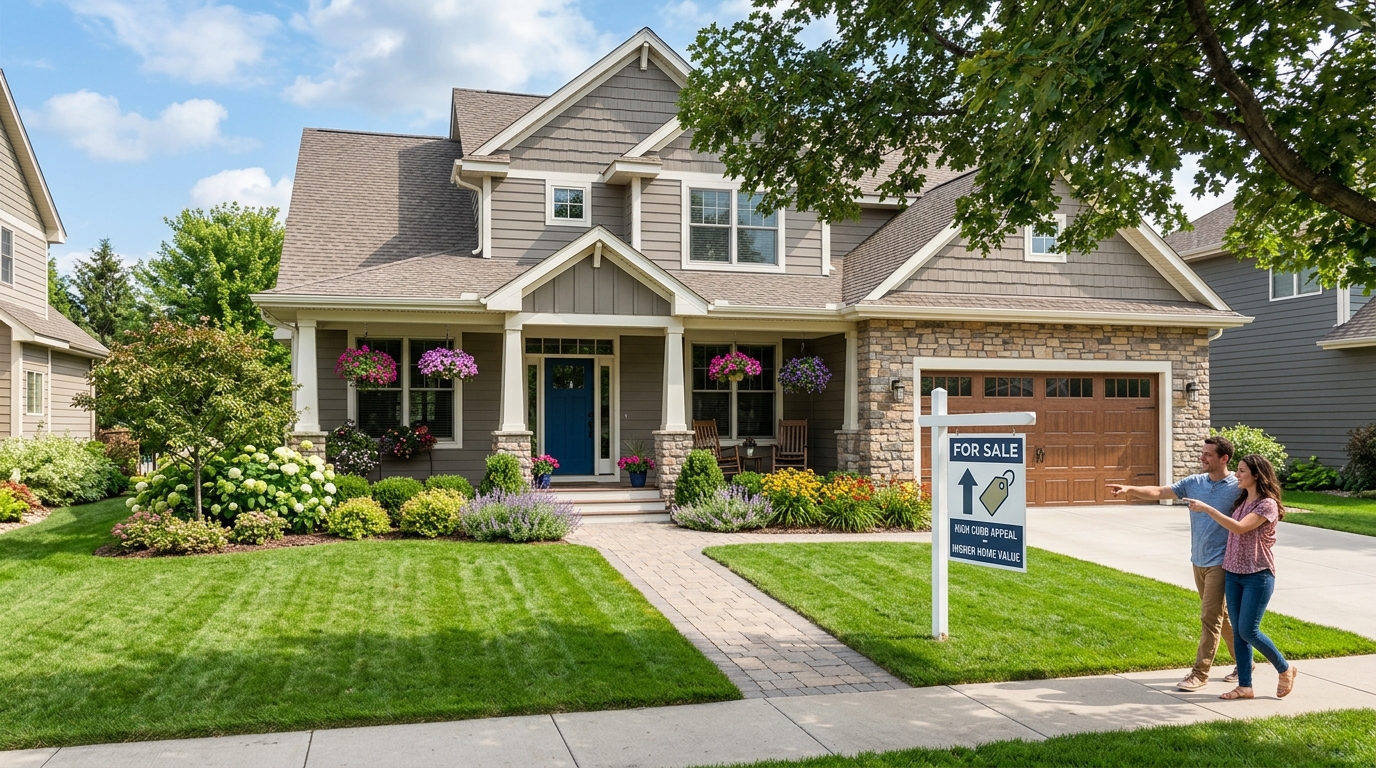
Curb Appeal Home Value: Why First Impressions Drive Real Estate Pricing
The relationship between curb appeal, home value, and resale performance is one of the most important and often underestimated factors in real estate. Before buyers ever step inside a home, they form an opinion based on the exterior presentation, which directly influences perceived value, negotiation behavior, and overall interest. In competitive housing markets like Dallas, Seattle, and Atlanta, real estate agents consistently emphasize that buyers make emotional decisions within seconds of arrival.
This makes exterior presentation a critical driver of how a property is evaluated, even before interior features are considered. According to housing research aligned with NAHB, exterior condition is one of the strongest indicators of perceived maintenance quality. A well-maintained exterior signals lower future risk, which increases buyer confidence and supports stronger offers. This guide explains how curb appeal home value benefits directly influence property performance, which upgrades matter most, and why even small enhancements can significantly impact final sale price.
How Curb Appeal Home Value Directly Impacts Resale Improvements
Strong curb appeal home value performance is driven by psychology as much as it is by physical condition. Buyers typically decide within seconds whether a property feels “well cared for,” and that initial impression strongly influences final pricing expectations and negotiation behavior. In fast-moving housing markets like Phoenix and Charlotte, agents consistently report that homes with strong exterior presentation receive more showing requests and stronger initial offers. This is where resale value improvements begin, before buyers even enter the front door. From a behavioral standpoint, buyers associate exterior condition with overall maintenance. A home with clean siding, fresh paint, and updated landscaping suggests fewer hidden repair costs, which increases perceived value and reduces price resistance. This is why exterior home upgrades often deliver outsized returns compared to their cost.
According to housing finance insights aligned with Fannie Mae, buyer confidence plays a major role in how value is assigned during appraisal and offer stages. Even when interior features are strong, poor exterior presentation can weaken perceived worth. Ultimately, curb appeal benefits are not just visual; they directly influence how buyers interpret risk, value, and desirability. This connection between emotion and valuation is what makes curb appeal one of the most powerful drivers of residential real estate performance.
Landscaping for Home Value: The Fastest Way to Increase Perceived ROI
When evaluating curb appeal home value, few strategies are as immediate and cost-effective as landscaping for home value. Unlike structural renovations, landscaping changes can transform perception in days, not weeks, making them a powerful tool for improving buyer interest before a home ever hits the market. In suburban markets like Raleigh and Denver, real estate professionals consistently emphasize the importance of clean, well-maintained front yards. Fresh sod, trimmed hedges, and defined walkways create a sense of order that strongly influences first impressions of the home and sets expectations for the rest of the property.
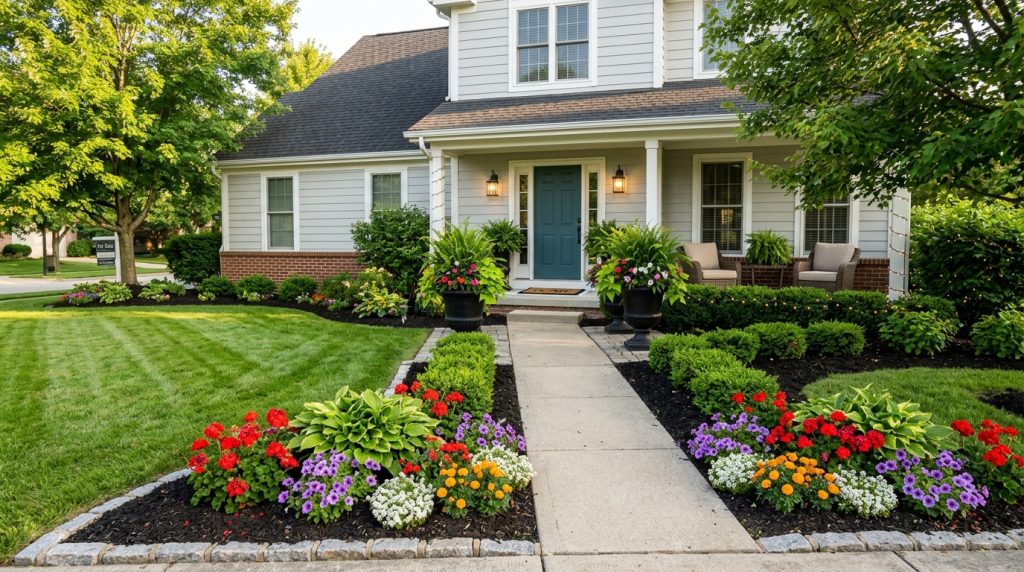
From a perspective focused on exterior presentation, simplicity often delivers the highest return. Overly complex landscaping can increase maintenance concerns for buyers, while clean, structured layouts signal ease of upkeep. Features like mulch refreshes, native plants, and basic landscape lighting often deliver a strong visual impact at relatively low cost. According to broader trends, landscaping plays a key emotional role in shaping buyer perception. While it may not always deliver the highest financial return compared to structural upgrades, it significantly increases interest and improves listing performance. Ultimately, the impact of landscaping comes from speed, visibility, and emotional appeal. It is often the first step in a larger strategy of curb appeal home value growth, especially for homeowners preparing to sell within a short timeline.
Curb Appeal Home Value: Exterior Upgrades That Deliver Strong ROI
While landscaping improves first impressions, exterior home upgrades are what often drive stronger long-term home exterior ROI because they address both aesthetics and structural confidence. Buyers tend to place higher value on improvements that reduce future maintenance concerns and signal overall property quality. In established housing markets like Chicago and Minneapolis, common high-impact upgrades include siding replacement, roof improvements, garage door updates, and front entry enhancements. These projects consistently support curb appeal home value gains because they influence inspection outcomes and buyer negotiation leverage. From a design standpoint, exterior upgrades also create visual consistency. A home with updated siding, modern trim, and a well-maintained roof immediately appears more “move-in ready,” which reduces buyer hesitation and strengthens perceived value.
Organizations such as NAHB consistently highlight exterior renovation projects as key drivers of resale performance, especially when combined with energy-efficient improvements recognized by programs like ENERGY STAR. Compared to purely cosmetic enhancements, structural exterior upgrades typically require higher investment but deliver stronger long-term curb appeal home value returns. They also reduce the risk profile of the home, which directly influences how buyers evaluate pricing during competitive bidding situations. Ultimately, the value of exterior upgrades comes from credibility and confidence; buyers are more willing to pay a premium when a home looks structurally sound, modern, and well-maintained.
First Impression Home Design: Why Buyers Decide in Seconds
First impression home design is one of the most powerful drivers behind curb appeal and curb appeal home value, because buyers form emotional judgments almost immediately when they arrive at a property. Before floor plans, square footage, or interior finishes are even considered, the exterior sets the tone for how the entire home will be evaluated. In competitive real estate markets like Austin and San Diego, agents often emphasize that buyers begin forming opinions within the first 10–15 seconds of arrival. This is where design consistency, cleanliness, and proportion directly influence curb appeal home value outcomes. From a psychological standpoint, humans associate visual order with care and reliability. A home with balanced architecture, clean walkways, and coordinated exterior colors signals lower perceived risk. This perception directly increases willingness to pay, which strengthens overall curb appeal home value outcomes and overall property value performance.
Exterior presentation can dramatically enhance first impressions without major investment. Clean lines, visible maintenance, and updated exterior elements reinforce a sense of quality and care. Compared to interior upgrades, exterior appearance works earlier in the decision process. It determines whether a buyer feels excited to continue exploring or begins mentally discounting the property. Ultimately, strong curb appeal is not just about appearance; it is about controlling perception at the exact moment when buyers decide whether a home feels worth its asking price.
Home Exterior ROI: Which Curb Appeal Investments Actually Pay Back?
Understanding home exterior ROI is essential for homeowners deciding where to spend renovation dollars. Not all curb appeal home value improvements deliver the same financial return; some upgrades primarily enhance aesthetics, while others directly influence appraisal value and resale price. In competitive U.S. housing markets like Houston and Boston, buyers tend to reward exterior improvements that reduce future maintenance costs. Projects like roof replacement, siding updates, and front entry upgrades consistently rank higher in perceived value compared to purely decorative enhancements. From a resale value improvement standpoint, structural upgrades often outperform cosmetic-only changes because they signal long-term durability. For example, a new roof or updated siding reduces buyer concern about hidden repair expenses, which can directly influence offer strength during negotiations.
Organizations such as Fannie Mae and housing research groups aligned with NAHB consistently note that exterior condition plays a major role in buyer confidence and valuation decisions. While landscaping and exterior presentation can significantly boost emotional appeal, their ROI is often indirect. They help generate more interest and better showing experiences, but structural exterior home upgrades tend to deliver stronger measurable returns in appraisals and resale pricing. Ultimately, curb appeal home value gains work on two levels: emotional attraction and financial justification. The highest-performing homes combine both, using landscaping to attract attention and exterior upgrades to validate the price point.
Front Yard Improvements: Small Changes With High Visual Impact
When it comes to improving curb appeal and home value, few strategies are as cost-efficient as targeted front yard improvements. These upgrades don’t require full renovation budgets, yet they can dramatically change how a property is perceived from the street, often within a single weekend of work. In suburban neighborhoods like Orlando and Columbus, real estate professionals consistently highlight the front yard as the most influential part of exterior presentation. A clean, well-organized exterior signals care, stability, and lower perceived maintenance risk.
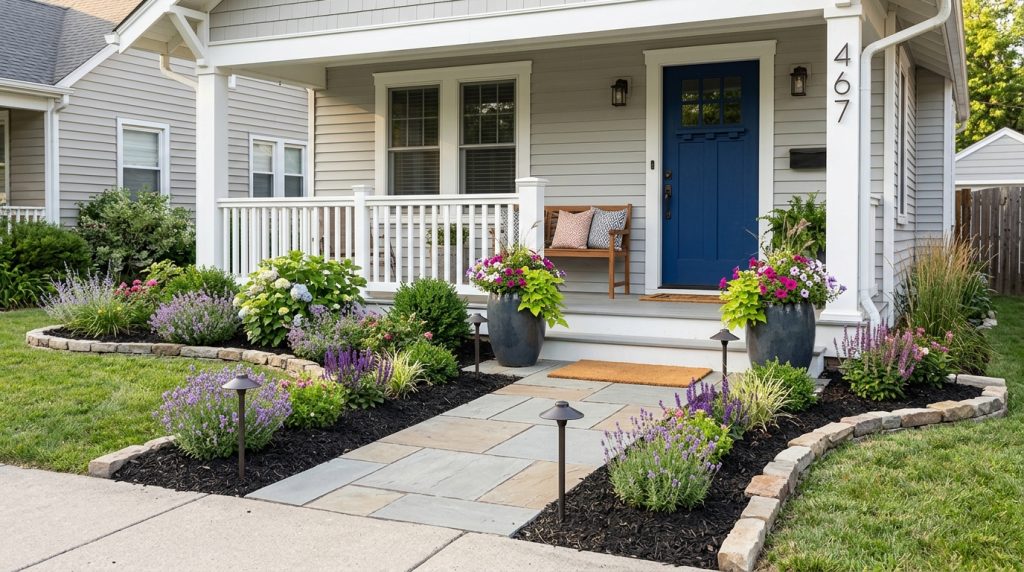
From a practical standpoint, high-impact upgrades include refreshed mulch beds, trimmed shrubs, pressure-washed driveways, and clearly defined walkways. Even small additions like modern house numbers or pathway lighting can significantly elevate curb appeal home value benefits without a large financial investment. Compared to major upgrades, exterior improvements are primarily visual rather than structural. However, their influence on buyer psychology is strong because they frame the entire home before any interior viewing takes place. According to broader trends, these upgrades are often considered “gateway investments”—they increase showing interest and improve listing photos, which can indirectly support stronger offers. Ultimately, exterior improvements are one of the fastest ways to enhance curb appeal home value, especially for homeowners preparing to list quickly or operate within limited renovation budgets.
Final Takeaway: Why Curb Appeal Is One of the Strongest Drivers of Home Value
At its core, curb appeal home value is about perception shaping price. Buyers rarely evaluate homes in a purely logical way at first; they respond emotionally to what they see from the street. That emotional response heavily influences whether a property feels worth its asking price. In major housing markets like Charlotte and Phoenix, real estate professionals consistently note that homes with strong exterior presentation attract more attention, generate more showings, and often receive stronger initial offers. This is where exterior improvements translate directly into measurable market performance. From a long-term investment perspective, combining exterior upgrades creates the strongest balance of emotional appeal and financial justification. Structural improvements validate the price point and reduce perceived risk.
Organizations such as NAHB and housing finance insights from Fannie Mae consistently reinforce that exterior condition is a key indicator of perceived home quality and maintenance reliability.Ultimately, improving curb appeal home value is not about one single upgrade; it’s about creating a cohesive first impression. When design, maintenance, and presentation work together, curb appeal home value becomes significantly more achievable, even without major interior renovations. A well-maintained exterior doesn’t just improve how a home looks; it improves how buyers feel about its value, safety, and long-term potential.
Final Thoughts
Improving curb appeal home value is not just about preparing a home for sale; it’s about building long-term equity through intentional design and maintenance. Every decision, from front yard improvements to major exterior home upgrades, contributes to how buyers perceive value long before numbers are finalized. In real estate markets like Atlanta and Denver, homes that consistently maintain a strong First impression home design tend to outperform similar properties that neglect exterior presentation. This performance is driven by psychology as much as condition; buyers equate exterior quality with overall home care. From a financial perspective, home exterior ROI is maximized when upgrades are strategic rather than random. Combining landscaping improvements with structural updates creates a layered approach: one builds emotional appeal, while the other strengthens financial justification during appraisal and negotiation. Insights from NAHB reinforce that exterior condition is one of the strongest predictors of buyer confidence and perceived property quality. Similarly, housing finance perspectives from Fannie Mae highlight how presentation can influence buyer willingness to meet or exceed the asking price. Ultimately, curb appeal benefits are most powerful when treated as a system rather than a checklist. A cohesive exterior, clean, well-maintained, and visually aligned, creates trust, attracts stronger offers, and supports meaningful resale value improvements over time.
Frequently Asked Questions (FAQ)
How much does curb appeal home value affect a property’s sale price?
A strong curb appeal home value can significantly influence buyer interest and final sale price. While the exact impact varies by market, homes with well-maintained exteriors often sell faster and attract stronger offers because buyers perceive them as better maintained overall.
What are the best curb appeal benefits for sellers?
Key curb appeal benefits include increased buyer interest, more showings, improved listing photos, and stronger first impressions. These factors work together to improve negotiation leverage and support better resale value improvements.
Which exterior upgrades give the best home exterior ROI?
High-performing exterior home upgrades include new siding, roof improvements, garage door replacement, and updated front entry doors. These upgrades typically offer stronger home exterior ROI than purely decorative changes.
Do front yard improvements really increase home value?
Yes. Even small front yard improvements like fresh mulch, trimmed landscaping, and clean walkways can dramatically improve First impression home design, which strongly influences buyer perception.
Is landscaping important for home value?
Yes. Landscaping for home value is one of the fastest ways to improve curb appeal. A clean, well-structured yard increases emotional appeal and can indirectly boost the selling price by attracting more buyers.
Why is the first impression important in real estate?
This determines how buyers emotionally respond to a property within seconds. This early reaction often shapes how they evaluate price, condition, and overall desirability.
Can curb appeal increase appraisal value?
While appraisers focus on comparable sales, strong curb appeal can support a smoother valuation process by reinforcing overall property condition and reducing negative perception during inspection or review.