

Curb Appeal Mistakes That Quietly Reduce Home Value
Many homeowners focus on upgrades that improve property value, but overlook curb appeal mistakes that silently reduce it. The exterior of a home is the first thing buyers evaluate, and even small design or maintenance issues can negatively influence perceived value before they ever step inside. In competitive U.S. housing markets like Phoenix, Dallas, and Seattle, real estate agents consistently report that buyers make quick judgments based on exterior condition. A home that appears neglected or outdated can immediately raise concerns about hidden repair costs.
Issues such as mismatched paint colors, overgrown landscaping, or visible maintenance concerns can significantly weaken exterior presentation and reduce buyer interest. These issues often have a greater impact than homeowners realize because they shape emotional perception before financial evaluation begins. According to housing insights aligned with NAHB, exterior condition is one of the strongest indicators of perceived maintenance quality. When the exterior looks poorly maintained, buyers often assume deeper structural or financial issues exist. This guide breaks down the most common exterior presentation issues, how they affect value, and what homeowners can do to correct them before listing or renovating.
Bad Exterior Paint Colors That Lower Curb Appeal: Common Curb Appeal Mistakes
One of the most common curb appeal mistakes is choosing bad exterior paint colors that clash with the home’s architecture, neighborhood tone, or natural lighting conditions. Paint is one of the most visible elements of any exterior, and it heavily influences whether a home feels updated or outdated at first glance. In established suburban markets like Orlando and Salt Lake City, real estate agents often note that overly bold or mismatched exterior colors can immediately reduce buyer interest. Colors that are too dark, overly saturated, or poorly contrasted with trim and roofing can make a home feel heavier, older, or less maintained than it actually is. From an exterior presentation perspective, paint errors often occur when homeowners prioritize personal preference over resale logic.
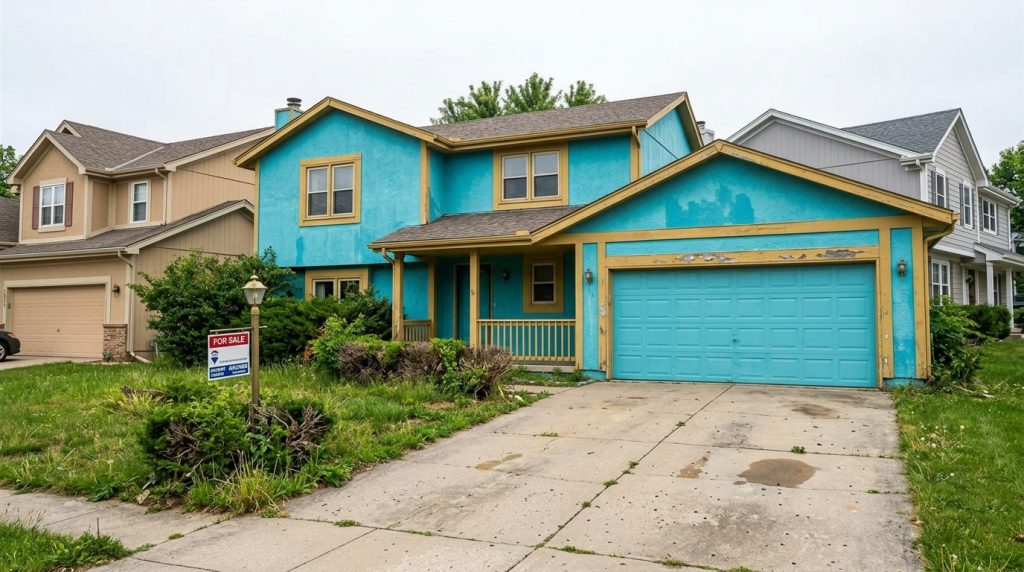
For example, unconventional tones on large surfaces, such as bright reds, neon accents, or overly trendy shades, can limit buyer appeal and shorten the home’s perceived lifespan in the market. Neutral, balanced palettes tend to perform better because they align with broader outdated home exterior correction strategies. Soft whites, warm grays, beige tones, and muted earth colors generally create a more timeless look that supports stronger curb appeal mistakes recovery during listing preparation. According to housing market behavior observed by organizations like Fannie Mae, visual neutrality reduces buyer hesitation by making it easier to imagine personal customization. This directly supports stronger resale performance and fewer objections during showings. Ultimately, paint color is not just aesthetic; it is a financial signal. Poor exterior color choices can make a well-maintained home appear neglected, while well-balanced palettes can instantly improve perceived value and strengthen overall curb appeal.
Neglected Landscaping: The Fastest Way to Reduce Buyer Interest
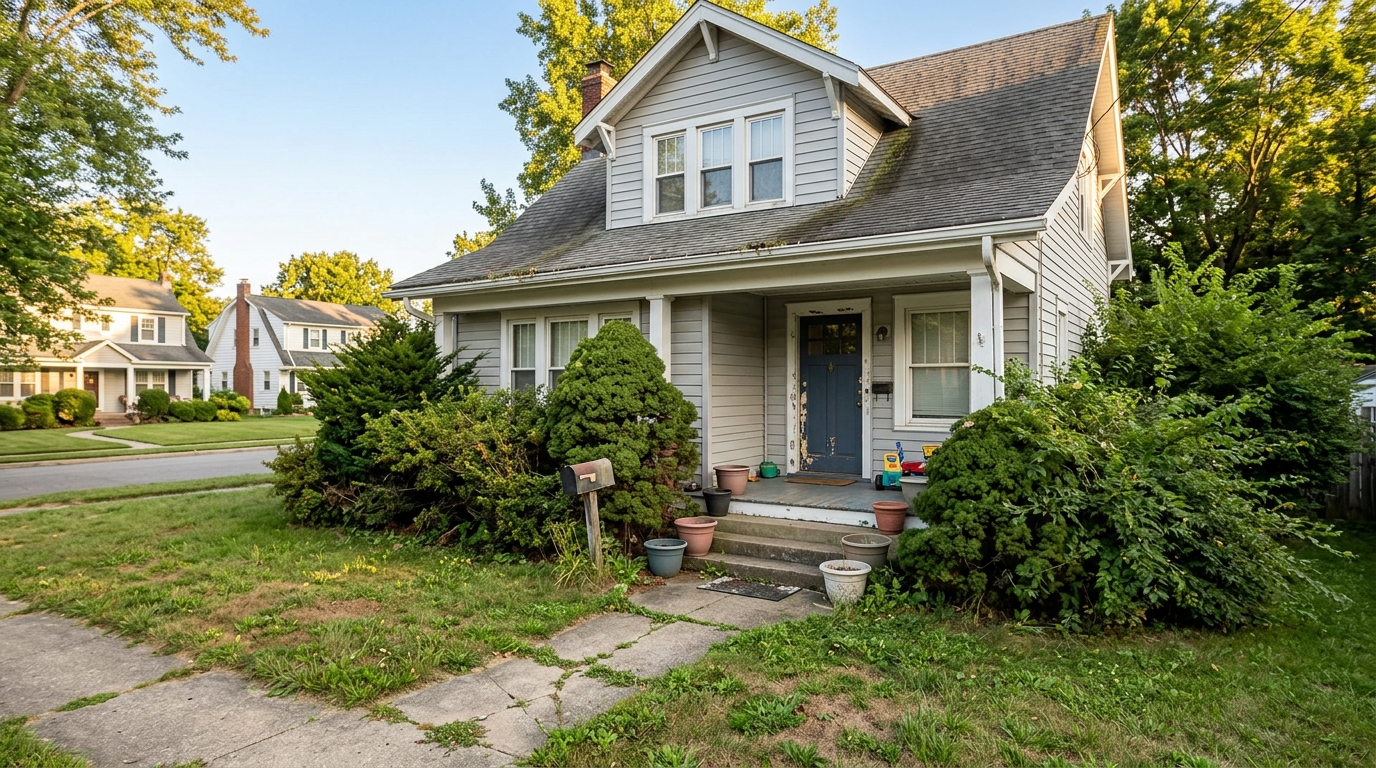
Among all curb appeal mistakes, neglected landscaping is one of the most damaging because it signals poor maintenance immediately. Overgrown grass, untrimmed hedges, and cluttered planting beds create an impression that the entire property may be poorly cared for, even if the interior is well maintained. In residential markets like Tampa and Kansas City, real estate agents consistently emphasize that buyers form strong opinions within seconds of seeing the front yard. A poorly maintained landscape can quickly overshadow otherwise strong exterior improvements such as new paint or updated siding. From an exterior presentation perspective, the issue is not always complexity; it is neglect and lack of structure. When lawns are uneven, shrubs are overgrown, or walkways are unclear, the home loses visual order.
This directly weakens overall exterior performance because buyers struggle to focus on the architecture itself. Issues like dead plants, weeds in walkways, or broken edging can significantly reduce perceived value. These conditions suggest ongoing maintenance costs, which can make buyers hesitant or more aggressive during negotiations. According to broader housing behavior insights aligned with NAHB, exterior upkeep is one of the strongest indicators of overall property condition. Buyers often assume that if landscaping is neglected, other maintenance areas may also be overlooked. Ultimately, landscaping is not just decorative; it is interpretive. It frames the entire home experience, and when neglected, it becomes one of the most visible and costly issues affecting buyer perception and perceived value.
Outdated Home Exterior: Curb Appeal Mistakes That Signal Age Instead of Value
An outdated home exterior is one of the most overlooked curb appeal mistakes, yet it can significantly reduce perceived property value even when the home is structurally sound. Buyers often associate outdated design with upcoming renovation costs, which immediately affects their willingness to pay the asking price. In older housing markets like Cleveland and Buffalo, many homes still retain original exterior features such as faded siding, aging brick finishes, or old-style shutters. While these elements may be functional, they can visually signal that the property has not been modernized, which weakens the overall performance of the home exterior design. From a design perspective, outdated exteriors often include mismatched materials, aging color palettes, or architectural details that no longer align with modern curb appeal expectations. Even small elements like old light fixtures, worn-out trim, or deteriorating garage doors can make a home feel less competitive in today’s market.
According to broader housing perception trends aligned with Fannie Mae, buyers tend to factor visible updates into their valuation assumptions. A home that looks outdated is often assumed to require immediate investment, which reduces perceived affordability. From a poor front yard design standpoint, outdated architecture also limits landscaping effectiveness. Even well-maintained yards cannot fully compensate for an exterior that visually feels stuck in a previous decade. Ultimately, updating an outdated exterior is not just cosmetic; it is strategic. Modern finishes, clean lines, and refreshed materials help eliminate key curb appeal mistakes and reposition the home as move-in ready, which directly improves buyer confidence and market competitiveness.
Exterior Clutter: Visual Noise That Undermines First Impressions
Exterior clutter is one of the most underestimated curb appeal mistakes, yet it can immediately weaken a home’s perceived value. Items left visible in the front yard, such as tools, bins, excess décor, or unorganized storage, create visual noise that distracts from the architecture and landscaping. In suburban neighborhoods like Atlanta and Las Vegas, real estate agents often stress that buyers respond negatively to any sense of disorder. Even when a home has strong structure and updated finishes, visible clutter can reduce confidence in overall maintenance and create a weaker overall exterior impression. Clutter disrupts spatial clarity and weakens the visual flow of the exterior. The eye should naturally move toward the entryway, but scattered objects or stored materials break that flow.
This reduces the effectiveness of otherwise strong exterior improvements, such as new paint or landscaping enhancements. Common clutter-related issues include overflowing trash bins, exposed hoses, unused planters, and parked items that block walkways or garage views. These details suggest a lack of organization, which buyers often interpret as broader neglect. According to broader real estate behavior patterns aligned with NAHB, buyers tend to equate cleanliness with overall property care. A cluttered exterior can therefore create hesitation even before structural inspections occur. Ultimately, exterior clutter doesn’t just affect appearance; it affects perception of lifestyle and upkeep. Removing it is one of the simplest yet most effective ways to correct curb appeal mistakes and restore a clean, market-ready presentation.
Poor Front Yard Design: When Layout Works Against Curb Appeal
One of the most structural curb appeal mistakes is poor visual organization because it affects how the entire property is perceived from the street. Unlike clutter or paint issues, this problem is often rooted in layout, specifically how walkways, planting beds, driveways, and entry paths are arranged in relation to the home. In planned suburban areas like Charlotte and Sacramento, well-designed front yards typically follow clear visual pathways that guide the eye toward the front door. When this structure is missing, the home can feel disjointed or confusing, even if individual elements are well-maintained. From an exterior layout perspective, common issues include asymmetrical planting without balance, unclear entry routes, or oversized landscaping that blocks architectural features.
These issues reduce visual clarity and weaken overall curb appeal mistakes performance because buyers cannot easily interpret the home’s design intent. Another common issue is a lack of proportion. For example, oversized shrubs placed too close to the foundation can make the home appear smaller, while empty or unstructured yards can feel unfinished. Both scenarios negatively impact perceived value and reduce First impression home design effectiveness. According to broader housing presentation principles aligned with NAHB, exterior organization plays a key role in perceived quality. Buyers naturally interpret balanced design as better maintenance and lower future cost risk. Ultimately, front yard layout is not just landscaping; it is architectural framing. When the design lacks structure, it becomes one of the most visible curb appeal mistakes that can quietly reduce buyer interest and weaken overall home appeal.
Exterior Maintenance Problems: Small Issues That Signal Big Neglect
Among the most damaging curb appeal mistakes, exterior maintenance problems stand out because they suggest long-term neglect rather than simple cosmetic flaws. Buyers often assume that if the exterior shows signs of wear, deeper systems inside the home may also be poorly maintained. In markets like Minneapolis and Detroit, where seasonal weather can be harsh, maintenance issues become even more visible. Peeling paint, cracked walkways, loose siding, and stained roofing quickly signal aging construction and increase buyer hesitation.
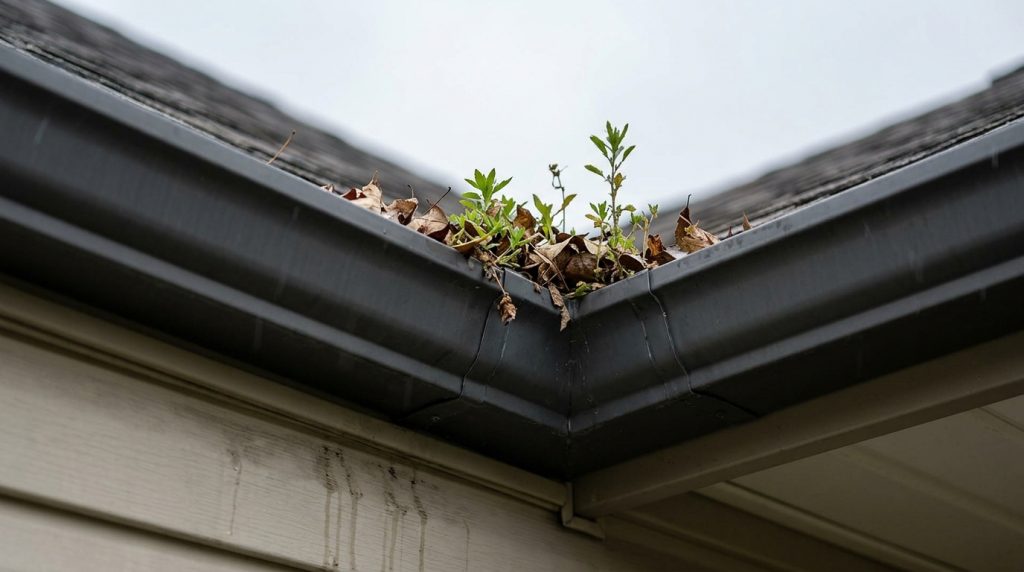
From an exterior condition standpoint, these problems often build up gradually. Homeowners may overlook minor damage like faded trim, clogged gutters, or deteriorating caulking, but collectively these details create a strong negative impression that weakens overall curb appeal and performance. Even functional issues such as broken exterior lighting, rusted fixtures, or uneven pathways can affect perception. Buyers interpret these signs as potential repair costs, which directly impacts negotiations and perceived affordability. According to broader housing behavior trends aligned with Fannie Mae, visible maintenance quality plays a key role in buyer confidence. Homes that appear well-maintained externally are more likely to be viewed as lower risk and higher value. Ultimately, addressing exterior maintenance is not just about appearance; it is about trust. Fixing these issues helps eliminate key curb appeal mistakes and ensures the home is perceived as cared for, stable, and market-ready.
Home Exterior Design Mistakes: When Style Choices Reduce Value
Home exterior design mistakes go beyond maintenance issues; they involve deeper decisions about materials, proportions, and overall visual consistency. Even a well-maintained home can lose value if its design elements feel mismatched, outdated, or visually unbalanced. In established housing areas like San Jose and Richmond, buyers tend to respond strongly to architectural harmony. When siding, roofing, trim, and color palettes do not align, the home can feel disjointed, which weakens overall curb appeal and performance even before maintenance issues are considered.
One of the most common issues is material inconsistency. For example, combining overly modern siding with traditional architectural forms can create visual conflict. Similarly, mismatched window styles or poorly scaled entry features can distort the home’s proportions and reduce the first impression of home design effectiveness. Exterior design mistakes often extend beyond the structure itself. If landscaping style does not match the home’s architecture, such as formal hedges paired with a modern minimalist exterior, it creates further visual imbalance.
According to broader real estate presentation principles aligned with NAHB, cohesive design is a key factor in perceived quality. Buyers tend to interpret architectural consistency as a sign of thoughtful upkeep and long-term investment. Ultimately, achieving a cohesive exterior is about alignment. When materials, colors, and landscaping work together, the home appears intentional and well-maintained. When they do not, even minor inconsistencies can contribute significantly to overall curb appeal mistakes and reduce perceived market value.
Final Thoughts
Eliminating curb appeal mistakes is one of the most effective ways to protect and often increase curb appeal home value without requiring a full-scale renovation. Most exterior issues are not structural problems, but perception problems that influence how buyers interpret the condition and worth of a home. In competitive housing markets like Denver and Raleigh, real estate professionals consistently see that homes with corrected exterior issues sell faster and with fewer negotiation challenges.
Simple improvements to home exterior design mistakes, landscaping structure, and maintenance consistency can dramatically shift buyer confidence. From a financial perspective, addressing exterior maintenance problems and outdated design elements directly improves perceived risk levels. Buyers are more willing to meet asking prices when they feel the home has been properly cared for and does not require immediate repair investment.
Frequently Asked Questions (FAQ)
What are the most common curb appeal mistakes?
The most common curb appeal mistakes include bad exterior paint colors, neglected landscaping, cluttered exteriors, and outdated home exterior features that make a property look older or poorly maintained than it actually is.
How does exterior appearance affect home value?
Poor exterior presentation can reduce curb appeal and home value because buyers associate visible conditions with overall maintenance. Homes with strong first impressions often receive more interest and stronger offers.
Does landscaping really affect buyer interest?
Yes. Neglected landscaping is one of the fastest ways to reduce appeal. Well-maintained yards improve First impression home design and can significantly increase showing activity.
What are examples of exterior maintenance problems?
Common exterior maintenance problems include peeling paint, cracked walkways, broken lighting, damaged siding, and clogged gutters. These issues can signal long-term neglect to buyers.
Can poor front-yard design reduce resale value?
Yes. A poor front yard design can reduce perceived value by making the home feel unbalanced or confusing. Clear walkways, proportionate planting, and organized layout improve curb appeal.
How do home exterior design mistakes affect the selling price?
Home exterior design mistakes can lower buyer confidence by creating visual inconsistency. Even small design mismatches can make a home feel less updated or less valuable.
What is the fastest way to fix curb appeal mistakes?
Quick fixes include cleaning, repainting with neutral tones, trimming landscaping, removing clutter, and repairing visible exterior damage to restore overall curb appeal and improve buyer perception.