

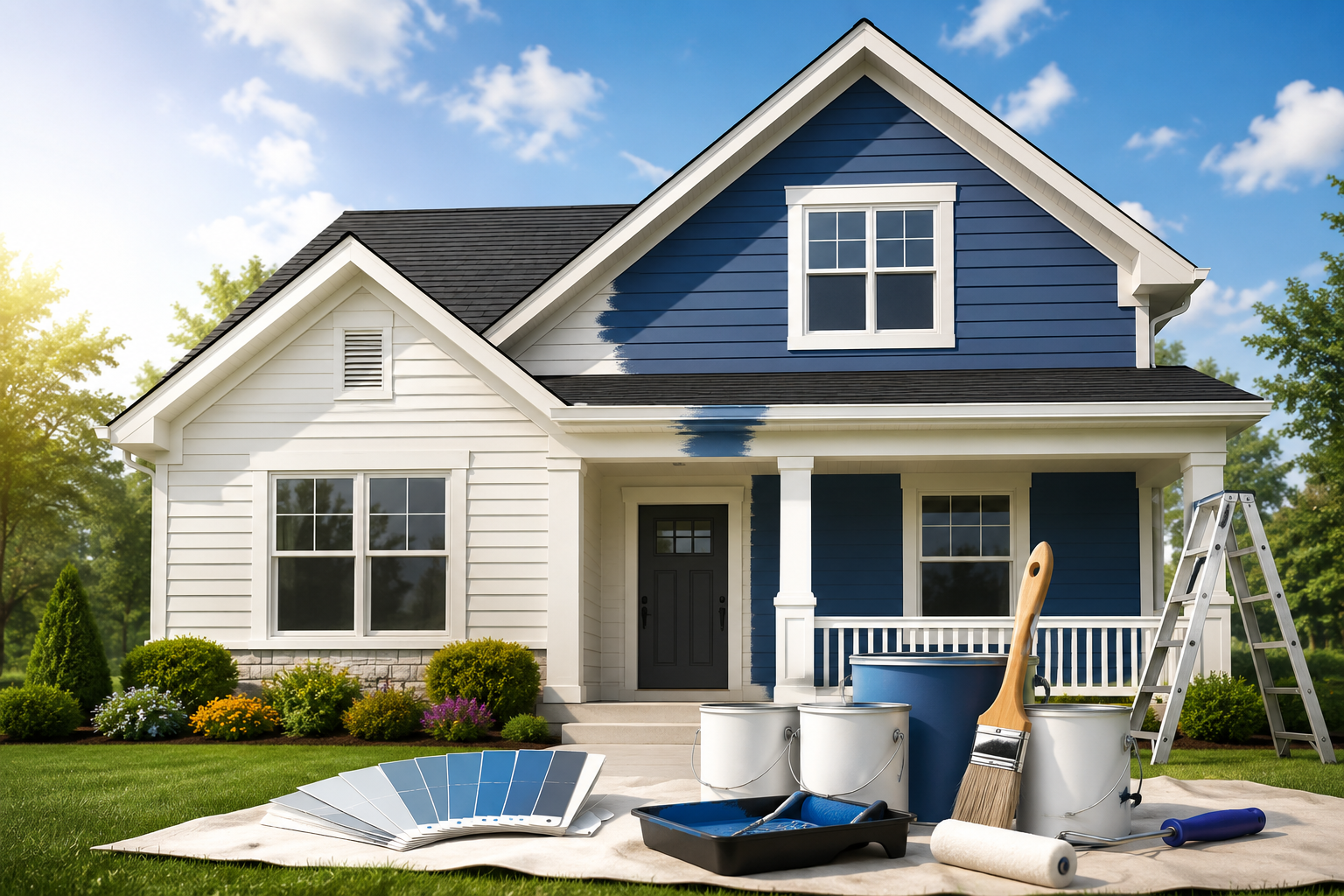
Ultimate Exterior House Painting Guide for US Homes
The exterior of your home is constantly exposed to sunlight, rain, wind, snow, and changing temperatures, making a high-quality paint job essential for long-term protection. A well-planned exterior house painting guide helps homeowners choose the right materials, prepare surfaces correctly, and achieve lasting results that enhance both durability and appearance. Beyond protecting siding from moisture and UV damage, fresh paint can significantly increase your home’s resale value and make a strong first impression.
Whether you’re planning a DIY project or hiring a professional painter, understanding the entire painting process can save time, money, and future maintenance costs. This comprehensive exterior house painting guide covers everything from preparation and paint selection to application techniques and maintenance. You’ll also discover practical house painting tips that help create a durable finish while improving your home’s overall appearance for years to come.
Why an Exterior House Painting Guide Matters
A fresh coat of paint does more than improve your home’s appearance; it serves as a protective barrier against harsh weather, moisture, insects, and everyday wear. Following a reliable exterior house painting guide helps homeowners preserve siding materials, reduce the risk of wood rot, and extend the lifespan of exterior surfaces. Whether your home features wood, fiber cement, vinyl, or stucco, quality paint helps shield it from UV rays, rain, and seasonal temperature changes.
Painting your home’s exterior also plays a major role in property value. A well-maintained exterior creates a positive first impression and supports curb appeal improvements, making your home more attractive to visitors and potential buyers. In many neighborhoods, a freshly painted exterior can also help meet HOA appearance standards. Combined with routine exterior home maintenance, repainting every 5 to 10 years helps prevent costly repairs while keeping your home looking clean, modern, and well cared for.
Best Time to Paint Your Home’s Exterior
Timing is one of the most important factors in achieving a long-lasting paint job. Most paint manufacturers recommend applying exterior paint when temperatures stay between 50°F and 85°F, with low humidity and little chance of rain. Spring and early fall are often the best seasons across much of the United States because they provide stable weather that allows paint to cure properly.
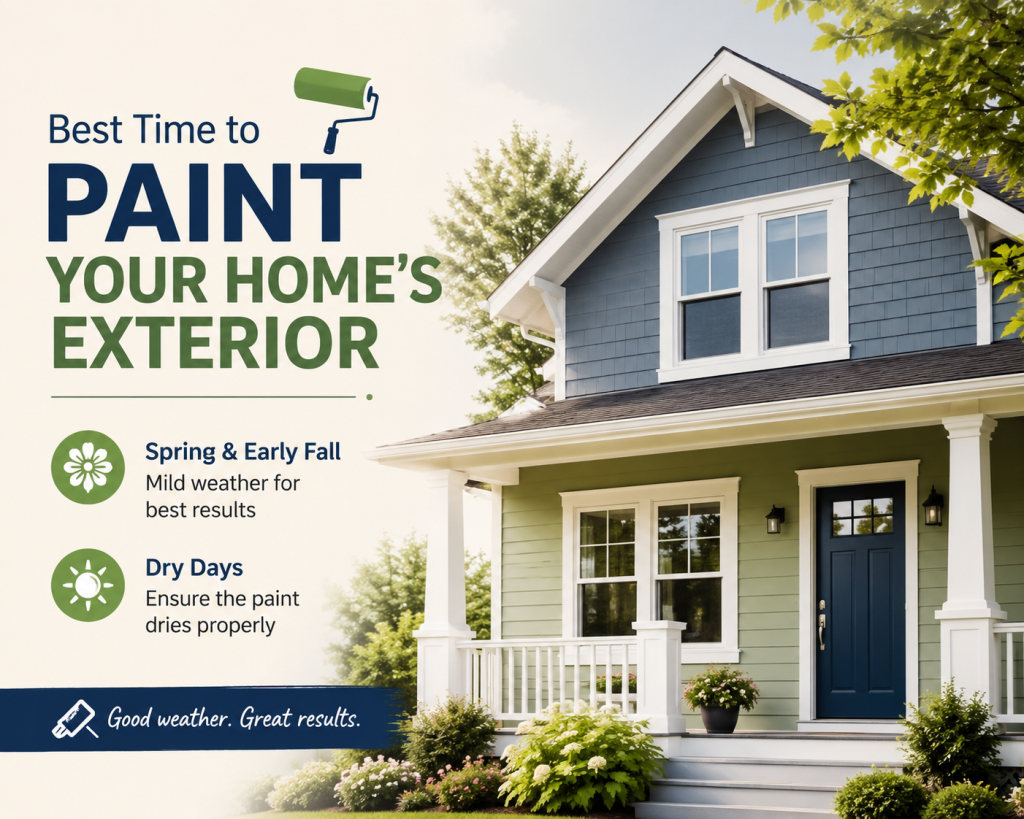
Climate also influences the ideal painting schedule. Homeowners in warm states such as Texas, Arizona, and Florida should avoid painting during extreme summer heat, while those in northern regions should complete projects before freezing temperatures arrive. Planning around local weather conditions helps prevent peeling, blistering, and uneven finishes. Before starting, review a few house painting tips, such as checking the forecast for several dry days and avoiding direct midday sunlight. Choosing the right season also makes it easier to explore exterior paint ideas that will maintain their color and durability for years.
Preparing Your Home Before Painting
Proper preparation is the foundation of every successful painting project. Even the highest-quality paint won’t last if it’s applied over dirt, peeling paint, or damaged surfaces. Before opening a paint can, inspect your home’s exterior for loose siding, cracked caulk, mildew, water damage, and other signs of wear. Repairing these issues first creates a smooth, durable surface that allows new paint to adhere properly.
Next, thoroughly clean the exterior using a pressure washer or a garden hose with a cleaning solution to remove dirt, chalking, mold, and loose debris. Allow every surface to dry completely before scraping peeling paint, sanding rough areas, and applying a high-quality primer where needed. A complete siding paint guide always emphasizes preparation because it directly affects the finish and longevity of the paint. Taking these steps also lays the groundwork for a successful home exterior makeover that looks professional and withstands years of exposure to the elements.
How to Choose Paint and Colors for Your Exterior House Painting Guide
Choosing the right paint is one of the most important steps in any exterior house painting guide. High-quality 100% acrylic latex paint is the top choice for most U.S. homes because it provides excellent durability, flexibility, and resistance to fading, cracking, and moisture. It adheres well to a variety of exterior materials, including wood, fiber cement, stucco, and previously painted siding. Selecting the appropriate finish, such as flat, satin, or semi-gloss, also helps improve both the appearance and long-term performance of your home’s exterior.
A complete exterior house painting guide should also emphasize choosing colors that complement your home’s architectural style, roof, and surrounding landscape. Neutral shades remain a popular option because they appeal to a wide range of buyers, while bold accent colors can make shutters, doors, and trim stand out. Exploring outdoor paint colors before beginning your project can help you create a balanced, attractive design. For additional inspiration, reviewing exterior paint ideas from homes in similar climates and neighborhoods can help you achieve a timeless look that enhances curb appeal.
Painting Different Exterior Materials
Different siding materials require specific preparation techniques and paint products to achieve the best results. Wood siding should be cleaned, scraped, sanded, and primed before painting to prevent moisture damage and peeling. Fiber cement siding typically needs less preparation but benefits from high-quality acrylic latex paint for maximum durability. Vinyl siding should only be painted with colors approved by the manufacturer to reduce the risk of heat-related warping.
Brick and stucco also require special attention because their porous surfaces absorb moisture differently than traditional siding. These materials should be thoroughly cleaned and repaired before applying breathable masonry paint designed for exterior use. Following a reliable siding paint guide helps homeowners choose the right products for each surface and avoid premature paint failure. Matching the correct paint to your home’s exterior material ensures longer-lasting protection, a smoother finish, and a more successful home exterior makeover.
Common Painting Mistakes to Avoid
Even with quality materials, simple mistakes can shorten the life of an exterior paint job. One of the most common errors is painting over dirty, damp, or damaged surfaces, which prevents proper adhesion and often leads to peeling or blistering. Skipping primer on bare wood or repaired areas can also reduce durability, especially in regions with frequent rain or intense sunlight.
Another mistake is choosing paint based only on color instead of performance. Not all products are suitable for every siding material or climate, so always follow manufacturer recommendations. Applying paint in direct sunlight or just before rain can affect drying and create an uneven finish. Using proven house painting tips, such as working in manageable sections and applying two even coats, helps produce professional results. Avoiding these common pitfalls not only extends the life of your paint but also supports long-term exterior home maintenance, reducing the need for frequent touch-ups and costly repairs.
Exterior Maintenance After Painting
Following an exterior house painting guide doesn’t end once the paint has dried. A freshly painted exterior can last for years with consistent care and routine inspections. Check your home’s exterior at least twice a year for peeling paint, cracked caulk, mildew, or signs of moisture damage. Cleaning siding with a garden hose or a soft-bristle brush removes dirt, pollen, and debris before they can affect the paint’s finish. Promptly repairing minor damage helps prevent larger problems, extends the life of your paint job, and protects the investment you’ve made in your home’s exterior.
Routine exterior home maintenance also includes trimming shrubs and tree branches away from siding to reduce moisture retention and prevent scratches. Clean gutters regularly so water drains away from painted surfaces, and inspect areas around windows and doors for deteriorating sealant. Small touch-ups using the original paint color can keep your home looking fresh between full repainting projects. Combined with regular inspections, these maintenance habits preserve your home’s appearance, protect exterior materials, and contribute to lasting curb appeal improvements.
Cost Considerations and Return on Investment
The cost of painting a home’s exterior depends on factors such as the size of the house, siding material, labor rates, and the quality of paint selected. While premium paints and professional services require a higher upfront investment, they often provide better durability, require fewer touch-ups, and deliver longer-lasting protection. Homeowners should also budget for surface preparation, repairs, primer, and any specialized equipment needed before painting begins.

A professionally painted exterior can offer an excellent return on investment by improving your home’s appearance and increasing buyer appeal. Fresh paint gives the impression of a well-maintained property, which can positively influence resale value in competitive real estate markets. Following a detailed exterior house painting guide helps homeowners make informed decisions about materials and timing, ensuring they get the best value from their investment while protecting their home’s exterior for years to come.
When to Hire a Professional Painter
While many homeowners can handle small painting projects, larger or more complex jobs are often best left to professionals. Multi-story homes, extensive surface repairs, lead paint concerns, or hard-to-reach areas require specialized equipment and experience to complete safely. Professional painters also know how to prepare different siding materials, apply coatings evenly, and work efficiently under varying weather conditions.
Hiring an experienced contractor can save time and help avoid costly mistakes caused by improper preparation or paint application. Ask for proof of licensing, insurance, and references before choosing a painter, and request a detailed written estimate outlining labor, materials, and project timelines. A qualified professional can also recommend the best products for your home’s climate and siding type, ensuring a durable finish that protects your investment. For homeowners seeking long-lasting results, expert workmanship often provides greater value than a DIY approach.
Conclusion
A well-executed exterior house painting guide helps homeowners protect their investment while enhancing the beauty and value of their property. From choosing the right paint and preparing surfaces to maintaining the finished exterior, every step contributes to long-lasting results. Whether you’re tackling the project yourself or hiring a professional, careful planning and quality materials can make all the difference. With regular upkeep and the right painting strategy, your home’s exterior will remain attractive, weather-resistant, and well-protected for many years.
Frequently Asked Questions
According to an Exterior House Painting Guide, How Often Should You Paint Your Home?
A reliable exterior house painting guide recommends repainting most homes every 5 to 10 years, depending on the siding material, local climate, and the quality of the previous paint job. Regular inspections help identify peeling, fading, or cracking early, allowing homeowners to address minor issues before they develop into costly repairs.
What type of paint is best for exterior surfaces?
For most homes, 100% acrylic latex paint is the preferred choice because it offers excellent adhesion, flexibility, moisture resistance, and UV protection. Always select a product designed for your specific siding material.
Can you paint over old exterior paint?
Yes, as long as the existing paint is in good condition. The surface should be cleaned thoroughly, loose paint removed, damaged areas repaired, and primer applied where bare material is exposed to ensure proper adhesion
What weather conditions are best for exterior painting?
Ideal painting conditions include temperatures between 50°F and 85°F, low humidity, and no rain in the forecast for at least 24 to 48 hours. Avoid painting in direct sunlight or during extremely hot or cold weather.
Does painting your home’s exterior increase property value?
Yes. A fresh exterior paint job enhances appearance, protects siding from weather damage, and creates a strong first impression. Combined with proper maintenance, it can improve curb appeal and make your home more attractive to potential buyers.
What is included in a home exterior painting process?
A complete home exterior painting process includes surface preparation, paint selection, application methods, weather considerations, and maintenance practices to ensure long-lasting results and improved curb appeal.
How often should you repaint your home’s exterior?
Most homes should be repainted every 5 to 10 years, depending on siding material, climate conditions, and paint quality. Regular inspections help identify peeling, fading, or cracking early before major repairs are needed. Most homeowners should repaint their home every 5 to 10 years, depending on siding material, climate conditions, and paint quality. Following a proper guide helps extend durability and prevent issues like peeling or moisture damage.