

Understanding Exterior Renovation Cost and ROI for Homeowners
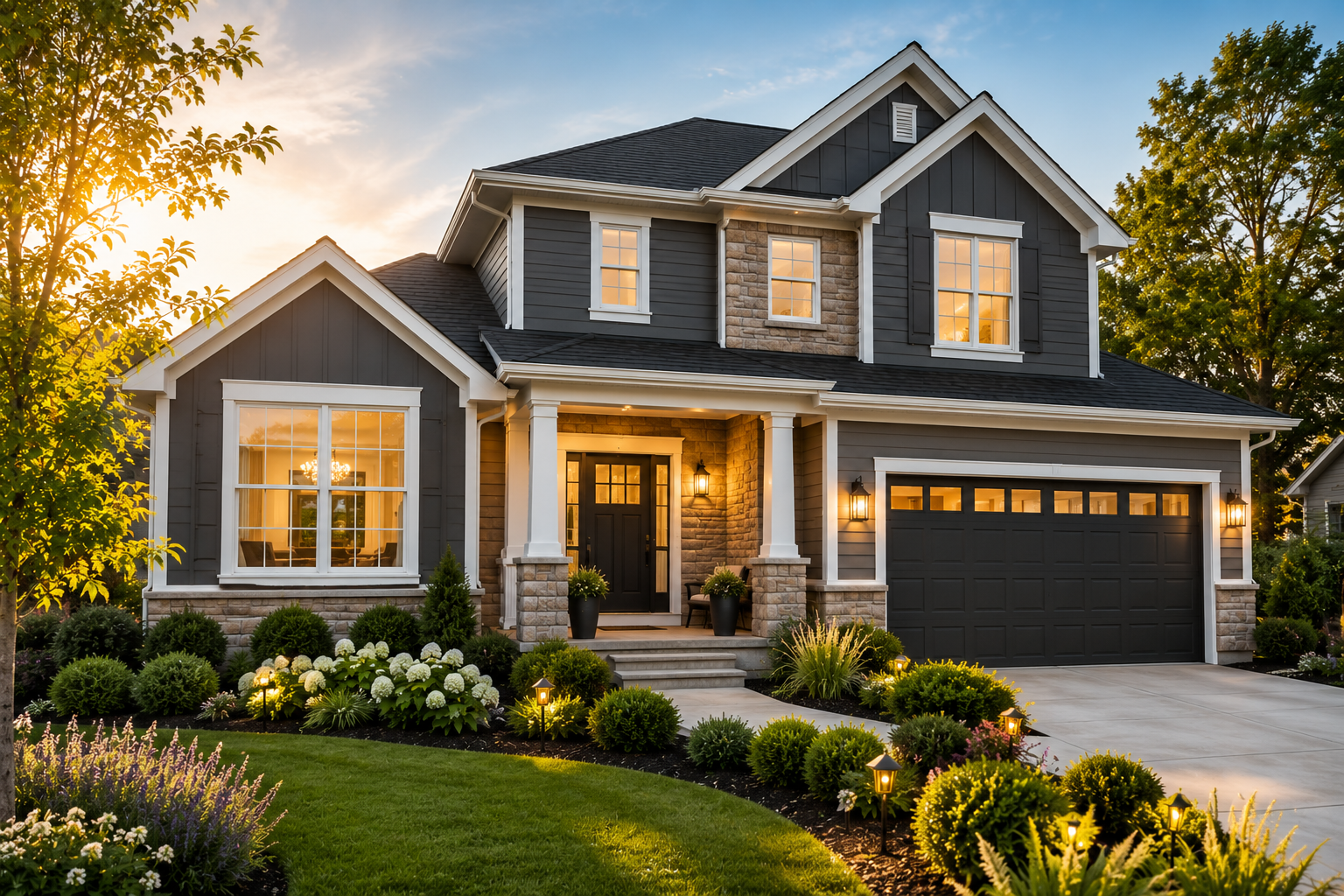
The exterior renovation cost of a home is one of the most important financial considerations for homeowners planning upgrades that improve both appearance and resale value. Unlike interior remodeling, exterior projects directly influence first impressions, which heavily affect buyer perception and home pricing. In U.S. housing markets such as Austin, Phoenix, and Atlanta, homeowners are increasingly investing in home exterior remodel pricing strategies that balance curb appeal with long-term durability. A well-maintained exterior signals lower future maintenance costs, which increases buyer confidence.
Industry research from NAHB consistently shows that exterior condition is one of the top contributors to perceived property value during listing and appraisal. This is why understanding the ROI of exterior upgrades is essential before committing to any renovation budget. This guide breaks down real-world costs for siding, roofing, painting, and entry upgrades so homeowners can make informed decisions that maximize both curb appeal and financial return.
Siding Replacement Cost Breakdown (Highest ROI Exterior Upgrade)
Siding replacement is one of the most impactful drivers of exterior renovation cost because it completely transforms a home’s appearance while also improving insulation, moisture resistance, and long-term durability. For many homeowners, it represents the single largest line item in an exterior renovation budget while also being one of the strongest contributors to resale value. In most U.S. markets like Columbus and Portland, siding replacement costs vary based on material choice and home size. Vinyl siding is typically the most budget-friendly option, while fiber cement products, such as those from James Hardie, sit in a mid-to-premium range due to their durability, fire resistance, and performance in harsh weather conditions.
Higher-end siding systems are often chosen in regions with extreme climates. In humid coastal areas, moisture-resistant materials are preferred, while in colder northern states, insulated siding helps reduce heating costs and improve energy efficiency aligned with standards promoted by ENERGY STAR. From an exterior design perspective, siding has an outsized visual impact. It defines the home’s color, texture, and architectural style. Even a moderate siding upgrade can make an older home appear newly constructed, which significantly improves buyer perception.
In terms of exterior upgrade ROI, siding replacement consistently ranks among the top exterior projects in remodeling value reports from organizations like NAHB. Homeowners typically recover a large portion of their investment at resale, especially when paired with updated trim, windows, and exterior lighting. Although exterior renovation cost can vary based on material selection and project scope, siding remains one of the strongest long-term investments for improving both property value and visual appeal. Overall, siding replacement is not just a cosmetic improvement; it is a foundational investment that influences durability, efficiency, and long-term market value.
Exterior Painting Costs (Fastest Visual Transformation Upgrade)
Exterior painting is one of the most cost-effective ways to improve exterior renovation cost efficiency, because it delivers a dramatic visual upgrade without structural changes. A fresh coat of paint can instantly modernize an older home, hide surface imperfections, and significantly improve curb appeal perception. In U.S. housing markets such as Las Vegas and Nashville, exterior painting costs typically vary based on home size, surface condition, number of stories, and paint quality. Homes requiring extensive prep work, such as scraping, caulking, or siding repairs, will naturally fall on the higher end of the pricing range.
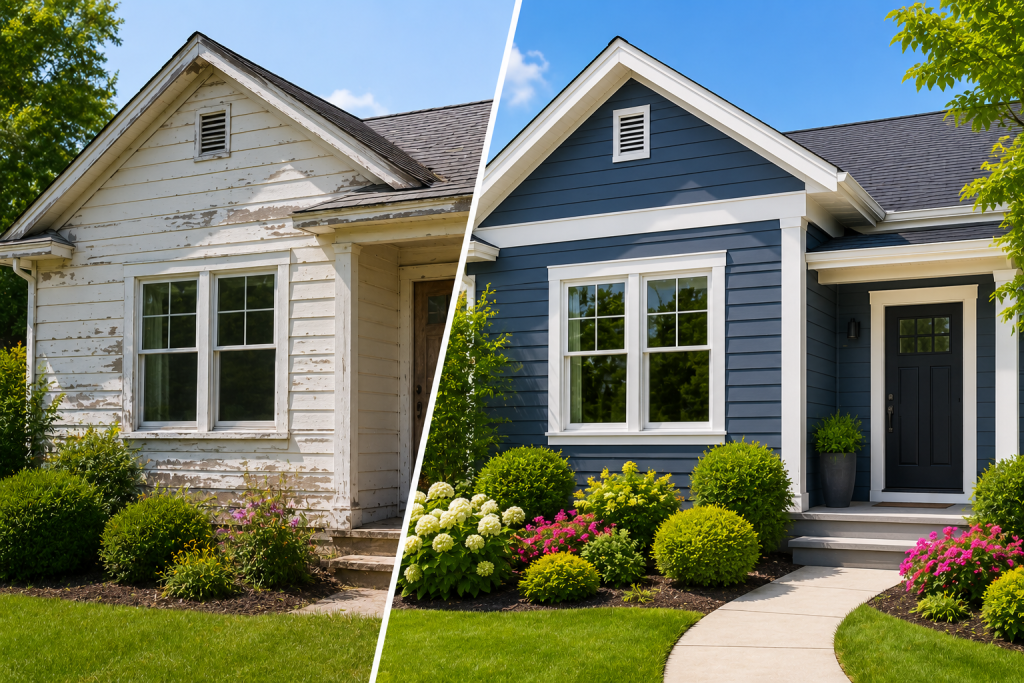
Paint quality plays a major role in both upfront cost and long-term performance. Premium exterior coatings are often designed for UV resistance, moisture protection, and temperature fluctuation durability. These performance benefits align with efficiency and durability principles promoted by programs like ENERGY STAR, especially in climates with extreme heat or cold. From an exterior renovation cost standpoint, painting remains one of the most accessible upgrades for homeowners who want an immediate impact without committing to full renovation work. Neutral color palettes, such as warm whites, soft grays, and earthy tones, are especially effective in resale scenarios because they appeal to a wider buyer audience. Painting consistently ranks as a high-return improvement due to its low relative cost and high visual impact. When combined with clean landscaping and updated lighting, it can significantly elevate overall exterior appearance and perceived home value without major construction investment.
Front Door Replacement Cost Breakdown (High-Impact Entry Upgrade)
Front door replacement is one of the most efficient ways to improve value relative to exterior renovation cost because it directly impacts first impressions, security, and energy efficiency. The entryway is a focal point of the home, and even a modest upgrade can dramatically enhance overall curb appeal without requiring a full exterior renovation. In U.S. markets such as Charlotte and San Antonio, front door replacement cost depends on material selection, design complexity, and insulation performance. Fiberglass and steel doors are commonly chosen for their durability, while wood doors are often selected for premium aesthetics and architectural match.
Manufacturers like Pella and Andersen Windows offer entry systems designed to improve thermal efficiency and security while maintaining a strong visual appeal. Many modern designs also integrate decorative glass panels, smart locks, and enhanced weather sealing. From an exterior renovation cost perspective, entry doors are relatively affordable compared to siding or roofing, yet they deliver a strong psychological impact. Buyers often associate a new front door with a well-maintained home, which can positively influence perceived value during showings. In terms of ROI for exterior upgrades, front door replacement consistently ranks among the highest-performing small- to mid-range exterior projects. It offers a strong balance between cost, aesthetics, and functional improvement, making it a strategic upgrade for homeowners seeking stronger visual impact and improved property value without major construction investment.
Roofing ROI: The Most Important Long-Term Exterior Investment and Exterior Renovation Cost
Roofing projects sit at the top of major exterior renovation cost decisions because they directly impact structural protection, insurance considerations, and long-term home value. While roofing is not always the most visible upgrade, it plays a major role in buyer confidence, especially when a home is being compared against similar properties. In U.S. regions like Denver and Chicago, roofing costs vary based on material type, roof complexity, and weather exposure. Asphalt shingles remain the most common choice, while premium architectural systems from Owens Corning and GAF are widely used for improved durability and wind resistance.
Climate plays a major role in roofing ROI. In snow-heavy regions, homeowners prioritize impact resistance and insulation performance, while in hot southern climates, reflective roofing materials help reduce heat absorption and cooling costs. These improvements align with efficiency goals promoted by ENERGY STAR. From a long-term value perspective, a new roof often does not deliver the highest percentage return on cost alone, but it significantly increases marketability. Buyers are far more likely to purchase a home with a recently replaced roof because it reduces near-term repair risk and insurance concerns.
Roofing also influences the entire visual profile of the home. The color, texture, and condition of shingles affect how modern and well-maintained the property appears from the street. Even if other upgrades are present, an aging roof can undermine the overall impression. While exterior renovation cost for roofing is typically higher than many cosmetic improvements, the long-term value comes through financial protection, structural performance, and stronger buyer trust, making it one of the most strategic exterior investments a homeowner can make.
Curb Appeal Remodeling (Bundling Exterior Upgrades for Maximum Impact)
Curb appeal improvements become significantly more cost-effective when treated as a coordinated curb appeal remodeling strategy rather than isolated projects. Instead of upgrading one element at a time, homeowners achieve better visual consistency and stronger ROI by bundling siding, paint, lighting, landscaping, and entry upgrades into a unified exterior plan. In competitive housing markets like Seattle and Dallas, homeowners often combine multiple exterior projects to maximize listing appeal before selling. A refreshed façade that includes updated siding, modern lighting, and clean landscaping typically creates a stronger first impression than individual upgrades completed separately over time.
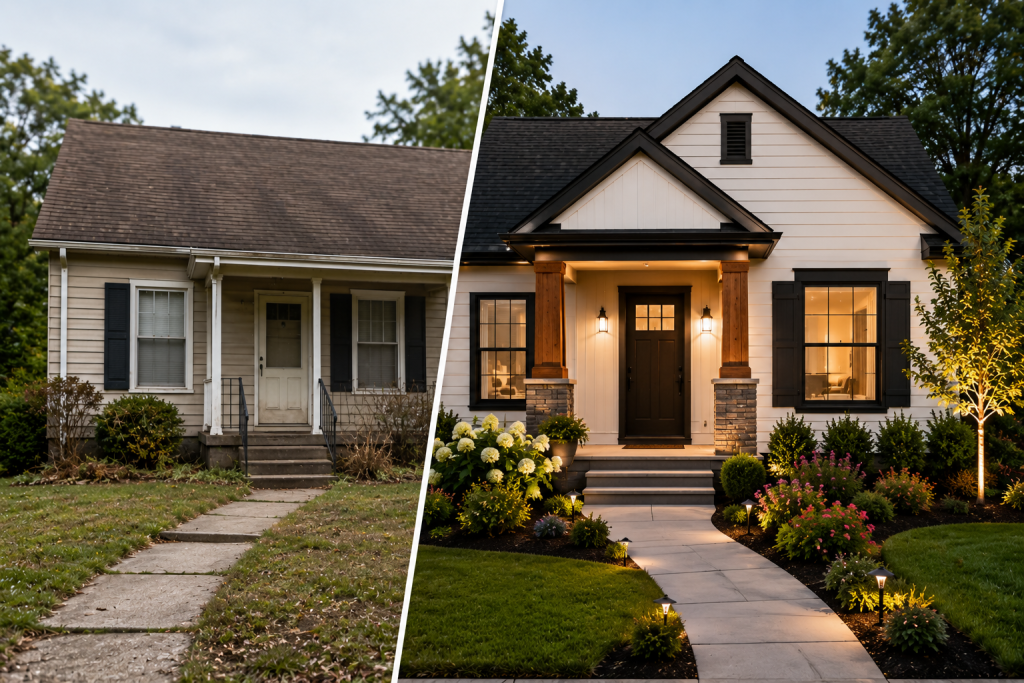
From an overall project planning standpoint, bundling can also improve efficiency. Contractors often reduce labor duplication when multiple exterior tasks are completed in one project phase. This can help balance overall exterior renovation cost, especially when coordinating painting, trim work, and minor repairs together. Materials and system choices also matter. For example, pairing siding upgrades from James Hardie with new roofing systems from GAF can dramatically enhance both durability and visual harmony across the entire exterior envelope.
According to industry insights from NAHB, homes with coordinated exterior improvements tend to perform better in buyer perception studies because they appear well-maintained and move-in ready. This psychological advantage often translates into faster sales and stronger offers. Ultimately, curb appeal remodeling is not just about aesthetics; it is a strategic investment approach that aligns multiple upgrades to achieve a unified, high-value exterior transformation.
Exterior Upgrade ROI and Exterior Renovation Cost: Which Projects Pay Off Most?
When evaluating exterior upgrade ROI, homeowners should focus on projects that improve both visual impact and buyer confidence. Not all exterior renovations deliver equal returns; some are primarily cosmetic, while others significantly influence appraisal value and resale competitiveness. Understanding exterior renovation cost is also essential because higher spending does not always translate into better ROI. In most U.S. markets, such as Atlanta and Phoenix, high-performing ROI projects typically include entry door replacement, siding upgrades, and garage door improvements. These upgrades directly affect the front-facing appearance of the home, which is the first factor buyers evaluate during showings.
Material quality plays an important role in ROI outcomes. Durable products from manufacturers like James Hardie often outperform lower-cost alternatives because they reduce long-term maintenance concerns. Similarly, roofing systems from Owens Corning and GAF increase buyer confidence by minimizing the likelihood of near-term replacement costs. According to remodeling benchmarks referenced by NAHB, exterior-focused improvements consistently rank among the strongest contributors to perceived home value. Buyers tend to assign higher value to homes that appear well-maintained and structurally updated, even before interior features are considered.
Smaller upgrades also contribute to ROI when strategically combined. Fresh exterior paint, updated lighting, and clean landscaping improve curb appeal and remodeling performance by enhancing overall presentation without major structural investment. Ultimately, the highest exterior renovation cost returns come from a balanced approach, combining high-visibility upgrades with durable materials that reduce future maintenance and increase long-term property appeal.
Final Cost Strategy: How to Plan an Exterior Renovation Budget
Planning an effective exterior renovation cost budget requires more than estimating individual project prices; it requires prioritizing upgrades based on impact, durability, and resale potential. Homeowners who approach renovations strategically tend to achieve better long-term value and stronger resale outcomes compared to those who complete projects randomly or reactively. In U.S. housing markets like Chicago and Charlotte, successful renovation planning typically follows a phased approach. Most homeowners begin with high-visibility improvements such as painting, landscaping, and lighting before moving into structural upgrades like siding replacement or roofing. Material selection significantly affects long-term cost efficiency. For example, siding systems from James Hardie may have higher upfront costs but reduce maintenance expenses over time. Similarly, roofing systems from Owens Corning and GAF can extend roof lifespan and lower future replacement frequency.
A balanced home exterior remodel pricing strategy typically includes:
- Low-cost visual upgrades (paint, lighting, landscaping)
- Mid-range improvements (doors, windows, porch updates)
- High-cost structural investments (roofing, siding)
According to insights from NAHB, homeowners who phase projects strategically tend to achieve higher perceived value and better financial outcomes during resale. Ultimately, successful exterior improvements are about sequencing, not just spending. A well-planned budget ensures every dollar contributes to both immediate visual improvement and long-term property value.
Final Thoughts
A well-planned exterior renovation cost strategy is one of the most effective ways homeowners can improve both property value and long-term livability. Unlike interior upgrades that may appeal to personal taste, exterior improvements directly influence first impressions, neighborhood perception, and buyer confidence. Across competitive U.S. housing markets like Austin, Denver, and Raleigh, homeowners are increasingly prioritizing home exterior remodel pricing decisions that balance visual impact with durability and resale performance. This shift reflects a broader understanding that curb appeal is not just cosmetic; it is financial. High-impact upgrades such as siding replacement, roofing systems, and entry door improvements often deliver the strongest exterior upgrade ROI, especially when paired with thoughtful landscaping and modern exterior finishes. Materials from manufacturers like James Hardie, GAF, and Owens Corning continue to play a major role in long-term performance and buyer confidence. According to industry insights from NAHB, homes with updated exteriors consistently perform better in resale scenarios because they reduce perceived maintenance risk and enhance emotional appeal. Ultimately, successful exterior improvements are about making intentional, layered changes—starting with visibility, strengthening structure, and finishing with detail. When done correctly, these investments not only improve how a home looks but also how it performs in the real estate market over time.
Frequently Asked Questions (FAQ)
What is the average exterior renovation cost in the U.S.?
The average exterior renovation cost varies widely depending on the scope. Small curb appeal upgrades like paint and landscaping may cost a few hundred to a few thousand dollars, while full exterior remodels involving siding, roofing, and doors can range from $20,000 to $80,000+ in many U.S. markets.
What is included in home exterior remodel pricing?
Home exterior remodel pricing typically includes siding replacement, exterior painting, roofing work, window or door upgrades, landscaping, and lighting improvements. Costs depend on material quality, labor rates, and home size.
How much does siding replacement cost?
Siding replacement cost depends on the material type. Vinyl is generally the most affordable, while premium fiber cement options from James Hardie cost more but offer better durability and resale value. Installation complexity also affects total pricing.
Is exterior painting worth the cost?
Yes. Exterior painting costs are relatively low compared to other renovations but offer a strong visual impact. A fresh coat improves curb appeal, protects surfaces, and can increase buyer interest during resale.
What is the ROI of exterior upgrades?
Exterior upgrade ROI is generally highest for garage doors, entry doors, siding replacement, and roofing improvements. According to NAHB, exterior improvements strongly influence buyer perception and can increase perceived home value significantly.
Does curb appeal remodeling really increase home value?
Yes. Curb appeal remodeling improves first impressions, which directly affects buyer interest and offer strength. Homes with updated exteriors often sell faster and at higher perceived value than homes with outdated or poorly maintained façades.