


Farmhouse vs Cottagecore Interior Design: Key Differences
The comparison of farmhouse vs cottagecore has become increasingly popular as homeowners look for cozy, personality-driven interior styles that feel warm, nostalgic, and visually appealing. While both design approaches fall under the broader category of cozy interior styles, they differ significantly in mood, structure, and execution. Farmhouse decor comparison typically highlights a more structured, functional approach rooted in American rural living, while cottagecore leans into romantic, nature-inspired aesthetics with softer, more whimsical details. Both styles are widely used in modern homes, especially across suburban and countryside settings in the US.
Understanding the differences between these two styles is important for homeowners deciding how to design or remodel their spaces. Whether you prefer the clean simplicity of farmhouse interiors or the decorative softness of cottagecore, each offers a unique interpretation of rustic home aesthetics. This guide breaks down materials, colors, furniture, and lifestyle differences to help you choose the right direction.
What Is Farmhouse Interior Design?
Farmhouse interior design is a practical and timeless style rooted in rural American homes, emphasizing comfort, simplicity, and functionality. In the context of farmhouse vs cottagecore, farmhouse design is more structured and grounded, focusing on livable spaces that balance aesthetics with everyday usability. This style often features neutral color palettes such as whites, soft grays, and warm beiges, which form the foundation of many country home decor layouts. Furniture tends to be durable and simple, often made from natural wood with clean lines and minimal ornamentation.
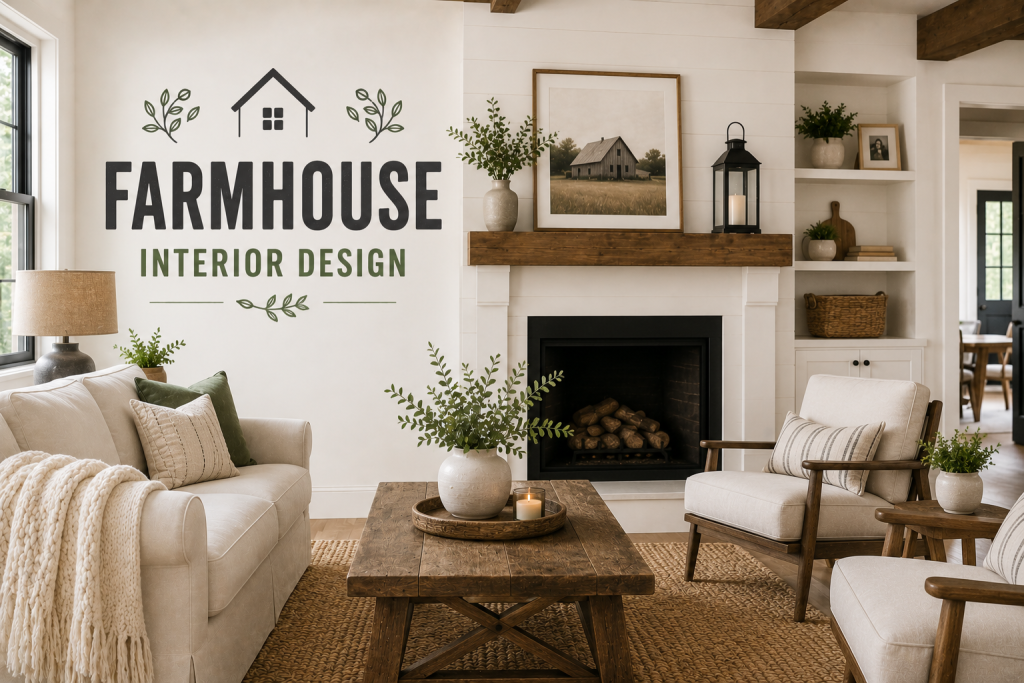
Common elements include shiplap walls, metal accents, open shelving, and reclaimed wood details, all contributing to a cohesive rustic home aesthetics look. Unlike more decorative styles, farmhouse interiors prioritize practicality, making them especially popular in American family homes. Overall, farmhouse design blends warmth and order, creating spaces that feel both inviting and efficient without unnecessary complexity.
What Is Cottagecore Interior Design?
Cottagecore interior design is a romantic, nature-inspired style that emphasizes softness, nostalgia, and a strong connection to the outdoors. In the discussion of farmhouse vs cottagecore, this style leans more decorative and whimsical compared to the structured simplicity of farmhouse interiors. At the heart of cottagecore decor ideas are floral patterns, vintage furnishings, lace textiles, and handmade accents. These elements create a dreamy, storybook-like environment that feels personal and expressive. Unlike more structured country home decor, cottagecore embraces imperfection and individuality.
Color palettes are typically soft and pastel-based, including muted pinks, sage greens, creamy whites, and light blues. These tones contribute to a gentle, calming atmosphere that aligns with vintage-inspired interiors and traditional countryside living. Overall, cottagecore design prioritizes emotion and aesthetic storytelling, making spaces feel cozy, artistic, and deeply connected to nature and nostalgia.
Farmhouse vs Cottagecore: Key Differences
When comparing farmhouse vs cottagecore, the most important differences come down to structure, aesthetic intent, and lifestyle expression. Both fall under the umbrella of cozy interior styles, but they create very different visual experiences. Farmhouse design is more structured and functional, rooted in practical American living. It emphasizes clean lines, neutral tones, and durable materials that support everyday use. In contrast, cottagecore is softer and more expressive, focusing on romantic details, layered textures, and a more decorative approach to rustic home aesthetics.
From a farmhouse decor comparison perspective, farmhouse interiors feel organized and grounded, while cottagecore spaces feel whimsical and emotionally driven. Farmhouse prioritizes simplicity and usability, whereas cottagecore leans into storytelling and visual charm. Lifestyle also plays a role: farmhouse design suits busy households and modern functionality, while cottagecore appeals to those who prefer slower, more nostalgic, and highly personalized living environments.
Color Palette Comparison
Color plays a defining role in the farmhouse vs cottagecore distinction, shaping the overall mood and emotional tone of each style. While both fall under cozy interior styles, their palettes reflect very different design philosophies. Farmhouse decor comparison typically features neutral, grounded tones such as warm whites, soft grays, beige, and muted earth shades. These colors create a clean, balanced foundation that supports the structured nature of farmhouse interiors and aligns with broader country home decor trends in the US.
In contrast, cottagecore interiors embrace softer, more romantic hues. Pastel pinks, sage greens, lavender, buttery creams, and light blues are commonly used in cottagecore decor ideas, creating a gentle and whimsical atmosphere. The difference is subtle but important: farmhouse palettes prioritize simplicity and versatility, while cottagecore colors focus on emotional expression and decorative softness within vintage-inspired interiors.
Furniture and Styling Differences
Furniture and styling choices further highlight the contrast in the farmhouse vs cottagecore comparison, especially when evaluating how each approach fits within broader cozy interior styles. In farmhouse interiors, furniture is typically practical, durable, and understated. Pieces often feature clean lines, neutral upholstery, and natural wood finishes. This reflects the functional nature of country home decor, where comfort and usability are prioritized over ornamentation. Styling tends to be minimal, with carefully selected accents that maintain a balanced, uncluttered look.
In contrast, cottagecore styling is more decorative and layered. Furniture often includes vintage or antique-inspired pieces, curved silhouettes, and softer materials. Within cottagecore decor ideas, layering is key—floral cushions, lace textiles, and mismatched decorative items contribute to a more expressive and personalized environment. Overall, farmhouse styling feels structured and intentional, while cottagecore embraces charm, variety, and a more curated, nostalgic visual storytelling approach within vintage-inspired interiors.
Materials and Textures Breakdown
Materials and textures are one of the clearest ways to understand farmhouse vs cottagecore, since both styles rely heavily on natural elements but apply them differently within cozy interior styles. In farmhouse interiors, materials are chosen for durability and simplicity. Common finishes include reclaimed wood, matte metals, linen fabrics, and stone accents. These elements support the practical nature of country home decor, where function and longevity matter as much as appearance. Textures are usually balanced and controlled to maintain a clean, structured feel.
Cottagecore interiors, on the other hand, embrace a softer and more layered texture profile. Lightweight fabrics like lace, cotton, and floral prints are combined with vintage wood, wicker, and handcrafted details. In cottagecore decor ideas, imperfection and variation are part of the aesthetic appeal. This contrast shows that farmhouse design prioritizes structure and consistency, while cottagecore focuses on romantic layering and tactile richness within vintage-inspired interiors.
Mood and Lifestyle Differences
The emotional tone is one of the most defining contrasts in the farmhouse vs cottagecore comparison, especially when viewed through the lens of cozy interior styles. While both aim to create comfort, they achieve it in very different ways that reflect distinct lifestyles. Farmhouse interiors feel structured, practical, and grounded in everyday functionality. The mood is calm but organized, often associated with efficient living and family-friendly spaces. This aligns with traditional country home decor, where usability and durability are key priorities alongside visual warmth.
Cottagecore interiors, by contrast, lean heavily into emotion, nostalgia, and imagination. The mood is softer and more romantic, often evoking a slower, more reflective lifestyle. Within cottagecore decor ideas, spaces are designed to feel personal and expressive, with an emphasis on storytelling through objects and textures. Ultimately, farmhouse design reflects modern practicality, while cottagecore represents escapism and sentimentality within vintage-inspired interiors.
Which Style Is Right for You?
Choosing between farmhouse vs cottagecore depends on how you want your home to function and feel on a daily basis. Both are popular cozy interior styles, but they cater to different lifestyles and design preferences. If you prefer clean spaces, practical layouts, and low-maintenance design, farmhouse interiors are likely the better fit. This style works especially well in modern US homes where country home decor is adapted for family living, durability, and long-term usability. It’s ideal for homeowners who value structure and simplicity.
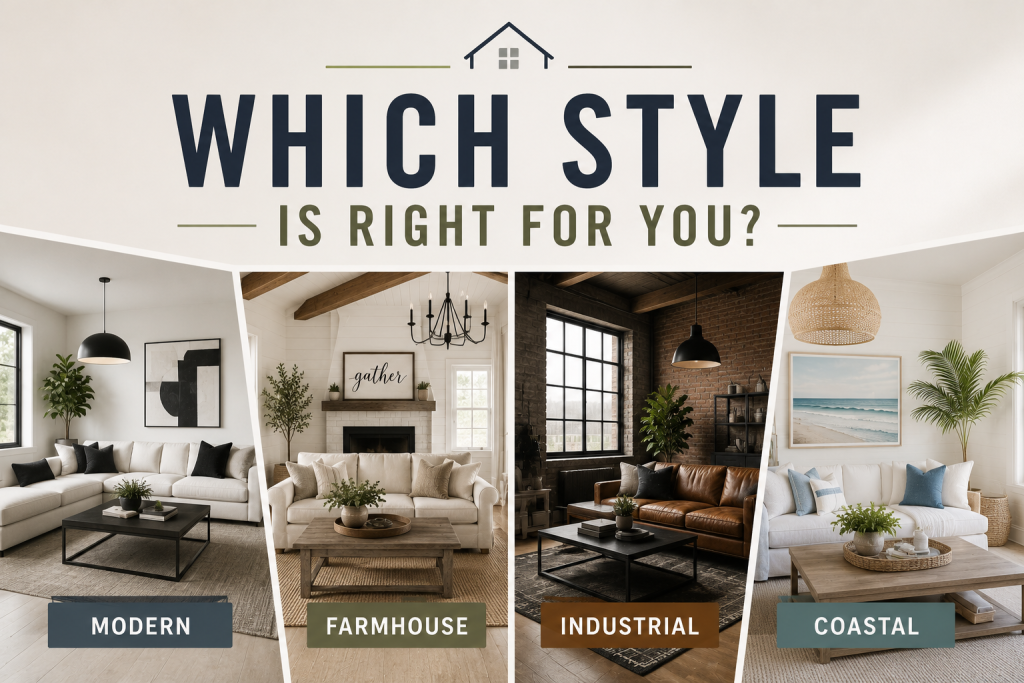
On the other hand, if you enjoy decorative details, vintage charm, and a more expressive environment, cottagecore may suit you better. Inspired by cottagecore decor ideas, this style focuses on emotional comfort, storytelling, and a softer visual aesthetic rooted in vintage-inspired interiors. Ultimately, your choice comes down to lifestyle: farmhouse favors function and order, while cottagecore embraces creativity and romantic, nostalgic living.
Can You Mix Farmhouse and Cottagecore?
Yes, blending farmhouse vs cottagecore elements is not only possible but increasingly popular in modern US homes looking for personalized cozy interior styles. A thoughtful mix can create a balanced space that combines the structure of farmhouse design with the softness of cottagecore aesthetics. The key to successful blending is maintaining a neutral foundation. Farmhouse interiors provide a strong base through clean lines, neutral tones, and functional layouts rooted in country home decor. From there, cottagecore elements can be layered in gradually through textiles, vintage accents, and floral-inspired cottagecore decor ideas.
For example, a farmhouse-style living room with simple furniture can be softened with lace curtains, patterned cushions, and antique décor pieces. This creates a more expressive environment while still preserving structure. When balanced correctly, this hybrid approach enhances vintage-inspired interiors, offering both practicality and personality without overwhelming the space or losing visual cohesion.
Conclusion
Understanding farmhouse vs cottagecore helps homeowners choose a style that fits both lifestyle and personality. While farmhouse design focuses on structure and practicality within cozy interior styles, cottagecore embraces creativity, softness, and romantic expression. Both styles reflect different interpretations of rustic home aesthetics, and either can create a warm, inviting home when executed thoughtfully.
FAQ About Farmhouse vs Cottagecore
What is the main difference between farmhouse vs cottagecore?
The main difference is that farmhouse design focuses on structure, functionality, and neutral country home decor, while cottagecore emphasizes romantic, decorative, and nostalgic cottagecore decor ideas.
Which style is more popular in the US?
Farmhouse remains more widely used in American homes due to its versatility, but cottagecore has grown in popularity as part of modern cozy interior styles.
Can farmhouse and cottagecore be combined?
Yes, many homeowners blend both styles by using farmhouse as a base and adding cottagecore elements like florals, vintage accents, and soft textures.
Is cottagecore just a trend?
Cottagecore is partly trend-driven but is rooted in long-standing vintage-inspired interiors and rustic design traditions.
Which style is easier to maintain?
Farmhouse interiors are generally easier to maintain due to simpler layouts and durable materials compared to the more detailed styling of cottagecore.