

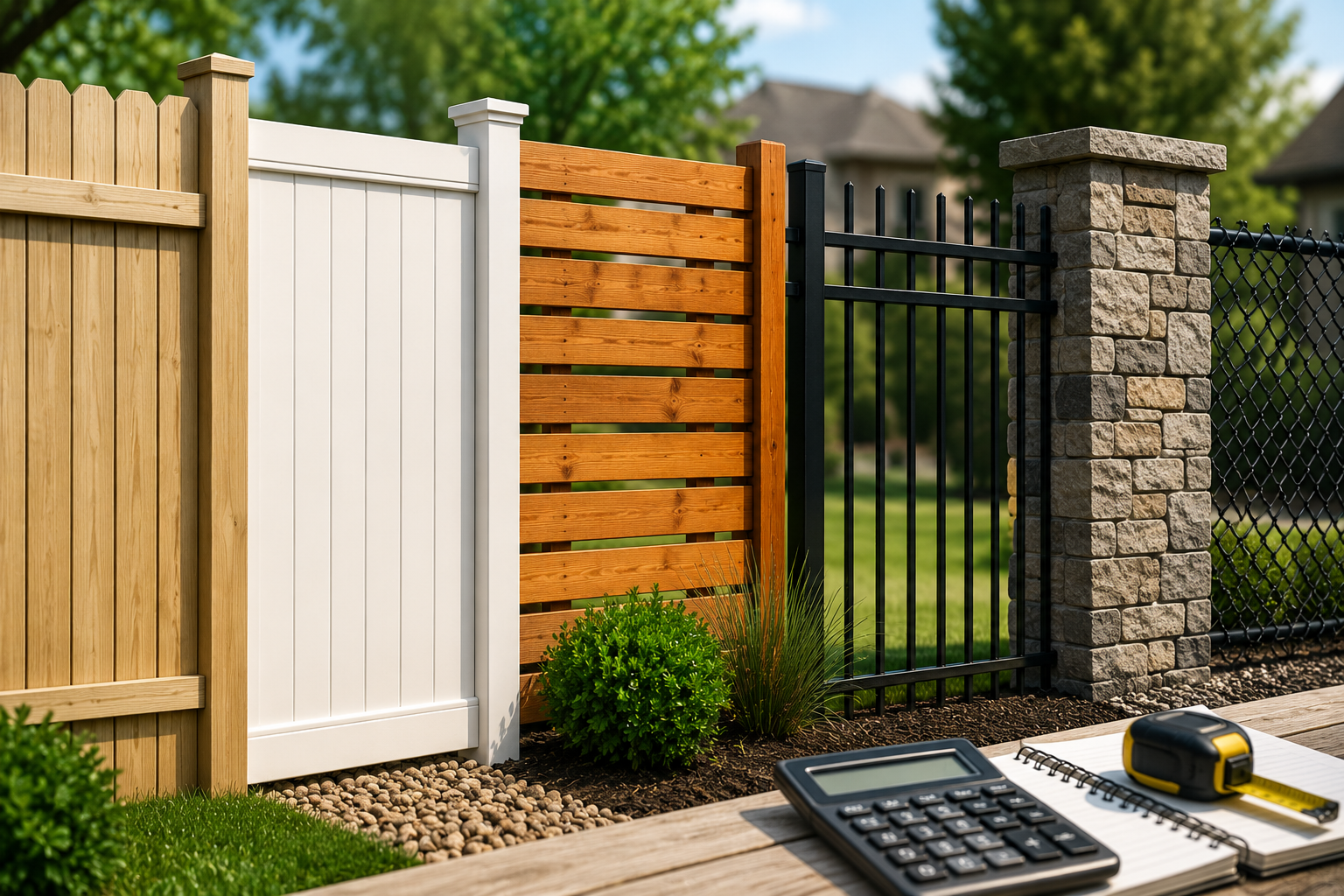
Fence Installation Cost by Material
Understanding fencing expenses is essential for homeowners planning to improve privacy, security, or curb appeal around their property. The overall project budget can vary significantly depending on material choice, labor rates, property size, and regional pricing differences across the United States. A detailed cost breakdown is especially important because pricing is not limited to materials alone, installation labor, site preparation, and long-term maintenance all contribute to the total investment. Homeowners in suburban and urban areas often experience different pricing structures based on contractor availability and local construction demand.
From small backyard enclosures to full perimeter fencing, costs can range widely depending on design complexity and material selection. That is why a detailed fence installation cost guide helps homeowners compare options more effectively before committing to a project. In this guide, we will break down material-wise pricing, labor factors, and long-term cost considerations to help you understand what truly impacts fencing budgets in the U.S. residential market.
Fence Installation Cost Breakdown by Material
A clear understanding of fence installation cost starts with breaking down how pricing changes by material type.This comparison helps homeowners see where their budget goes and how different fencing systems impact overall project expenses in the U.S. residential market.
Average Cost Per Linear Foot Overview
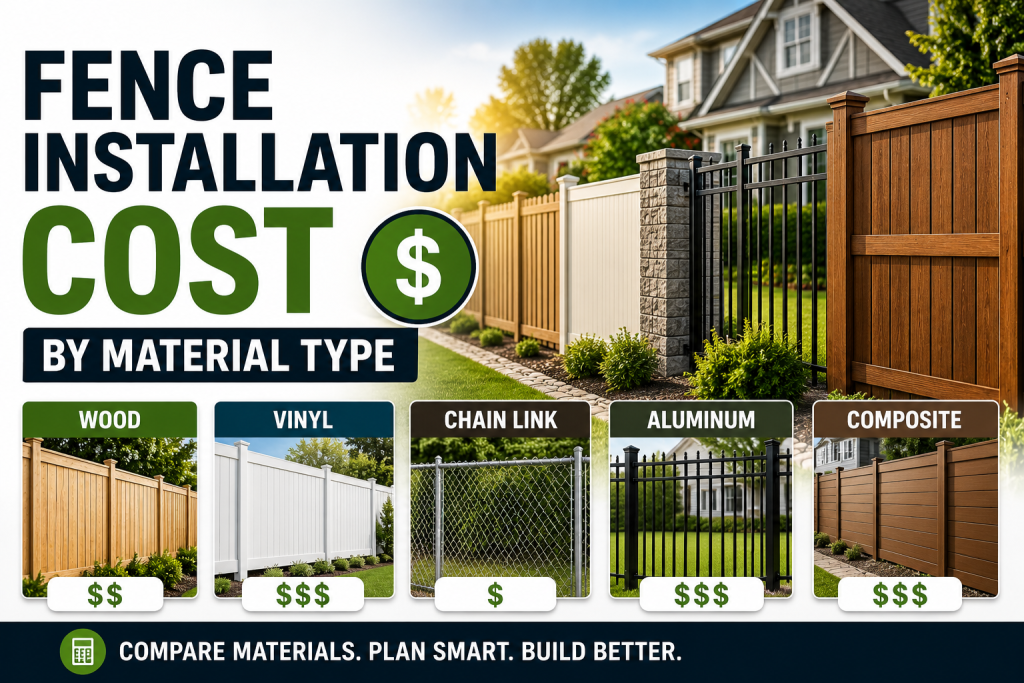
One of the most important pricing metrics is fence cost per foot, which varies widely depending on material selection. Basic chain-link fencing typically sits at the lower end of the price range, while premium wood, vinyl, and aluminum systems increase costs due to material quality and design complexity.
Labor vs Material Cost Split
A significant portion of overall fencing expense comes from installation labor. In many U.S. regions, labor can account for nearly half of the total project cost, especially when terrain preparation, grading, or old fence removal is required. When evaluating fencing labor costs, homeowners should consider that complex layouts, uneven ground, and custom designs will increase installation time and pricing. Simpler layouts with easy site access generally reduce labor expenses and overall project cost.
Material-Based Cost Differences
Different materials significantly impact total budget expectations. Wood fences offer a moderate entry price but require ongoing maintenance. Vinyl fencing is typically more expensive upfront but reduces long-term upkeep. Aluminum fencing is often chosen for durability and low maintenance, though it comes at a higher initial investment. Understanding these differences helps homeowners make more informed decisions when planning a fencing project that balances cost, durability, and long-term value.
Fence Installation Cost by Material Type
A detailed look at pricing by material type helps homeowners understand how different fencing systems impact overall budgets. Cost differences vary significantly depending on durability, maintenance requirements, and regional labor rates across the United States.
Wood Fence Installation Cost
Wood fencing remains one of the most common choices for residential properties due to its natural appearance and moderate upfront pricing. However, costs can increase based on wood type, fence height, and design complexity. Homeowners should also factor in long-term maintenance such as staining and sealing, which adds to lifetime expenses.
Vinyl Fence Pricing
Vinyl fencing is widely used for its low-maintenance benefits and clean, modern appearance. While the initial investment is typically higher than wood, vinyl fence pricing varies depending on panel style, thickness, and property layout requirements. However, many homeowners find that the reduced maintenance needs help offset long-term ownership costs.
Aluminum Fence Cost
Aluminum fencing is often selected for durability, corrosion resistance, and a decorative look. It is commonly used for front yards and perimeter fencing where visibility and aesthetics matter. Although it has a higher upfront cost, it requires minimal maintenance over time.
Material Comparison Insight
When comparing backyard fence pricing, wood generally offers the most budget-friendly entry point, while vinyl and aluminum provide stronger long-term value depending on maintenance expectations and design goals. Homeowners should evaluate both short-term affordability and long-term performance when selecting a material.
Fence Installation Cost Factors and Labor Breakdown
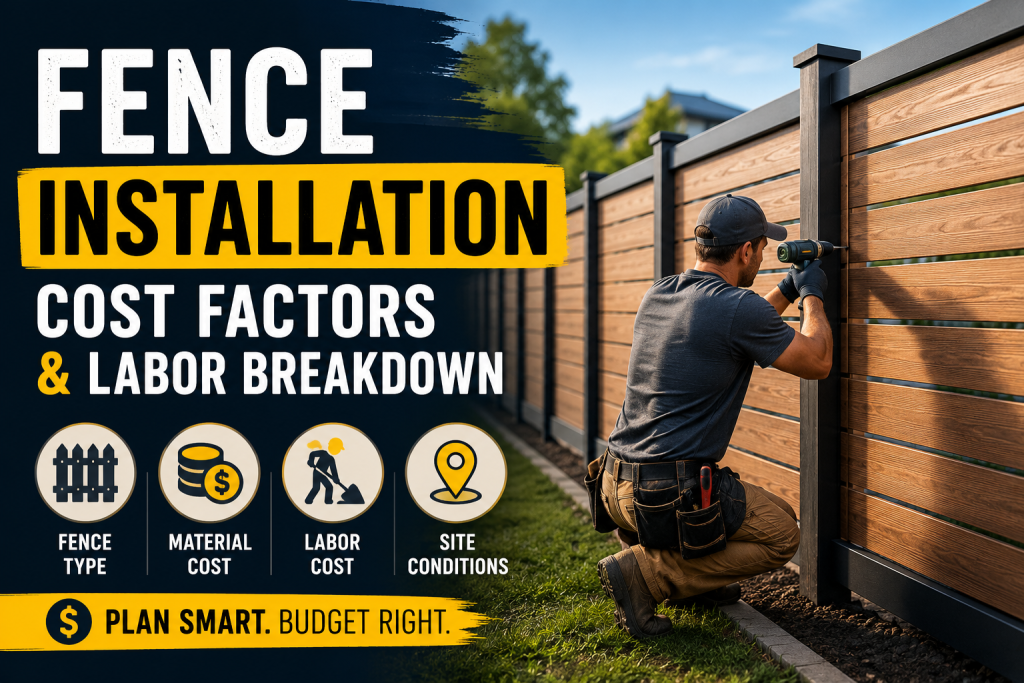
A complete understanding of fencing project expenses requires more than just material pricing, it also depends on site conditions, labor complexity, and project scope. This cost breakdown helps homeowners identify the hidden factors that can significantly influence the final project budget.
Site Conditions and Project Complexity
Terrain plays a major role in overall pricing. Flat, easily accessible yards typically reduce installation time and cost, while sloped, rocky, or heavily landscaped properties require additional labor and preparation. Removing old fencing or clearing obstacles can also increase total expenses.
Labor Impact on Total Cost
Labor is one of the most variable components in fencing projects. Contractors may charge more for complex layouts, custom designs, or difficult soil conditions that require extra post stabilization. Seasonal demand and regional labor rates across the U.S. also influence final pricing.
Replacement vs New Installation
When evaluating residential fence replacement cost, homeowners often find that replacement projects can be more expensive than new installations due to demolition, disposal, and potential upgrades to meet current building standards. However, in some cases, reusing existing posts or foundations can help reduce expenses.
Key Budget Considerations
Planning ahead for permits, property surveys, and material delivery fees is essential for avoiding unexpected costs. A well-structured budget accounts for both visible expenses and hidden installation factors, ensuring a more accurate estimate of total fencing investment.
Conclusion
Understanding fence installation cost is essential for homeowners who want to plan a realistic budget for their property improvements. This fence installation cost guide shows that pricing is influenced by multiple factors, including material choice, labor complexity, site conditions, and long-term maintenance expectations. Across the U.S. residential market, costs can vary widely depending on whether homeowners choose wood, vinyl, or aluminum fencing, as well as the size and layout of the property.
While some materials offer lower upfront pricing, others provide better long-term value through durability and reduced maintenance needs. Ultimately, the most cost-effective fencing decision comes down to balancing initial investment with long-term performance. By carefully evaluating materials, labor requirements, and replacement considerations, homeowners can make informed decisions that improve both property value and functionality.
Frequently Asked Questions
What is the average fence installation cost in the U.S.?
The average fence installation cost in the U.S. typically ranges depending on material, height, and property size. Basic chain-link fences are the most affordable, while wood, vinyl, and aluminum systems cost more due to materials and labor requirements.
What affects the total cost of a fencing project the most?
Several factors influence overall pricing, including material type, property size, terrain conditions, and local labor rates. Additional expenses such as permits, old fence removal, and site preparation can also increase the total project cost.
Which fence type is cheapest to install?
Chain-link fencing is generally the cheapest option, followed by basic wood fencing. However, long-term maintenance should also be considered when comparing total ownership cost.
How much do fencing labor costs contribute to the total price?
Fencing labor costs can account for a significant portion of the total project, often nearly half of the overall budget depending on complexity, soil conditions, and design layout.
What is the cost per foot for fencing?
The fence cost per foot varies widely based on material. Chain-link is usually the lowest per foot, while vinyl, wood, and aluminum cost more due to material quality and installation complexity.
Is replacing a fence more expensive than installing a new one?
A residential fence replacement cost is often higher than a new installation due to demolition, disposal, and additional preparation work. However, in some cases, reuse of existing posts can reduce costs.
How can homeowners reduce fence installation costs?
Homeowners can reduce costs by choosing simpler materials, minimizing custom designs, comparing contractor quotes, and installing fences during off-peak seasons when labor demand is lower.